Quick Top 10 Facts about Blue-Eyed Pleco Fish
| SCIENTIFIC NAME | Hypostomus plecostomus |
| CLASSIFICATION | KINGDOM: Animalia CLASS: Actinopterygii ORDER: Siluriformes FAMILY: Loricariidae PHYLUM: Chordata GENUS: Hypostomus |
| SIZE | Up to 15-18 inches (38-46 cm) in length |
| HABITAT | Found in rivers and streams with slow-moving water, usually in South America, primarily in the Amazon and Orinoco river basins |
| DIET | Omnivorous – primarily feeds on algae, detritus, and small invertebrates |
| SPECIES | Blue-Eyed Pleco, a variety of plecostomus |
| COUNTRY | Native to South America, found in the Amazon and Orinoco river basins |
| GESTATION PERIOD | Egg-laying fish; fertilization occurs externally, and the eggs typically hatch in 4–7 days depending on water conditions |
| LIFE SPAN | Up to 10-15 years in captivity |
| CONSERVATION STATUS | Not considered endangered, but may be threatened by habitat destruction and the aquarium trade |
Amazing Facts About Blue-Eyed Pleco Fish
1. Beautiful blue eyes
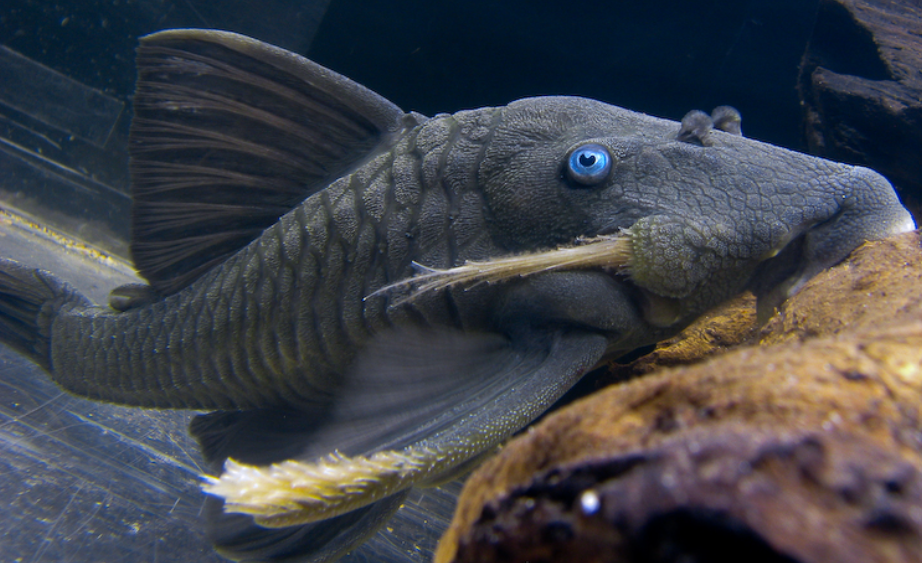
The Blue-Eyed Pleco is known for its striking blue eyes, which set it apart from other species of plecostomus.
2. Great algae-eater
As a bottom dweller, it is an excellent algae-eater, helping keep aquariums clean by consuming algae that grow on surfaces.
3. Strong armored body
This species has a tough, bony armor covering its body, making it resistant to predators in the wild.
4. Bottom-dwelling fish
The Blue-Eyed Pleco is a bottom-dwelling fish, using its large fins to cling to rocks and other surfaces in the wild and in aquariums.
5. Often referred to as “suckerfish”
They are commonly known as suckerfish due to their specialized sucker-like mouths that allow them to attach to surfaces and feed on algae.
6. Prefers peaceful environments
Although peaceful, they can be territorial and may defend their space from other bottom-dwelling fish in aquariums.
7. Good for large tanks
Due to their size, Blue-Eyed Plecos are best suited for larger tanks, where they have room to grow and thrive.
8. Non-aggressive with other fish
They are generally non-aggressive and get along well with most other peaceful fish in a community tank.
9. Breeding in captivity
Breeding Blue-Eyed Plecos in captivity can be challenging, but it’s possible with the right tank conditions, such as a breeding cave and water temperature control.
10. Highly adaptable
These fish are highly adaptable to different environments, but they require well-maintained water conditions to thrive in captivity.
Scientific name (Panaque cochliodon) and its origin in the Amazon River basin
The interesting family Loricariidae includes the Blue-Eyed Pleco, scientifically known as Panaque cochliodon. It is a type of freshwater fish. This peculiar fish is native to the countries of Peru, Colombia, and Brazil along the Amazon River in South America. Because of its distinctive appearance and captivating activity, aquarium enthusiasts are very intrigued by it.
Unique feature of its striking blue eyes, which sets it apart from other plecos
One of the most distinctive features of the Blue-Eyed Pleco is its fascinating blue eyes, which give rise to its common name. Its bright blue eyes and dark brown or black body make for a remarkable visual feature that enhances any aquarium. The Blue-Eyed Pleco’s sucker-like mouth, flat underside, and robust body structure allow it to cling to rocks and driftwood.
Blue-Eyed Pleco’s physical characteristics, such as its size, shape, and coloration
With a maximum length of 12 inches, the Blue-Eyed Pleco is a very large fish. As an omnivorous species, it consumes both plants and microscopic animals. In the wild, algae, wood, and other plant materials are its primary food sources. When keeping animals in captivity, a varied diet that includes vegetables, premium sinking pellets, and sometimes protein-rich foods like brine shrimp or bloodworms is crucial.
Fascinating facts about Blue-Eyed Pleco Fish
Maintaining a clean and orderly aquarium with the right care is crucial for the overall health and lifespan of the Blue-Eyed Pleco.
Aquarium aficionados love the Blue-Eyed Pleco, also called the Panaque Cochliodon, which is a popular freshwater fish. Its distinctive look and vivid blue eyes make this species an intriguing addition to any aquarium.
Scientific name (Panaque cochliodon) and its origin in the Amazon River basin
Native to South America, the Amazon River region is home to the Blue-Eyed Pleco. It is present in Ecuadorian and Peruvian rivers and streams. These fish enjoy calm waters with plenty of hiding places, including boulders and fallen trees.
Distinct blue eyes and how they contrast with its dark body
The remarkable look of the blue-eyed pleco is well known. Its body is dark brown or black with light blue patches, and the blue lines that surround its eyes form a unique pattern. This species gets its name from these vivid blue eyes. The fish is a medium-sized pleco with a maximum length of 10 inches.
Blue-Eyed Pleco’s herbivorous diet, primarily consisting of plant matter
Because they are omnivores, blue-eyed plecos consume both tiny creatures and plant stuff. They eat algae, fallen fruits, and tiny invertebrates in the wild. They may be fed vegetables like cucumber and zucchini, premium sinking pellets, and sometimes live or frozen items like brine shrimp or bloodworms in an aquarium.
Peaceful temperament and compatibility with other fish species
Commonly calm, blue-eyed plecos may be housed in communal aquariums among other fish that don’t bite. But as they get older, they have a tendency to become territorial. To help them mark their area and prevent future fights, it’s critical to provide them plenty of hiding spots and caves.
Importance of maintaining good water quality and Tank Needs
Providing Blue-Eyed Plecos with an appropriate tank layout is crucial for their well-being. They need a large aquarium with plenty of hiding places, such as rocks, driftwood, and caverns. The water should be maintained at a pH of 6.5 to 7.5, a temperature range of 75–82°F (24–28°C), and a high degree of filtration.
Unique behaviours or characteristics displayed during the breeding process
Because Blue-Eyed Plecos need certain circumstances to spawn, breeding them might be difficult. An appropriate spawning place, such as a cave or hollow log, should be supplied for the fish, and the water temperature should be slightly raised. The male will protect and fan the eggs to make sure they get enough oxygen after the female lays them. After a week or so, the eggs will hatch, and the fry may be fed specific meals like baby brine prawns or crushed flakes.
Duration of Life: life cycle of blue-eyed Pleco
When maintained under ideal circumstances, a Blue Eyed Pleco may live for an average of 10 to 15 years. These fish must have proper care, food that is well-balanced, and an appropriate tank arrangement to ensure their lifespan and general well-being.
Intriguing and lesser-known facts about blue-eyed Plecos
In general, blue-eyed plecos get along well with a range of calm fish species. Their sensitive fins should not be maintained alongside fish that are aggressive or nibble at them. Additionally, since territorial conflicts may ensue, it’s best to avoid keeping them with other plecos of a similar size.
All things considered, the Blue-Eyed Pleco is an intriguing fish because of its unusual look and calm disposition. These fish may live happily in an aquarium for many years to come if their owners give them the right care and attention.
FAQ (Frequently Asked Questions) about Blue-Eyed Pleco Fish
Q: What is a Blue-Eyed Pleco Fish?
Ans: The Blue-Eyed Pleco, scientifically known as Hypancistrus sp., is a species of freshwater fish that belongs to the Loricariidae family. It is known for its striking blue eyes and unique appearance. This species is often found in rivers and streams in South America, particularly in Brazil.
Q: Why is it called the Blue-Eyed Pleco?
Ans: It is called the Blue-Eyed Pleco due to its distinctive blue eyes, which stand out against its dark body. This coloration gives the fish a beautiful and unusual look, making it highly sought after by aquarium enthusiasts.
Q: Where does the Blue-Eyed Pleco Fish live?
Ans: The Blue-Eyed Pleco is native to the Amazon and Orinoco river basins in South America. It inhabits fast-moving, oxygen-rich rivers and streams, where it can find plenty of hiding spots among rocks and submerged wood.
Q: What does the Blue-Eyed Pleco Fish eat?
Ans: Blue-Eyed Plecos are omnivores, feeding on a variety of food sources in their natural habitat. They primarily eat algae, plant matter, and detritus, but they may also consume small invertebrates. In captivity, they can be fed algae wafers, sinking pellets, and vegetables like zucchini and cucumber.
Q: Is the Blue-Eyed Pleco Fish easy to care for?
Ans: Blue-Eyed Plecos are relatively easy to care for, but they do require a well-maintained tank with clean, oxygen-rich water. They are hardy fish, but they do best in tanks that mimic their natural environment, including plenty of hiding spots and gentle water flow.
Q: How big does the Blue-Eyed Pleco Fish get?
Ans: The Blue-Eyed Pleco can grow to around 4 to 5 inches (10 to 12 cm) in length. Despite their small size, they are robust and can live for many years with proper care in an aquarium setting.
Q: Can the Blue-Eyed Pleco Fish live with other fish?
Ans: Yes, the Blue-Eyed Pleco is generally peaceful and can live with other fish species, especially in a community tank. However, it is important to avoid keeping them with aggressive or very small fish, as they might be bullied or outcompeted for food.
Q: How does the Blue-Eyed Pleco Fish contribute to the aquarium environment?
Ans: Blue-Eyed Plecos help maintain a healthy aquarium by feeding on algae, which can otherwise accumulate and cloud the water. Their bottom-dwelling nature also helps clean up leftover food and detritus, making them excellent cleanup crew members in a tank.
Q: How long do Blue-Eyed Pleco Fish live?
Ans: With proper care, Blue-Eyed Pleco Fish can live for 8 to 10 years or more in an aquarium. They are long-lived fish, and their longevity depends on maintaining good water quality and providing a suitable diet.
Q: Are Blue-Eyed Pleco Fish rare?
Ans: Blue-Eyed Pleco Fish are considered somewhat rare in the aquarium trade due to their unique appearance. They are sought after for their striking blue eyes, and their availability may vary depending on the region and time of year.
#BlueEyedPleco, #PlecoFish, #FreshwaterFish, #AquariumFish, #AlgaeEaters, #AmazonFish, #SouthAmericanFish, #FishCare, #AquaticLife, #Fishkeeping, #Loricariidae, #AquariumLovers, #FishEnthusiasts, #AquariumMaintenance
Our sources and references about Blue-Eyed Pleco Fish
1: Aquatic Community – Blue-Eyed Pleco
2: FishLore – Blue-Eyed Pleco Care
3: Reef2Reef – Blue-Eyed Pleco Discussion
4: Petco – Blue-Eyed Pleco Care