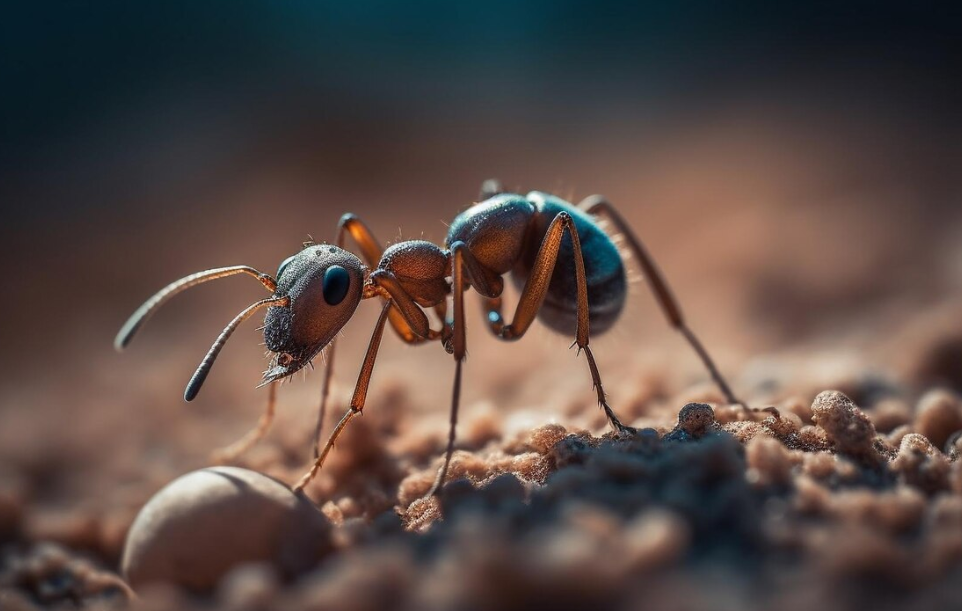
Small, social insects found worldwide. Ants live in colonies and have complex social structures. Some species are known for their ability to carry loads many times their own body weight.
Quick Top 10 Facts about Ants
| SCIENTIFIC NAME | Formicidae (family) |
| CLASSIFICATION | KINGDOM: Animalia PHYLUM: Arthropoda CLASS: Insecta ORDER: Hymenoptera FAMILY: Formicidae |
| SIZE | Varies by species; typically 0.08–2 inches (2–25 mm) in length |
| HABITAT | Found on every continent except Antarctica; inhabit forests, deserts, grasslands, urban areas, and underground colonies |
| DIET | Omnivorous; feed on nectar, seeds, fungi, insects, and food scraps |
| SPECIES | Over 12,000 known species, including leafcutter ants, fire ants, and carpenter ants |
| COUNTRY | Worldwide distribution; species diversity is especially high in tropical regions |
| REPRODUCTION | Queens lay eggs; colonies may contain thousands to millions of individuals |
| LIFE SPAN | Workers live a few months; queens can live up to 15 years or more |
| CONSERVATION STATUS | Most species are not endangered; some invasive species are ecological threats |
Amazing Facts About Ants
1. Ants are social insects
They live in highly organized colonies with specific roles for queens, workers, and soldiers.
2. They can lift many times their body weight
Ants are incredibly strong for their size, capable of carrying objects 10–50 times their body weight.
3. Communication through chemicals
Ants use pheromones to communicate, leaving scent trails to direct others to food or danger.
4. Farmers and herders
Some ants farm fungi, while others herd and protect aphids for their sweet secretions.
5. There are ants that can swim
Species like the fire ant can form living rafts to survive floods and travel across water.
6. Queens rule the colony
Each colony typically has one or more queens whose sole job is to reproduce and lay eggs.
7. Global presence
Ants are found almost everywhere on Earth except the coldest environments like Antarctica.
8. Excellent navigators
Ants use the sun’s position and visual landmarks to navigate back to their nests.
9. Some species bite or sting
While many are harmless, species like fire ants and bullet ants can deliver painful stings.
10. Ants predate the dinosaurs’ extinction
Ants have existed for over 100 million years, long before the extinction of the dinosaurs.
Diversity and Abundance of Ants, with Over 12,000 Known Species Worldwide
Ants are fascinating animals with unique traits. They live in colonies consisting of hundreds or even millions of individuals, and they are highly organised. Ants are famous for their cooperative behaviour based on pheromones and their efficient communication skills.
Significance of Ants in the Natural World
Ants are essential to ecosystems because they assist in pollination and seed dispersion. They also act as proficient scavengers, removing dead matter and returning nutrients to the environment. Ants have a varied diet and consume a wide range of items, including seeds, honey, and other insects.
Cooperative Behaviour and Division of Labour within Ant Colonies
Ants possess extraordinary strength for their size and can lift loads many times heavier than themselves. Every member of the colony has a specific role within their intricate social system. Worker ants handle tasks such as foraging, constructing and maintaining the nest, and tending to the young, while the queen focuses on laying eggs.
Crucial Role Ants Play in Ecosystems as Decomposers, Seed Dispersers, and Predators
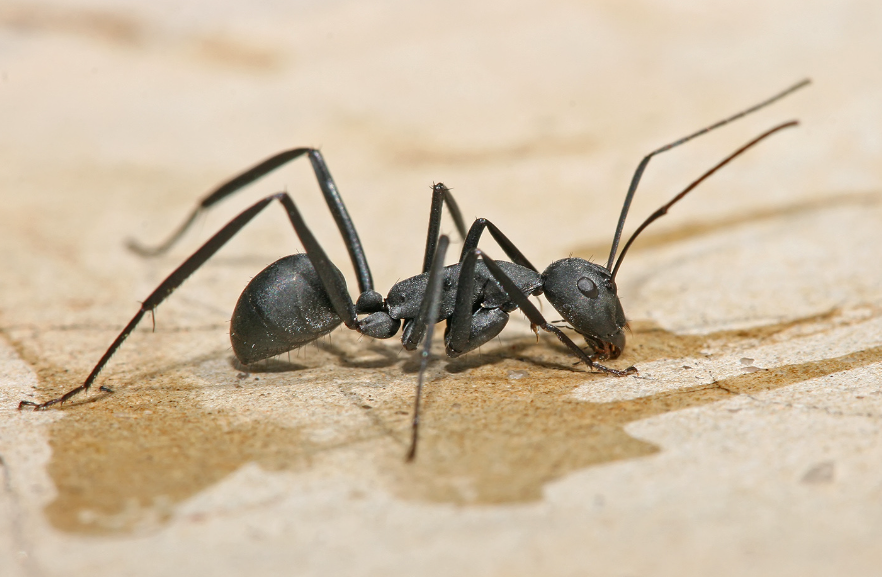
To sum up, ants are incredible creatures that help maintain balance in ecosystems. They play an essential role in the natural world due to their cooperative nature and diverse diet. Understanding ants helps us recognise their importance and the critical role they play in our environment.
Interesting Facts Regarding Ants
Ants may be the most successful insect species on the planet. Here are some fascinating facts about their biology and behaviour:
1. Ants can form “super colonies” with up to 20 million members, making them enormous.
2. Ants are one of the planet’s oldest surviving species, having existed for more than 80 million years.
3. Ants can lift objects up to 20 times their own weight.
4. Pheromones, chemical signals, are used by some ant species to communicate.
5. Ants have been known to spread across continents by floating on the surface of water.
6. Ants have an extraordinary sense of smell, which allows them to detect food sources from a long distance.
7. Ants can endure extremely high or low temperatures by tunnelling underground and reducing or ceasing their activity.
8. There are various types of ants, including workers, queens, and army ants.
9. Ants are omnivores, eating both plants and animals, including tiny insects and larvae.
10. Ants are found on every continent except Antarctica.
Fascinating Facts About Ants
Ants are tiny insects that are found all around the world. They are well-known for their highly organised colonies and remarkable work ethic. Below are some fascinating facts that will help you better understand these small but extraordinary creatures.
Ants Are Social Insects
Ants are social insects that live in large groups. Each colony consists of a queen, worker ants, and male ants. The worker ants are responsible for building and maintaining the nest, gathering food, and caring for the young. The queen’s primary role is to lay eggs. Ants communicate with each other through touch and pheromones.
Ants Have the Ability to Lift Loads Several Times Their Own
Despite their small size, ants are remarkably strong. Certain ant species can carry loads many times heavier than their own body weight. This strength is due to their unique body structure, which allows them to distribute the weight evenly. Mostly ants use this strength to move food, build nests, and protect their colonies.
Ants Eat a Variety of Foods
These are omnivores, meaning they eat both plant and animal matter. Their diet can vary depending on the species and the available food sources in their environment. Some ants are predators and feed on other insects, while others enjoy honey and other sweet substances. Some ants even grow fungus for food.
Ants Are Superb Farmers
Leaf-cutter ants are well-known for their exceptional farming skills. They cut leaves and carry them back to their nests, where they use them as a substrate to cultivate a special kind of fungus. The fungus derives nutrients from the ants’ waste, while the ants feed on the fungus. This mutualistic relationship has existed for millions of years.
Almost Every Environment Has Ants
Ants are highly adaptable creatures and can live in almost every type of environment on Earth. They thrive in a wide range of habitats, from rainforests to deserts. Ants play a vital role in ecosystems by aerating the soil, dispersing seeds, and controlling other insect populations, among other tasks.
The Ant Species Has Existed for Millions of Years
Ants are one of the most successful insect families, having existed for millions of years. Fossil evidence shows that ants evolved from wasp-like ancestors around 100 million years ago, during the Cretaceous period. Today, they have diversified into over 12,000 recognised species.
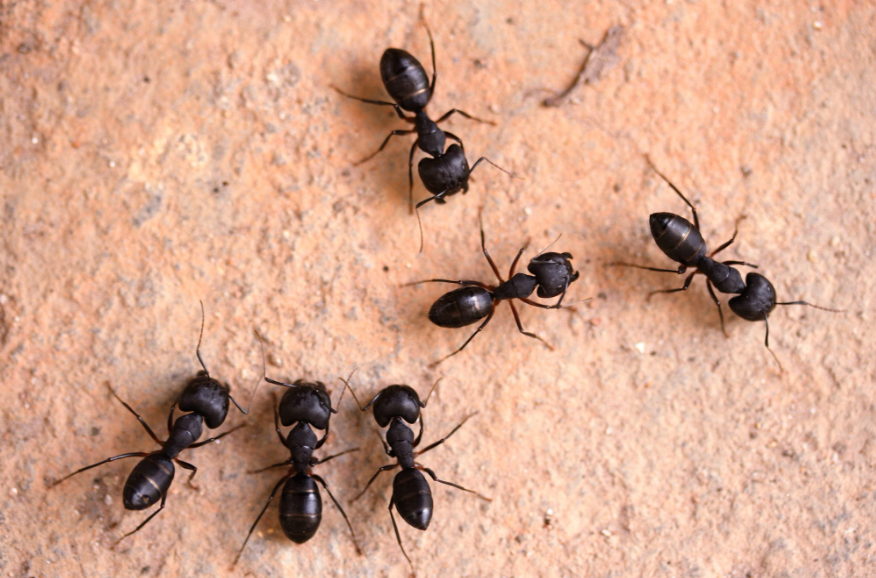
Ants Are Vital to the Ecosystem
While some species of ants may be seen as pests, they play a crucial role in ecosystems. In their search for food, ants invade homes and gardens, often causing damage to crops and buildings. Ants can quickly form large colonies, making them difficult to control once established.
Ants Possess Intricate Social Networks
Ant colonies have complex social structures and divisions of labour. The queen is responsible for laying eggs and ensuring the colony’s survival. Female worker ants perform various duties, such as building the nest, feeding the young, and foraging for food. Male ants, or drones, exist solely to mate with the queen.
Quick Top 10 Facts about Ants
| SCIENTIFIC NAME | Formicidae (family) |
| CLASSIFICATION | KINGDOM: Animalia PHYLUM: Arthropoda CLASS: Insecta ORDER: Hymenoptera FAMILY: Formicidae |
| SIZE | Varies by species; typically 0.08–2 inches (2–25 mm) in length |
| HABITAT | Found on every continent except Antarctica; inhabit forests, deserts, grasslands, urban areas, and underground colonies |
| DIET | Omnivorous; feed on nectar, seeds, fungi, insects, and food scraps |
| SPECIES | Over 12,000 known species, including leafcutter ants, fire ants, and carpenter ants |
| COUNTRY | Worldwide distribution; species diversity is especially high in tropical regions |
| REPRODUCTION | Queens lay eggs; colonies may contain thousands to millions of individuals |
| LIFE SPAN | Workers live a few months; queens can live up to 15 years or more |
| CONSERVATION STATUS | Most species are not endangered; some invasive species are ecological threats |
Amazing Facts About Ants
1. Ants are social insects
They live in highly organized colonies with specific roles for queens, workers, and soldiers.
2. They can lift many times their body weight
Ants are incredibly strong for their size, capable of carrying objects 10–50 times their body weight.
3. Communication through chemicals
Ants use pheromones to communicate, leaving scent trails to direct others to food or danger.
4. Farmers and herders
Some ants farm fungi, while others herd and protect aphids for their sweet secretions.
5. There are ants that can swim
Species like the fire ant can form living rafts to survive floods and travel across water.
6. Queens rule the colony
Each colony typically has one or more queens whose sole job is to reproduce and lay eggs.
7. Global presence
Ants are found almost everywhere on Earth except the coldest environments like Antarctica.
8. Excellent navigators
Ants use the sun’s position and visual landmarks to navigate back to their nests.
9. Some species bite or sting
While many are harmless, species like fire ants and bullet ants can deliver painful stings.
10. Ants predate the dinosaurs’ extinction
Ants have existed for over 100 million years, long before the extinction of the dinosaurs.