Quick Top 10 Facts about Boxerdoodle Dog
| SCIENTIFIC NAME | Canis lupus familiaris |
| CLASSIFICATION | KINGDOM: Animalia PHYLUM: Chordata CLASS: Mammalia ORDER: Carnivora FAMILY: Canidae GENUS: Canis SPECIES: C. lupus familiaris |
| SIZE | Height: 22–28 inches (56–71 cm), Weight: 50–80 pounds (23–36 kg) |
| HABITAT | Domesticated; typically lives in homes as a family pet |
| DIET | Omnivorous; typically fed a balanced dog food diet |
| SPECIES | Boxerdoodle, a hybrid breed of Boxer and Poodle |
| COUNTRY | Originated in the United States, combining the Boxer and Poodle breeds |
| GESTATION PERIOD | Approximately 63 days (similar to other dog breeds) |
| LIFE SPAN | 10–14 years |
| CONSERVATION STATUS | Not endangered; popular as a companion and family dog |
Amazing Facts About Boxerdoodle Dogs
1. Boxerdoodles are a mix of Boxer and Poodle
Boxerdoodles are a hybrid breed, inheriting the playful nature of the Boxer and the intelligence of the Poodle.
2. They are highly intelligent
Thanks to their Poodle parentage, Boxerdoodles are extremely smart and quick to learn new commands and tricks.
3. Boxerdoodles are great for active families
With their high energy and love for exercise, Boxerdoodles make great pets for active families who enjoy outdoor activities.
4. They are friendly and social
Boxerdoodles are known for their friendly and social demeanor, getting along well with both people and other animals.
5. Boxerdoodles are hypoallergenic
Like their Poodle parent, Boxerdoodles have a curly, non-shedding coat, which makes them a good choice for allergy sufferers.
6. They are playful and affectionate
Boxerdoodles enjoy spending time with their families and are often very affectionate, making them great companions.
7. Boxerdoodles are trainable
With their high intelligence and eagerness to please, Boxerdoodles are very trainable and respond well to positive reinforcement techniques.
8. They need regular exercise
Due to their high energy levels, Boxerdoodles require daily exercise, such as walks, playtime, or agility training, to stay healthy and happy.
9. Boxerdoodles are good with children and other pets
This breed is known for being gentle and tolerant, making them excellent family dogs that get along well with kids and other pets.
10. They have a moderate grooming requirement
While their coats are hypoallergenic, Boxerdoodles still require regular grooming to keep their curly coats looking neat and free of mats.
Intriguing facts about Boxerdoodles
A Boxerdoodle is a crossbreed of dog developed by mixing a Boxer with a Poodle. This uncommon cross-breeding creates a dog with the best traits from both breeds. The greatest qualities of boxers and poodles are combined to create the adorable crossbreed known as boxerdoodles. Extroverted and sociable, the Boxerdoodle breed is well known for these traits. These are very social dogs who enjoy the company of other animals and people. They are often described as caring and very committed to their family.
Body, size and unique appearance of Boxerdoodles
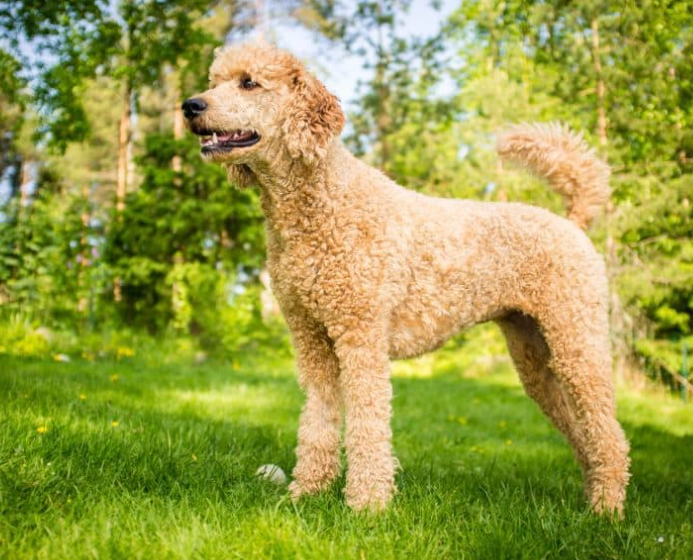
The boxerdoodle’s unique appearance will depend on the traits it inherits from its parent breeds. They often have a strong body and a well-proportioned physique, ranging in size from medium to large. Their coat may be wavy or curly and comes in a variety of colours, including black, brown, and white. When everything is said and done, the Boxerdoodle is an incredibly beautiful and remarkable dog.
Fascinating facts about Boxerdoodles
Boxerdoodles, also known as Boxerpoo or Boxerdoodles, are Poodle and Boxer hybrids. They are a relatively new breed of designer dogs that has recently become more well-known. The following are some intriguing Boxerdoodle facts:
Potential health issues that Boxerdoodles may inherit from their parent breeds
Known for their “hybrid vigour,” Boxerdoodles are often healthier and have fewer hereditary health problems than purebred dogs. This is due to the fact that crossbreeding might lessen the likelihood of acquiring certain genetic illnesses that are prevalent in particular purebred lines.
Information on common health problems and how to prevent them
It’s crucial to remember that Boxerdoodles may still get health problems from their parent breeds. Selecting a trustworthy breeder that conducts health testing on their breeding dogs is critical in order to reduce the possibility of any health issues.
The typical temperament of Boxerdoodles
It is well known that boxerdoodles are gregarious and amiable animals. They are an excellent choice for families because they typically get along well with kids and other animals. They inherited their Boxer parents’s loyalty and protective nature. Their poodle ancestry also plays a part in their trainability and intelligence.

The exercise requirements of Boxerdoodles
These dogs may develop separation anxiety if they are left alone for extended periods of time, since they thrive on human company. To keep them content and well-mannered, they need cerebral stimulation and frequent exercise.
The variations in coat colors and textures of boxerdoodles
Depending on the parent breed they inherit more, boxerdoodles may have a wide range of coat types. They may have a curly, hypoallergenic coat like a Poodle or short, thick hair like a Boxer. Some people could have both coat types together.
Different coat types and specific care requirements for grooming of boxerdoodles
Because of their typically minimal shedding coat, they are a good option for allergy sufferers. Nonetheless, frequent grooming is still required to keep their coats healthy and avoid matting. Maintaining their general cleanliness and attractiveness may be facilitated by professional grooming on occasion and a few weekly brushings of their coat.
The importance of regular physical activity for boxerdoodle well-being
The boxerdoodle breed is very active and enthusiastic. They need to exercise every day to maintain their mental and physical stimulation. To avoid boredom and disruptive behaviour, regular walks, recreation, and engaging toys are crucial.
Engagement of boxerdoodles in a variety of sports and pleasure activities
They take pleasure in engaging in a variety of sports, including swimming, agility, and obedience training. In addition to offering exercise, these pursuits foster a closer relationship between the dog and its owner.
Positive reinforcement techniques for training Boxerdoodles
Boxerdoodles are intelligent dogs who are eager to please their owners. Positive reinforcement training techniques, such as praise and awards, are highly received by them. It’s essential to socialise them early on to make sure they develop into confident, well-rounded canines.
Strengthen the relationship between Boxerdoodles and their owners
They will become well-behaved family members and help avoid behavioural problems with proper training and socialisation. It is advised that you start them with puppy lessons and keep them trained for the rest of their lives.

Socialization and obedience training for a well-behaved Boxerdoodle
They make excellent family pets because they are kind and smart. With the right upbringing, instruction, and socialisation, they may provide their owners with happiness and company for a very long time.
FAQ (Frequently Asked Questions) about Boxerdoodle Dog
Q: What is a Boxerdoodle?
Ans: The Boxerdoodle is a hybrid dog breed that results from crossing a Boxer with a Poodle. This mixed breed inherits the best qualities of both parent breeds: the loyalty, energy, and protective nature of the Boxer, combined with the intelligence, hypoallergenic coat, and friendly demeanor of the Poodle. Boxerdoodles are known for being playful, affectionate, and highly trainable.
Q: What does a Boxerdoodle look like?
Ans: Boxerdoodles can vary in appearance, but they typically have a muscular and athletic build due to the Boxer parent. Their coat can range from wavy to curly, inherited from the Poodle, and they often have a coat that is low-shedding and hypoallergenic. Their colors can include a mix of black, brown, white, fawn, and brindle, depending on the genetic influence from both parents.
Q: How big does a Boxerdoodle get?
Ans: Boxerdoodles are medium to large-sized dogs. They typically weigh between 40 to 70 pounds (18 to 32 kg) and stand about 20 to 24 inches (51 to 61 cm) tall at the shoulder. Their size can vary depending on whether the Poodle parent was a standard or miniature Poodle.
Q: Is the Boxerdoodle a good family dog?
Ans: Yes, Boxerdoodles make excellent family pets. They are known for being affectionate, friendly, and great with children. Their playful nature and energetic temperament make them great companions for active families. They are also social dogs and tend to get along well with other pets and strangers.
Q: How much exercise does a Boxerdoodle need?
Ans: Boxerdoodles are active dogs that require plenty of exercise to keep them happy and healthy. Daily walks, playtime, and mental stimulation through training or puzzle toys are essential. They enjoy activities such as running, playing fetch, and engaging in agility training. Regular exercise helps to prevent boredom and behavioral problems.
Q: Are Boxerdoodles easy to train?
Ans: Yes, Boxerdoodles are generally easy to train. They inherit the intelligence of the Poodle, which makes them quick learners. Combined with the natural eagerness to please from the Boxer parent, Boxerdoodles are often motivated to follow commands. Positive reinforcement and consistency in training are key to helping them succeed.
Q: Do Boxerdoodles shed a lot?
Ans: Boxerdoodles tend to shed very little, thanks to their Poodle parent. Their coat is often wavy or curly, which helps minimize shedding. However, they still require regular grooming to maintain a healthy coat and prevent mats or tangles. Regular brushing is important, as well as occasional baths.
Q: Are Boxerdoodles healthy dogs?
Ans: Overall, Boxerdoodles are a healthy breed, but like all hybrid dogs, they may inherit certain health conditions from their parent breeds. Common health concerns in Boxerdoodles can include hip dysplasia, heart disease, and certain genetic conditions from the Poodle side. Regular veterinary check-ups and a healthy diet can help keep them in good condition.
Q: How long do Boxerdoodles live?
Ans: The average lifespan of a Boxerdoodle is around 10 to 15 years, which is typical for medium to large-sized dogs. With proper care, including regular exercise, a balanced diet, and preventive health measures, Boxerdoodles can enjoy a long, healthy life.
Q: Are Boxerdoodles good for first-time dog owners?
Ans: Yes, Boxerdoodles can be a great choice for first-time dog owners, especially for those who are ready to dedicate time to exercise and training. They are generally friendly, easygoing, and eager to please. With proper guidance and consistency in training, first-time owners can successfully raise a Boxerdoodle.
#Boxerdoodle, #HybridDog, #PoodleMix, #BoxerPoodleMix, #FamilyDog, #DogTraining, #LowSheddingDog, #DogLovers, #ActiveDogs, #DogBreed, #PoodleMixes, #BoxerDog, #FriendlyDogs, #DogExercise, #PetCare
Our sources and references about Boxerdoodle
1: DogTime – Boxerdoodle
2: Petfinder – Boxerdoodle
3: American Kennel Club – Boxerdoodle
4: Daily Paws – Boxerdoodle