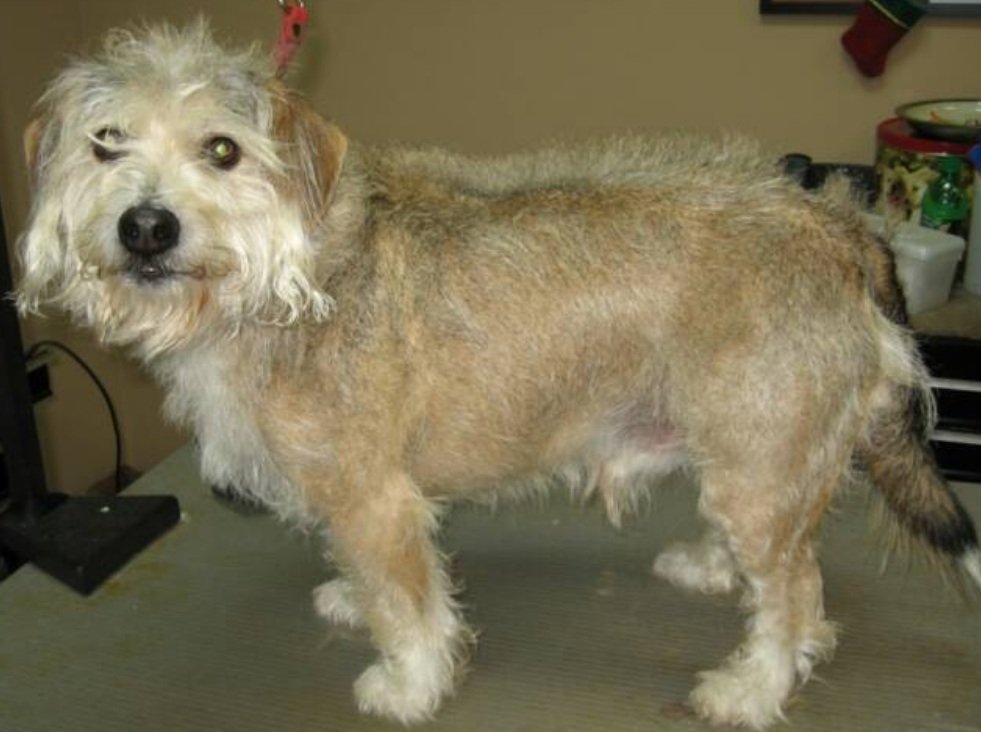
The Schneagle is a hybrid dog breed, a cross between a Schnauzer and a Beagle. These dogs combine the intelligence and loyalty of the Schnauzer with the energy and scenting abilities of the Beagle. Schneagles are known for being friendly, curious, and playful, making them excellent family companions. They typically inherit the Beagle’s strong nose and the Schnauzer’s protective instincts. Due to their active nature, Schneagles require regular exercise and mental stimulation.
Quick Top 10 Facts about Schneagle
| SCIENTIFIC NAME | Canis lupus familiaris |
| CLASSIFICATION | KINGDOM: Animalia PHYLUM: Chordata CLASS: Mammalia ORDER: Carnivora FAMILY: Canidae |
| SIZE | Height: 12–16 inches; Weight: 15–30 pounds |
| SPECIES | Mixed breed (Beagle × Schnauzer) |
| APPEARANCE | Typically a mix of wiry and smooth coat; medium build with floppy ears, expressive eyes, and varied coloring |
| LIFE SPAN | 12–15 years |
| HABITAT | Domesticated; lives in homes, apartments, and yards with human families |
| DIET | Omnivorous – commercial dog food, meats, vegetables, grains |
| NATURAL PREDATORS | None in domestic environments; may be threatened by larger animals in the wild |
| COUNTRY | United States (where the breed was developed) |
| GESTATION PERIOD | About 63 days (typical for domestic dogs) |
| CONSERVATION STATUS | Not applicable – domesticated hybrid breed |
Amazing Facts About Schneagle Dog
1. A Blend of Two Popular Breeds
The Schneagle is a designer dog combining the Schnauzer’s intelligence and the Beagle’s scenting ability into one lovable companion.
2. Energetic and Alert
Schneagles are active dogs that thrive on mental and physical challenges, making them excellent watchdogs and playmates.
3. Great with Families
Their affectionate nature and playful attitude make them well-suited for homes with children and other pets.
4. Inherited Scent Tracking
Thanks to their Beagle heritage, Schneagles often love to sniff and follow scents—perfect for scent-based games.
5. Distinctive Appearance
Each Schneagle can vary greatly in looks, sporting features from both parent breeds such as a wiry or smooth coat and different ear shapes.
6. Smart but Sometimes Stubborn
While highly intelligent, Schneagles may also inherit a stubborn streak, requiring consistent training and positive reinforcement.
7. Hypoallergenic Potential
Some Schneagles inherit the Schnauzer’s low-shedding coat, making them a better choice for allergy sufferers.
8. Compact and Adaptable
Their medium size makes them ideal for apartment living, provided they get enough exercise and stimulation.
9. Loyal Companions
They form strong bonds with their owners and may become protective of their home and family.
10. Low Maintenance Grooming
Most Schneagles need regular brushing and occasional trims, especially if they have the Schnauzer’s wiry coat.

Introducing the Schneagle: A Unique Schnauzer-Beagle Mix
What Is a Schneagle Dog?
Breeders crossed a Schnauzer with a Beagle to create the fascinating hybrid dog breed known as the Schneagle. This designer dog blends the unique qualities of both parent breeds, providing a companion with a lively personality and aesthetic appeal. As designer dog breeds gained popularity in the late 20th century, breeders aimed to produce animals that combined the greatest traits of their parent breeds. This is where the Schnoodle began.
Parent Breed Influence on the Schneagle
The three sizes of Schnauzers—miniature, standard, and giant—are distinguished by their unique whiskered appearance and perceptive nature. A tiny Schnauzer combined with a Beagle will generate a smaller dog, while a gigantic Schnauzer would produce a much bigger hybrid. Their sizes allow for a variety of Schneagle varieties. Schnauzers are known for their adaptability and astute problem-solving skills, which they instil in their young.
Beagle Traits in the Schneagle Mix
Conversely, the tiny to medium-sized Beagle breed is well-known for its keen sense of scent and kind disposition. Because of their exceptional sense of smell, they are often used in scent detection and hunting. The Schnauzer’s intellect and the Beagle’s inquisitive and gregarious nature combine to create a special mix. Schneagles are often energetic, loving, and ready to join in family activities.
The Appeal of the Schneagle Personality
Notably, they are renowned for their devotion to family members and their acute awareness. All things considered, the Schneagle offers an intriguing combination of traits from the Beagle and Schnauzer breeds. Many dog lovers looking for a loyal friend find them to be an intriguing option due to their distinctive looks and variety of personality qualities. The hybrid adds to the appeal of designer dogs in modern pet ownership and is proof of the successful fusion of two cherished breeds.
Physical Attributes of Schneagles: A Blend of Beagle and Schnauzer
Size and Build of a Schneagle
A fascinating cross between the Schnauzer and the Beagle, the Schneagle has a distinctive set of physical characteristics that reflect its varied ancestry. In general, this designer dog has a strong, small frame, appealing to both people and families. Schneagles are classified as small to medium-sized dogs since they typically weigh between 20 and 30 pounds and have a shoulder height of 12 to 16 inches. Their growing appeal as companion animals results from their manageable stature.
Coat Texture and Colouring
The Schneagle’s coat is among its most distinctive physical characteristics. The texture and length of the coat may vary greatly depending on the genetic contribution from each parent breed. The majority of Schneagles are born with a thick, medium-length coat that reflects the traits of the Schnauzer and may be wiry or somewhat wavy.
- Solid coat colours may include fawn, brown, or black.
- Tricolour patterns reminiscent of Beagles are also common.
Grooming Features and Facial Appearance
The presence of a prominent beard and eyebrows derived from the Schnauzer heritage is another trait that often draws attention. This facial hair improves the Schneagle’s expressiveness in addition to adding to its appeal. The grooming requirements of a Schneagle may vary according to the kind of coat; frequent brushing is advised to reduce shedding and preserve coat health.
Dog Zone
Lifespan and Health Outlook
A healthy lifetime for a breed of their size is 12 to 15 years, which is the average longevity of Schnauzers. When bringing a Schneagle into their house, potential owners may make more educated judgements regarding grooming, health, and lifestyle compatibility by being aware of these physical characteristics.
Schneagle Behaviour and Temperament Traits
Typical Schneagle Personality
The Schneagle, a handsome mix between a Schnauzer and a Beagle, has a lovely combination of temperamental qualities. Designer dogs are popular because of their lively and loving personalities, which appeal to a wide range of homes. With a pedigree that blends the energetic Beagle with the watchful Schnauzer, the Schneagle often has an energetic personality, marked by a desire to socialise and connect with their human friends.
Intelligence and Trainability
Since both parent breeds are known for their ability to solve problems, intelligence is a notable quality of the Schneagle. This breed often performs very well in training and reacts well to techniques that use positive reinforcement. Potential owners should be aware, nevertheless, that their Beagle ancestry may result in a stubborn character that calls for patient and persistent training methods. Early training is advantageous since it produces a well-mannered adult Schneagle that can survive in a variety of settings.
Energy Levels and Activity Needs
Schneagles have moderate to high amounts of energy, and they need to exercise often to keep their bodies and minds healthy. Their pleasure is mostly dependent on engaging activities, interactive playing, and daily walks. Furthermore, this breed’s behaviour as adults may be significantly impacted by early socialisation.
Family Compatibility and Social Behaviour
Because of their gregarious and friendly nature, Schneagles get along well with both humans and other pets, which is especially beneficial for households with young children. Because of their family-friendly disposition, Schneagles are a great option for busy people or families. Their friendly disposition and energetic nature make them excellent companions for a variety of lifestyles.

FAQ (Frequently Asked Questions) about Schneagle
Q: What is a Schneagle?
Ans: A Schneagle is a hybrid dog breed resulting from crossing a Schnauzer with a Beagle.
Q: What kind of temperament do Schneagles have?
Ans: Schneagles are typically friendly, intelligent, curious, and energetic dogs that get along well with families.
Q: How much exercise does a Schneagle need?
Ans: They require daily exercise, including walks, playtime, and mental stimulation to prevent boredom.
Q: Are Schneagles easy to train?
Ans: They are smart and can learn quickly but may need patience due to occasional stubbornness.
Q: Do Schneagles shed a lot?
Ans: Shedding depends on which parent they take after; some have lower-shedding coats like Schnauzers.
Q: Are Schneagles good with kids?
Ans: Yes, they are affectionate and playful, making them great companions for children.
Q: Can Schneagles live in apartments?
Ans: Yes, as long as they get enough exercise, Schneagles can adapt to apartment living.
Q: Are Schneagles hypoallergenic?
Ans: Some Schneagles may be more hypoallergenic if they inherit the Schnauzer’s coat traits.
Q: How long do Schneagles live?
Ans: Schneagles typically live between 12 to 15 years with proper care.
Q: Do Schneagles bark a lot?
Ans: They can be vocal, especially if they inherit the Beagle’s tendency to bay or howl.
#Schneagle #SchnauzerBeagleMix #DesignerDog #FamilyDog #PetFacts #HybridDogs #DogLovers #BeagleMix
Our sources and references about Schneagle
1: WagWalking – Schneagle
2: DogTime – Schneagle
3: PetKeen – Schneagle