The Sheepadoodle is a hybrid dog breed resulting from the cross between the Old English Sheepdog and the Poodle. This friendly and intelligent breed is known for its playful nature, curly coat, and affectionate demeanor. Sheepadoodles are highly social, great with families, and often work well with children and other pets. They are also relatively low-shedding, thanks to their Poodle lineage, which makes them a popular choice for individuals with allergies. These dogs are known for their energy levels and need for regular exercise, making them ideal companions for active households. Sheepadoodles are also highly trainable, excelling in obedience training and agility.
Quick Top 10 Facts about Sheepadoodle
| SCIENTIFIC NAME | Canis lupus familiaris |
| CLASSIFICATION | KINGDOM: Animalia PHYLUM: Chordata CLASS: Mammalia ORDER: Carnivora FAMILY: Canidae |
| SIZE | Height: 18–27 inches (46–69 cm) Weight: 40–60 lbs (18–27 kg) |
| SPECIES | Hybrid between the Old English Sheepdog and the Poodle |
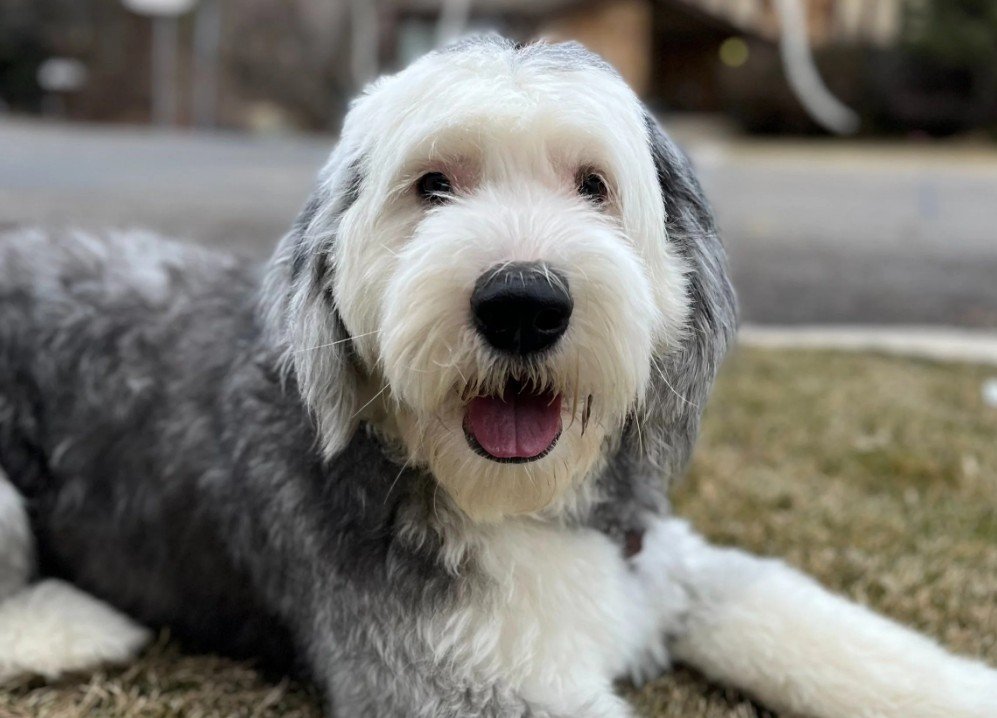
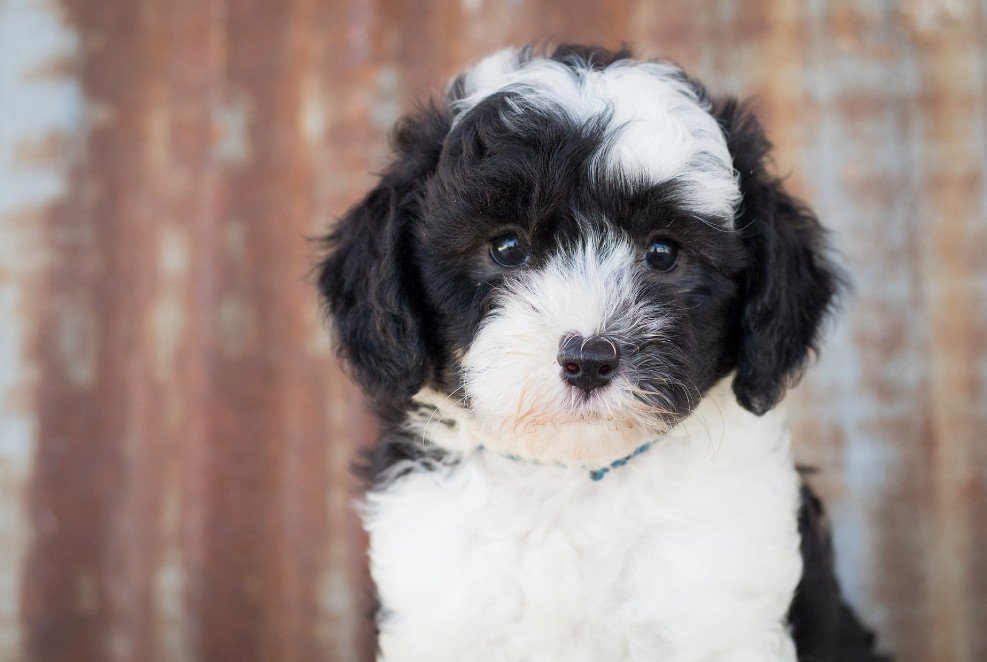
| APPEARANCE | Medium to large dog with a thick, curly coat. Coat colors vary from black, white, gray, and merle, with some having a bicolor or tricolor pattern. |
| LIFE SPAN | 12–15 years |
| HABITAT | Sheepadoodles thrive in a home environment, especially in families with ample space and access to outdoor areas for exercise. |
| DIET | High-quality dog food, including dry kibble or wet food, with a focus on protein. Special dietary needs may vary depending on the dog’s age and health condition. |
| NATURAL PREDATORS | Sheepadoodles do not have natural predators, as they are domesticated pets. |
| COUNTRY | Primarily found in North America, though they have gained popularity worldwide, particularly in Europe and Australia. |
| GESTATION PERIOD | Approximately 63 days, as with most dog breeds. |
| CONSERVATION STATUS | Not applicable as the Sheepadoodle is a domesticated hybrid breed. |
Amazing Facts About Sheepadoodle
1. Hypoallergenic Coat
Thanks to their Poodle parent, Sheepadoodles usually have a thick, curly, or wavy coat that sheds minimally. This makes them an excellent choice for people seeking a hypoallergenic dog for home life. Many families with allergies specifically choose Sheepadoodle puppies for this reason.
2. Friendly and Affectionate
Sheepadoodles are renowned for their loving, gentle, and friendly nature. They thrive on attention from their owners and enjoy being part of family activities. This breed’s affectionate temperament makes it one of the best family dogs.
3. Highly Intelligent
Sheepadoodles inherit remarkable intelligence from both parent breeds. Old English Sheepdogs bring herding instincts, while Poodles contribute problem-solving skills. Their intelligence makes Sheepadoodle training easier, and they excel in obedience and dog sports.
4. Great with Families
Sheepadoodles are superb family dogs. They are gentle with children and usually get along with other pets. Households with multiple family members or other pets often find a Sheepadoodle fits perfectly.
5. Moderate Energy Level
While Sheepadoodles are lively and playful, they are rarely hyperactive. They enjoy daily walks, outdoor play, and interactive games, yet they are content to relax indoors. This moderate energy makes them suitable for families with varying activity levels.
6. Low-Shedding and Easy Grooming
Thanks to their Poodle ancestry, Sheepadoodles shed less than many other breeds. Regular grooming is still essential to prevent matting and to keep their coat healthy and attractive.
7. Excellent with Training
Sheepadoodles are eager to please, which makes obedience and trick training easier than many breeds. Their calm, intelligent nature also makes them suitable for therapy and service dog work.
8. Playful and Fun-loving
Despite their medium-to-large size, Sheepadoodles maintain a playful, puppy-like personality throughout their lives. They love interactive games such as fetch, tug-of-war, and agility challenges.
9. Excellent Companion Dogs
Sheepadoodles form strong bonds with their owners and flourish on human interaction. Their loyalty and affectionate temperament make them one of the best companion dogs for families.
10. Great for Active Lifestyles
Sheepadoodles enjoy outdoor activities and make ideal exercise partners. They thrive on long walks, hiking trips, and swimming sessions, making them perfect for active households.
The Shepadoodle: An Unusual Cross Between the Poodle and German Shepherd
The Shepadoodle is a hybrid dog breed created by crossing a German Shepherd with a Poodle. This mix combines the German Shepherd’s loyalty, intelligence, and protective instincts with the Poodle’s friendly nature and hypoallergenic coat. Families and individuals seeking an intelligent, adaptable, and energetic companion often choose the Shepadoodle as their ideal family dog.
1. Shepadoodle History and Breed Origins
The Shepadoodle is a relatively recent hybrid breed that gained popularity as crossbreeds became widely desired. Breeders aimed to combine the best qualities of two renowned breeds: the German Shepherd and the Poodle. Although no single breeder or specific date is credited with creating the Shepadoodle, the hybrid rose to fame in the 2000s. People wanted dogs with the hypoallergenic qualities of the Poodle and the working-dog intelligence and loyalty of the German Shepherd.
Parent Breed Histories: German Shepherd and Poodle
- German Shepherd intelligence and loyalty: German Shepherds are celebrated for their sharp minds, devotion, and strong work ethic.
They are frequently used in police work, search and rescue, military roles, and service dog duties. - Poodle hypoallergenic coat and trainability: Poodles are known for their hypoallergenic coats, intelligence, and exceptional trainability. Originally bred as water retrievers, Poodles also excel in obedience and dog sports.
- Shepadoodle hybrid traits: The Shepadoodle inherits the best of both breeds: intelligence, friendliness, and loyalty.
This makes them ideal as family dogs, therapy dogs, or service animals.
2. Shepadoodle Physical Attributes and Appearance
Shepadoodles may inherit a variety of traits from their parent breeds, but certain characteristics are consistent across the breed.
Their overall appearance is typically a balanced blend of the German Shepherd and Poodle, giving them a striking, intelligent look.
Dimensions and Weight of Shepadoodles
- Shepadoodles vary in size from medium to large. Typically, they have a shoulder height between 22–27 inches (56–69 cm) and weigh 50–90 pounds (23–41 kg). Male Shepadoodles are generally larger than females, though individual size depends on the genetic mix.
Shepadoodle Coat, Colour, and Hypoallergenic Features
- Due to the Poodle’s influence, Shepadoodles usually have thick, curly, or wavy coats. Their coats shed minimally, making them excellent for families looking for a hypoallergenic dog.
- Shepadoodles come in a variety of colours, including black, white, grey, cream, tan, and merle. Bi-colour or tri-colour patterns are also common, combining two or three shades for a unique look.
Shepadoodle Expression, Face, and Build
- The Shepadoodle’s face is alert, expressive, and intelligent-looking. Their almond-shaped eyes are usually dark, giving them a focused and clever expression. The ears vary from medium to large and are often floppy, depending on whether Poodle or German Shepherd features dominate.
- The Shepadoodle has a long, bushy tail, often held straight or slightly curled, reflecting its mood. Their physique is muscular and well-proportioned, showing both strength and agility, which makes them excellent for active families.
3. Shepadoodle Temperament and Personality Traits
The Shepadoodle’s friendly and devoted personality is one of its most attractive traits. They inherit the intelligence and eagerness to please from both the German Shepherd and the Poodle. At the same time, they may display the German Shepherd’s protective instincts, making them loyal family guardians without sacrificing affection.
Kind, Loving, and Family-Friendly Shepadoodle
- Shepadoodles are affectionate, gentle, and playful. They form close bonds with children and adults alike and thrive in family environments. Their loving nature makes them excellent companions, especially for busy households seeking a social dog.
Protective and Non-Aggressive Behavior
- Thanks to their German Shepherd heritage, Shepadoodles often protect their families and alert owners to potential danger. They are generally non-aggressive and will only act defensively if they feel threatened. Early socialisation is key to raising balanced, well-behaved Shepadoodles who are comfortable around children and other pets.
Intelligence, Trainability, and Dog Sports
- Shepadoodles are highly intelligent and quick learners. Their trainability makes them excellent candidates for obedience training, dog sports, and service work. They enjoy having structured tasks and respond well to consistent guidance and positive reinforcement.
Playfulness and Energy Levels of Shepadoodles
- Shepadoodles have high energy levels and thrive on mental and physical stimulation. They enjoy outdoor activities like swimming, jogging, and playing fetch. Without adequate exercise, they may become bored or develop undesirable behaviours, so daily activity is essential.
4. Shepadoodle Care, Grooming, and Exercise Needs
To keep a Shepadoodle healthy and happy, it is essential to meet their care requirements. These include regular veterinary check-ups, grooming, exercise, and a balanced diet. Proper attention ensures their physical and mental well-being and prolongs their lifespan.

Exercise and Physical Activity Requirements
- Shepadoodles are energetic dogs that require daily exercise to stay fit and happy. They enjoy long walks, jogging, hiking, and interactive play like fetch and tug-of-war. Mental stimulation is equally important, so puzzle toys, obedience training, and agility games are recommended.
- Lack of sufficient physical and mental activity may lead to boredom and destructive behaviour. Active families or owners who enjoy outdoor activities are ideal companions for this breed.
Grooming and Coat Maintenance
- Thanks to their Poodle heritage, Shepadoodles have low-shedding coats, but regular grooming is necessary to prevent mats. Brushing several times a week and professional grooming every 4–6 weeks keeps the coat healthy and tangle-free.
- Regular maintenance also includes cleaning the ears, brushing teeth, and trimming nails. Maintaining good hygiene contributes to overall health and keeps your Shepadoodle comfortable.
Nutrition and Diet for Shepadoodles
- Shepadoodles need a balanced diet suitable for their age, size, and activity level. High-quality protein is essential to support muscle development and energy levels. Premium commercial dog food or a carefully prepared homemade diet works well.
- Active Shepadoodles require sufficient calories to fuel their energy and maintain optimal health. Portion control and monitoring weight help prevent obesity and related health issues.
Health Problems and Veterinary Care
- Hybrid vigour reduces some genetic issues, but Shepadoodles may still be prone to conditions like hip dysplasia, elbow dysplasia, progressive retinal atrophy, and hypothyroidism. Regular veterinary check-ups, a healthy diet, and consistent exercise help prevent and manage these concerns.
- Early detection and preventive care play a critical role in maintaining your Shepadoodle’s long-term health. Responsible ownership ensures a happy, active, and well-adjusted dog.
FAQ (Frequently Asked Questions) about Sheepadoodles
Q: What is a Sheepadoodle?
Ans: A Sheepadoodle is a hybrid dog breed, created by crossing an Old English Sheepdog with a Poodle. They are known for their hypoallergenic coat, friendly personality, and intelligence.
Q: Are Sheepadoodles hypoallergenic?
Ans: Yes, Sheepadoodles are considered hypoallergenic, shedding less than many other breeds. However, people with severe allergies may still react to their coat.
Q: How big do Sheepadoodles get?
Ans: Sheepadoodles are medium to large dogs, typically standing 18–27 inches tall. Their weight ranges from 40–60 lbs, depending on their parent breeds.
Q: Are Sheepadoodles good with children?
Ans: Yes, they are gentle, affectionate, and patient, making them excellent family pets.
Q: Do Sheepadoodles need a lot of exercise?
Ans: Sheepadoodles have moderate energy levels and require daily exercise. Activities like walks, playtime, hiking, and swimming help maintain their health and happiness.
Q: How long do Sheepadoodles live?
Ans: The average lifespan of a Sheepadoodle is 12–15 years, depending on their health, genetics, and care.
Q: How often should I groom a Sheepadoodle?
Ans: Regular grooming is essential to prevent matting. Brush their coat 2–3 times per week and schedule professional grooming every 6–8 weeks.
Q: Are Sheepadoodles easy to train?
Ans: Yes, their intelligence and eagerness to please make training straightforward. Early socialisation and obedience training produce the best results.
Q: Do Sheepadoodles have any health problems?
Ans: They are generally healthy, though they may be prone to hip dysplasia and eye issues. Routine vet visits are essential to catch potential problems early.
Q: Are Sheepadoodles good for first-time dog owners?
Ans: Yes, they are an excellent choice for first-time owners due to their affectionate nature, intelligence, and moderate grooming requirements.
#Sheepadoodle #DoodleDogs #HypoallergenicDogs #PoodleMix #FamilyPets #DogTraining #FriendlyDogs #CuteDogBreeds #LowSheddingDogs
Our sources and references about Sheepadoodles
1: AKC – Sheepadoodle
2: DogTime – Sheepadoodle
3: Petfinder – Sheepadoodle
4: Purina – Sheepadoodle