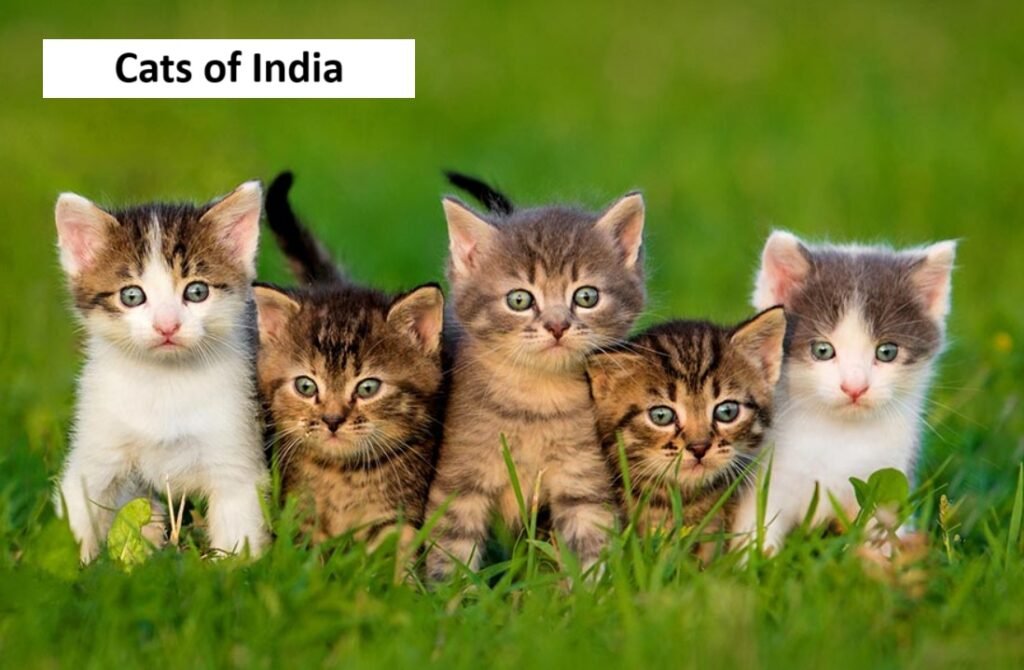
Cultural Significance of Cats in India
Ancient Roots and Mythological Connections
The cultural importance of cats in India may be traced back to ancient times, interweaving closely with the country’s mythology, folklore, and daily life. In Hindu mythology, cats are generally regarded through a mystical lens, considered to hold spiritual characteristics and bring good fortune.
Association with Goddess Durga
The adoration of cats is especially obvious in their link with the goddess Durga, who is typically represented riding a tiger. This relationship raises cats to a position of power, independence, and protection, echoing the admiration for the feline shape in cultural tales.
Cats in Local Myths and Daily Life
Moreover, several local myths and folklore stress the function of cats throughout Indian civilisation. In many regions of India, these creatures are not only appreciated as pets but also considered as defenders of grain and food supplies by keeping rodent populations at bay.
Spiritual and Protective Roles in Indian Belief
In mythology, cats are often viewed as guards against bad spirits, which contributes to their cultural value in rituals and actions aimed at maintaining safety and wealth.
Domestication and Historical Bond
The domestication of cats in India indicates a long-time connection between people and felines, developing from a combination of necessity and devotion.
Symbolism in Spirituality and Philosophy
The symbolic significance of cats also extends to their portrayal of curiosity, agility, and mystery—traits that connect with the rich tapestry of Indian spirituality and philosophy.
The cultural importance of cats in India involves a combination of veneration, pragmatism, and myth, indicating their important role in society from ancient times. Their roots are buried in the traditions and beliefs that continue to define impressions of these interesting animals today.
Diverse Breeds of Cats Found in India
Indigenous Cat Breeds in India
- Indian Billi: Known for its sleek physique, short hair, and wide colour range, this native breed is lively, friendly, and well-suited to Indian environments.
- Khao Manee: Though originally from Thailand, this breed is now cherished in India for its striking blue or odd-coloured eyes and white coat.
Popular Foreign Cat Breeds in India
- Persian Cat: Famed for its long, silky fur and calm nature, it is a preferred pet in homes that favour laid-back companionship.
- Siamese Cat: Recognised for its almond-shaped blue eyes and unique colouring, the Siamese is vocal, social, and thrives in urban households.
Adaptability and Cultural Impact of Breeds
Overall, the numerous kinds of cats found in India represent not just the rich cultural fabric of the country but also the adaptability of these animals to various lifestyles and circumstances. This diverse assortment of breeds adds to the lively pet culture in India, boosting the link between people and their feline pets.
The Life of Stray Cats in Urban India
Challenges Faced by Stray Cats
The metropolitan setting of India creates a unique and frequently difficult habitat for stray cats. These felines, who are regularly seen roaming the streets, endure several challenges, including food deprivation and health-related concerns.
Struggles for Food and Shelter
Food shortage is a significant worry for many kitties. Many depend on the goodwill of local neighbours who sometimes donate crumbs or leftovers. However, this support is rarely regular, resulting in times of starvation and malnutrition.
Health Issues and Lack of Veterinary Care
Health difficulties are further compounded by the absence of veterinary treatment available to stray populations. Common problems among stray cats include parasite infections, dental disorders, and untreated traumas.
Community Support and Welfare Efforts
Fortunately, several community organisations have evolved to help stray cats in urban India. Animal welfare groups and enthusiastic people have launched activities such as:
- Feeding programmes
- Trap-Neuter-Return (TNR) campaigns
Human-Cat Relationships in Urban Areas
Many residents have also built close ties with these strays, perceiving them as friends rather than simply nuisances. Anecdotes abound of communities banding together to provide shelter, support, and affection to these tough cats.
Caring for Cats in Indian Households
Nutrition and Feeding in a Tropical Climate
One crucial part of cat care is selecting adequate food according to the nutritional demands of cats in a tropical environment. While commercial cat food is readily accessible and delivers adequate nutrition, many Indian homes may also consider supplementing their pet’s diet with homemade choices.
Essential Health and Veterinary Care
Health care is another key aspect in good cat care. Regular veterinarian check-ups are crucial for immunisations and parasite prevention. In India, awareness of widespread illnesses like:
- Feline panleukopenia
- Rabies
Importance of Spaying and Neutering
Additionally, spaying and neutering should be addressed to assist in controlling the stray cat population successfully. This promotes both public health and the well-being of your pet.
Dealing with Climate Conditions
Climate provides a particular problem in India, and it is vital to establish a pleasant living environment for indoor cats. Providing adequate shade, fresh water, and air movement aids in minimising heat stress during hot months.
Creating a Stimulating Home Environment
Building secure indoor exploring places may improve a cat’s life, allowing possibilities for play and cerebral stimulation. Utilising:
- Climbing structures
- Scratching posts
- Interactive toys
Top Cat Breeds Suited for India’s Diverse Climate
India’s vast and varied climate, from tropical heat to temperate coolness, demands careful selection of cat breeds that can thrive in these conditions. Below is a curated list of cat breeds that are well-suited to Indian households, considering factors like heat tolerance, grooming needs, and temperament.
1. Indian Shorthair
The Indian Shorthair is a native breed perfectly suited to the country’s diverse climate. Known for its adaptability, minimal grooming needs, and affectionate nature, it makes an ideal family pet across Indian households.
- Climate Adaptability: Naturally acclimatised to India’s hot and humid conditions.
- Coat: Short, sleek fur requiring minimal grooming.
- Temperament: Affectionate and playful, making them excellent companions.
2. Siamese
The Siamese cat is admired for its elegance and vocal personality. With a sleek build and affectionate temperament, it thrives in warmer regions and forms deep bonds with its human companions.
- Climate Adaptability: Thrives in warmer climates due to their sleek, short coat.
- Coat: Low shedding and easy to groom.
- Personality: Social and affectionate, needing interaction and stimulation.
3. Burmese
Originally from Southeast Asia, the Burmese cat is loved for its sociable nature and charming presence. Its short, dense coat and playful personality make it a great fit for warm Indian homes.
- Climate Adaptability: Well-suited for warm temperatures.
- Coat: Short, dense fur that’s easy to maintain.
- Personality: Playful and sociable, enjoys human companionship.
4. Bombay
The Bombay cat, often called a miniature panther, boasts a striking appearance and friendly demeanor. It adjusts well to warmer climates and makes a delightful indoor pet.
- Climate Adaptability: Adaptable to warmer climates.
- Coat: Short, shiny black coat requiring minimal grooming.
- Personality: Affectionate and playful, great indoor companions.
5. Abyssinian
With a regal look and boundless energy, the Abyssinian is one of the oldest known breeds. Its love for exploration and its adaptability to heat make it well-suited for Indian households.
- Climate Adaptability: Adapts well to warm climates.
- Coat: Short, dense coat that’s easy to maintain.
- Personality: Active and curious, enjoys exploring surroundings.
6. Bengal
Known for its wild appearance and dynamic personality, the Bengal cat is both stunning and smart. It flourishes in Indian climates and loves physical activity and interactive play.
- Climate Adaptability: Thrives in warm climates.
- Coat: Short, sleek fur requiring minimal grooming.
- Personality: Energetic and intelligent, enjoys interactive play.
7. Maine Coon
The Maine Coon is a large, affectionate breed with a majestic appearance. Though built for colder weather, it adjusts to India’s climate when cared for properly, and is beloved for its gentle temperament.
- Climate Adaptability: Can adjust well to warmer weather.
- Coat: Thick double coat, water-resistant, requires regular grooming.
- Personality: Friendly and playful, known as “gentle giants”.
8. Persian
Famous for its luxurious fur and serene personality, the Persian cat is a popular indoor pet in India. Though it requires regular grooming, its calm nature makes it a favourite in quieter homes.
- Climate Adaptability: Tolerates Indian weather with regular grooming.
- Coat: Long, luxurious fur requiring daily maintenance.
- Personality: Calm and affectionate, prefers a quiet environment.
9. Sphynx
The Sphynx is an eye-catching, hairless breed that thrives in warm temperatures. Its need for human attention and playful energy make it a unique and engaging pet for the right household.
- Climate Adaptability: Hairless, but can adapt to warm climates.
- Coat: No fur, but requires regular skin care.
- Personality: Affectionate and energetic, enjoys attention.
10. Oriental Shorthair
Closely related to the Siamese, the Oriental Shorthair stands out with its variety of coat colours and sharp intelligence. It is ideal for Indian homes looking for a social and interactive companion.
- Climate Adaptability: Suitable for warm climates.
- Coat: Short and fine, requiring minimal grooming.
- Personality: Social and vocal, enjoys companionship.
11. Indian Bengal Cat
A locally adapted variant of the Bengal, the Indian Bengal Cat blends fascinating looks with high energy. It thrives in India’s heat and is perfect for active families that can provide space and stimulation.
- Climate Adaptability: Ideal for India’s warm temperatures.
- Coat: Short coat, high energy levels.
- Personality: Active and intelligent, requires ample space for play.
12. Himalayan
A cross between Persian and Siamese breeds, the Himalayan combines beauty with calm temperament. With the right grooming routine, it manages well in India’s climate and thrives in serene homes.
- Climate Adaptability: Tolerates Indian weather with regular grooming.
- Coat: Long, luxurious fur requiring daily maintenance.
- Personality: Calm and affectionate, prefers a quiet environment.
Choosing the right cat breed for your home in India involves considering the local climate, the cat’s grooming needs, and its temperament. Breeds like the Indian Shorthair, Siamese, and Bombay are particularly well-suited for the Indian environment, offering a balance of adaptability and companionship. Always ensure that your chosen breed’s needs align with your lifestyle to provide a happy and healthy life for your feline friend.