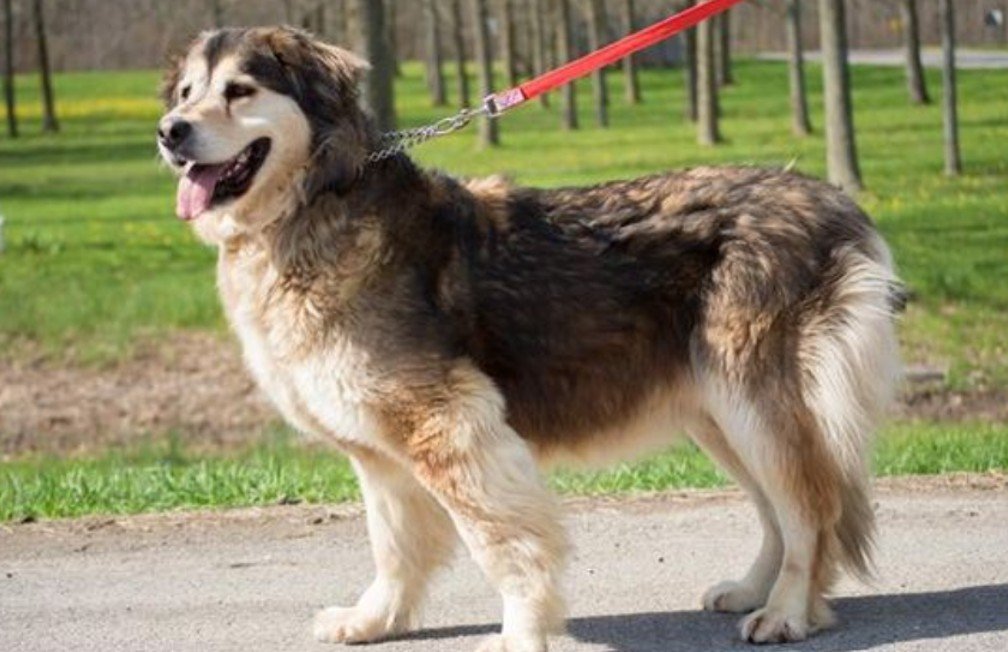
The Saint Shepherd, a crossbreed between the Saint Bernard and the German Shepherd, is a majestic and intelligent dog that combines the best traits of both breeds. These dogs are known for their loyalty, protective nature, and impressive size. They make excellent family pets and working dogs due to their versatility and devotion. While they require consistent training and socialization, Saint Shepherds can thrive in various environments, from active homes to more laid-back households. Their impressive work ethic and affection make them great companions for those who are ready to invest time in their care and development.
Saint Shepherd Scientific Classification
| SCIENTIFIC NAME | Canis lupus familiaris |
| CLASSIFICATION | KINGDOM: Animalia PHYLUM: Chordata CLASS: Mammalia ORDER: Carnivora FAMILY: Canidae GENUS: Canis SPECIES: Canis lupus familiaris |
| SIZE | Height: 24–30 inches (61–76 cm) | Weight: 75–120 pounds (34–54 kg) |
| SPECIES | Saint Shepherd (Saint Bernard x German Shepherd) |
| APPEARANCE | Saint Shepherds are large, muscular dogs with a thick, double coat that can come in a variety of colors, often including shades of brown, black, and white. They have a noble and strong presence. |
| LIFE SPAN | 8–12 years |
| HABITAT | Indoor and outdoor environments; ideal for homes with yards or active lifestyles. |
| DIET | High-quality dog food, lean meats, and vegetables; portion-controlled to maintain weight. |
| NATURAL PREDATORS | None (domesticated animal) |
| CONSERVATION STATUS | Not endangered, but responsible breeding is essential to prevent health issues. |
Amazing Facts About Saint Shepherd
1. Loyal and Protective
Saint Shepherds are known for their loyalty and protective instincts. They are excellent family pets and will often form strong bonds with their owners, making them vigilant and loving companions.
2. Intelligent and Trainable
Thanks to their German Shepherd heritage, Saint Shepherds are highly intelligent and easy to train. They excel in obedience and can learn various commands and tasks quickly, making them great working dogs.
3. A Gentle Giant
Despite their large size, Saint Shepherds are generally gentle and affectionate with their families, including children and other pets. Their calm demeanor makes them a great choice for homes with kids.
4. Great Working Dogs
Combining the Saint Bernard’s rescue instincts and the German Shepherd’s versatility, Saint Shepherds are skilled in various tasks, including search and rescue, therapy work, and even service dog duties.
5. Active and Energetic
Saint Shepherds require regular physical activity to stay healthy and happy. They enjoy long walks, hikes, and play sessions, making them ideal companions for active individuals or families.
6. Excellent Guard Dogs
Their protective nature and imposing size make Saint Shepherds excellent guard dogs. They will defend their family if they sense a threat, while still being approachable and affectionate with those they trust.
7. Short to Moderate Lifespan
The average lifespan of a Saint Shepherd is between 8 and 12 years. With proper care, they can live a long, healthy life, although they may be prone to certain health conditions due to their large size.
8. Social and Friendly
Saint Shepherds tend to be friendly and social dogs, but early socialization is key. They get along well with other animals and people, but they may be cautious around strangers until they’re comfortable.
9. Grooming Needs
Due to their thick double coat, Saint Shepherds require regular grooming to prevent matting and shedding. Brushing a few times a week, along with occasional baths, will help keep their coat healthy.
10. Ideal for Spacious Homes
Because of their size and energy level, Saint Shepherds are best suited for families with ample space, such as homes with large yards or access to outdoor areas where they can stretch their legs.
Breed Info
The Saint Shepherd is a striking hybrid dog, combining the best traits of the Saint Bernard and the German Shepherd. Known for its loyalty, intelligence, and protective nature, this crossbreed is a muscular, large dog with a balanced temperament. Ideal for families, individuals, and anyone seeking a reliable companion, the Saint Shepherd stands out as both affectionate and vigilant.
Overview
The Saint Shepherd is a hybrid breed resulting from the cross between the gentle Saint Bernard and the intelligent, protective German Shepherd. The Saint Bernard contributes calmness, strength, and a loving disposition, while the German Shepherd brings loyalty, alertness, and versatility. This combination produces a well-rounded, large, intelligent, and devoted dog. As a relatively new hybrid, the Saint Shepherd may show variation in appearance, temperament, and health. However, most exhibit a harmonious blend of traits from both parent breeds, making them versatile and loyal companions.
Physical Characteristics
The Saint Shepherd is large, strong, and muscular. Key physical traits include:
Size and Build
These dogs typically weigh 90–120 pounds (41–54 kg) and stand 24–30 inches (61–76 cm) at the shoulder, with males generally larger than females. The Saint Bernard contributes bulk and strength, while the German Shepherd adds athleticism and agility. Overall, the Saint Shepherd has a well-proportioned frame with sturdy musculature.
Coat and Colour
The Saint Shepherd has a thick, double-layered coat. The outer coat is dense, and the undercoat is soft and insulating, providing protection against cold weather. Coat length varies: some dogs inherit the shorter coat of the German Shepherd, while others have the longer, fuller coat of the Saint Bernard.
Common colours include tan, black, brown, and white, often in combinations. Many display the German Shepherd’s black mask and saddle markings, while others inherit Saint Bernard’s white and brown patterns.
Face and Expression
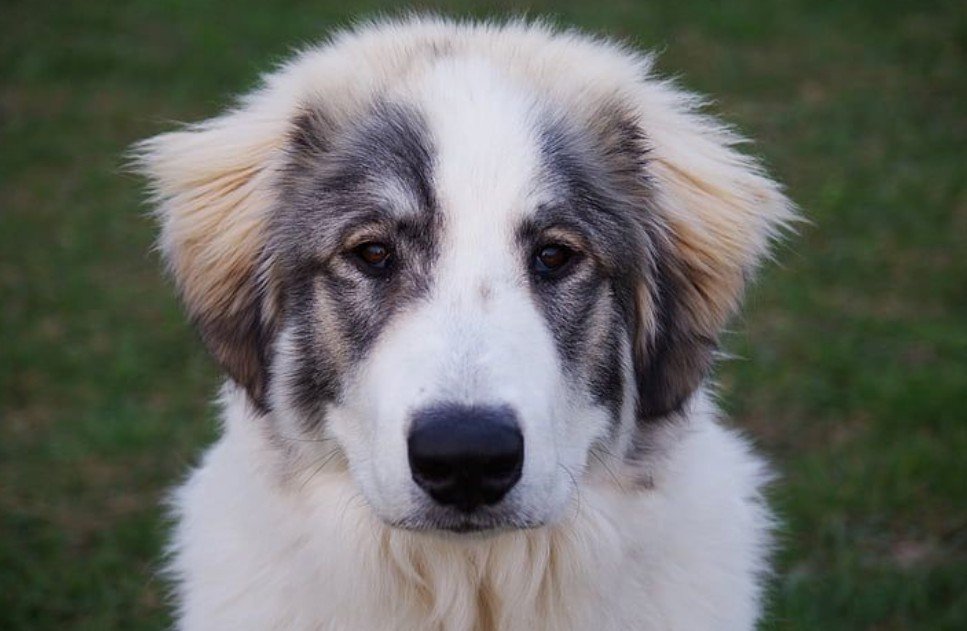
The breed often combines the Saint Bernard’s broad head with the German Shepherd’s alert, intelligent expression. Dark, expressive eyes convey loyalty and intelligence. Ears are medium to large, usually erect when German Shepherd traits dominate. The face may show slight wrinkles around the muzzle, giving a calm but attentive appearance.
Tail
The tail is thick and bushy, typically carried low with a gentle upward curve when alert or in motion. Tail movement often reflects the dog’s mood, with wagging signalling happiness or excitement.
Personality and Temperament
The Saint Shepherd combines protective instincts, loyalty, intelligence, and affection. Common traits include:
Loyal and Protective
These dogs are devoted to their families and natural guardians. They remain alert and wary of strangers, offering protection without unnecessary aggression.
Intelligent and Trainable
Saint Shepherds inherit sharp minds from both parents. They excel in obedience, agility, and other activities that challenge their intelligence. Consistent, reward-based training and early socialisation produce well-adjusted, confident dogs.
Affectionate and Gentle
Despite their protective nature, Saint Shepherds are gentle with family members, particularly children. They often bond strongly with their owners and can coexist with other pets when socialised correctly.
Energetic but Balanced
These dogs enjoy physical and mental stimulation, such as hiking, running, and playing fetch. They can also relax and enjoy downtime with the family, reflecting a balanced temperament.
Exercise and Care
As a large and active breed, the Saint Shepherd requires regular care and exercise:
Exercise Needs
Daily walks, yard play, and occasional hikes are essential to maintain health and prevent obesity. Puppies require moderated exercise to protect developing joints.
Grooming
Grooming depends on coat length. Short-haired dogs need brushing 1–2 times weekly, while long-haired dogs require more frequent grooming. Bathing should be occasional, with regular ear cleaning and dental care.
Diet and Nutrition
A balanced diet suited to large breeds supports healthy bones and joints. Puppies need large-breed puppy food, and feeding schedules should be guided by a veterinarian.
Health Concerns and Lifespan
While hybrid dogs often experience fewer inherited issues than purebreds, Saint Shepherds may be prone to:
- Hip Dysplasia: Improper hip development leading to arthritis.
- Elbow Dysplasia: Misalignment of elbow bones common in large breeds.
- Bloat (Gastric Dilatation-Volvulus): Life-threatening stomach twisting.
- Progressive Retinal Atrophy (PRA): Degenerative eye condition potentially causing blindness.
The average lifespan is 10–12 years, with proper care, diet, and regular veterinary check-ups supporting long-term health.
Saint Shepherd Dog FAQ (Frequently Asked Questions)
Q: How big do Saint Shepherds get?
Ans: Saint Shepherds are large dogs, typically weighing between 75 and 120 pounds and standing 24 to 30 inches tall at the shoulder.
Q: Are Saint Shepherds good with kids?
Ans: Yes, Saint Shepherds are generally gentle and affectionate with children. Their protective nature makes them great family dogs.
Q: How much exercise does a Saint Shepherd need?
Ans: Saint Shepherds are active dogs that require daily exercise, including walks, playtime, and mental stimulation to stay healthy and avoid boredom.
Q: Are Saint Shepherds easy to train?
Ans: Yes, thanks to their German Shepherd heritage, Saint Shepherds are intelligent and highly trainable. Consistent training and positive reinforcement are key to their success.
Q: Do Saint Shepherds have health problems?
Ans: Like many large dogs, Saint Shepherds can be prone to health issues such as hip dysplasia, bloat, and heart problems. Regular vet check-ups and a balanced diet are essential to their well-being.
Q: How long do Saint Shepherds live?
Ans: The average lifespan of a Saint Shepherd is 8 to 12 years, though with proper care, they can live longer.
Q: Are Saint Shepherds good guard dogs?
Ans: Yes, Saint Shepherds are protective by nature and make excellent guard dogs due to their imposing size and loyalty to their family.
Q: Do Saint Shepherds get along with other dogs?
Ans: With early socialization, Saint Shepherds generally get along well with other dogs and animals. However, they can be territorial if not properly introduced.
Q: How much grooming does a Saint Shepherd need?
Ans: Saint Shepherds require regular grooming due to their thick coat. Brushing a few times a week will help keep their fur clean and free from mats.
Q: Are Saint Shepherds easy to maintain?
Ans: While Saint Shepherds are relatively low-maintenance dogs in terms of personality, their size and grooming needs require regular attention. They thrive in environments where they receive plenty of exercise and care.
#SaintShepherd #DogLovers #FamilyDogs #GuardDogs #SaintBernard #GermanShepherd #DogTraining #ActiveDogs #GiantDogs #PetCare
Saint Shepherd Dog Sources and References
1: Wikipedia – Saint Bernard
2: AKC – German Shepherd
3: AKC – Saint Bernard