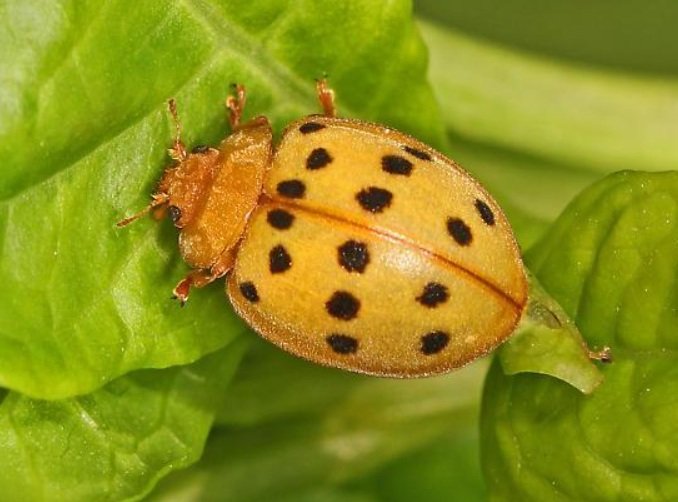
The squash beetle, also known as the Striped Cucumber insect, poses a significant threat to squash plants, wreaking havoc on gardens during the hot summer months. This pest, measuring around 1/4 inch in length, inflicts damage by feeding on leaves, stems, and blossoms, causing wilting and eventual plant death. Moreover, its role in spreading bacterial wilt disease exacerbates the situation, as infected plants succumb to vascular system blockages, hindering nutrient and water uptake.
Squash Beetle Scientific Classification
| SCIENTIFIC NAME | Epilachna borealis |
| CLASSIFICATION | KINGDOM: Animalia PHYLUM: Arthropoda CLASS: Insecta ORDER: Coleoptera (for Squash Beetles like Acanthoscelides obtectus) or Lepidoptera (for Squash Vine Borer) FAMILY: Coccinellidae (for Squash Beetles) or Crambidae (for Squash Vine Borer) GENUS: Epilachna |
| SIZE | Length: 1–2 cm (0.4–0.8 inches) for Squash Beetles; 2–3 cm (0.8–1.2 inches) for Squash Vine Borer larvae |
| HABITAT | Squash Beetles are commonly found in gardens, particularly on crops such as squash, pumpkins, cucumbers, and other cucurbits |
| DIET | Carnivorous (for larvae) and herbivorous (adult Squash Beetles feed on plant sap, while larvae burrow into plants) |
| SPECIES | Squash Beetles, including Squash Bugs and Squash Vine Borers, are major agricultural pests of squash and other cucurbit crops. |
| COUNTRY | Found across North America and parts of Europe and Asia; present in temperate regions where cucurbit crops are grown |
| GESTATION PERIOD | Eggs hatch into larvae after about a week; larvae can take 3–4 weeks to develop into pupae |
| LIFE SPAN | Typically 2–4 weeks as adults; larvae take a few weeks to mature before becoming pupae |
| CONSERVATION STATUS | Not of conservation concern, but considered pests in agriculture due to crop damage |
Squash Beetles Facts
1. They are major pests of squash plants
Squash beetles, particularly the Squash Bug, are known for feeding on the leaves, stems, and fruits of squash plants, causing significant damage to crops.
2. They have piercing-sucking mouthparts
Squash beetles use specialized mouthparts to pierce plant tissue and suck out the sap, which weakens the plant and may cause it to wilt.
3. Squash Vine Borer larvae burrow into plant stems
The larvae of the Squash Vine Borer can tunnel into the stems of squash plants, causing them to collapse and die.
4. They lay their eggs on the undersides of leaves
Adult Squash Bugs lay their eggs on the underside of leaves, where the nymphs hatch and begin feeding on plant sap.
5. They are attracted to cucurbit crops
Squash beetles, especially the Squash Bug and Vine Borer, are particularly attracted to cucurbit crops like pumpkins, zucchini, and cucumbers.
6. Squash beetles can be controlled with insecticides
Insecticides like neem oil, insecticidal soap, and chemical treatments can help manage squash beetle infestations, though natural methods such as hand-picking may also be effective.
7. They are difficult to control due to multiple generations
Squash beetles can reproduce rapidly, with multiple generations occurring during the growing season, making them challenging to control in large gardens.
8. They can cause significant crop loss
If left unchecked, squash beetle infestations can lead to stunted plant growth, wilting, and even the death of entire crops, causing significant economic losses for farmers.
9. They have a strong defensive mechanism
Squash Bugs can produce a strong-smelling fluid as a defense mechanism when disturbed, which can deter predators.
10. Natural predators help control squash beetle populations
Predators such as birds, ladybugs, and parasitic wasps can help reduce squash beetle numbers by feeding on eggs, larvae, and adults.
Pest Overview
The squash beetle is a common garden pest that can cause severe damage to squash plants and other cucurbit crops. Easily recognised by its black and yellow striped body, this insect is often searched online as the striped cucumber beetle pest. Measuring roughly 1/4 inch in length, it feeds aggressively on plant tissue. Effective control relies on squash beetle infestation management strategies such as crop rotation, row covers, and encouraging natural predators like parasitic wasps. Maintaining garden hygiene and applying organic pest control solutions can significantly reduce crop loss and support healthy squash harvests.
Seasonal Damage
Squash beetles are most active during the hot summer months when squash plants are flowering and fruiting. During this period, heavy feeding on leaves, stems, and blossoms can cause plants to wilt, weaken, and eventually die. Because the squash beetle also targets cucumbers and melons, it poses a serious threat to multiple cucurbit crops grown in home gardens and commercial farms.
Disease Spread
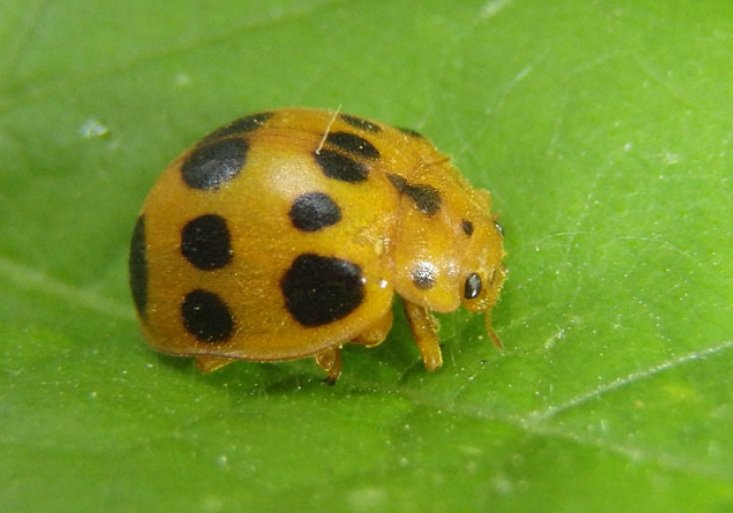
One of the most dangerous aspects of a squash beetle infestation is its role in spreading bacterial wilt disease in squash plants. When the beetle feeds, it transmits bacteria from its digestive system into the plant’s vascular tissue. This infection blocks the flow of water and nutrients, causing sudden wilting and often leading to complete plant collapse.
IPM Methods
Using integrated pest management (IPM) techniques is essential for long-term squash beetle control. Regularly inspecting plants for chewed leaves, wilting vines, and feeding damage allows early detection. Prompt removal and safe disposal of infected plants helps limit both beetle populations and the spread of bacterial wilt.
Prevention Methods
Physical barriers such as floating row covers provide effective protection by preventing adult beetles from reaching squash plants. Organic pest control products like neem oil and pyrethrin sprays are also commonly used to reduce squash beetle populations while minimising harm to beneficial insects.
Garden Practices
Prevention plays a critical role in controlling squash beetle outbreaks. Practising good garden hygiene by removing weeds, plant debris, and old vines reduces overwintering sites. Regular crop rotation further disrupts the squash beetle life cycle, lowering infestation pressure year after year.
Crop Protection
Understanding the squash beetle’s behaviour and impact is essential for protecting squash plants. By applying preventive strategies early and responding quickly to signs of infestation, gardeners can safeguard crops and ensure consistent yields throughout the growing season.
Pest Identification
Adult squash beetles are small insects measuring approximately 1/4 inch long. Their greenish-yellow bodies feature three bold black stripes running lengthwise along the back, with black antennae and head. These distinctive markings make squash beetle identification relatively straightforward for gardeners.
Life Cycle
The squash beetle undergoes four developmental stages: egg, larva, pupa, and adult. Adults emerge in spring and lay eggs near the base of squash plants. After hatching, larvae feed on plant roots, weakening growth before pupating and emerging as adults to restart the cycle.
Plant Damage
Both larval and adult squash beetles cause serious harm to squash plant health. Larvae damage roots, reducing nutrient uptake and stunting growth, while adults feed on leaves, flowers, and fruit, leading to defoliation, poor fruit set, and reduced yields.
Control Strategies
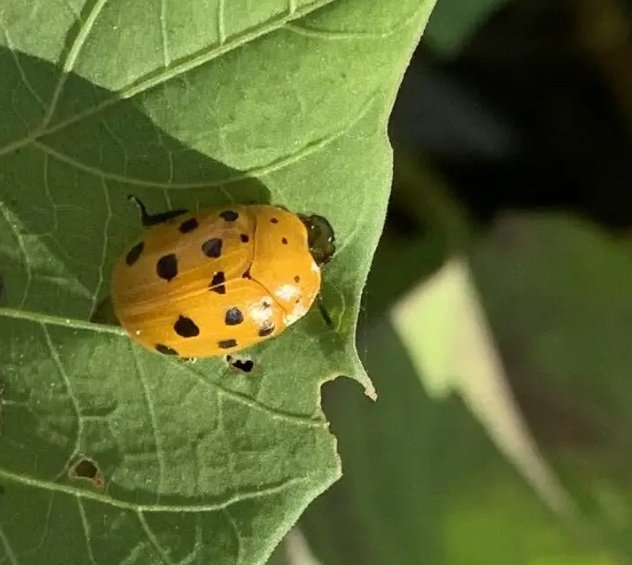
Maintaining healthy squash crops requires a combination of preventive and active squash beetle control methods. The following strategies are widely recommended by integrated pest management experts:
Crop Rotation
Rotating squash crops annually prevents squash beetle populations from building up in the soil. Changing planting locations each season interrupts their breeding cycle and reduces infestation risk.
Row Covers
Floating row covers act as a physical barrier, preventing adult beetles from laying eggs on squash plants while still allowing sunlight and airflow.
Companion Planting
Planting radishes, marigolds, or nasturtiums alongside squash helps repel beetles naturally by emitting compounds that discourage infestation.
Hand Removal
Manually removing squash beetles from plants is effective during early infestation stages, especially in small gardens.
Natural Predators
Encouraging beneficial insects such as parasitic wasps and nematodes helps regulate squash beetle populations naturally without chemical pesticides.
Organic Sprays
When infestations become severe, eco-friendly organic pesticides can be applied carefully to suppress beetle numbers while protecting pollinators.
Final Protection
The squash beetle remains one of the most damaging pests affecting squash crops. By understanding its life cycle, recognising early damage, and applying proven prevention and control techniques, gardeners can protect squash plants and achieve healthy, productive harvests.
FAQ (Frequently Asked Questions) about Squash Beetle
Q: What is a Squash Beetle?
Ans: The Squash Beetle (Diabrotica spp.) is a common pest that affects plants in the squash family, including pumpkins, cucumbers, and zucchini. These beetles are part of the family Chrysomelidae and are known for their distinctive yellow and green coloration. The larvae of the Squash Beetle feed on the roots of plants, while the adults target the leaves and fruits, causing significant damage to crops.
Q: Where does the Squash Beetle live?
Ans: Squash Beetles are commonly found in areas where crops in the cucurbit family (squash, cucumbers, melons) are grown. They are prevalent in agricultural fields, gardens, and farms in North and South America, especially during the growing season. They thrive in warm climates and are often found near vegetable patches and gardens where squash and related plants are grown.
Q: What do Squash Beetles eat?
Ans: Squash Beetles are herbivores that feed on the leaves, stems, and fruits of squash and other cucurbit plants. The larvae primarily feed on the roots of these plants, weakening them and making them more susceptible to diseases. Adult beetles create small, irregular holes in leaves and can cause significant damage to the plants’ foliage, affecting their growth and fruit production.
Q: How big does a Squash Beetle get?
Ans: Adult Squash Beetles are relatively small, measuring around 1/2 inch to 3/4 inch (1.2 to 2 cm) in length. They are typically oval-shaped with a bright yellow or green body that often features black markings or stripes. The larvae are much smaller, appearing as tiny, cream-colored worms or grubs.
Q: Are Squash Beetles harmful to humans?
Ans: No, Squash Beetles are not harmful to humans. They do not bite or sting and are not known to carry diseases that affect humans. However, they can be harmful to plants, particularly crops in the cucurbit family. Their damage can result in reduced harvests, which can be problematic for gardeners and farmers.
Q: How can you control Squash Beetles?
Ans: Control methods for Squash Beetles include a variety of organic and chemical approaches. Natural predators, such as birds and beneficial insects like parasitic wasps, can help control beetle populations. Physical barriers, such as row covers, can be used to prevent the beetles from reaching the plants. Insecticidal treatments, such as neem oil or pyrethrin-based products, can also be effective in controlling adult beetles and larvae.
Q: How does the Squash Beetle damage plants?
Ans: Squash Beetles damage plants in two main ways. The adult beetles feed on the leaves, creating holes and causing wilting and stunted growth. The larvae, which burrow into the soil, damage the roots of plants, which can lead to weakened plants and poor fruit development. Severe infestations can result in the death of the affected plants.
Q: What does the Squash Beetle look like?
Ans: Adult Squash Beetles are typically bright green or yellow with dark markings on their bodies. They have an oval shape and are relatively small in size. The larvae are soft-bodied, cream-colored, and cylindrical, resembling small grubs or worms. The beetles’ coloring helps them blend into the leaves and stems of squash plants, making them harder to detect by predators.
Q: How long do Squash Beetles live?
Ans: The lifespan of a Squash Beetle depends on environmental conditions and the availability of food. In general, adult beetles live for several weeks to a couple of months, while the larval stage can last for several weeks as well. The complete life cycle, from egg to adult, can take between 4 to 6 weeks under ideal conditions.
Q: Are Squash Beetles attracted to other plants?
Ans: While Squash Beetles prefer plants in the cucurbit family (such as pumpkins, squash, melons, and cucumbers), they may also feed on other plants in the same family, including gourds. However, they are not typically attracted to plants outside of this group. The beetles are particularly drawn to the tender foliage of young plants and fruiting vegetables.
#SquashBeetle, #GardenPests, #PlantDamage, #CucurbitPests, #OrganicPestControl, #Farmers, #GardeningTips, #InsectControl, #VegetableGardens, #Beetles, #PestManagement, #FarmPests
Our sources and references about Squash Beetle
1: Wikipedia – Squash Bug
2: Gardening Know How – Squash Bug Pests
3: Planet Natural – Squash Bug Control
4: Better Homes & Gardens – Squash Bugs


