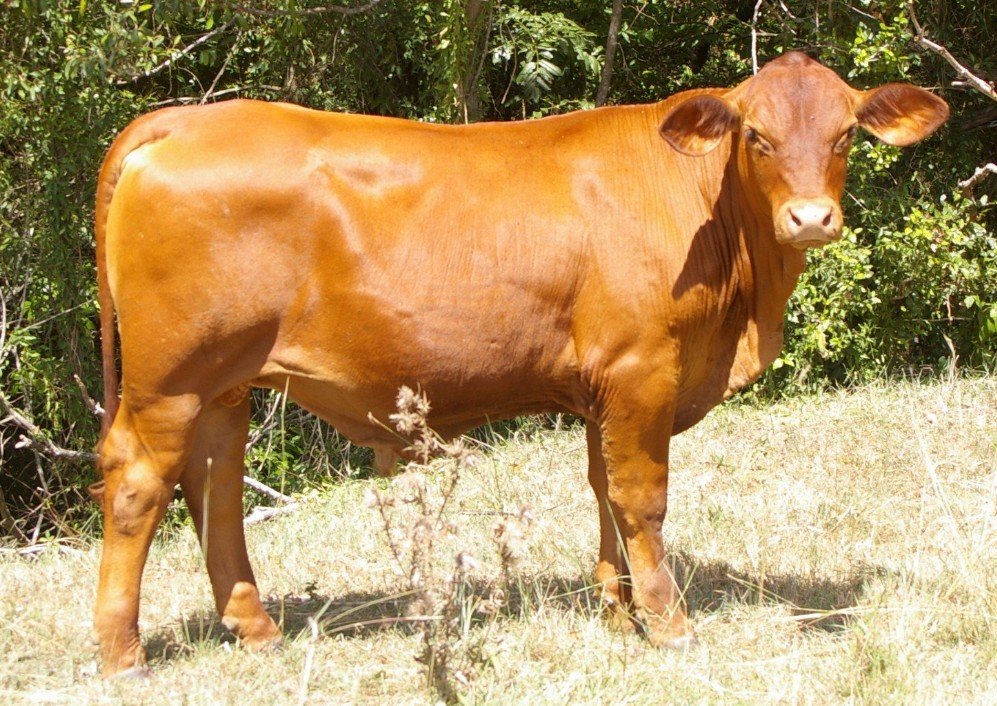
Senepol Cattle are a unique breed known for their hardiness and adaptability, especially in tropical climates. Originating in the Caribbean, these cattle are a crossbreed of the N’Dama and Red Poll cattle. Senepol Cattle are prized for their ability to thrive in hot and humid environments, making them particularly valuable in tropical and subtropical regions. They are primarily raised for beef production due to their excellent meat quality and rapid growth rate.
Quick Top 10 Facts about Senepol Cattle
| SCIENTIFIC NAME | Bos taurus |
| CLASSIFICATION | KINGDOM: Animalia PHYLUM: Chordata CLASS: Mammalia ORDER: Artiodactyla FAMILY: Bovidae |
| SIZE | Height: 1.4–1.5 meters (4.5–5 feet) at the shoulder Weight: 450–700 kg (990–1,540 lbs) |
| SPECIES | Senepol Cattle are a hybrid of the N’Dama and Red Poll cattle breeds. |
| APPEARANCE | Senepol Cattle typically have a solid red coat, with smooth skin and a medium build. They are polled (without horns) and have a docile temperament. |
| LIFE SPAN | Typically 12–15 years, depending on environmental factors and care. |
| HABITAT | Senepol Cattle are typically found in tropical and subtropical climates, especially in regions with hot and humid conditions. |
| DIET | They primarily graze on grass, but may also consume hay, silage, and supplemental feed for optimal growth and milk production. |
| NATURAL PREDATORS | Senepol Cattle, being domesticated, have few natural predators. However, they may be vulnerable to large predators like wild cats or canines in certain areas. |
| COUNTRY | Originated in the Caribbean, particularly in the Virgin Islands, and are now raised in tropical regions worldwide. |
| GESTATION PERIOD | Approximately 280 days (9 months), similar to most cattle breeds. |
| CONSERVATION STATUS | Least Concern (IUCN), as Senepol Cattle are well-established and widely bred in tropical regions. |
Amazing Facts About Senepol Cattle
1. Tropical Adaptability
Senepol Cattle are renowned for their ability to thrive in hot, humid environments. Their short coat and heat-tolerant physiology make them ideal for tropical and subtropical regions.
2. Polled (Hornless)
Unlike many other cattle breeds, Senepol Cattle are naturally polled, meaning they are born without horns. This trait is particularly beneficial for safety in farming operations.
3. High-Quality Beef
Senepol Cattle are highly valued for their meat, which is tender and flavorful. The breed is known for producing high-quality beef that is prized in both local and international markets.
4. Rapid Growth Rate
Senepol Cattle grow quickly, reaching market weight at an earlier age than many other breeds. This trait is highly beneficial for beef production.
5. Hardy and Resilient
These cattle are incredibly hardy and can withstand extreme weather conditions, from scorching heat to tropical storms. They are resistant to diseases that often affect other breeds in hot climates.
6. Docile Nature
Senepol Cattle are known for their calm and docile temperament, making them easier to handle and care for compared to more aggressive cattle breeds.
7. Excellent Reproductive Performance
Senepol Cattle are highly fertile and have a reputation for excellent reproductive performance, with short calving intervals and healthy offspring.
8. Crossbreed of N’Dama and Red Poll
Senepol Cattle are a hybrid breed, created from the cross of N’Dama, a heat-tolerant West African breed, and the Red Poll, a British breed known for its polled nature and high-quality meat.
9. Low Maintenance
These cattle are easy to care for in tropical environments due to their ability to tolerate heat and humidity. They require minimal management, which makes them cost-effective for farmers in such climates.
10. Widely Recognized in Tropical Regions
Senepol Cattle have gained recognition and popularity in tropical regions around the world, including the Caribbean, South America, and parts of Africa and Southeast Asia.
Heat-Tolerant Beef Cattle Breed & Sustainable Livestock
The Virgin Islands’ Caribbean island of Saint Thomas is the birthplace of the Senepol breed of beef cow. Senepol cattle are becoming more and more popular among farmers and ranchers worldwide because to their resilience, heat tolerance, and superior meat. Because of its exceptional adaptability, hardiness, and great meat quality, this breed has become well-known in both tropical and subtropical regions. The history, physical traits, advantages, breeding methods, and management of Senepol cattle will all be covered in this article, along with its significance in sustainable cow production.
1. The History and Origins of Senepol Cattle
When French cattle—more especially, N’Dama cattle—were brought to the Virgin Islands in the early 1800s, Senepol cattle’s history began. In order to produce a new breed of cattle with superior meat quality and disease resistance, these animals were bred with Afrikaner cattle, who are native to Southern Africa. The ensuing progeny served as the basis for the Senepol breed since they were well suited to the tropical environment of the Virgin Islands.
Senepol Breed Evolution & Caribbean Cattle Heritage
- Virgin Islands Origin – Tropical Cattle Breed Development: Senepol cattle originated in the Virgin Islands’ island of Saint Thomas, where they were bred to flourish in hot, humid tropical climes.
- Breed Development – Disease-Resistant Cattle Genetics: The original N’Dama and Afrikaner cattle crossbreeding produced a tough, heat-tolerant, disease-resistant breed with traits of premium meat.
- Expansion to the U.S. – Beef Industry Adoption: Senepol cattle were brought to the United States in the 1980s and quickly gained popularity because to their capacity to thrive in hot conditions, particularly in southern states like Florida, Texas, and Louisiana.
As Senepol cattle have developed further, they are now often used in crossbreeding initiatives to increase the productivity and meat quality of cow herds.
2. Senepol Cattle’s Physical Features
The physical characteristics of Senepol cattle, which range in size from medium to enormous, make them ideal for hot temperatures and tropical settings.
Cattle Size, Muscle Structure & Coat Characteristics
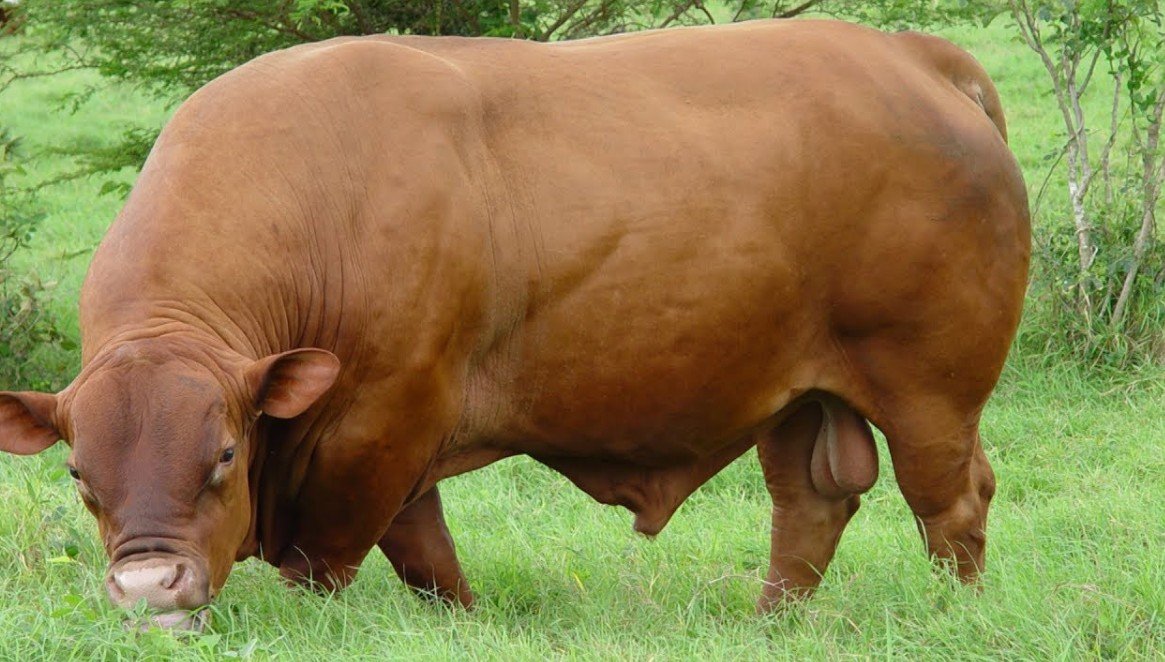
- Size – Medium Frame Beef Cattle Weight: Senepol cattle have a rather compact build and are medium in size. Cows normally weigh between 1,100 and 1,400 pounds (500 and 635 kg), whereas adult bulls typically weigh between 1,800 and 2,200 pounds (820 to 1,000 kg).
- Muscle & Conformation – High-Quality Beef Traits: They are characterised by their broad backs, deep ribs, and well-muscled bodies. Senepol cattle provide high-quality meat because of their strong muscular growth, especially in the loin and rump.
- Colour – Red Coat Cattle Breed: Although some may have light red or brown coats, Senepol cattle usually have solid red coats. Their short, silky coats help them regulate their body temperature and protect them from the sun’s harsh rays.
- Horns – Naturally Polled Beef Breed: Although certain Senepol cattle may develop tiny, inoperable horns, most polled cattle are inherently hornless. Ranchers often choose polled cattle because they are safer and simpler to handle.
Adaptation and Heat Tolerance
Senepol cattle are renowned for their ability to withstand high temperatures. They can withstand hot weather and high humidity because to their short hair, thin skins, and large number of sweat glands. They are thus perfect for areas where other breeds could find it difficult to survive the harsh weather.
Characteristics
Senepol cattle are simple to handle and work with due to their mild nature and docility. Because of these characteristics, they are a great option for ranchers who need a breed that is easier to handle and less hostile.
3. Benefits of Senepol Cattle Production
Cattle ranchers may profit from the Senepol breed in a number of ways, especially in areas with hot temperatures or severe weather. Some of the main benefits of keeping Senepol cattle are listed below:
Environmental Resilience and Heat
- Heat Tolerance – Hot Climate Beef Cattle: Senepol cattle’s short, silky coat and effective heat-regulation systems allow them to flourish in very hot and muggy environments.
- Disease Resistance – Parasite-Resistant Cattle Breed: The breed’s inherent resilience to illness is well-known. Because of its genetic makeup, it is less vulnerable to tropical illnesses that often afflict cattle in tropical areas, such as parasites, fly infestations, and ticks.
Superior Beef – Premium Beef Quality, Marbling & Tenderness
The meat business is looking for premium beef from Senepol cattle because of its lean flesh, marbling, and softness. Senepol animals are known for producing beef with exceptional marbling, which results in juicy and flavourful slices. Marbling is an important component of meat quality.
Quick Development and Feed Effectiveness
Growth Rate: Senepol cattle are renowned for their effective feed conversion and quick growth. Their rapid weight increase enables producers to produce meat more efficiently and with shorter production cycles. Feed Efficiency: The breed is a desirable choice for producers aiming to optimise their herds’ profitability due to its effectiveness in turning feed into body mass.
Efficiency of Reproduction
Senepol cattle are renowned for their ability to reproduce. Cows may give birth to healthy calves on a regular basis and have high fertility rates. This increases the herd’s total output.
4. Senepol Crossbreeding Systems & Hybrid Cattle Performance
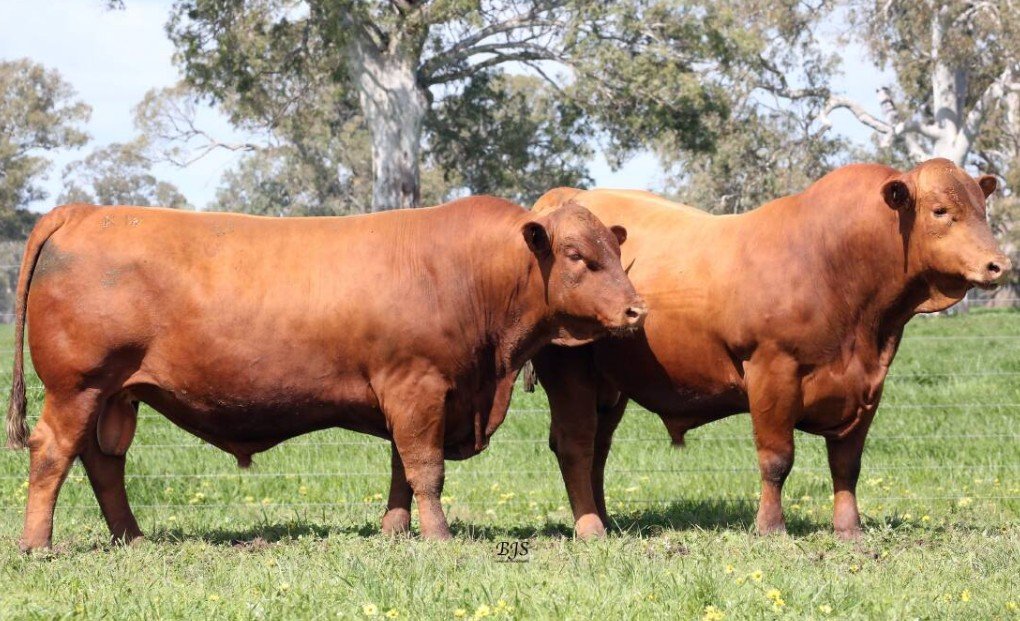
The use of Senepol cattle in crossbreeding initiatives is one of the factors contributing to their recent rise in popularity. Senepol cattle improve the overall performance of the herd when they are crossed with other breeds because they carry on their resilience, heat tolerance, and meat quality to their progeny.
Senepol Hybrid Breeding Strategies
- Senepol X Angus – High-Marbling Crossbred Beef: Senepol and Angus cattle cross frequently. With the marbling and softness that customers like, this combination produces calves that are both very prolific and resistant to illness.
- Brahman X Senepol – Extreme Heat-Tolerant Crossbreed: The Brahman breed, known for its heat resistance, is often crossed with Senepol to further enhance climate resilience.
Without compromising resilience or disease resistance, these crossbreeds provide ranchers a flexible and adaptable choice for a range of production methods, guaranteeing higher meat quality and beef output.
5. Management and Care of Senepol Cattle
Senepol cattle need comparable care as other breeds, with an emphasis on maintaining their health, giving them enough food, and shielding them from inclement weather. However, certain particular considerations are necessary due to their distinct properties.
Consuming Food – Cattle Nutrition, Pasture Feeding & Supplement Strategies
Diet based on pasture: To achieve their nutritional demands, Senepol cattle depend on premium pasture that has a mix of grasses, legumes, and supplements. Supplementation: To make sure the cattle are receiving the proper ratio of nutrients for development and reproduction in areas with poor grass quality, mineral supplements and grain-based diets may be used.
Cattle Health Management & Disease Prevention
Even though cattle are naturally resistant to illness, routine examinations, immunisations, and deworming are crucial to preserving their general health. Cattle must be protected from heat stress in hot areas by having access to shade, cold drinking water, and suitable shelter.
Low-Stress Handling & Ranch Management Practices
Their docile temperament requires careful handling and delicate control. Both the cattle and the personnel are kept safe via the use of protective equipment and proper handling training.
6. Sustainable Beef Production & Climate-Smart Cattle Breeds
In tropical and subtropical regions, Senepol cattle are seen to be a sustainable choice for producing meat. They may flourish in conditions where other breeds would not because of their resilience to illness and heat. They are also a desirable alternative for farmers seeking to increase output while using the fewest resources possible due to their effectiveness in turning feed into body mass and generating premium meat.
Heat-tolerant breeds, such as Senepol cattle, will play an increasingly more important role in guaranteeing sustainable beef production as climate change continues to affect agricultural areas. Farmers will be able to supply the growing demand for premium meat worldwide while reducing the environmental effect of cow production because to the breed’s versatility and resilience.
FAQ (Frequently Asked Questions) about Senepol Cattle
Q: What is a Senepol Cattle?
Ans: Senepol Cattle are a breed of cattle known for their adaptability to hot and humid climates. They are a cross between the N’Dama and Red Poll breeds, prized for their meat quality and heat tolerance.
Q: Where did Senepol Cattle originate?
Ans: Senepol Cattle originated in the Caribbean, particularly in the Virgin Islands, where they were bred to withstand the heat and humidity of tropical climates.
Q: What do Senepol Cattle eat?
Ans: Senepol Cattle are primarily grazers, eating grasses and other vegetation. They may also be supplemented with hay, silage, and additional feed to promote optimal growth.
Q: How long do Senepol Cattle live?
Ans: Senepol Cattle typically live for 12–15 years, depending on their care, health, and environmental factors.
Q: Are Senepol Cattle good for beef production?
Ans: Yes, Senepol Cattle are known for producing high-quality beef. The meat is tender, flavorful, and highly sought after in many markets.
Q: Are Senepol Cattle polled?
Ans: Yes, Senepol Cattle are naturally polled, meaning they do not have horns. This trait makes them safer to handle and reduces the risk of injury to both the animals and farmers.
Q: Can Senepol Cattle survive in hot climates?
Ans: Yes, Senepol Cattle are particularly well-suited to hot, humid climates. They are highly heat-tolerant and can thrive in tropical and subtropical regions.
Q: Are Senepol Cattle endangered?
Ans: No, Senepol Cattle are not endangered. They are widely bred in tropical regions and have a stable population.
Q: How big do Senepol Cattle get?
Ans: Senepol Cattle typically stand about 1.4 to 1.5 meters (4.5–5 feet) at the shoulder and weigh between 450 to 700 kg (990–1,540 lbs).
Q: How long is the gestation period for Senepol Cattle?
Ans: The gestation period for Senepol Cattle is approximately 280 days, similar to most other cattle breeds.
#SenepolCattle #TropicalCattle #BeefProduction #PolledCattle #CattleBreeds #Livestock #TropicalAgriculture #SenepolBeef
Our sources and references about Senepol Cattle
1: Wikipedia – Senepol Cattle
2: ABC – Senepol Cattle
3: Senepol Cattle Association
4: Cattle.org – Senepol