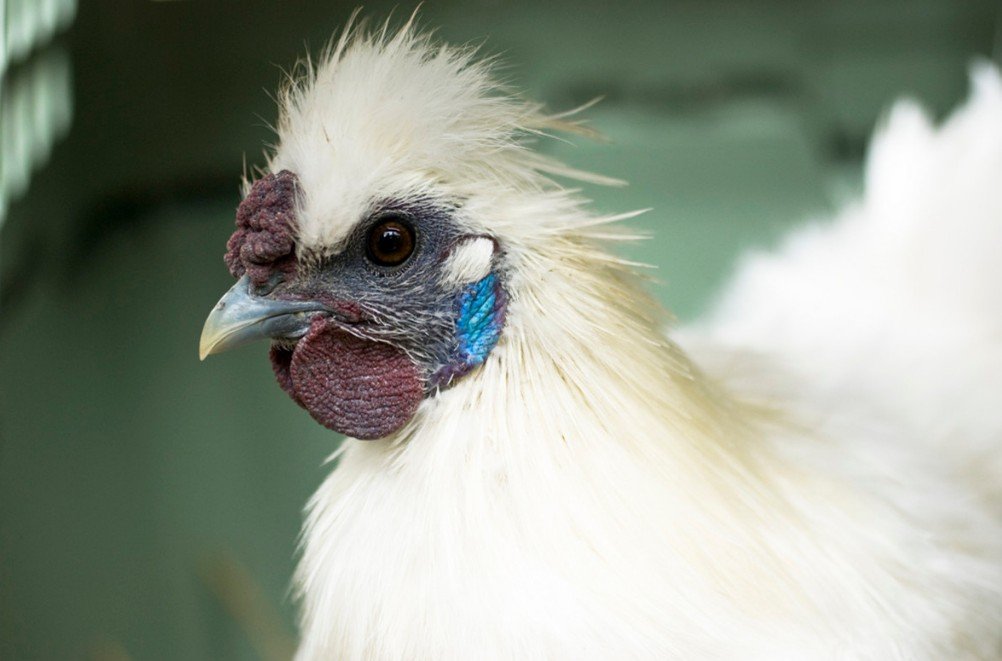
The Silkie Chicken is a unique and well-known breed of chicken recognized for its fluffy, soft plumage that resembles silk. Originating from Asia, this breed is popular not only for its charming appearance but also for its friendly and docile nature. Silkie chickens are often kept as pets due to their gentle temperament and are also raised for their eggs and meat. Despite their small size, Silkie chickens are hardy and can adapt to various climates. Their distinct features, including their black skin, blue earlobes, and feathered feet, make them one of the most recognizable chicken breeds in the world.
Quick Top 10 Facts about Silkie Chicken
| SCIENTIFIC NAME | Gallus gallus domesticus |
| CLASSIFICATION | KINGDOM: Animalia PHYLUM: Chordata CLASS: Aves ORDER: Galliformes FAMILY: Phasianidae |
| SIZE | Height: 25–30 cm (10–12 inches) Weight: 1.4–2 kg (3–4 lbs) |
| SPECIES | Silkie chickens are a domesticated breed, primarily kept for ornamental purposes, as pets, and for eggs. They are also known for their meat, which is prized in some cultures. |
| APPEARANCE | Silkie chickens are best known for their fluffy, soft plumage, which feels like silk. They have black skin, blue earlobes, and a unique crest on their heads. Their feet are feathered, and they often have five toes, unlike most chicken breeds. |
| LIFE SPAN | Typically 9–11 years, depending on care and environment. |
| HABITAT | Silkie chickens can live in various environments, from farms to backyard chicken coops. They are relatively hardy but prefer warm climates due to their lack of feather protection against cold weather. |
| DIET | Silkie chickens are omnivorous, eating a variety of grains, vegetables, and insects. They also require a steady supply of fresh water to stay healthy. |
| NATURAL PREDATORS | Like most chickens, Silkie chickens are susceptible to predators such as foxes, raccoons, hawks, and other birds of prey. It is important to secure their living area to keep them safe from these threats. |
| COUNTRY | Silkie chickens are originally from China, but they are now found worldwide and are popular in many countries, especially in the United States, Europe, and Asia. |
| GESTATION PERIOD | Silkie chickens lay eggs that hatch in about 21 days. The hens are excellent mothers and are known for their strong maternal instincts. |
| CONSERVATION STATUS | Silkie chickens are not considered endangered and are widely bred around the world. However, specific strains of Silkie may face limited availability in certain regions. |
Amazing Facts About Silkie Chicken
1. Unique Plumage
Silkie chickens are famous for their unique, fluffy plumage that feels like silk or fur, which is due to a genetic mutation that affects their feather structure.
2. Black Skin and Bones
One of the most striking features of Silkie chickens is their black skin and bones, which is a result of a genetic trait called “fibromelanosis.”
3. Docile and Friendly Temperament
Silkie chickens are known for being calm and friendly, making them great pets. They are also good with children and other animals.
4. Great Brooders
Silkie hens are excellent mothers and often make very protective and attentive brooders. They are known to hatch eggs for other hens and even ducks.
5. Wide Range of Colors
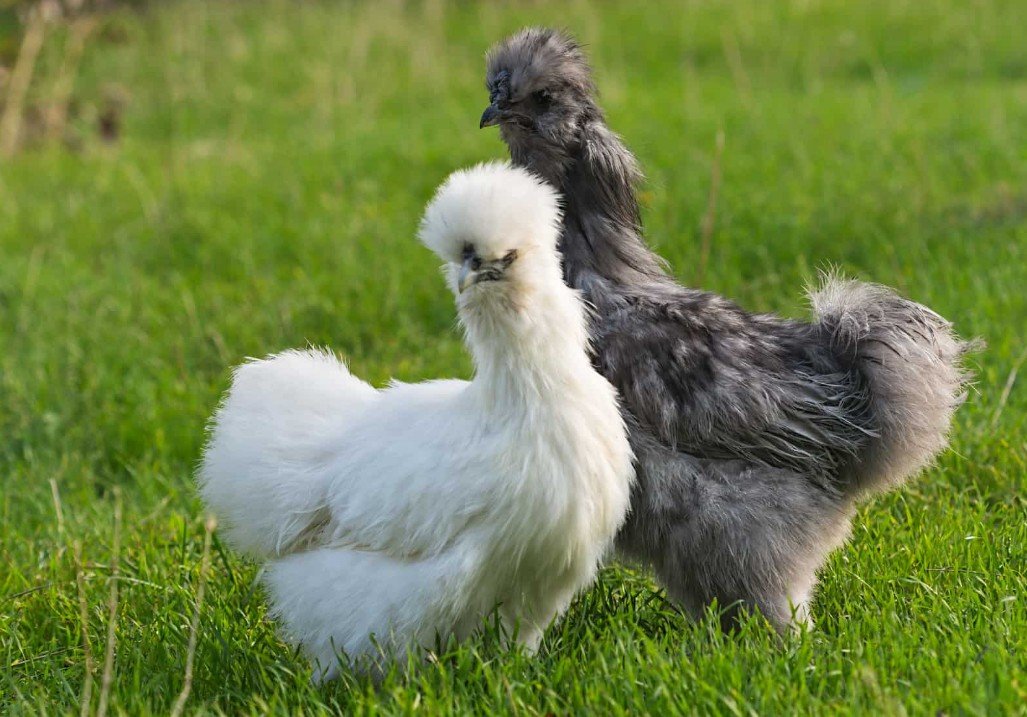
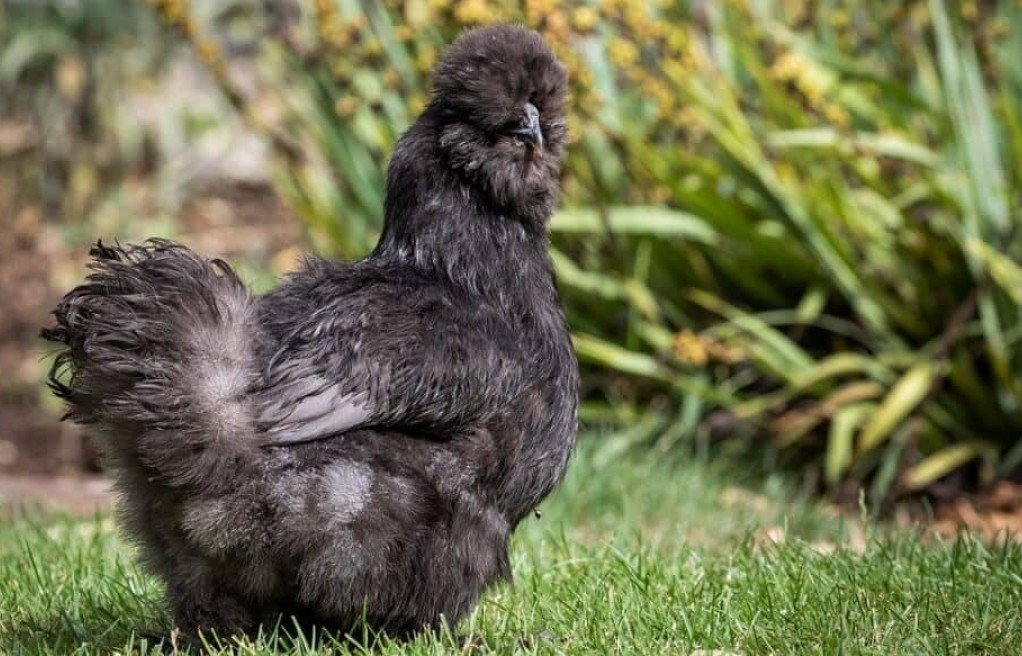
Although their fluffy feathers are typically white, Silkie chickens come in a variety of colors, including black, blue, gray, and even splash (a mix of white and colored feathers).
6. Ancient Breed
Silkie chickens have been bred for thousands of years, with historical records from China dating back to the Tang dynasty. They were prized for their meat and feathers.
7. Small Size
Silkie chickens are smaller than many other chicken breeds, typically weighing between 1.4 and 2 kg (3–4 lbs). This makes them ideal for small backyards or urban farms.
8. Good Egg Layers
Silkie hens are decent egg layers, producing small to medium-sized eggs, typically brown or off-white in color. However, they are not as prolific as some larger breeds.
9. Feathered Feet
Silkie chickens are one of the few chicken breeds with feathered feet, which add to their unique appearance and charm.
10. Resilient but Sensitive
While Silkie chickens are fairly hardy, they are sensitive to cold weather due to their lack of insulating feathers. They are best kept in warmer climates or in well-protected coops during the winter months.
Silkie Chicken Breed: Characteristics & Care Guide
The Silkie chicken remains a popular and unusual breed known for its fluffy feathers, pleasant demeanour, and striking aesthetic appeal. This captivating and useful breed originated in Asia and enthusiasts across the world now value it. People often keep the Silkie chicken for its soft, friendly nature and its unique ornamental beauty. The breed stands among the most well-liked chicken breeds today because owners admire its physical traits, fascinating background, gentle behaviour, and straightforward maintenance requirements.
Silkie Chicken Origin and History
Although experts still debate the Silkie chicken’s exact origin, many historians believe the breed developed in China. Other theories also suggest that India or Southeast Asia may have served as its early home. The renowned explorer Marco Polo wrote the first known account of Silkies in the 13th century. He described these hens as possessing “furry” plumage, which remains the defining characteristic of the Silkie breed.
Cultural Importance and Historical Use of Silkie Chickens
People in China prized the Silkie chicken for its beauty and for flesh believed to offer therapeutic qualities. Farmers also raised them for eggs, which many valued for their delicious flavour and high nutrition despite their small size. Aristocracy and royalty appreciated Silkies, and several historians claim that traditional Chinese medicine used them. The Silkie chicken eventually spread across the globe, including Europe and North America, due to its decorative charm and calm nature. Poultry enthusiasts widely celebrated its unique appearance and dependable temperament.
Recognition and Modern Popularity
In 1874, the American Poultry Association officially recognised the Silkie chicken in the United States. Today, owners mainly keep Silkies for exhibition because of their gentle nature and their ability to adapt well to compact areas. Backyard chicken keepers also appreciate them for their friendly behaviour and manageable size.
Silkie Chicken Physical Characteristics
The Silkie chicken’s distinctive, silky feathers remain among its most remarkable physical features. These feathers appear soft, fluffy, and down-like, giving them a fur-like texture that sets them apart from most other chickens. Below are several other noteworthy physical characteristics of the Silkie chicken:
Feather Texture & Colours
Feathers: The Silkie chicken displays delicate, fluffy feathers as its most recognisable trait. These feathers feel silky because Silkies lack the barbicels that normally hold feather strands together in other birds. Their plumage appears in colours such as black, white, blue, grey, and partridge, giving them a unique visual appeal. Some Silkie chickens even show feathered or bearded feet, which further enhance their charming appearance.
Size and Breed Dimensions
Dimensions: Poultry experts classify Silkies as a small chicken breed. They generally weigh between two and four pounds (0.9 and 1.8 kg). Males, or roosters, usually weigh slightly more than females, or hens. Despite their small size, Silkies adapt well to many environments and remain surprisingly resilient.
Skin Colour and Black Flesh Traits
Skin and Flesh: The Silkie’s dark skin, often appearing blue-black or deep purple, distinguishes it from other breeds. Silkies also possess darker bones, and several cultures believe their black flesh carries unique nutritional or medicinal qualities. This striking colouring remains one of the most remarkable traits of the breed.
Eyes, Comb Shape & Head Features
Eyes and Comb: Silkies typically display very dark brown or black eyes. They also feature a characteristic black or blue-black comb. Their comb is often walnut-shaped, and many Silkies possess muffs and beards, which form feather clusters around the head.
Legs, Feet & Extra Toes
Legs and Feet: Silkie hens usually have short legs covered with feathers. Their feet remain particularly distinctive, as Silkies commonly have five toes instead of the usual four. This extra toe further enhances the breed’s unique appearance.
Silkie Chicken Personality and Temperament
The Silkie chicken’s kind and amiable personality remains one of its most cherished traits. In contrast to many independent or timid chicken breeds, Silkies behave in a loving and obedient manner. Many owners consider them affectionate pets rather than typical farm animals.
Friendly and Social Silkie Chicken Behaviour
Friendly and Social: Silkies behave warmly toward their human carers and other animals. They often enjoy being held or cuddled, which is why people sometimes call them lap chickens. Their sweet, gentle temperament makes them ideal companions for families with children.
Calm and Non-Aggressive
Non-Aggressive: This breed suits owners who want chickens without dealing with aggressive or territorial behaviour. Silkie roosters tend to remain calm and rarely behave aggressively compared with other breeds.
Playful and Curious
Playful and Inquisitive: Although Silkies appear peaceful, they also enjoy exploring their surroundings. They frequently search for food, investigate new spaces, and peck around gardens. Their playful personality increases their charm as backyard companions.
Quiet and Neighbour-Friendly Silkie Chickens
Silent: Silkies stay quieter than many other chicken breeds. They make gentle clucking sounds but rarely produce loud noises. This quiet nature makes them ideal for urban or suburban homes where noise matters.
Silkie Chicken Care, Maintenance & Upkeep
Although caring for a Silkie chicken is fairly simple, owners must consider several factors to keep them healthy:
Housing Requirements
Housing: Silkies may live comfortably in small coops because they remain petite and gentle. They still require a secure outdoor area where they can roam safely and forage naturally. Like most chickens, Silkies enjoy free-ranging when possible, but owners must protect them from predators. A chicken run with a sturdy roof works well for this vulnerable breed.
Feeding & Nutritional Needs
Feeding: Silkie chickens need a balanced diet with premium poultry feed and fresh water. They sometimes enjoy fruits, vegetables, and mealworms as healthy treats. Owners should consistently provide clean food, fresh water, and grit to support proper digestion.
Health Care & Grooming Tips
Health and Grooming: Despite their resilience, Silkies require regular grooming because their fluffy feathers may mat. Combing their feathers helps maintain their best appearance. Owners should also check their feathered feet regularly to prevent debris build-up that may cause discomfort or infection.
Chicken Health Issues
Although Silkies remain generally healthy birds, their dense plumage may increase vulnerability to parasites and respiratory issues. Routine health checks, vaccinations, and good hygiene help maintain their wellbeing.
Silkie Chicken Egg Production & Breeding Traits
Although Silkies are not as productive as commercial laying breeds, many still make excellent layers. Silkie chickens may lay two to three eggs each week, depending on the season and individual hen. Their eggs typically appear small and white or cream-coloured. Silkies also excel as broody hens because of their gentle temperament. They willingly incubate their own eggs as well as eggs from other chicken breeds.
FAQ (Frequently Asked Questions) about Silkie Chicken
Q: What is a Silkie Chicken?
Ans: A Silkie Chicken is a breed of domestic chicken known for its unique fluffy plumage, black skin, and friendly nature. They are often kept as pets, ornamental birds, and for eggs and meat.
Q: How big do Silkie Chickens get?
Ans: Silkie chickens are small, typically weighing between 1.4–2 kg (3–4 lbs) and standing around 25–30 cm (10–12 inches) tall.
Q: What color are Silkie Chickens?
Ans: Silkie chickens can come in a variety of colors, including white, black, blue, gray, and splash (a mix of colors).
Q: Are Silkie Chickens good for egg production?
Ans: Silkie hens are not the most prolific egg layers, but they do lay small to medium-sized eggs and can be excellent mothers for hatching other eggs.
Q: How long do Silkie Chickens live?
Ans: Silkie chickens typically live for 9–11 years when properly cared for in a safe environment.
Q: Are Silkie Chickens good pets?
Ans: Yes! Silkie chickens are known for their docile and friendly temperament, making them great pets for families and even good companions for children.
Q: Do Silkie Chickens have any special care needs?
Ans: Silkie chickens do require a bit more care than other breeds, especially when it comes to protecting them from cold weather due to their lack of insulation. They also need a safe, secure space to prevent them from being preyed upon.
Q: Can Silkie Chickens fly?
Ans: Silkie chickens can fly short distances, but they are not as strong in flight as other breeds due to their smaller size and feathered feet.
Q: Where did Silkie Chickens originate?
Ans: Silkie chickens are believed to have originated in China, with their first records dating back to the Tang dynasty.
#SilkieChicken #ChickenBreeds #BackyardChickens #PetChickens #SilkFeathers #Poultry #FarmAnimals #PoultryCare #ChickenLovers
Our sources and references about Silkie Chicken
1: The Poultry Site – Silkie Chicken
2: Backyard Chickens – Silkie Chicken Breed Guide
3: Hobby Farms – Silkie Chickens
4: My Pet Chicken – Silkie Breed Information