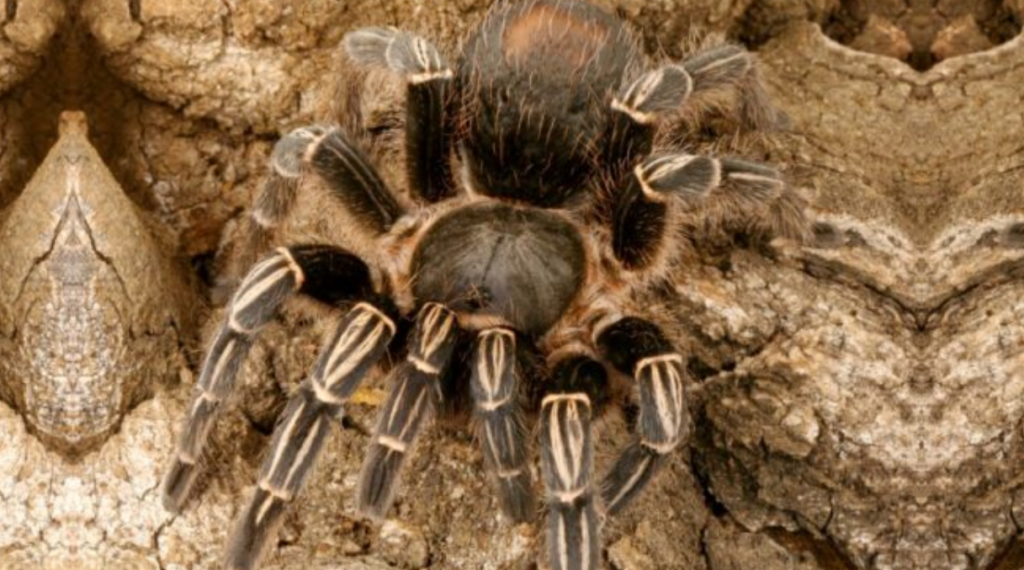
The Skeleton Tarantula is a fascinating species of tarantula known for its distinctive, skeletal-like appearance. Native to the deserts of the southwestern United States and parts of Mexico, this species is primarily ground-dwelling and nocturnal. Its body is covered with fine hairs that help it sense its surroundings and detect prey. Despite its intimidating appearance, the Skeleton Tarantula is relatively docile and often used in the exotic pet trade.
Quick Top 10 Facts about Skeleton Tarantula
| SCIENTIFIC NAME | Hapalopus sp. Columbia |
| CLASSIFICATION | KINGDOM: Animalia PHYLUM: Arthropoda CLASS: Arachnida ORDER: Araneae FAMILY: Theraphosidae |
| SIZE | Body Length: 5–7 cm (2–3 inches), leg span: up to 12 cm (4.7 inches) |
| SPECIES | The Skeleton Tarantula is part of the larger Theraphosidae family, which contains over 1,000 species of tarantulas worldwide. |
| APPEARANCE | Known for its light-colored, skeletal appearance, the Skeleton Tarantula has a pale, almost translucent body with dark patterns on its legs and abdomen, resembling a skeleton. |
| LIFE SPAN | Females can live up to 20 years, while males typically live only 5–7 years. |
| HABITAT | Skeleton Tarantulas are typically found in arid regions, including deserts, grasslands, and scrublands, where they dwell in burrows or under rocks. |
| DIET | They are carnivores, primarily feeding on insects like crickets, beetles, and grasshoppers. They may also consume small vertebrates like lizards or frogs. |
| NATURAL PREDATORS | Birds, larger mammals, and other predatory spiders pose the primary threats to Skeleton Tarantulas in the wild. |
| COUNTRY | Skeleton Tarantulas are native to parts of the southwestern United States and northern Mexico. |
| GESTATION PERIOD | The eggs are laid in a sac and typically take around 6 to 8 weeks to hatch, depending on environmental conditions. |
| CONSERVATION STATUS | Currently, the Skeleton Tarantula is not listed as endangered, though its habitat may be threatened by urban expansion and habitat destruction in certain areas. |
Amazing Facts About Skeleton Tarantula
1. Distinctive Skeleton-Like Appearance
The Skeleton Tarantula’s appearance is its most defining feature. It has a light-colored, almost skeletal pattern on its body and legs, providing it with excellent camouflage in its desert environment.
2. Nocturnal Behavior
Like many tarantulas, the Skeleton Tarantula is nocturnal, spending its days hidden in burrows or under rocks and becoming active at night to hunt for food. These spiders are carnivorous, preying on insects and small animals, and have a specialized set of behaviors to capture and immobilize their prey.
3. Venomous, but Not Dangerous to Humans
While the Skeleton Tarantula does have venom to subdue prey, its venom is not considered harmful to humans. It may cause mild pain and swelling if bitten, but it is generally not dangerous.
4. Tailored Hunting Strategy
Skeleton Tarantulas are ambush predators. They wait in their burrows or under rocks and quickly strike when prey comes within reach, using their powerful fangs to immobilize their meals.
5. Capable of Regenerating Limbs
Like other tarantulas, the Skeleton Tarantula can regenerate lost legs through a process called molting. This helps them recover from injury in the wild.
6. Slow Movers
Tarantulas, including the Skeleton Tarantula, are not particularly fast movers. They rely on their ability to stay hidden and wait for prey to come to them.
7. Excellent Lifespan in Captivity
Skeleton Tarantulas can live for up to 20 years in captivity, especially when kept as exotic pets. This is much longer than the average lifespan of males in the wild.
8. Solitary Creatures
Skeleton Tarantulas are solitary and territorial, with each individual maintaining its own burrow or hiding spot. They typically only come together during the mating season.
9. Silent Hunters
Unlike many predators, Skeleton Tarantulas rely on their keen sense of touch and vibrations to detect prey. They are silent hunters, relying on stealth and patience to capture their meals.
10. Popular in the Exotic Pet Trade
The Skeleton Tarantula is a popular species in the exotic pet trade due to its fascinating appearance and relatively docile nature when handled correctly.
A Fascinating Arachnid Skeleton Tarantula
The Skeleton Tarantula, scientifically known as Heteroscodra maculata, is a striking and relatively rare species of tarantula that belongs to the family Theraphosidae. Named for its distinctive appearance, this species is known for its skeleton-like pattern on its body, which makes it both intriguing and intimidating to arachnid enthusiasts. Native to the tropical regions of West Africa, the Skeleton Tarantula is gaining attention due to its unique characteristics, including its behavior, venom, and care requirements for keeping it as a pet.
Physical Characteristics of the Skeleton Tarantula
Overview of Appearance
The Skeleton Tarantula is best known for its striking appearance, which makes it one of the most visually captivating species of tarantula. Its bold color pattern and muscular physique are key features that make it stand out in the tarantula world.
Size and Build
- Females typically reach a leg span of 6 to 8 inches (15 to 20 cm).
- Males are generally smaller and have more slender bodies.
- Their size contributes to their intimidating presence.
Coloration and Pattern
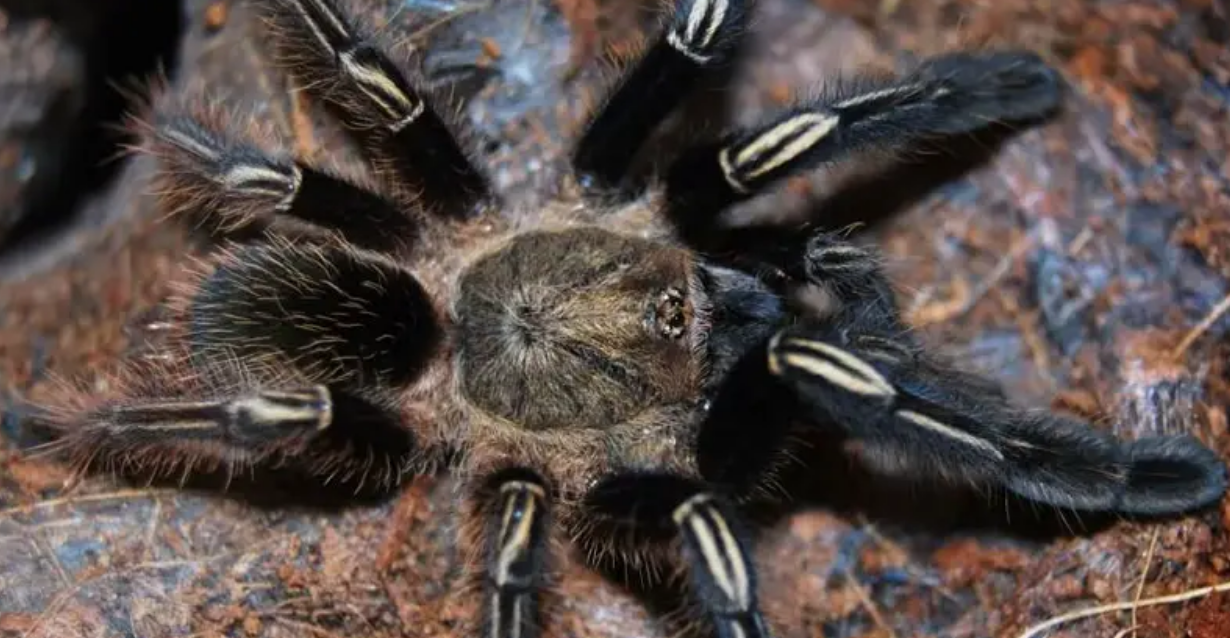
- Dark brown or black base coloration with light markings on legs and carapace.
- Markings can be white, cream, or pale yellowish, resembling skeletal structures.
- Patterns vary from spider to spider, making each unique.
Hair and Spines
- Possesses urticating hairs that can irritate predators or threats.
- Not as heavily armed with these hairs as other tarantula species.
- Uses hair defensively when provoked or threatened.
Habitat and Distribution
Native Environment
The Skeleton Tarantula is native to the tropical and subtropical regions of West Africa, found in countries like Liberia, Sierra Leone, and parts of the Ivory Coast. It thrives in rainforest habitats with high humidity levels.
Living Habits in the Wild
- Commonly inhabits forest floors, hollow trees, and rock crevices.
- Constructs silk-lined burrows for safety and comfort.
- Adaptable to arboreal (tree-dwelling) and terrestrial environments.
Nocturnal Behavior
- Most active during the evening and night hours.
- Hides in burrows during the day to avoid predators and heat.
- Hunts by ambushing prey from hidden shelters.
Behavior and Temperament
Aggressiveness and Suitability as a Pet
The Skeleton Tarantula is known for its aggressive and skittish temperament, making it less suitable for beginner tarantula owners. Though fascinating to watch, its defensive nature demands respect and caution.
Defensive Responses
- Displays defensive postures like rearing and fang-showing.
- May attempt to bite if provoked or cornered.
- Can flick urticating hairs as a deterrent.
Burrowing and Webbing Behavior
- Builds silk-lined burrows for safety and nesting.
- Uses webbing around shelter entrances and exits.
- Can alternate between arboreal and burrowing lifestyles depending on the environment.
Hunting and Feeding Habits
- Feeds on insects, other arachnids, and small vertebrates.
- Hunts by ambush, waiting for prey movement near the burrow.
- Injects venom to subdue and digest prey.
Venom and Bite
Venom Composition and Effect on Prey
The venom of the Skeleton Tarantula is composed of enzymes and toxins that help break down prey tissues for ingestion. It is effective in immobilizing a wide range of prey species.
Human Interaction and Bite Effects
- Bites are generally not dangerous to humans.
- May cause localized pain, redness, swelling, or tingling.
- More severe allergic reactions are rare but possible in sensitive individuals.
Safety and Handling Precautions
- Handle only when necessary and with tools like tongs or a transport cup.
- Due to its defensiveness, avoid direct contact, especially by beginners.
- Always supervise handling sessions and ensure calm surroundings.
Care Requirements for Keeping a Skeleton Tarantula as a Pet
Suitability for Experienced Keepers
This species is best kept by experienced arachnid enthusiasts who understand the specific needs of more aggressive and high-maintenance tarantulas.
Enclosure Specifications
- Use a terrarium with both vertical and horizontal space for climbing and burrowing.
- Ensure a secure lid, as they are skilled climbers.
- Substrate options include coconut fiber or peat moss for burrowing.
Temperature and Humidity Needs
- Maintain temperatures between 75–80°F (24–27°C).
- Keep humidity levels at 60–70% using misting and a water dish.
- Avoid excess moisture to prevent mold and fungus.
Feeding Guidelines
- Feed a diet of crickets, roaches, and mealworms.
- Juveniles require smaller prey, while adults can eat larger insects or small vertebrates.
- Do not overfeed, as it may lead to obesity or molting issues.
Handling and Interaction
- Not recommended for beginners due to defensive behavior and speed.
- If handling is necessary, use extreme care and appropriate tools.
- Minimize stress by avoiding frequent handling.
FAQ (Frequently Asked Questions) about Skeleton Tarantula
Q: Are Skeleton Tarantulas dangerous to humans?
Ans: Skeleton Tarantulas are not dangerous to humans. While they do have venom, it is not harmful to people, although a bite may cause mild pain and swelling.
Q: What do Skeleton Tarantulas eat?
Ans: Skeleton Tarantulas are carnivores, primarily eating insects like crickets, grasshoppers, and beetles, and sometimes small vertebrates like lizards or frogs.
Q: How long do Skeleton Tarantulas live?
Ans: Female Skeleton Tarantulas can live up to 20 years, while males typically have a shorter lifespan of 5–7 years.
Q: Can Skeleton Tarantulas regenerate limbs?
Ans: Yes, like other tarantulas, Skeleton Tarantulas can regenerate lost limbs through the process of molting.
Q: Where are Skeleton Tarantulas found?
Ans: They are found in the deserts and scrublands of the southwestern United States and northern Mexico.
Q: Are Skeleton Tarantulas kept as pets?
Ans: Yes, Skeleton Tarantulas are popular in the fascinating pet trade, known for their docile nature and unique appearance.
Q: How do Skeleton Tarantulas defend themselves?
Ans: Besides using venom to immobilize prey, Skeleton Tarantulas rely on their ability to hide and remain camouflaged to avoid predators.
Q: Do Skeleton Tarantulas live in groups?
Ans: No, Skeleton Tarantulas are solitary creatures and are territorial, usually only interacting with others during the mating season.
Q: What is the habitat of Skeleton Tarantulas?
Ans: They are typically found in arid, desert environments, where they dwell in burrows or under rocks to stay cool and protected.
Q: Can Skeleton Tarantulas be handled?
Ans: Yes, Skeleton Tarantulas can be handled with care, but they should be treated gently and not stressed. Handling should be kept to a minimum to avoid stress.
#SkeletonTarantula #Tarantulas #ExoticPets #SpiderFacts #Arachnids #DesertWildlife
Our sources and references about Skeleton Tarantula
1: Wikipedia – Skeleton Tarantula
2: National Geographic – Skeleton Tarantula
3: Britannica – Tarantulas
4: Exotic Pet Store – Skeleton Tarantula Care