Squirrels are small to medium-sized rodents known for their bushy tails and agile climbing abilities. Found in forests, urban areas, and grasslands worldwide, they are known for their habit of gathering and storing food, particularly nuts. These rodents are highly adaptable, with various species occupying different habitats, from woodlands to city parks. Squirrels play a vital role in their ecosystems by dispersing seeds and helping to maintain the balance of plant life.
Quick Top 10 Facts about Squirrel
| SCIENTIFIC NAME | Family: Sciuridae (includes multiple genera such as Sciurus, Tamiasciurus, and Callosciurus) |
| CLASSIFICATION | KINGDOM: Animalia PHYLUM: Chordata CLASS: Mammalia ORDER: Rodentia FAMILY: Sciuridae |
| SIZE | Body length: 20–60 cm (8–24 inches); Tail length: 20–50 cm (8–20 inches); Weight: 250–1,000 g (0.5–2.2 lbs) |
| SPECIES | Over 200 species, including tree squirrels, ground squirrels, and flying squirrels |
| APPEARANCE | Small, furry bodies with large bushy tails; colors range from gray and brown to black and red, depending on species |
| LIFE SPAN | Up to 9 years in the wild, but typically around 3–6 years due to predators and other factors |
| HABITAT | Woodlands, forests, urban parks, and gardens |
| DIET | Omnivorous – primarily nuts, seeds, fruits, and occasionally small insects or bird eggs |
| NATURAL PREDATORS | Hawks, owls, snakes, foxes, and domestic pets like cats and dogs |
| COUNTRY | Found in North America, Europe, Asia, and parts of Africa and Australia |
| GESTATION PERIOD | About 38–46 days, depending on the species |
| CONSERVATION STATUS | Most species are of Least Concern, but some species face threats due to habitat destruction |
Amazing Facts About Squirrel
1. Tree Climbers
Squirrels are exceptional climbers, using their sharp claws and long bushy tails for balance while navigating trees and other vertical surfaces.
2. Excellent Jumpers
They can leap up to 10 times their body length between branches, aided by their strong hind legs.
3. Great Memory
Squirrels have a remarkable memory when it comes to locating their food caches. They hide food, often in multiple locations, to survive through the winter months.
4. A Wide Range of Species
There are more than 200 species of squirrels, including tree squirrels, ground squirrels, and flying squirrels, each adapted to different environments.
5. Nut Lovers
Squirrels are well-known for their love of nuts, particularly acorns, which are a staple in their diet.
6. Flying Squirrels
Flying squirrels don’t actually “fly.” They glide using a membrane of skin between their forelegs and hindlegs, helping them glide from tree to tree.
7. Squirrel Teeth
Like all rodents, squirrels have four sharp, ever-growing incisors that they must gnaw on objects to keep them from growing too long.
8. Communication with Tails
Squirrels use their bushy tails to communicate with one another, signaling danger or aggression with tail flicks or rapid movements.
9. Agile and Quick
They are known for their agility and speed, enabling them to quickly escape predators or move between trees.
10. Vital Role in Forest Ecology
Squirrels contribute to seed dispersal and help maintain the health of forests by burying nuts, which sometimes grow into new trees.
Overview of Squirrels: Agile Rodents Found Across the Globe
Small to medium-sized rodents, squirrels are members of the Sciuridae family and are distinguished for their agility, bushy tails, and vivacious dispositions. They are among the most well-known creatures because to their extensive global distribution and ability to live in a variety of environments, including urban parks and deep woods. Squirrels, which number more than 200 species, have adapted to a wide range of environments and are now often seen in both urban and rural settings.
In addition to some entertaining and surprising facts about these amazing animals, this comprehensive book will examine the biology, habitats, behaviour, cuisine, species, and conservation status of squirrels.
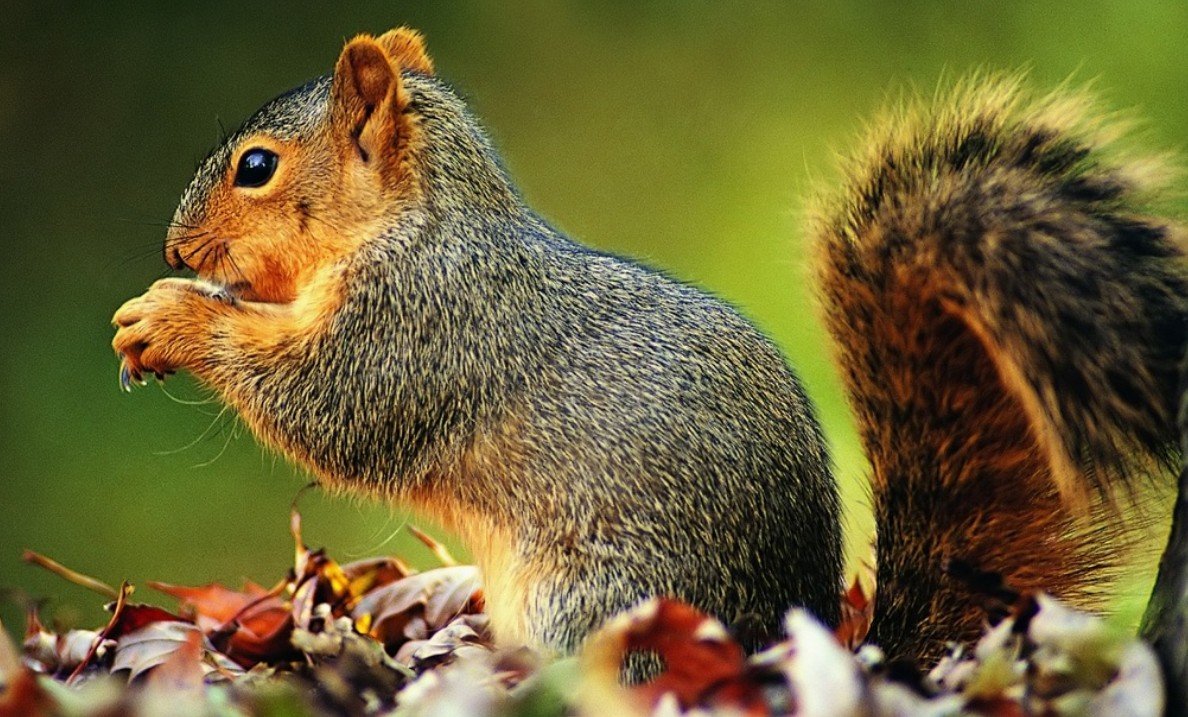
What is a Squirrel? Definition and Key Characteristics
Squirrel Classification and General Traits
The Sciuridae family of rodents includes squirrels, which range in size from little to larger. The main characteristics of these creatures are their bushy tails, keen claws, and quickness. Almost every continent is home to squirrels, who flourish in a variety of habitats, including as grasslands, woodlands, and even cities. Squirrels are classified into three main groupings, with over 200 species:
- Tree Squirrels: Common in urban parks and wooded areas, these agile climbers live in trees and are known for their acrobatic prowess.
- Ground Squirrels: Living in burrows and tunnels, they are excellent diggers and less arboreal than their tree-dwelling counterparts.
- Flying Squirrels: These gliders use patagia (skin membranes) to move between trees, though they do not truly fly.
The body length of a squirrel normally ranges from 10 cm to 60 cm (4 to 24 inches), and they are distinguished by their long, bushy tails, which may reach the length of their bodies. Depending on the species, they may have grey, red, brown, or even black fur.
Squirrel Anatomy and Physical Adaptations
Distinctive Features Enabling Survival and Agility
Squirrels have a number of distinctive physical characteristics that enable them to flourish in a range of settings:
- Bushy Tail: A multipurpose tool for balance, thermoregulation, and communication.
- Sharp Claws: Curved and strong, perfect for climbing trees and gripping food or surfaces.
- Ever-Growing Teeth: Their incisors grow throughout life, requiring constant gnawing on hard items like bark and nuts.
- Advanced Hearing and Vision: Excellent senses allow detection of predators like owls, snakes, and hawks.
- Patagia in Flying Squirrels: Skin membranes help them glide between trees, enhancing mobility and survival.
Global Distribution and Varied Habitats of Squirrels
Where Squirrels Live and How They Adapt to Different Environments
Around the world, squirrels may be found in a variety of settings, including urban parks and woodlands. Usually, they live in settings with plenty of trees, open spaces, or burrowing holes. Let’s investigate the habitats of several squirrel species:
- Tree Squirrels: Arboreal dwellers of forests and parks, living in dreys (nests of twigs and leaves).
- Ground Squirrels: Tunnel-builders in grasslands, deserts, or agricultural plains, even in cities like California.
- Flying Squirrels: Nocturnal gliders in deciduous forests, nesting in tree holes and moving silently at night.
Although squirrels may be found all over the globe, North America, Europe, and certain regions of Asia are where they are most prevalent. Because of their excellent adaptation to urban life, squirrels have even been known to flourish there, often residing in parks and forested regions right in the middle of major cities.
Squirrel Diet: What Do Squirrels Eat?
Common Foods and Nutritional Habits of Squirrels
Although they are mostly herbivores, squirrels may eat a variety of foods, depending on the species and the food availability in their environment. The following are some of the main foods that squirrels eat:
- Nuts and Seeds: Favorites include acorns, walnuts, and hazelnuts. These are often stored for winter use.
- Fruits and Vegetation: Berries, leaves, buds, and flowers are also consumed when in season.
- Insects and Bird Eggs: Ground squirrels may occasionally eat protein-rich animal matter.
- Mushrooms and Fungi: Some species enjoy truffles and other fungi, potentially aiding in spore dispersion.
- Tree Bark: Consumed in winter when food sources are scarce, providing nutrients and helping wear down teeth.
Squirrels may travel great distances in pursuit of food and are very energetic foragers. Even if other animals may consume some of the nuts they store, they have an amazing memory for where they conceal their food caches.
Squirrel Behavior and Communication Patterns
Social Habits, Territory, and Survival Tactics
Squirrels are renowned for their vivacious and sometimes mischievous nature. Among the noteworthy actions are:
- Climbing and Jumping: Agile movers that leap between trees with ease using claws and tails for control.
- Food Hoarding: Known for foraging and caching food in various locations to prepare for winter scarcity.
- Territorial Behaviour: Males mark areas with scent glands and may chase rivals to protect their space.
- Communication: Use chattering, tail flicks, and body postures to warn or signal other squirrels.
Squirrel Reproduction and Lifespan
Breeding Cycles, Parental Care, and Life Expectancy
The mating season, which lasts from late winter to early spring, is when squirrels usually reproduce once or twice a year. A litter of two to eight young, born blind and defenceless, is produced by female squirrels. Usually between 10 and 12 weeks of age, the mother tends to the young until they are mature enough to leave the nest.
In the wild, squirrel lifespans might vary. The average longevity in the wild is usually substantially lower owing to predation, sickness, and accidents, even though urban squirrels may live to be around 6 years old. In captivity, where they are shielded from predators, squirrels may sometimes survive for up to ten years.

Conservation Status of Squirrels Worldwide
Environmental Threats and Protection Efforts
Although the majority of squirrel species are not listed as endangered, habitat loss, climate change, and domestic animal predation by dogs and cats pose dangers to certain species. Certain species are protected by conservation efforts, especially in regions where habitat damage is an issue.
- Red Squirrel: Faces decline due to habitat loss and competition with invasive species like the Eastern Grey Squirrel.
- Eastern Grey Squirrel: Highly adaptable and thriving in urban areas across North America and Europe.
Fascinating and Lesser-Known Facts About Squirrels
Surprising Insights Into Squirrel Intelligence and Behavior
- Remarkable Memory: Enables them to locate buried food even months later, essential for winter survival.
- Teeth Growth: Their incisors never stop growing, requiring constant gnawing to prevent overgrowth.
- Tail Signaling: Used for balance and emotional expression, signaling fear, aggression, or curiosity.
- Species Variety: Includes unique species like the Alpine Marmot, which hibernates up to nine months annually.
FAQ (Frequently Asked Questions) about Squirrel
Q: What is a squirrel?
Ans: A small rodent known for its bushy tail and habit of gathering nuts, typically found in forests and urban areas.
Q: Are squirrels dangerous to humans?
Ans: No, squirrels are not dangerous to humans but can carry diseases such as Lyme disease or rabies.
Q: What do squirrels eat?
Ans: They primarily eat nuts, seeds, fruits, and occasionally insects or bird eggs.
Q: Do squirrels live in trees?
Ans: Yes, many squirrels, especially tree squirrels, live in trees and use them for shelter, nesting, and foraging.
Q: Are squirrels good at climbing?
Ans: Yes, squirrels are excellent climbers and are well adapted to navigating trees and vertical surfaces.
Q: How long do squirrels live?
Ans: In the wild, squirrels typically live between 3 to 6 years, although some can live longer under the right conditions.
Q: Do squirrels hibernate?
Ans: Squirrels do not truly hibernate, but they do enter a state of torpor during the coldest months, reducing their activity.
Q: Why do squirrels gather nuts?
Ans: Squirrels gather and store nuts to ensure they have food during the winter months when food sources are scarce.
Q: How do squirrels communicate?
Ans: Squirrels communicate using vocalizations, tail flicks, and body postures, especially when feeling threatened.
Q: Are squirrels endangered?
Ans: Most squirrel species are not endangered, but habitat loss and hunting can threaten some populations.
#Squirrel #RodentFacts #Wildlife #ForestAnimals #UrbanWildlife #SquirrelLovers #Nature
Our sources and references about Squirrel
1: Wikipedia – Squirrel
2: National Geographic – Squirrel
3: Britannica – Squirrel