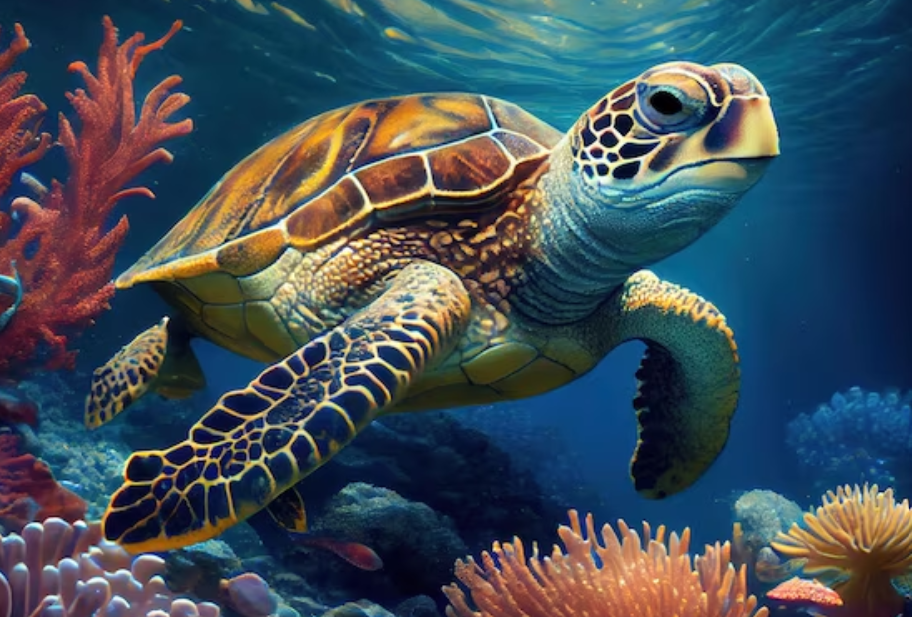
Turtles are reptiles that are characterized by their bony or cartilaginous shells, which provide protection from predators. Turtles are found in a variety of environments, from oceans and rivers to deserts and forests. They are slow-moving creatures and are known for their long lifespans.
Quick Top 10 Facts about Turtles
| SCIENTIFIC NAME | Testudines (Order of Turtles) |
| CLASSIFICATION | KINGDOM: Animalia CLASS: Reptilia ORDER: Testudines FAMILY: Varies by species PHYLUM: Chordata GENUS: Varies |
| SIZE | Ranges from a few inches (e.g., bog turtles) to over 6 feet (e.g., leatherback sea turtles) |
| HABITAT | Oceans, rivers, lakes, wetlands, and forests – both aquatic and terrestrial environments |
| DIET | Omnivorous or herbivorous depending on species – includes plants, insects, jellyfish, and small fish |
| SPECIES | Over 350 known species, including sea turtles, tortoises, and freshwater turtles |
| COUNTRY | Found worldwide, particularly in tropical and temperate regions |
| GESTATION PERIOD | Varies – Eggs incubate from 45 to 90 days, depending on species and climate |
| LIFE SPAN | Average 20–80 years; some tortoises can live over 100 years |
| CONSERVATION STATUS | Many species are endangered due to habitat loss, pollution, and poaching |
Amazing Facts About Turtles
1. Turtles have existed for over 200 million years
Turtles are one of the oldest reptile groups on Earth, even older than snakes and crocodiles!
2. Not all turtles can retract their heads into their shells
Only certain species can fully pull in their heads and limbs for protection.
3. Sea turtles can migrate thousands of miles
Some species of sea turtles travel across entire oceans between feeding and nesting sites.
4. Turtles don’t have teeth
Instead of teeth, turtles have beak-like mouths that are adapted to their specific diets.
5. Their shells are part of their skeleton
A turtle’s shell is made up of over 50 bones and is fused to its spine and ribs, making it an essential part of its body structure.
6. Turtles can live a very long time
Many species can live for over 50 years, and some tortoises can even reach over 100 years old!
7. Turtles are cold-blooded
Their body temperature depends on the environment, which is why they bask in the sun to warm up.
8. Some turtles can breathe through their butts
Certain aquatic turtles have specialized tissues in their cloacas that allow them to absorb oxygen through their butts!
9. They have great vision underwater
Sea turtles are well-adapted to seeing clearly in the ocean, helping them navigate through the waters.
10. There are over 300 species of turtles
Turtles come in various sizes, from tiny bog turtles to giant leatherback sea turtles!
The world of turtles and their amazing facts
With a million years of evolutionary history, turtles are amazing animals. They are reptiles that are well-known for having tough shells that keep predators away. Turtles are present in practically every body of water on the globe, including freshwater lakes, rivers, and oceans. There are many different sizes of these creatures; some are as little as the palm of your hand, while others may reach weights of over a thousand pounds. More facts about turtles are:
Physical features of turtles, such as their hard shell and scaly skin
They are very intriguing and unique because of a few amazing qualities. For example, turtles’ strong, protective shells help shield them from predators. Additionally, the turtle’s temperature is insulated by these shells, which helps it stay cool in the summer and warm in the winter. A turtle’s gender is often determined by what’s within its shell. Female turtles often have smooth, flat shells, but male turtles typically have concave shells. Turtles have strong jaws and beaks that enable them to chew down tougher food, in addition to their incredible shells. Since turtles are reptiles, they prefer warmer temperatures.
From dry deserts to tropical rain forests, they may be found anywhere. Additionally, a turtle’s life expectancy varies by species, although some may reach 200 years old. Turtles can submerge themselves for up to three hours and are very well-suited for swimming. They also have a four-day breath-holding capacity. Thus, turtles may live and prosper in a wide range of environments, whether they are in the water or on land.
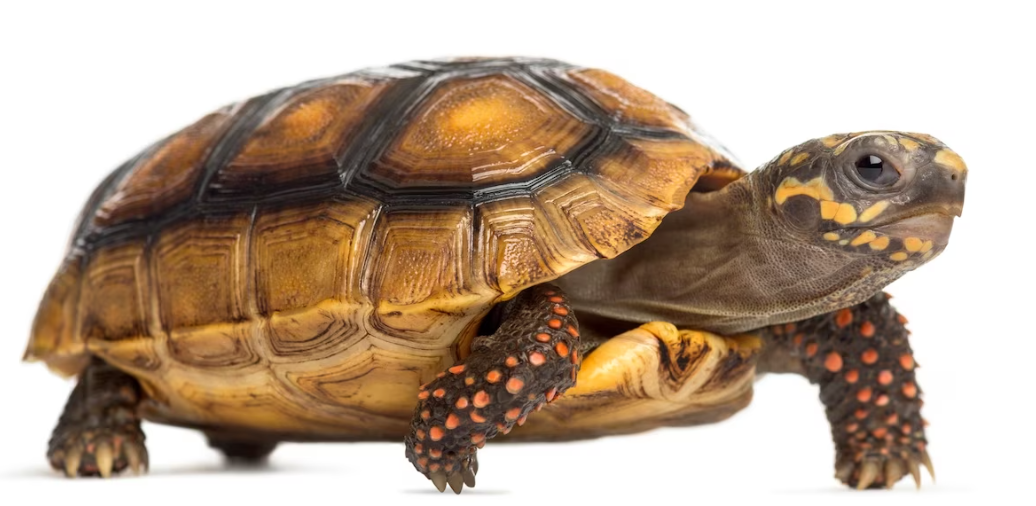
Diversity of turtle species: physical characteristics and adaptations
Humans have been attracted by turtles for generations due to their interesting nature. Because of their distinctive characteristics and habits, these reptiles are highly regarded and worthy of research. The capacity of turtles to retreat their heads and limbs under their shells for safety is an intriguing truth about them. Their exceptional adaptation enables them to protect themselves against hostile environments and predators. Turtles also possess a robust defensive system in the form of a hard shell composed of bone and cartilage that serves as a shield.
Challenges and threats faced by turtles, such as habitat loss and pollution,
Turtle lifespan is another fascinating fact about them. Some species of these amazing animals have been known to live for over a century, while others have been known to survive for many decades. They have lengthy lives because of their sluggish metabolism and capacity for habitat adaptation. Since they first appeared millions of years ago, turtles have endured several environmental shifts and geological ages. Their capacity for evolution and adaptation has made it possible for them to flourish in a variety of environments, including rivers, woodlands, and deserts.
The importance of turtles in various ecosystems
Turtles are essential to keeping ecosystems in balance. They assist in regulating the development of aquatic plants as herbivores, avoiding overcrowding, and preserving the integrity of water bodies. Turtles can contribute to the food chain by acting as prey for different predators. Their presence in ecosystems promotes peaceful coexistence by controlling the numbers of other species. Moreover, turtles are outstanding markers of the health of the ecosystem. They serve as important bioindicators, warning scientists of possible dangers and igniting conservation efforts to save their habitats because of their sensitivity to pollution and habitat deterioration.
Behaviour of turtles, including their feeding habits, mating rituals, and nesting behaviours
The fact that turtles are cold-blooded, meaning that their body temperature is controlled by their surroundings, is an intriguing fact about them. They often sunbathe on rocks or logs for this reason. Turtles have an extremely long lifespan, which is another amazing fact. Turtles are among the planet’s longest-living creatures; some species may live up to 100 years or more.
They are also renowned for their unique capacity to retreat their heads and limbs within their shells for safety. They can fend off predators with the aid of this protection system. Furthermore, turtles are omnivores—that is, they consume both plants and animals. There are even turtle species that have been seen to swallow jellyfish, which may pose a threat to other creatures. All things considered, turtles are fascinating animals with a wealth of fascinating facts and habits that make them an intriguing topic for research.
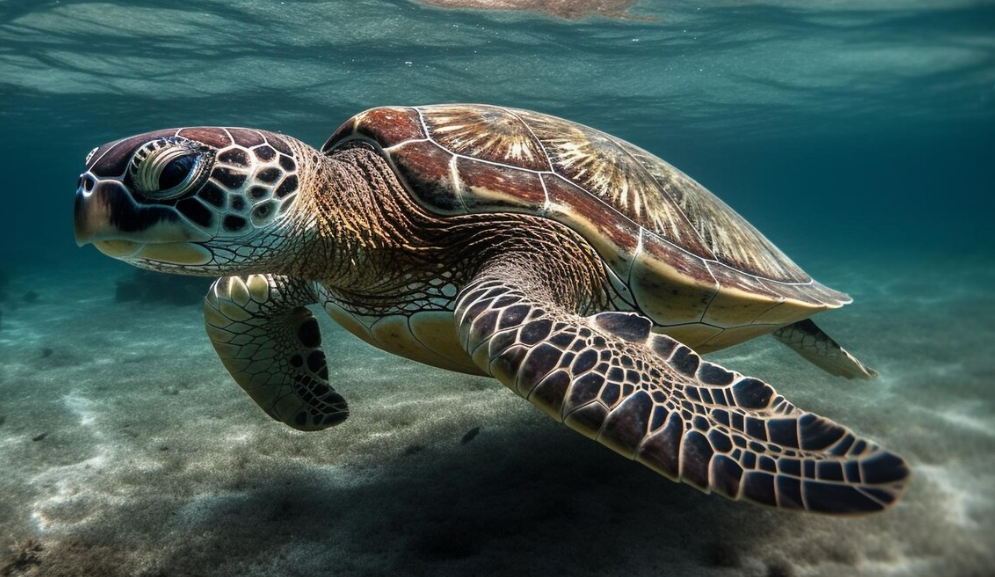
Fascinating facts and the unique characteristics of turtles
With a million years of evolutionary history, turtles are amazing animals. Their unique look and deliberate, sluggish motions are well known. This article will discuss some fascinating turtle facts that you may not be aware of.
1. Unity
Turtles, tortoises, and terrapins all belong to the reptile group Testudines, which also contains turtles. Turtles are a globally distributed animal with over 300 distinct species that live in a variety of environments, including rivers, forests, and seas.
2. Molecular Framework
A turtle’s shell is one of its most distinguishing characteristics. The carapace, or top portion, and the plastron, or bottom half, are the two sections that make up the shell. The turtle’s internal organs are shielded by its modified shell, which is essentially a ribcage and backbone.
3. Vitality
The lengthy lifespans of turtles are well known. Some species have a lifespan of more than 100 years; the oldest turtle ever discovered was 188 years old! They live longer because of their sluggish metabolism and low heart rate.
4. Habits of Eating
Depending on their species and location, turtles have a varied diet. While some turtles are omnivores and eat both plants and small animals, herbivores consume algae and other plants. For example, marine turtles mostly consume crabs, seaweed, and jellyfish.
5. Cold Storage
Winter hibernation is a common occurrence for many turtle species. To save energy, they go dormant and bury themselves in mud or leaf litter. They depend on their fat stores for nourishment during hibernation, slowing their metabolism and heart rate.
6. Conception
Unique reproductive methods are used by turtles. Eggs are laid by most species and are buried in terrestrial nests. The hatchlings’ gender is decided by the temperature at which the eggs are incubated. For certain species, like the leatherback sea turtle, the hatchlings’ gender is determined by the temperature.
7. Dangers and Preservation
Threats to turtle populations include habitat loss, pollution, and poaching. Numerous species have endangered or extremely endangered status. The protection of these extinct animals and their habitats depends heavily on conservation efforts.
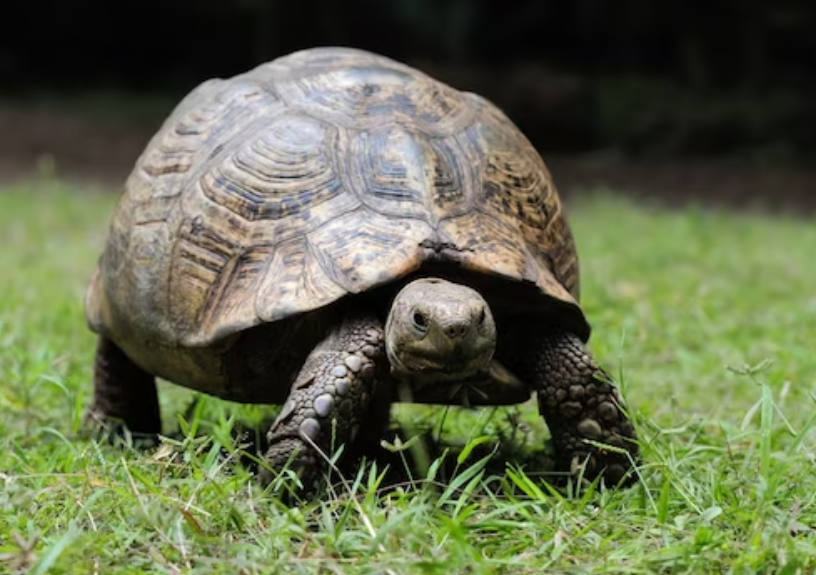
FAQ (frequently asked questions) about Turtles
Q: What is a Turtle?
Ans: A turtle is a reptile known for its bony or cartilaginous shell, which develops from its ribs and acts as a shield. Turtles belong to the order Testudines and are found in both aquatic and terrestrial environments.
Q: Where do Turtles live?
Ans: Turtles live in a wide variety of habitats, including oceans, rivers, lakes, marshes, and forests. Their specific environment depends on the species, with some being fully aquatic and others living primarily on land.
Q: What do Turtles eat?
Ans: Turtles are generally omnivores, though diet varies by species. They may eat aquatic vegetation, fruits, insects, fish, and small invertebrates.
Q: Are Turtles dangerous to humans?
Ans: Most turtles are not dangerous to humans. However, some large turtles like snapping turtles can deliver a painful bite if provoked. Generally, turtles are peaceful and pose no threat.
Q: How do Turtles reproduce?
Ans: Turtles reproduce by laying eggs. Females come onto land to dig nests in the soil or sand and lay eggs, which hatch weeks or months later depending on species and conditions.
Q: How do Turtles defend themselves?
Ans: Turtles use their hard shells as a defense mechanism, retreating inside when threatened. Some also rely on camouflage or retreating into water to escape predators.
Q: How long do Turtles live?
Ans: Many turtles have long lifespans. Some species can live 40–50 years, and certain tortoises can live well over 100 years in captivity or protected environments.
Q: What are the physical characteristics of Turtles?
Ans: Turtles have a distinctive shell covering their body, a beak-like mouth with no teeth, four legs, and a tail. Their size and coloring vary widely by species.
Q: Do Turtles have shells for protection?
Ans: Yes, the shell is an essential part of a turtle’s anatomy and provides protection from predators and environmental hazards. It is made of bone and covered in scutes or leathery skin, depending on the species.
Q: Are Turtles important to the environment?
Ans: Yes, turtles play important ecological roles, such as maintaining healthy seagrass beds and coral reefs, controlling jellyfish populations, and helping to balance aquatic ecosystems.
#Turtle, #TurtlesOfInstagram, #TurtleLove, #SeaTurtle, #TurtleLife, #TurtleLovers, #NatureLovers, #WildlifePhotography, #OceanLife, #CuteTurtles, #SaveTheTurtles, #ReptileLovers, #TurtleTime, #PetTurtle, #ShellYeah
Our sources and references about Turtles
1: Wikipedia – Turtle
2: National Geographic – Turtle Facts
3: Encyclopaedia Britannica – Turtle
4: Oceana – Marine Turtles