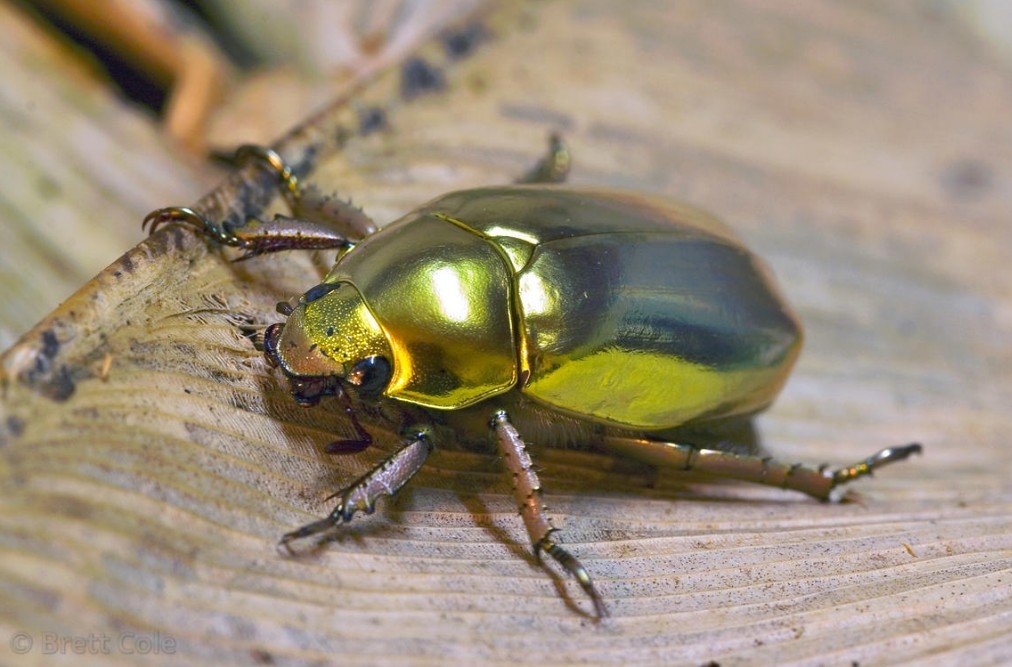
The Scarab Beetle (family: Scarabaeidae) is a fascinating group of insects known for their distinctive, often shiny appearance and their significant role in ecosystems. Scarab beetles are found in many parts of the world and vary widely in size and coloration. These beetles are mostly scavengers, playing a key role in breaking down organic matter, such as dung, decaying plants, and other waste. Some species are even revered in ancient cultures, particularly in Egypt, where they were symbols of regeneration and protection.
Quick Top 10 Facts about Scarab Beetle
| SCIENTIFIC NAME | Scarabaeidae |
| CLASSIFICATION | KINGDOM: Animalia PHYLUM: Arthropoda CLASS: Insecta ORDER: Coleoptera FAMILY: Scarabaeidae |
| SIZE | Varies by species; typically ranges from 1 cm (0.4 in) to 7.5 cm (3 in) in length |
| SPECIES | Over 30,000 species, including well-known species like the dung beetle (Scarabaeus spp.) |
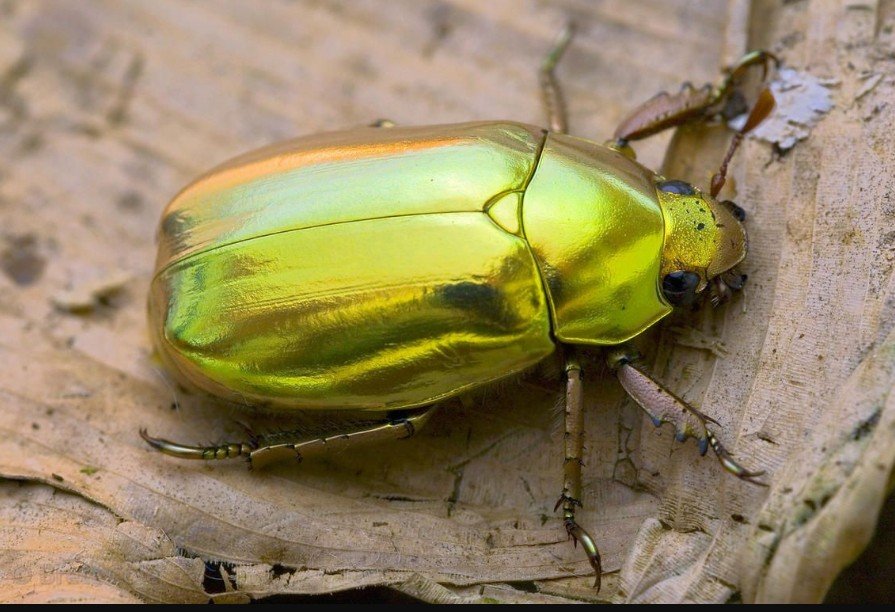
| APPEARANCE | Typically oval-shaped, shiny, and often metallic-colored with a hard exoskeleton; some species have horns or elaborate patterns |
| LIFE SPAN | Varies by species; typically 1–3 years, though some species can live longer |
| HABITAT | Found in a variety of environments, including forests, grasslands, deserts, and even urban areas; many species are associated with dung |
| DIET | Primarily detritivores, feeding on dung, decaying plant matter, and organic waste |
| NATURAL PREDATORS | Birds, mammals, reptiles, and other insects |
| COUNTRY | Found worldwide, particularly in tropical and temperate regions |
| GESTATION PERIOD | Eggs are laid in burrows or within decaying matter, where they hatch into larvae; larval stage can last from a few weeks to several months |
| CONSERVATION STATUS | Most species are not endangered, but some are affected by habitat loss and pollution |
Amazing Facts About Scarab Beetle
1. Dung Masters
Many species of scarab beetles roll dung into balls. They bury these balls as food or breeding chambers for their larvae.
2. Symbol of Rebirth
In ancient Egypt, people regarded the scarab beetle as a symbol of regeneration, protection, and good fortune. It often appeared in jewellery and amulets.
3. Important Ecological Role
Scarab beetles play a vital role in ecosystems. They recycle nutrients, break down organic waste such as dung, and enrich the soil.
4. Some are Giant Beetles
Most scarabs remain small, but the Hercules beetle (Dynastes hercules), a type of scarab, can grow up to 7.5 cm (3 in). It ranks among the largest beetles in the world.
5. Powerful Front Legs
Some scarab species, like horned dung beetles, possess large and powerful front legs. They use these legs for digging and rolling dung.
6. Excellent Navigators
Dung beetles show impressive navigation skills. They often use the stars or the sun to orient themselves while rolling dung balls.
7. Vital in Agriculture
By breaking down dung and organic matter, scarab beetles fertilise the soil. They prevent waste build-up and support healthy plant growth.
8. Longevity in Larval Form
The larvae of scarab beetles, especially dung beetles, spend long periods in the soil. They may remain underground for several months before emerging as adults.
9. They Can Lift Incredible Loads
Some dung beetle species can lift objects up to 1,000 times their body weight. This feat makes them among the strongest animals in the world relative to size.
10. Scarabs Have Fascinating Horns
Certain scarab beetles, especially those in the genus Dynastes, feature prominent horns. They use these horns for defence and to fight rival beetles.
The Scarab Beetle: A Fascinating Insect with Historical Significance
The scarab beetle ranks among the most well-known and culturally significant insects in the world.
With over 2,000 species, the beetle family Scarabaeidae displays remarkable diversity in shape, size, and behaviour.
From ancient Egyptian mythology to their essential role in nature as decomposers, scarab beetles have earned admiration for their unique traits and ecological value.
Overview of the Scarab Beetle
Scarab beetles belong to the Scarabaeoidea superfamily of beetles.
People easily recognise them by their rounded, bulging bodies and large, sturdy legs often fitted with spines or claws.
These beetles thrive mostly in warm, tropical, and temperate regions across the world, especially in Africa, Asia, and parts of North America.
Physical Characteristics of Scarab Beetles
- Size and Shape: Scarab beetles vary widely in size, ranging from 1 to 5 centimetres in length.
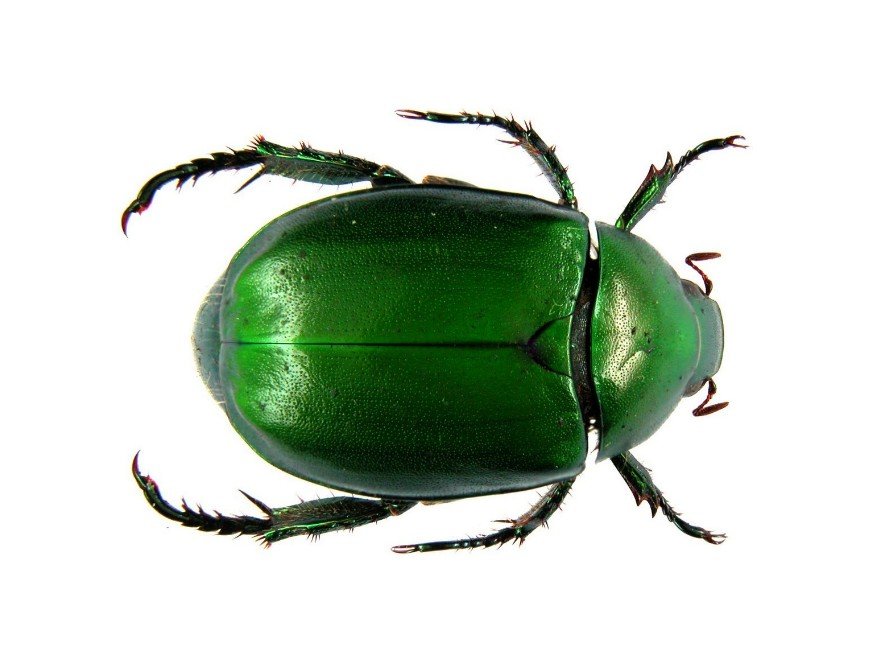
Their bodies usually appear oval or round, with a hard exoskeleton that shields them from predators. - Colouration: The colours of scarab beetles differ greatly, showing shades of black, metallic green, blue, and gold.
Some species have iridescent shells that shimmer as light reflects off their bodies. - Antennal Club: Scarab beetles have distinctive clubbed antennae, which they use to sense their surroundings.
These help them locate food, find mates, and detect environmental changes.
Amazing Facts About Scarab Beetle
1. Dung Masters
Many species of scarab beetles roll dung into balls. They bury these balls as food or breeding chambers for their larvae.
2. Symbol of Rebirth
In ancient Egypt, people regarded the scarab beetle as a symbol of regeneration, protection, and good fortune. It often appeared in jewellery and amulets.
3. Important Ecological Role
Scarab beetles play a vital role in ecosystems. They recycle nutrients, break down organic waste such as dung, and enrich the soil.
4. Some are Giant Beetles
Most scarabs remain small, but the Hercules beetle (Dynastes hercules), a type of scarab, can grow up to 7.5 cm (3 in). It ranks among the largest beetles in the world.
5. Powerful Front Legs
Some scarab species, like horned dung beetles, possess large and powerful front legs. They use these legs for digging and rolling dung.
6. Excellent Navigators
Dung beetles show impressive navigation skills. They often use the stars or the sun to orient themselves while rolling dung balls.
7. Vital in Agriculture
By breaking down dung and organic matter, scarab beetles fertilise the soil. They prevent waste build-up and support healthy plant growth.
8. Longevity in Larval Form
The larvae of scarab beetles, especially dung beetles, spend long periods in the soil. They may remain underground for several months before emerging as adults.
9. They Can Lift Incredible Loads
Some dung beetle species can lift objects up to 1,000 times their body weight. This feat makes them among the strongest animals in the world relative to size.
10. Scarabs Have Fascinating Horns
Certain scarab beetles, especially those in the genus Dynastes, feature prominent horns. They use these horns for defence and to fight rival beetles.
The Scarab Beetle: A Fascinating Insect with Historical Significance
The scarab beetle ranks among the most well-known and culturally significant insects in the world.
With over 2,000 species, the beetle family Scarabaeidae displays remarkable diversity in shape, size, and behaviour.
From ancient Egyptian mythology to their essential role in nature as decomposers, scarab beetles have earned admiration for their unique traits and ecological value.
Overview of the Scarab Beetle
Scarab beetles belong to the Scarabaeoidea superfamily of beetles.
People easily recognise them by their rounded, bulging bodies and large, sturdy legs often fitted with spines or claws.
These beetles thrive mostly in warm, tropical, and temperate regions across the world, especially in Africa, Asia, and parts of North America.
Physical Characteristics of Scarab Beetles
- Size and Shape: Scarab beetles vary widely in size, ranging from 1 to 5 centimetres in length.
Their bodies usually appear oval or round, with a hard exoskeleton that shields them from predators. - Colouration: The colours of scarab beetles differ greatly, showing shades of black, metallic green, blue, and gold.
Some species have iridescent shells that shimmer as light reflects off their bodies. - Antennal Club: Scarab beetles have distinctive clubbed antennae, which they use to sense their surroundings.
These help them locate food, find mates, and detect environmental changes.
Species of Scarab Beetles
Over 2,000 scarab beetle species exist, grouped into various subfamilies with unique traits.
Some species stand out for their behaviour and ecological importance, while others remain less recognised.
Notable Species of Scarab Beetles
- Dung Beetles (Subfamily: Scarabaeinae): Dung beetles form the most iconic group of scarabs.
They manage animal waste by feeding on and burying dung, which they roll into balls for food or breeding.
This behaviour helps recycle nutrients and promotes soil health.
Over 5,000 dung beetle species live worldwide, showing great variety in size and habits.
Famous species: The tumblebug stands out as one of the most recognised dung beetles, often seen rolling large dung balls. - Rose Beetles (Subfamily: Cetoniinae): Rose beetles are large, colourful scarabs that display metallic green and golden hues.
Found mainly in tropical regions, they feed on flower petals, fruit, and decaying plant matter.
Species example: The flower beetle, also called the rose beetle, is famous for its bright green colour and attraction to flowers. - Horned Scarabs (Subfamily: Dynastinae): Horned scarabs are large beetles recognised by their impressive horns extending from the head or thorax.
Males use these horns to fight rivals and gain access to females.
These beetles thrive mainly in tropical regions, especially in Southeast Asia.
Famous species: The rhinoceros beetle (Dynastes hercules) ranks among the largest horned scarabs, with males reaching up to 7 inches. - Tumbling Flower Beetles (Subfamily: Rutelinae): These smaller beetles roll into balls when threatened.
They feed on flowers, sap, and other plant materials.
Species example: The tumbling flower beetle appears in many regions and uses rolling as a defence against predators.
Ecological Role of Scarab Beetles
Scarab beetles play an essential part in nature’s balance.
Their daily activities impact ecosystems, soil health, and even agriculture.
Decomposers and Nutrient Recycling
Dung beetles act as efficient decomposers.
They break down animal waste, removing dung and recycling nutrients into the soil.
This process enhances soil fertility and encourages plant growth.
By burying dung deep in the ground, these beetles aerate the soil and allow water and air to reach roots.
Their work also prevents parasites from breeding in animal waste, keeping environments cleaner and healthier.
Pollinators
Some scarab beetles, particularly rose beetles, serve as natural pollinators.
While feeding on nectar, they transfer pollen between flowers, boosting biodiversity and sustaining plant life.
Food Source for Other Species
Scarab beetles provide food for many animals, including birds, mammals, and insects.
Larger scarabs, such as horned beetles, attract carnivores, while smaller ones feed rodents and amphibians.
Scarab Beetles in Ancient Egypt
For thousands of years, scarab beetles have held symbolic and cultural value, especially in Ancient Egypt.
The Egyptians viewed the scarab as a symbol of rebirth, renewal, and protection.
They compared its dung-rolling behaviour to the movement of the sun across the sky.
Scarab Amulets
Ancient Egyptians used scarab-shaped amulets as charms of protection.
They often inscribed these with hieroglyphs and placed them in tombs to guide the dead to the afterlife.
People believed the scarab represented the sun god Khepri, who had the head of a scarab beetle.
Khepri supposedly rolled the sun across the heavens, just as the beetle rolled dung.
Funerary Rituals
Egyptians placed scarab amulets on mummies during burial rituals.
They positioned the amulet over the heart to shield the deceased from evil spirits and ensure a light heart in the afterlife.
Scarab Beetles as Pests and Benefits to Agriculture
Although scarab beetles offer many benefits, some species cause damage in agriculture and gardens.
Crop Damage Caused by Scarab Beetles
Certain scarab species, such as the Japanese beetle (Popillia japonica), feed on the leaves, roots, and flowers of crops.
They attack corn, soybeans, grapes, and other plants, reducing yields.
Their larvae also harm lawns and gardens by feeding on plant roots.
Biological Control and Agricultural Benefits
Despite some being pests, dung beetles provide valuable pest control naturally.
They break down animal waste and improve soil fertility, reducing the need for chemical fertilisers.
Their work supports sustainable farming and enhances crop growth.
Conservation and Protection of Scarab Beetles
Many scarab species remain widespread, yet some face threats from habitat loss, pesticides, and pollution.
Conservation measures can protect these important insects and preserve their ecological value.
Sustainable Farming Practices
Organic and pesticide-free farming methods help safeguard scarab beetle populations.
Dung beetles, in particular, benefit when farms avoid harmful chemicals and promote natural soil health.
Habitat Preservation and Protection
Protecting natural habitats and managing agricultural waste sustainably supports scarab populations.
Preserved environments ensure these beetles continue performing their vital ecological duties.
FAQ (Frequently Asked Questions) about Scarab Beetle
Q: What is a Scarab Beetle?
Ans: The scarab beetle belongs to a family of shiny, metallic beetles.
Many species, like dung beetles, decompose organic matter and recycle nutrients.
Q: Where are Scarab Beetles found?
Ans: Scarab beetles live worldwide, mainly in tropical and temperate regions.
They inhabit forests, grasslands, and even cities, often near dung or decaying material.
Q: What do Scarab Beetles eat?
Ans: Most scarab beetles feed on dung, rotting plants, or decaying waste.
They act as nature’s cleaners by consuming organic material.
Q: How long do Scarab Beetles live?
Ans: Scarab beetles usually live between one and three years.
Some species survive longer depending on their environment and available food.
Q: Why are Scarab Beetles important?
Ans: Scarab beetles help maintain ecosystems by recycling nutrients, decomposing waste, and enriching soil for plant life.
Q: Are Scarab Beetles dangerous?
Ans: No, scarab beetles pose no threat to humans.
They neither bite nor sting and usually provide more benefits than harm.
Q: How do Scarab Beetles reproduce?
Ans: Female scarabs lay eggs in burrows or decaying matter.
The larvae grow inside until they mature into adult beetles.
Q: How strong are Scarab Beetles?
Ans: Dung beetles can lift up to 1,000 times their body weight.
Their strength makes them some of the toughest creatures relative to size.
Q: Can Scarab Beetles fly?
Ans: Yes, many scarab beetles can fly.
They often stay close to the ground while searching for food or mates.
Q: Are Scarab Beetles endangered?
Ans: Most scarab beetles are not endangered.
However, habitat loss and pollution threaten some species, making conservation vital.
#ScarabBeetle #DungBeetles #Insects #Recycling #EcoFriendly #Wildlife #Beetles #Scarabs #Nature #EgyptianSymbols
Our sources and references about Scarab Beetle
1: Wikipedia – Scarab Beetle
2: National Geographic – Scarab Beetle
3: Britannica – Scarab Beetle