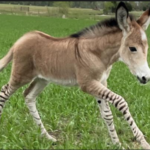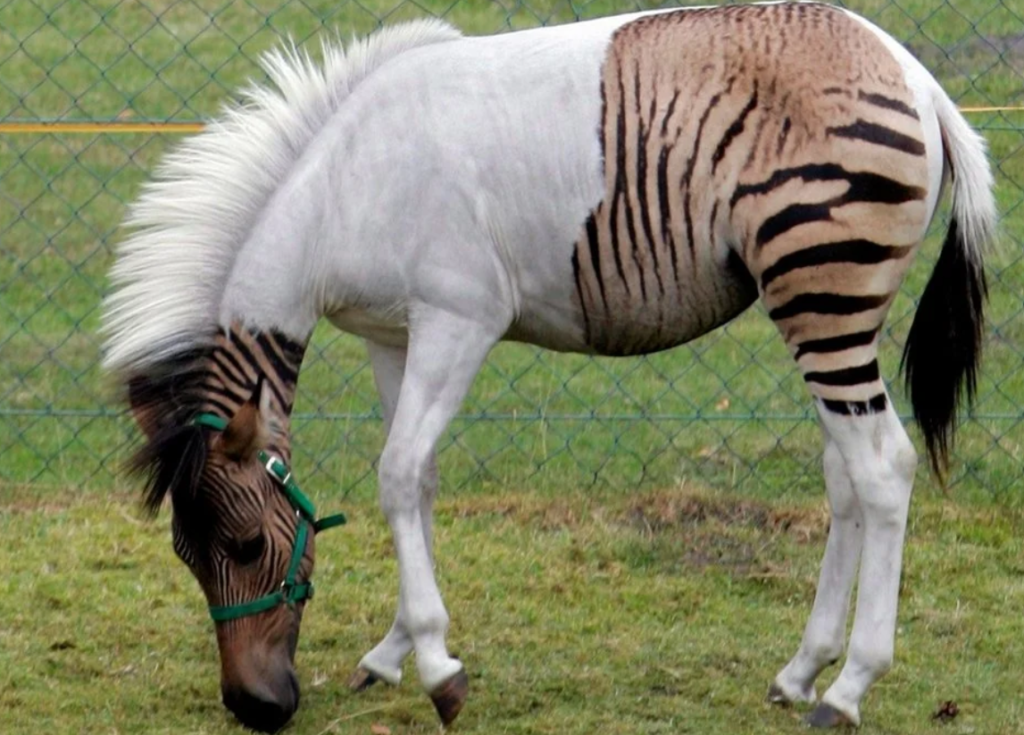
The Zorse is a hybrid between a zebra and a horse. Zorses inherit the size and shape of a horse but often have the zebra’s distinctive stripes on their legs and torso. Like other hybrids, zorses are sterile but are bred for novelty, research, and sometimes used as work animals in some cultures.
Quick Top 10 Facts about Zorse
| SCIENTIFIC NAME | Equus zebra × Equus caballus |
| CLASSIFICATION | KINGDOM: Animalia PHYLUM: Chordata CLASS: Mammalia ORDER: Perissodactyla FAMILY: Equidae GENUS: Equus SPECIES: Hybrid of Equus zebra (zebra) and Equus caballus (horse) |
| SIZE | Height: 4–5 feet (1.2–1.5 meters) at the shoulder Weight: 500–900 pounds (225–400 kg) |
| HABITAT | Primarily bred in captivity; found in reserves, zoos, and private farms |
| DIET | Herbivorous; eats grasses, hay, and grains |
| SPECIES | A hybrid species, the result of mating a zebra with a horse (usually a male zebra and female horse) |
| COUNTRY | Bred in various countries for novelty, research, or educational purposes |
| GESTATION PERIOD | About 11 months (similar to horses) |
| LIFE SPAN | 15–30 years |
| CONSERVATION STATUS | Not applicable; hybrids like the Zorse do not occur naturally in the wild |
Amazing Facts About Zorses
1. Zorses are sterile hybrids
Like most equine hybrids, Zorses are usually sterile and cannot reproduce.
2. They inherit traits from both parents
Zorses have the body shape of a horse and the stripes of a zebra, with coat colors varying widely.
3. Bred mostly in captivity
Zorses are rarely found in the wild and are mostly bred for novelty, tourism, or scientific study.
4. Strong and hardy animals
They tend to be strong, intelligent, and physically resilient due to hybrid vigor.
5. Can be temperamental
Zorses may inherit the wild instincts of a zebra, making them more challenging to train than horses.
6. Unique appearance
Each Zorse has a unique pattern of stripes that often only partially covers its body, creating striking appearances.
7. Known by other names
Zorses are also sometimes called zebroids or zebrose, depending on the breeding pair.
8. Have hoofed feet
Like their parents, Zorses are ungulates and have strong, single-toed hooves.
9. Used for research and education
They help scientists study genetics, hybridization, and behavior of crossbred animals.
10. They symbolize uniqueness
Because of their rare and fascinating nature, Zorses are often seen as symbols of uniqueness and novelty.
Zorse: The Fascinating Hybrid of a Zebra and a Horse
A zorse is a captivating hybrid that emerges from the mating of a zebra (Equus zebra) and a horse (Equus ferus caballus). Similar to other zebroid hybrids, such as zonkeys and zebras, the zorse inherits distinct traits from both parents, creating an animal that is not only visually captivating but also unique in its behaviour and characteristics. Zorses are particularly notable for their striped coats, which reflect the iconic black-and-white patterns of a zebra, along with the graceful build and power of a horse.
The zorse stands out as a remarkable hybrid that combines the striking looks of a zebra with the strength and versatility of a horse. While they aren’t commonly utilised for practical tasks like mules or donkeys, zorses have attracted widespread attention due to their beautiful striped coats and distinctive behavioural traits. Despite being sterile, zorses offer an intriguing opportunity for study and observation, shedding light on the phenomenon of hybridisation in the animal world. However, it is important to consider ethical issues when breeding and caring for these hybrids, ensuring that they are treated with care and respect.
The Origins of the Zorse
The zorse is a hybrid resulting from the mating of a female horse, or mare, with a male zebra, or stallion. Breeding of these two animals is typically managed in controlled environments such as zoos, safari parks, and occasionally on farms. The offspring inherit a combination of physical and behavioural traits from both parents, but due to genetic differences, zorses are usually sterile and unable to reproduce.
Zebra Characteristics: Zebras, known for their distinctive black-and-white striped coats, are wild animals indigenous to certain parts of Africa. While they belong to the same Equidae family as horses, they are not domesticated to the same extent. Zebras are often more aggressive and independent than horses, which influences the behaviour of their hybrid offspring.
Horse Characteristics: Horses, in contrast, are domesticated animals that have been integral to human transportation, labour, and sport for thousands of years. With various breeds adapted for different roles, horses are generally known for their grace, speed, and ability to be trained. They have been selectively bred to fulfil specific needs in human society.
When a zebra stallion mates with a mare, the offspring inherits the wild, independent traits of the zebra alongside the domesticated and trainable qualities of the horse. This mix results in the zorse, a hybrid that often combines the zebra’s eye-catching appearance with the functional capabilities of a horse.
Physical Characteristics of the Zorse
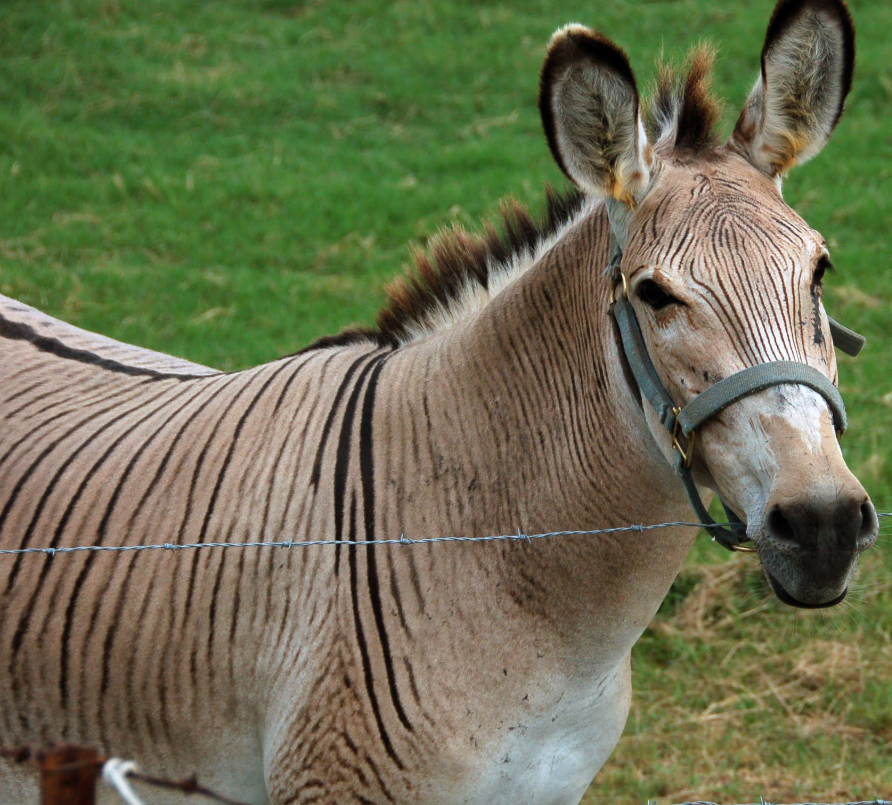
The physical appearance of a zorse is truly striking. It inherits the muscular physique of a horse and the distinctive striped pattern of a zebra, creating a visually stunning animal. Let’s examine the primary features of the zorse in detail:
Coat and Stripes
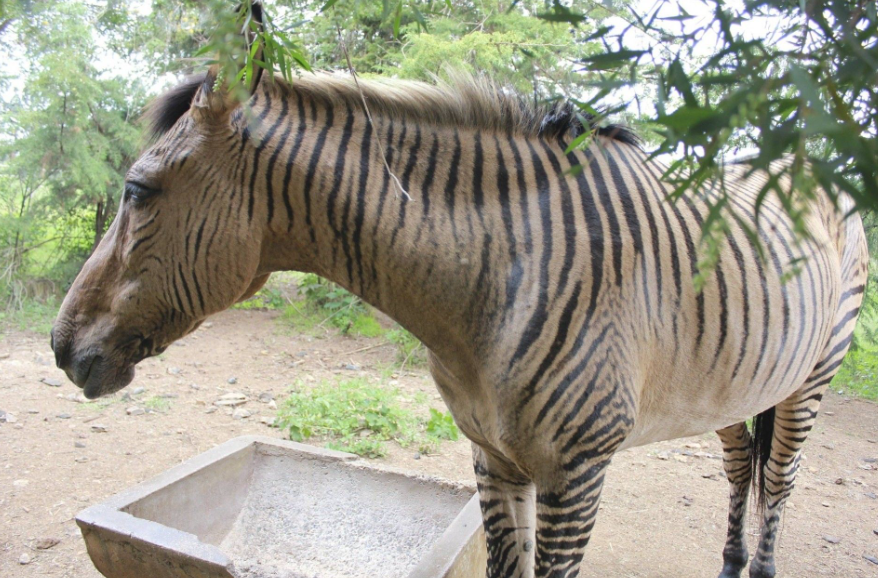
The zor’s most prominent feature is its striped coat. Like a zebra, it has black-and-white stripes, although the pattern is typically less extensive than that of a zebra. The stripes usually appear on the legs, neck, and body, while the rest of the coat is typically brown or tan, resembling the colouration of a horse. The intensity and distribution of the stripes can vary considerably among individual zorses, with some having more pronounced zebra-like patterns and others showing fewer stripes.
Size and Build
In terms of size, zorses have a strong, muscular build inherited from both parents. They tend to be larger than zebras but smaller than most horses. On average, zorses stand between 12 and 16 hands (48 to 64 inches) at the shoulder, with some individuals reaching up to 17 hands (68 inches). Their sturdy build makes them better suited for labour compared to purebred zebras.
Mane and Tail
The zor’s mane is typically shorter and stiffer than that of a horse, reflecting the more rugged mane of a zebra. Its tail closely resembles that of a horse, though it usually has a tuft of hair at the end, which is characteristic of zebras. The tail may also feature some stripes, particularly near the base.
Facial Features
The face of a zorse often blends features from both parents. It tends to have the longer, narrower face of a horse, with a pronounced jawline and a gentler expression compared to the zebra. The eyes of a zorse are large and expressive, with the dark eyes of the zebra parent adding to the hybrid’s striking look.
Behavior and Temperament
The behaviour of the zorse is shaped by its zebra lineage, which introduces wilder traits, and the domesticated nature of its horse parent. This mix results in a fascinating combination of characteristics, often making zorses more challenging to handle than purebred horses.
Temperament
Zorses are generally more independent and stubborn compared to horses. They tend to exhibit the wild, more unpredictable behaviour of the zebra, making them harder to train. While horses are typically social and cooperative, zorses may be more temperamental, requiring more patience from those handling them. However, their behaviour can vary depending on their individual upbringing and past experiences with humans.
Trainability
Training a zorse can be more difficult than training a horse. While horses are known for their intelligence and willingness to work, the zebra’s wild instincts can make zorses more resistant to training. Zorses are often less predictable, and their stronger instinct to resist training can require greater patience from their handlers. They may also be more easily startled and exhibit aggressive behaviour when placed in unfamiliar situations.
Social Behavior
Unlike horses, which are herd animals, zorses tend to be more solitary. They may feel uncomfortable in large groups and often prefer more individualistic behaviour. Despite this, zorses are still social creatures and can form strong bonds with humans and other animals, though these relationships take time and patience to develop.
Agility and Stamina
Thanks to the combination of zebra instincts and the horse’s strength, zorses are incredibly agile and resilient. They are sturdy, hardy animals with a natural endurance that makes them well-suited for demanding environments. While they are not typically used for agricultural tasks or riding like horses, their endurance and stamina make them valuable in rough, challenging conditions.
Fertility and Reproduction
As with most hybrid animals, zorses are usually sterile, meaning they cannot reproduce. This is due to the differing chromosome numbers of zebras and horses—zebras have 44 chromosomes, while horses have 64. As a result, the zorse inherits 54 chromosomes, creating an imbalance that prevents it from producing viable offspring.
Sterility
Much like mules, which are another hybrid, zorses are infertile and cannot reproduce. While it is technically possible for a zorse to mate with either a horse or a zebra, such occurrences are extremely rare and generally result in non-viable offspring.
Role of Zorses in Human Culture and Agriculture
Zorses have been bred for several purposes, both for their unique appearance and their potential to serve as working animals. While they are not widely used in agricultural settings, zorses can be found in zoos, wildlife parks, and private collections.
Zoos and Wildlife Parks
In zoos and wildlife parks, zorses are often bred and exhibited as novelty attractions. Their zebra-like stripes combined with the horse-like build make them intriguing to visitors, providing a living example of hybridisation in animals.
Work and Labor
Although mules are more commonly used in labour, zorses have the potential to be used for transportation and draft work in harsh conditions, especially in regions where zebras are native. However, their more stubborn nature and difficulty in training make them less practical than horses or mules for everyday tasks.
Ethical Considerations of Breeding Zorses
The breeding of zorses raises a number of ethical concerns. While hybrid animals like zorses are fascinating, the welfare of these animals is often overlooked. Breeding them for novelty or tourism may sometimes harm their health and well-being. Furthermore, since hybrids like zorses are sterile, they do not contribute to the gene pool, raising questions about the sustainability of such breeding practices.
There are concerns regarding the potential exploitation of hybrid animals in entertainment industries such as circuses, fairs, and tourist attractions. Critics argue that breeding hybrids solely for human interest without consideration for the animals’ long-term welfare can lead to unnecessary suffering. It is essential to weigh the ethical implications of hybrid breeding carefully and ensure the humane treatment of these animals.
FAQ (Frequently Asked Questions) about Zorse
Q: What is a Zorse?
Ans: A Zorse is a hybrid animal resulting from the crossbreeding of a zebra and a horse, typically a male zebra (sire) and a female horse (dam). It combines traits from both parents and is known for its striking striped pattern inherited from the zebra.
Q: What does a Zorse look like?
Ans: Zorses usually have a horse-like body with the characteristic black-and-white stripes of a zebra. The stripes may cover the entire body or appear mainly on the legs, neck, or rear. Their coat colors can vary depending on the horse parent’s breed and coloration.
Q: Are Zorses sterile?
Ans: Yes, like most hybrid animals between different species, Zorses are typically sterile. This means they cannot reproduce because of the difference in chromosome numbers between zebras and horses, which causes infertility.
Q: What is the behavior of a Zorse like?
Ans: Zorses tend to be more temperamental and harder to train than regular horses. They often inherit the wild and cautious nature of zebras, which can make them less suitable for domestication. However, with proper care and training, some Zorses can be used for riding or as show animals.
Q: Where can Zorses be found?
Ans: Zorses are not found in the wild. They are bred in captivity, mainly in zoos, wildlife parks, and by fascinating animal breeders. They are rare and usually bred for novelty, education, or research purposes.
Q: What do Zorses eat?
Ans: Like horses and zebras, Zorses are herbivores. They typically eat grasses, hay, grains, and fruits or vegetables. Their diet depends on their environment and caretakers, especially in captive settings.
Q: Are Zorses used for riding?
Ans: While it is possible to train a Zorse for riding, they are usually more difficult to handle than horses due to their zebra lineage. They may not be suitable for inexperienced riders, but some trained Zorses are used in exhibitions and special events.
Q: How big is a Zorse?
Ans: The size of a Zorse depends on the breed of the horse parent. On average, Zorses stand around 13 to 16 hands tall (52 to 64 inches) at the shoulder and weigh between 400 to 800 kg (880 to 1,760 lbs).
Q: Are Zorses aggressive?
Ans: Zorses are not typically aggressive, but they can be unpredictable due to their wild zebra genes. They may be more reactive or skittish than horses and require careful handling and training.
Q: Is the Zorse an endangered species?
Ans: Zorses are not considered a species and are not found in the wild, so they are not classified as endangered. However, since they are hybrids bred in limited numbers, they are relatively rare and not commonly seen.
#Zorse, #HybridAnimal, #ZebraHorseHybrid, #ExoticAnimals, #ZorseFacts, #AnimalHybrids, #ZebraCrossbreed, #RareAnimals, #ZebraHorse, #WildlifeEducation
Our sources and references about Zorse
1: Wikipedia – Zorse
2: A-Z Animals – Zorse
3: Live Science – Zorse Facts
4: National Geographic – Zorse