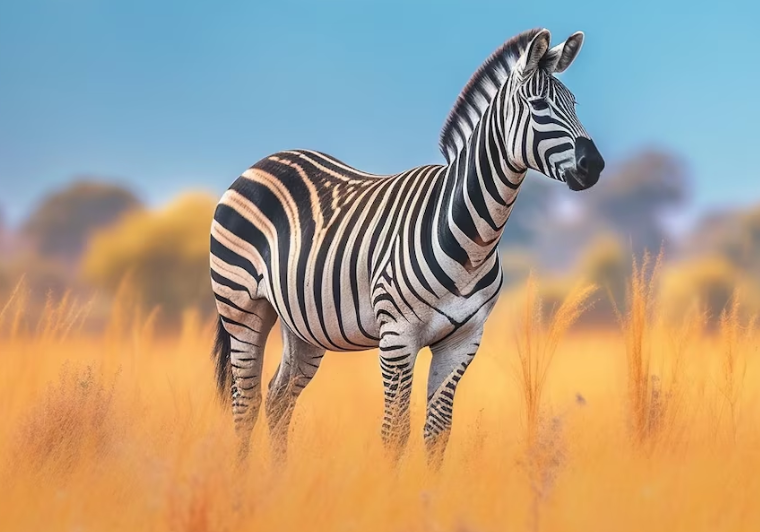
The Zebra is a species of wild horse found in Africa, known for its unique black-and-white striped coat. Zebras are herbivores that live in social groups called herds. Each zebra’s stripes are unique, much like human fingerprints. They are closely related to horses and donkeys but are distinguished by their striking coat pattern.
Quick Top 10 Facts about Zebra
| SCIENTIFIC NAME | Equus zebra (Zebra) |
| CLASSIFICATION | KINGDOM: Animalia CLASS: Mammalia ORDER: Perissodactyla FAMILY: Equidae PHYLUM: Chordata GENUS: Equus |
| SIZE | Height: 1.2–1.5 meters (4–5 feet) Weight: 220–450 kg (485–990 lbs) |
| HABITAT | Grasslands, savannas, and open woodlands across Africa |
| DIET | Herbivorous – Grass, leaves, shrubs, and bark |
| SPECIES | Zebra (genus *Equus*) – Includes several species such as the Plains Zebra, Grevy’s Zebra, and Mountain Zebra |
| COUNTRY | Found primarily in sub-Saharan Africa, with specific species found in different regions |
| GESTATION PERIOD | 11–13 months |
| LIFE SPAN | 25–30 years in the wild; up to 40 years in captivity |
| CONSERVATION STATUS | Varies by species – Some species like Grevy’s Zebra are endangered, while others are of least concern |
Facts about zebras as a species in the animal kingdom
African grasslands are home to the interesting animals known as zebras. These magnificent creatures are readily recognised because of their characteristic black and white stripes. Zebras are more than simply their amazing looks, however. They are renowned for their gregarious nature and keen sense of herding; they are members of the Equidae family, which also includes horses and donkeys. More facts about zebras are:
Physical appearance of zebras, including their striped coat
African zebras are distinctive due to the striking black and white stripes on their coats. Zebras are different from other horses around the globe, yet despite their differences in temperament and stripes, they still have certain amazing characteristics. Here are a few zebra-related facts you may not be aware of.
1. Distinctive Stripes:
Every zebra has a different appearance. It’s possible for zebra siblings to have distinct stripe patterns. Similar to other features of animal camouflage, scientists surmise that these stripes aid in confusing predators.
2. Zebras are quick.
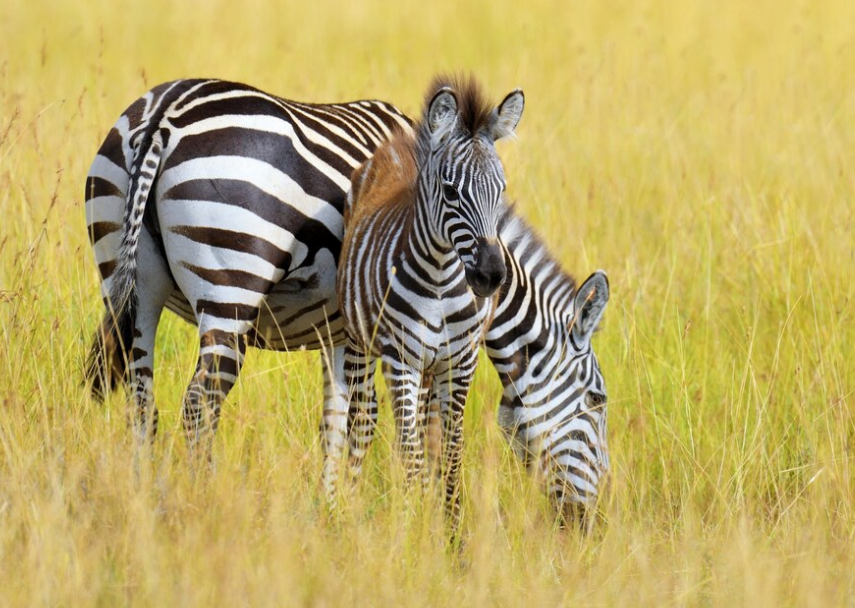
In part because of their large, powerful legs, zebras can go up to 40 mph. This comes particularly handy while attempting to evade lions and cheetahs, among other predatory creatures.
3. Zebras are social animals.
Zebras inhabit herds, which are social groupings. Zebra numbers in herds may vary from a few individuals to more than 200. The herd is led by females, who are often composed of several adult females and their progeny, together with one dominant male.
4. Zebras are herbivorous.
Found in Africa’s grasslands and savannas, zebras are the only animals that consume plants. They have developed robust teeth to aid in the grinding of more resilient grasses and leaves.
5. Zebras are in trouble:
As a result of the spread of human activity, natural zebra habitats are becoming smaller, and as a result, certain populations are now classified as vulnerable on the Red List of the International Union for Conservation of Nature. Conflicts with human populations in Africa, including poaching, meat hunting, habitat damage, and other issues, are partly to blame for this.
What zebras eat and how they obtain their food
Zebras are herbivores, which means that grass and other plants are their main sources of food. They are able to effectively absorb nutrients from fibrous, hardy plants because of their special digestive mechanism. They can feed on coarse grasses that many other herbivores find difficult to eat because of their robust teeth and powerful jaws. In addition, zebras have an excellent sense of smell, which aids them in finding the optimum spots to graze.
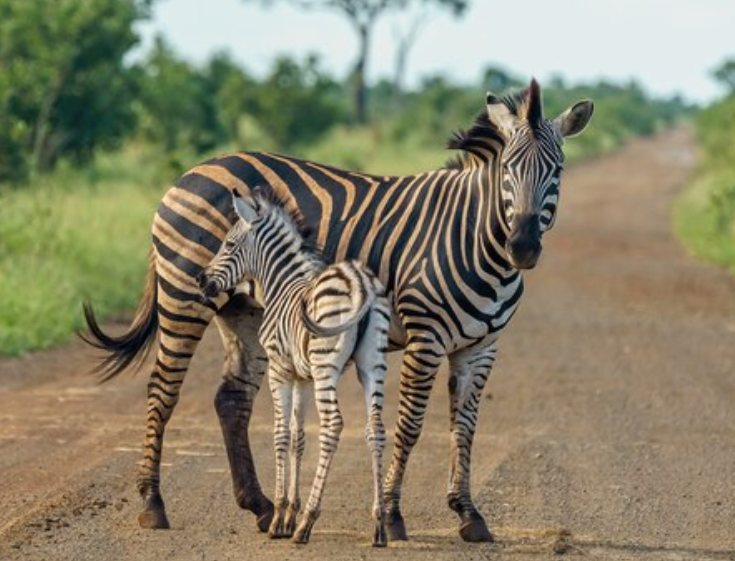
Social behaviour of zebras, including their herding nature
The capacity of zebras to communicate via a variety of vocalisations and body language is an intriguing feature about them. They communicate with their herd mates in numerous ways by using noises like whinnies, snorts, and barks. Zebras can communicate with one another via body postures, tails, and ears. For instance, a zebra will lift its tail and prick its ears back as a warning when it feels threatened. In order to preserve social cohesiveness within the herd and guarantee their safety in the wild, these communication techniques are essential.
Facts about zebras in the animal kingdom and the need for their conservation
Zebras are amazing animals, distinguished by their characteristic black and white stripes. We’ll look at some fascinating zebra facts in this blog article.
1. Range and Habitat
Africa’s savannas and grasslands are home to zebras. They are found in several nations, including Namibia, South Africa, Tanzania, and Kenya.
2. Insignia
Zebras use their black and white stripes as a kind of camouflage and defence against predators. Their distinct striped design also aids in confusing and discouraging insects like flies.
3. The Social Context
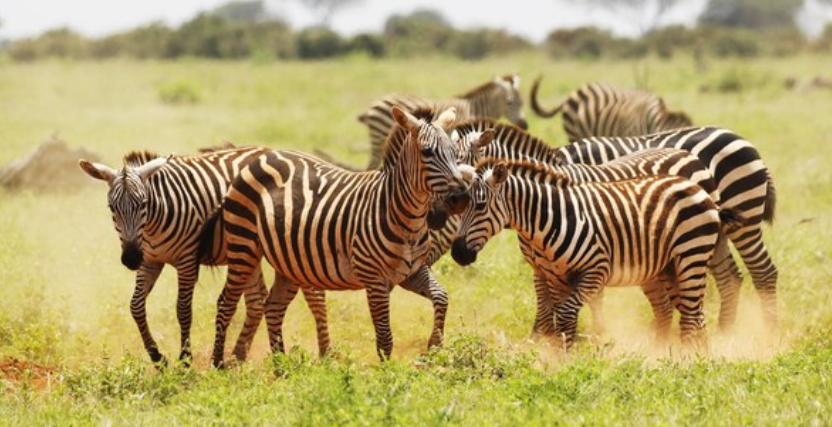
Zebras are gregarious creatures that reside in harems, which are small family groupings. A dominant male, many females, and their young make up these harems. They use scent marking, body language, and vocalisations to communicate.
4. Nutrition
As herbivores, zebras mostly consume grass and other plants for food. Their digestive tract is uniquely designed to break down fibrous and tough plant matter.
5. Procreation
A single foal is born to female zebras after a gestation period of around 12–13 months. Soon after birth, the foal is able to stand and move.
6. Conservation and Dangers
In the wild, zebras are threatened by a number of factors, such as habitat degradation, killing, and competition with domestic cattle for resources. The main goals of conservation efforts are to preserve the animals’ natural habitats and put policies in place to stop poaching.
FAQ (frequently asked questions) about Zebra
Q: What is a Zebra?
Ans: A zebra is a wild equid native to Africa, known for its distinctive black-and-white striped coat. There are three main species of zebras: the Plains Zebra, the Grevy’s Zebra, and the Mountain Zebra.
Q: Where do Zebras live?
Ans: Zebras are found in various parts of Africa, primarily in grasslands, savannas, and mountainous regions. They are most commonly found in countries like South Africa, Namibia, Kenya, and Tanzania.
Q: What do Zebras eat?
Ans: Zebras are herbivores and primarily graze on grass, leaves, and shrubs. They may also eat bark, stems, and fruits, depending on the season and availability of food.
Q: How do Zebras defend themselves?
Ans: Zebras rely on their speed and agility to escape predators. They may also form tight-knit groups and use their powerful kicks and bites to fend off threats, especially when threatened by predators like lions and hyenas.
Q: How do Zebras reproduce?
Ans: Zebras typically give birth to one foal after a gestation period of about 12-13 months. The foal is born fully hooved and can stand and walk within a few hours. Zebra foals are usually cared for by their mothers and are part of a family group.
Q: Are Zebras endangered?
Ans: While the Plains Zebra is abundant and not currently endangered, the Grevy’s Zebra and Mountain Zebra are considered endangered or vulnerable due to habitat loss, poaching, and competition for resources with livestock.
Q: How long do Zebras live?
Ans: Zebras can live up to 20-30 years in the wild, depending on factors like predation, food availability, and health. In captivity, they can live even longer with proper care and protection from threats.
Q: What are the physical characteristics of Zebras?
Ans: Zebras are medium-sized equids with a robust body, long legs, and distinctive black-and-white stripes. The pattern of stripes is unique to each individual, much like human fingerprints. They have long manes, and their tails resemble those of horses.
Q: Do Zebras form social groups?
Ans: Yes, zebras are social animals that live in groups called harems. A typical harem consists of one male, several females, and their offspring. Zebras also form larger herds for migration or when food and water are plentiful.
Q: Why do Zebras have stripes?
Ans: The stripes on a zebra’s coat are believed to help with camouflage, confuse predators, and regulate body temperature. Some theories also suggest that the stripes may help repel biting insects like tsetse flies.
#Zebra, #WildlifePhotography, #AfricanWildlife, #StripedBeauty, #NatureLovers, #WildAnimals, #SafariAnimals, #AnimalLovers, #ZebraLove, #WildlifeConservation, #ZebraPattern, #EndangeredSpecies, #MammalsOfAfrica, #NaturePhotography, #SafariLife
Our sources and references about Zebra
1: Wikipedia – Zebra
2: National Geographic – Zebra Facts
3: IUCN Red List – Zebra Conservation Status
4: Encyclopaedia Britannica – Zebra