Intriguing Facts About Asiatic Black Bear
The Asiatic Black Bear is one of Asia’s most fascinating and recognisable wild mammals. Famous for its distinctive crescent-shaped white chest marking and exceptional climbing abilities, this remarkable bear inhabits forests and mountainous regions across much of Asia. Wildlife enthusiasts, conservationists and researchers continue to study this intelligent species because of its unique behaviours and ecological importance.
Known commonly as the Moon Bear, the Asiatic Black Bear plays a significant role in maintaining healthy forest ecosystems. From dispersing seeds to controlling insect populations, this adaptable omnivore contributes to biodiversity throughout its range. Whether you are interested in wildlife conservation, animal behaviour or nature photography, the Asiatic Black Bear offers countless fascinating insights into the natural world.
Quick Top 10 Facts About Asiatic Black Bear
| SCIENTIFIC NAME | Ursus thibetanus |
| CLASSIFICATION | KINGDOM: Animalia CLASS: Mammalia ORDER: Carnivora FAMILY: Ursidae PHYLUM: Chordata GENUS: Ursus |
| SIZE | 1.2–1.9 metres in length and up to 200 kilograms in weight |
| HABITAT | Temperate forests, mountain woodlands, subtropical forests and mixed forests |
| DIET | Omnivorous – fruits, berries, nuts, insects, honey, roots and small animals |
| SPECIES | Asiatic Black Bear (Ursus thibetanus) with several recognised subspecies |
| COUNTRY | Found across India, Nepal, Bhutan, China, Japan, Russia, Korea and Southeast Asia |
| GESTATION PERIOD | Approximately 6–8 months, including delayed implantation |
| LIFE SPAN | Typically 20–30 years in the wild and over 35 years in captivity |
| CONSERVATION STATUS | Vulnerable (IUCN Red List) |
Distinctive Moon-Shaped Chest Mark
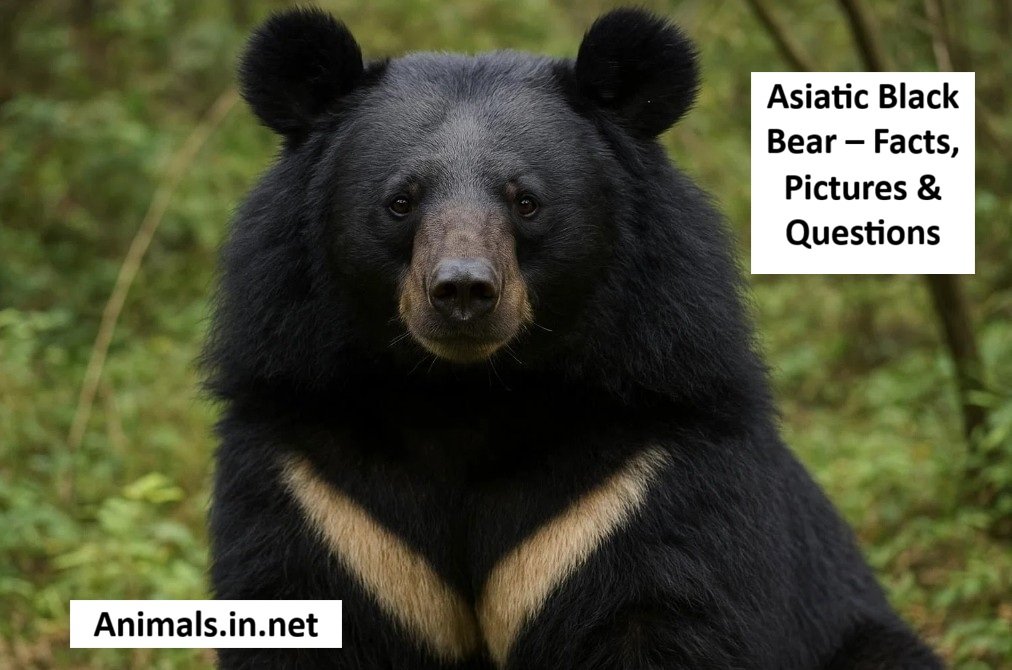
One of the most remarkable features of the Asiatic Black Bear is the white or cream-coloured crescent marking on its chest. This unique feature resembles a moon shape, giving rise to its popular nickname, the Moon Bear. The marking varies slightly among individuals and helps distinguish this species from other bears.
Exceptional Tree Climbing Ability
The Asiatic black bear is among the most skilled climbers within the bear family. Young bears spend significant time in trees, while adults climb to access fruits, nuts and honey. Their powerful claws and strong limbs allow them to move effortlessly through forest canopies, helping them find food and avoid danger.
Unveiling Fascinating Facts About Asiatic Black Bear
The Asiatic Black Bear combines strength, intelligence and adaptability, making it one of the most successful large mammals across Asia. This species occupies a variety of habitats and demonstrates remarkable behavioural flexibility. Its ecological contributions help maintain healthy forest environments and support biodiversity.
From its impressive climbing skills to its vital role in seed dispersal, the Asiatic Black Bear continues to capture the attention of scientists and wildlife enthusiasts alike. Below are some extraordinary facts that highlight the importance of this magnificent mammal.
Wide Distribution Across Asia
The Asiatic Black Bear inhabits a vast range stretching from the Himalayas to eastern Russia and Japan. This broad geographical distribution demonstrates the species’ ability to adapt to different climates, elevations and vegetation types.
Powerful Sense Of Smell
Like other bear species, the Asiatic Black Bear possesses an exceptional sense of smell. It can locate food sources from great distances and identify potential dangers within its environment. This powerful sensory adaptation contributes significantly to its survival.
Highly Varied Omnivorous Diet
The Asiatic Black Bear consumes a wide variety of foods throughout the year. Its diet includes berries, acorns, chestnuts, roots, insects, honey and occasionally small mammals. This flexibility allows it to thrive in changing seasonal conditions.
Important Forest Seed Disperser
Asiatic Black Bears play a vital ecological role by dispersing seeds through their droppings. After consuming fruits and berries, they transport seeds across large distances, supporting forest regeneration and increasing plant diversity.
Intelligent And Curious Behaviour
Researchers have documented impressive intelligence among Asiatic Black Bears. They demonstrate problem-solving abilities, strong memory and curiosity when exploring their surroundings. These cognitive traits help them adapt to complex environments.
Seasonal Hibernation Patterns
In colder regions, Asiatic Black Bears enter dens during winter months. Before hibernation, they consume large quantities of food to build fat reserves. This adaptation allows them to survive periods when food availability decreases significantly.
Strong Yet Agile Mammal
Despite their substantial size, Asiatic Black Bears move with surprising agility. They run quickly, climb efficiently and navigate steep mountain terrain with ease. Their physical abilities make them highly adaptable forest inhabitants.
Communication Through Body Language
These bears communicate using vocalisations, scent markings and body language. They establish territories, attract mates and signal potential threats through a combination of behavioural cues and chemical communication.
Conservation Challenges Persist
Habitat destruction, illegal hunting and human-wildlife conflict remain significant threats to Asiatic Black Bear populations. Conservation organisations work to protect habitats, strengthen wildlife laws and promote coexistence between bears and local communities.
Cultural Importance In Asia
The Asiatic Black Bear features prominently in folklore, traditions and cultural stories throughout Asia. Many communities view the species as a symbol of strength, resilience and wilderness, reflecting its longstanding relationship with people.
Asiatic Black Bear Population Insights
| Characteristic | Level |
|---|---|
| Climbing Ability | ★★★★★ |
| Intelligence | ★★★★☆ |
| Adaptability | ★★★★☆ |
| Sense of Smell | ★★★★★ |
| Conservation Concern | ★★★★☆ |
Top 10 Quick Facts
- Known worldwide as the Moon Bear.
- Recognisable by its white crescent chest patch.
- Excellent climber compared with most bear species.
- Found throughout many Asian countries.
- Possesses an extremely powerful sense of smell.
- Consumes both plant and animal matter.
- Plays a major role in seed dispersal.
- Can live more than 30 years.
- Classified as Vulnerable.
- Important indicator of forest ecosystem health.
Ecological Importance Explained
The Asiatic Black Bear contributes significantly to ecosystem stability. By dispersing seeds, regulating insect populations and influencing vegetation growth, it helps maintain ecological balance. Healthy bear populations often indicate thriving forests rich in biodiversity and natural resources.
Future Conservation Efforts
Wildlife conservation programmes continue to focus on protecting bear habitats, reducing illegal wildlife trade and educating local communities. Long-term conservation success depends on preserving forests and encouraging sustainable coexistence between humans and wildlife.
FAQ (Frequently Asked Questions) About Asiatic Black Bear
Q: What is an Asiatic black bear?
Ans: An Asiatic black bear is a medium-sized bear species native to forests and mountains throughout Asia.
Q: Why is it called a moon bear?
Ans: It receives this nickname from the crescent-shaped white marking on its chest.
Q: What do Asiatic Black Bears eat?
Ans: They eat fruits, nuts, insects, roots, honey and occasionally small animals.
Q: Are Asiatic Black Bears endangered?
Ans: They are classified as vulnerable due to habitat loss and other threats.
Q: Can Asiatic Black Bears climb trees?
Ans: Yes, they are excellent climbers and frequently forage in trees.
Conclusion:
The Asiatic Black Bear remains one of Asia’s most extraordinary mammals. Its intelligence, climbing skills, ecological importance and distinctive appearance make it an essential component of forest ecosystems. Continued conservation efforts will help protect this iconic species and preserve the biodiversity of Asia’s forests for future generations. Understanding and appreciating the Asiatic Black Bear encourages stronger support for wildlife conservation and habitat protection worldwide.
#AsiaticBlackBear, #MoonBear, #BearFacts, #WildlifeConservation, #AsianWildlife, #ForestAnimals, #WildlifePhotography, #NatureFacts, #AnimalLovers, #Biodiversity, #WildlifeEducation, #EndangeredSpecies, #NatureConservation, #MountainWildlife, #WildAnimals