Comprehending the complexities of the animal world is an advantageous skill that includes a broad spectrum of knowledge about different species. This includes an understanding of animals’ behavior, habitats, and distinctive features, in addition to fundamental information about them. People who are well-versed in animal facts are better able to recognize the variety of life on Earth and the significance of conservation initiatives. When examining and safeguarding various species, it also helps scientists and researchers to make well-informed judgments.
Discovering the intriguing field of zoology—which studies animals and their interactions with their surroundings—entails learning about interesting animal facts. Animal anatomy, physiology, and taxonomy are just a few of the many subjects covered in this area of study. Through investigating these regions, people may learn more about how creatures have changed throughout time and adapted to their environments. For conservationists to identify dangers to various species and create plans to conserve them, this information is essential.
One of the largest snake species in the world, native to South America. Known for its immense size, anacondas are powerful constrictors that prey on large mammals and aquatic creatures.…
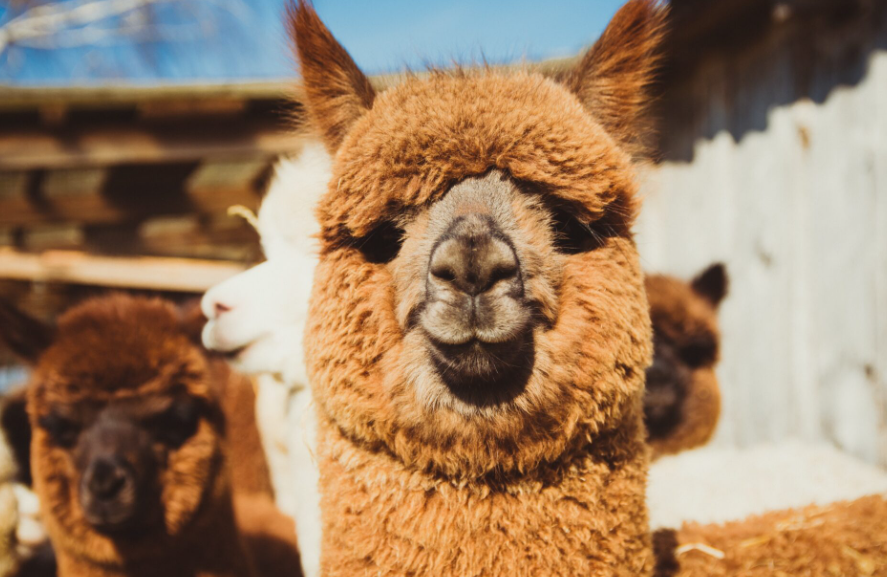
A domesticated South American mammal related to the llama. Alpacas are prized for their soft, luxurious fleece, used in textiles, and are known for their gentle, social nature. Quick Top…
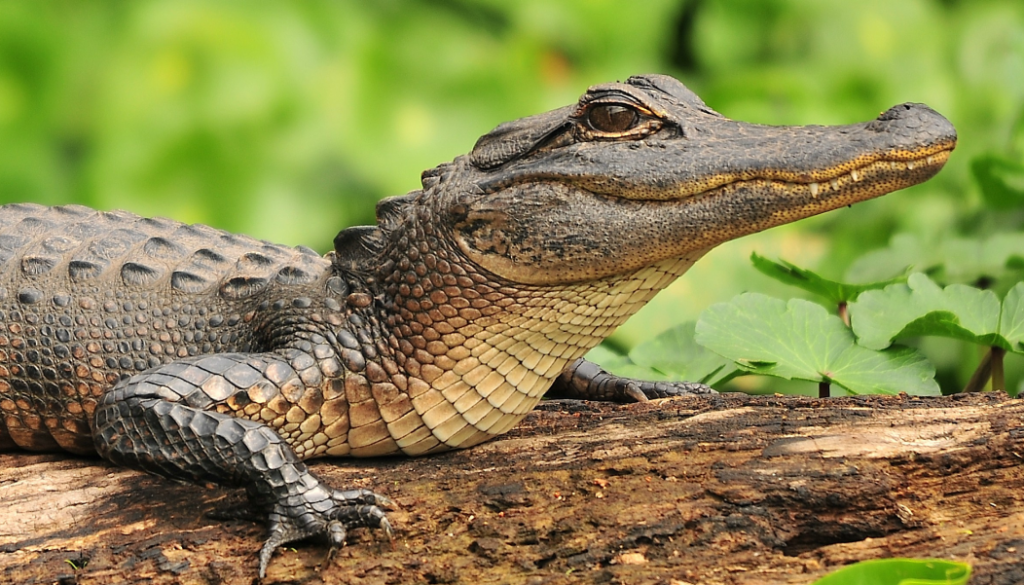
A large reptile native to the southeastern United States, recognized for its powerful jaws and aggressive behavior. Alligators thrive in freshwater environments such as swamps and rivers. Quick Top 10…