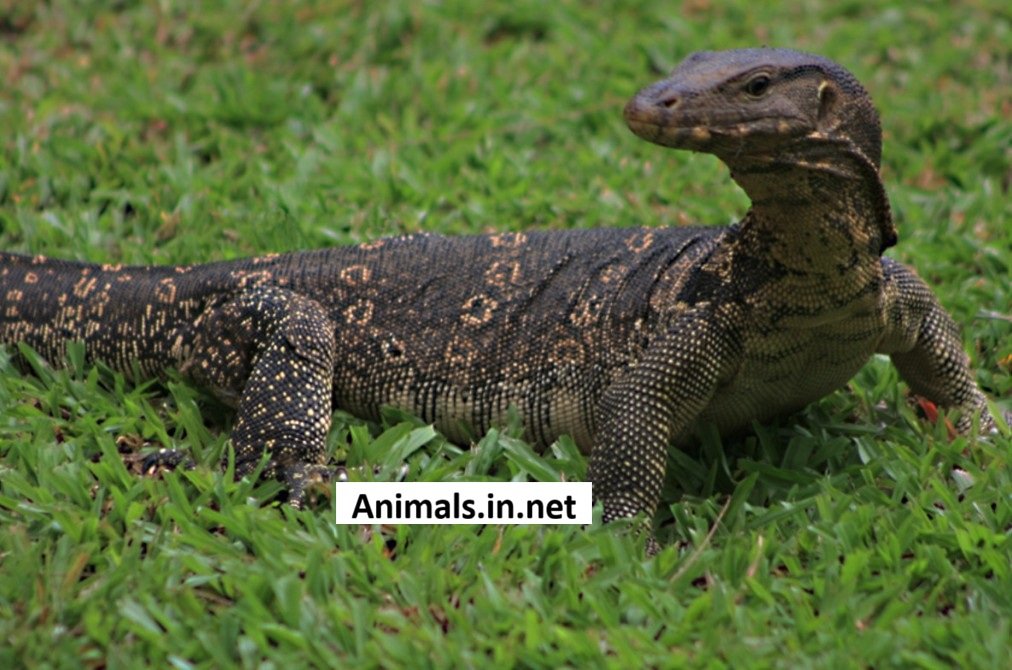
Intriguing Facts about Asian Water Monitor
The Asian Water Monitor is one of the most impressive and widely distributed monitor lizards across South and Southeast Asia. Known scientifically as Varanus salvator, this semi-aquatic reptile is admired for its intelligence, adaptability, and powerful swimming ability. It thrives in diverse environments such as rivers, mangroves, wetlands, and even urban canals, making it one of the most successful large reptiles on the continent.
Asian water monitors are often misunderstood due to their size and appearance, yet they play a crucial ecological role. They help maintain environmental balance by scavenging dead animals and controlling populations of smaller species. Their survival skills, combined with their ability to adapt to human-altered landscapes, make them a fascinating subject for wildlife researchers and nature enthusiasts.
From their powerful tails to their sharp senses and opportunistic feeding behaviour, these reptiles demonstrate remarkable evolutionary success. Understanding them offers valuable insight into wetland ecosystems and biodiversity conservation across Asia.
Quick Top 10 Facts about Asian Water Monitor
| SCIENTIFIC NAME | Varanus salvator |
| CLASSIFICATION | KINGDOM: Animalia PHYLUM: Chordata CLASS: Reptilia ORDER: Squamata FAMILY: Varanidae GENUS: Varanus |
| SIZE | Commonly 1.5–2.5 metres, with exceptional individuals exceeding 3 metres |
| HABITAT | Wetlands, rivers, mangroves, swamps, coastal areas, and urban waterways |
| DIET | Opportunistic carnivore feeding on fish, birds, eggs, rodents, crabs, insects, and carrion |
| SPECIES | Varanus salvator with several recognised subspecies across Asia |
| DISTRIBUTION | India, Sri Lanka, Bangladesh, Myanmar, Thailand, Malaysia, Indonesia, and nearby regions |
| EGG INCUBATION | Approximately 6–8 months depending on temperature and humidity |
| LIFESPAN | 10–20 years in the wild, up to 25 years in captivity |
| CONSERVATION STATUS | Least Concern (IUCN), though local populations face habitat pressure |
Remarkable Swimming Adaptation
The Asian water monitor is an exceptional swimmer, perfectly adapted to aquatic environments. Its long, muscular tail acts as a strong propulsion tool, allowing it to move quickly through water with minimal effort. It often dives beneath the surface to escape predators or hunt prey, staying submerged for several minutes at a time. This ability gives it a significant advantage in wetlands and river systems.
Intelligence and Survival Skills
This species demonstrates notable intelligence compared with many reptiles. It can learn feeding patterns, recognise safe routes, and adapt its behaviour based on environmental changes. In urban areas, Asian water monitors have been observed navigating drainage systems and locating food sources near human settlements, showing impressive adaptability and problem-solving ability.
Unveiling Fascinating Facts About Asian Water Monitor
Asian water monitors are among the most ecologically important reptiles in Asia. Their ability to survive in diverse environments, from dense forests to busy cities, highlights their evolutionary success. They are both predators and scavengers, contributing significantly to maintaining ecosystem balance.
Wide Geographic Distribution
The Asian Water Monitor has one of the largest distributions among monitor lizards. It is found across South and Southeast Asia, thriving in tropical and subtropical climates. Its ability to occupy freshwater and coastal ecosystems makes it highly adaptable and resilient to environmental change.
Diverse Habitat Range
This species occupies a wide variety of habitats, including rivers, mangroves, swamps, agricultural fields, and urban waterways. Its semi-aquatic nature allows it to move easily between land and water, giving it access to multiple food sources and safe shelter options.
Diet and Feeding Behaviour
Asian water monitors are opportunistic feeders with a highly varied diet. They consume both live prey and carrion, which helps maintain ecological cleanliness. Their diet includes fish, birds, reptiles, eggs, crustaceans, insects, and small mammals. This flexibility ensures survival even in environments where food availability fluctuates.
Physical Features and Strength
These reptiles possess a powerful body structure designed for survival. Their strong limbs allow them to climb and dig efficiently, while their sharp claws help in capturing prey. Their forked tongue enhances their sense of smell, enabling them to detect food from a distance. The tough, scaled skin provides protection against predators and environmental hazards.
Reproduction and Life Cycle
Breeding usually occurs during warm and wet seasons. Females lay eggs in burrows or termite mounds, which provide stable temperature conditions for incubation. Hatchlings are independent from birth and must quickly learn to survive in challenging environments where predators are common.
Ecological Importance
Asian water monitors play a vital role in maintaining ecological balance. As scavengers, they prevent the spread of disease by consuming dead animals. As predators, they help control populations of smaller species. This dual role makes them essential contributors to healthy wetland ecosystems.
Human Interaction and Behaviour
In many regions, these reptiles live close to human settlements. While their appearance may seem intimidating, they generally avoid conflict and prefer to retreat when encountered. Their presence near human habitats often benefits local ecosystems by controlling pests such as rodents.
Conservation and Threats
Although currently listed as Least Concern, Asian Water Monitors face threats from habitat destruction, pollution, and illegal hunting in certain regions. Urbanisation continues to reduce wetland areas, making conservation of natural habitats increasingly important for their long-term survival.
Evolutionary Background
Monitor lizards have ancient evolutionary origins, dating back millions of years. The Asian Water Monitor represents one of the most successful branches of this lineage, having adapted to diverse environmental conditions while retaining strong survival traits.
FAQ (frequently asked questions) about Asian Water Monitor
Q: What is an Asian water monitor?
Ans: It is a large semi-aquatic lizard species found across Asia.
Q: How big can an Asian water monitor grow?
Ans: It can exceed 3 metres in length in rare cases.
Q: What does an Asian water monitor eat?
Ans: It eats fish, birds, eggs, reptiles, insects, and carrion.
Q: Is the Asian water monitor dangerous?
Ans: It is generally not dangerous and avoids human contact.
Q: Where does the Asian water monitor live?
Ans: It lives in wetlands, rivers, mangroves, and urban waterways.
#AsianWaterMonitor, #MonitorLizard, #ReptileFacts, #WildlifeAsia, #NatureEducation, #Biodiversity, #WetlandEcosystem, #WildlifePhotography, #AnimalFacts, #Ecology
Our sources and references about Asian Water Monitor
1: Wikipedia
2: Animal Diversity Web
3: Encyclopaedia Britannica