Comprehending the complexities of the animal world is an advantageous skill that includes a broad spectrum of knowledge about different species. This includes an understanding of animals’ behavior, habitats, and distinctive features, in addition to fundamental information about them. People who are well-versed in animal facts are better able to recognize the variety of life on Earth and the significance of conservation initiatives. When examining and safeguarding various species, it also helps scientists and researchers to make well-informed judgments.
Discovering the intriguing field of zoology—which studies animals and their interactions with their surroundings—entails learning about interesting animal facts. Animal anatomy, physiology, and taxonomy are just a few of the many subjects covered in this area of study. Through investigating these regions, people may learn more about how creatures have changed throughout time and adapted to their environments. For conservationists to identify dangers to various species and create plans to conserve them, this information is essential.
Yorkiepoo: the Cute Hybrid Breed The Yorkiepoo is a beloved hybrid dog that combines the best qualities of the Yorkshire Terrier (Yorkie) and the Poodle. This small and affectionate dog…
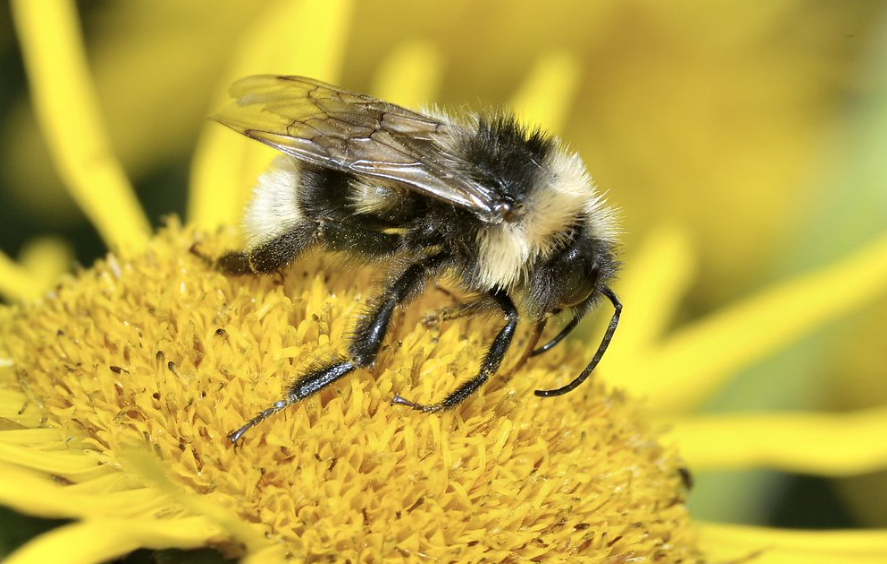
Introduction to Yellowish Cuckoo Bumblebee One interesting bumblebee species with a distinctive and captivating behaviour is the Yellowish Cuckoo Bumblebee (Bombus cullumanus). Cuckoo bumblebees, such as the Yellowish Cuckoo Bumblebee,…
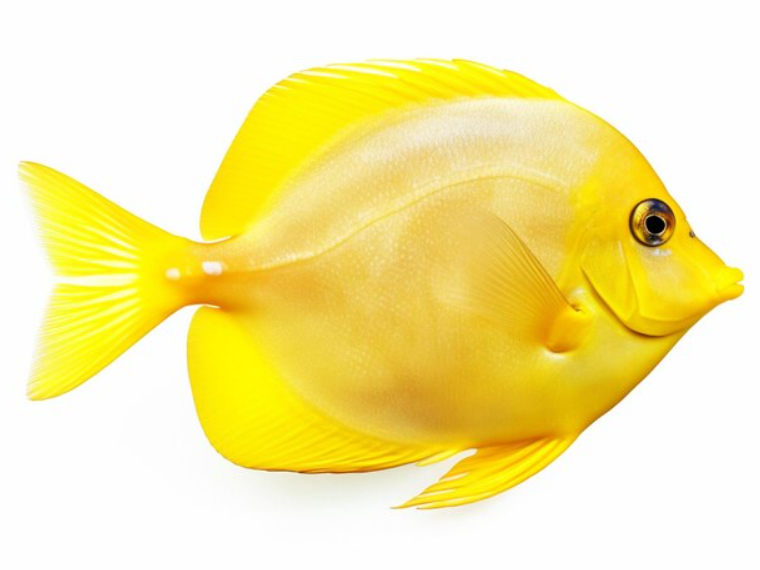
The Yellow Tang (Zebrasoma flavescens) is a popular and eye-catching fish species. This species is currently one of the most well-known and frequently kept fish in both home aquariums and…
Introduction to the Distinct Reptile, the Yellow-Spotted Lizard The yellow-spotted lizard is a fascinating and beautiful creature, renowned for its unique appearance and connection to numerous stories, especially in literature.…
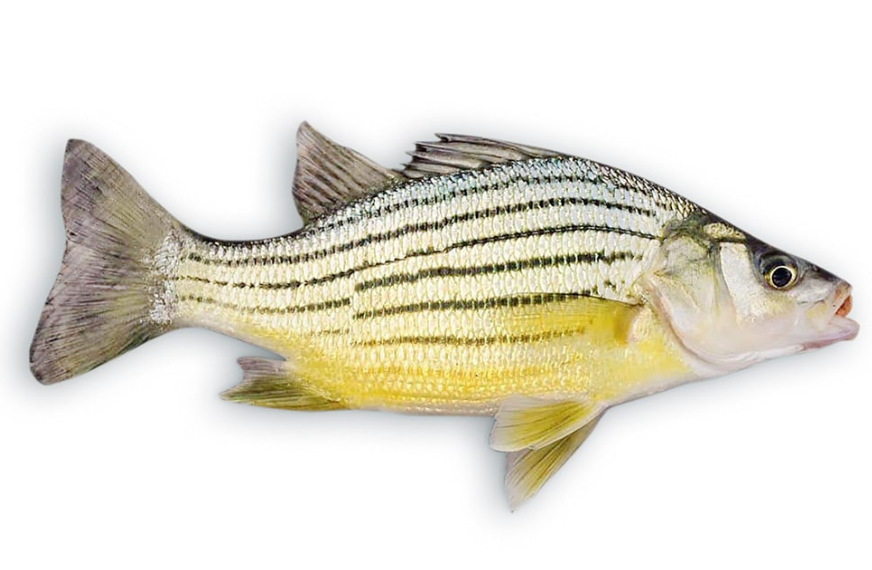
Introduction to Yellow Bass: A Popular Game Fish The Moronidae family of freshwater fish, which includes well-known species like the white bass and striped bass, also contains the yellow bass…
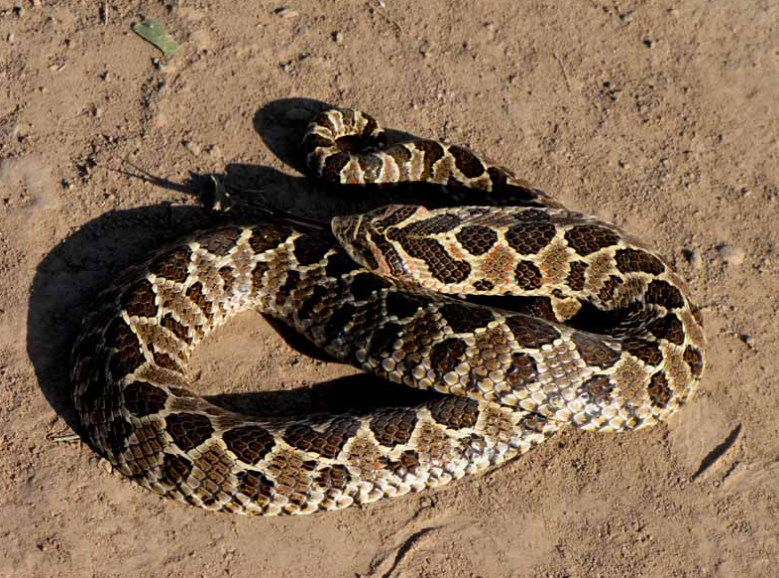
Yarará: South America's Poisonous Snake The South American yarará, technically known as Bothrops alternatus, is a highly poisonous pit viper. Also called the Southern crotaline or the Argentine pit viper,…
A Complete Guide to the Intriguing Freshwater Crustacean Yabby The name "yabby" describes a kind of freshwater crayfish that is mostly found in Australia and has drawn interest due to…
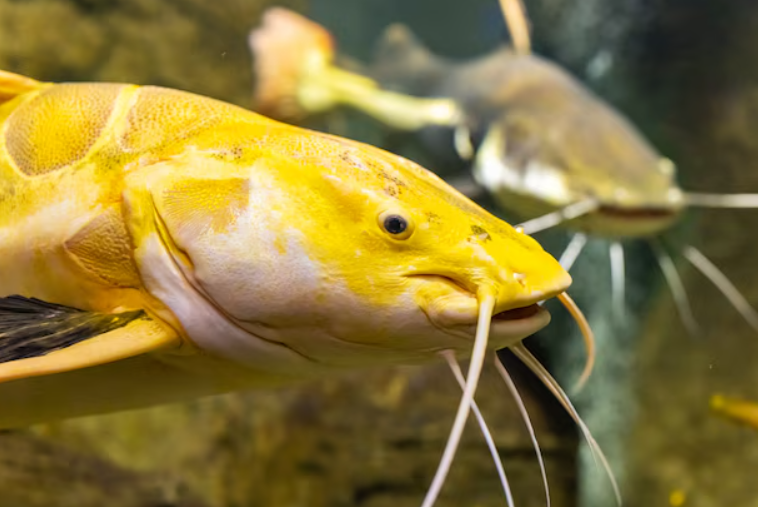
A Hands-on Guide to the Intriguing Yellow Bullhead Catfish Throughout North America, freshwater rivers, lakes, and ponds are home to the fascinating Yellow Bullhead Catfish (Ameiurus natalis). Anglers often pursue…
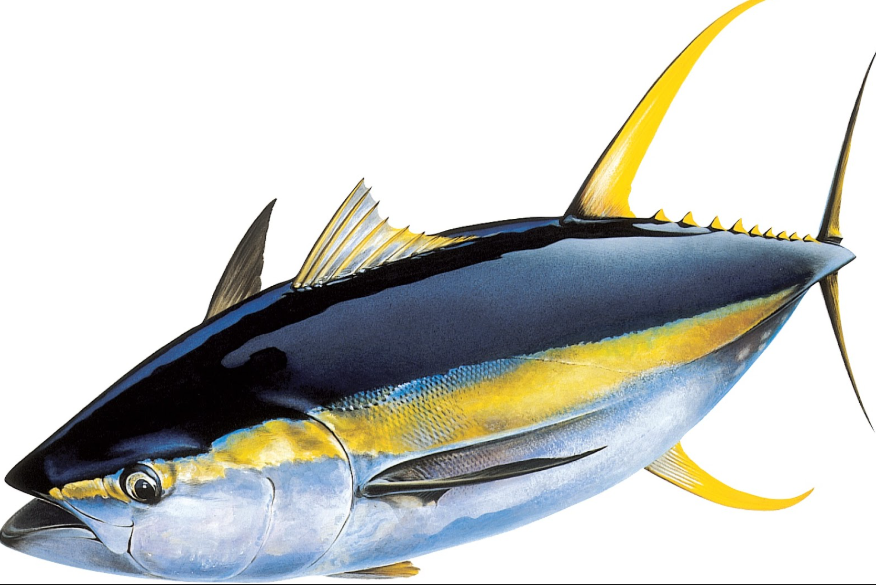
Introduction to Yellowfin Tuna Yellowfin tuna (Thunnus albacares) is one of the world’s most popular and valuable fish species. This vibrant, fast-swimming fish has become a prized catch for both…
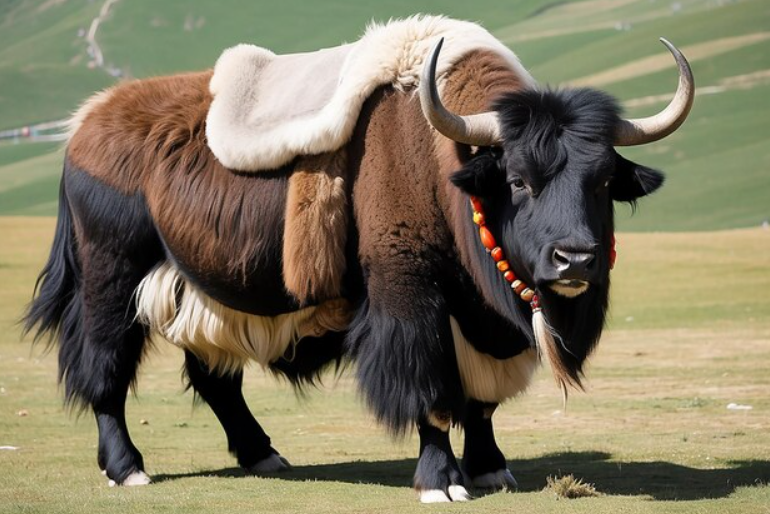
Yak: The Magnificent and Multipurpose Mountain Animal Bos grunniens, the scientific name for the yak, is a large domesticated animal indigenous to Central Asia, the Tibetan Plateau, and the rocky…
The Yakutian Laika is a dog breed from Siberia, Russia. It is known for its stamina and resilience in harsh cold climates. This breed was originally used for herding reindeer…
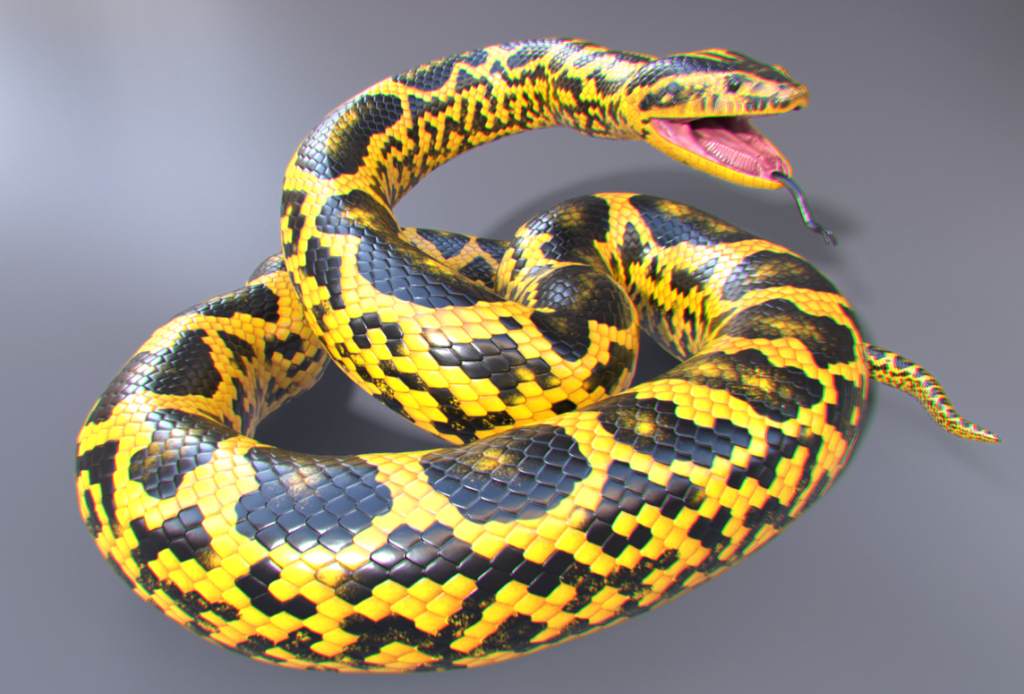
The yellow anaconda (Eunectes notaeus) is a non-venomous, semi-aquatic snake native to South America, particularly found in Paraguay, Bolivia, northern Argentina, and southern Brazil. It is the smaller cousin of…