Comprehending the complexities of the animal world is an advantageous skill that includes a broad spectrum of knowledge about different species. This includes an understanding of animals’ behavior, habitats, and distinctive features, in addition to fundamental information about them. People who are well-versed in animal facts are better able to recognize the variety of life on Earth and the significance of conservation initiatives. When examining and safeguarding various species, it also helps scientists and researchers to make well-informed judgments.
Discovering the intriguing field of zoology—which studies animals and their interactions with their surroundings—entails learning about interesting animal facts. Animal anatomy, physiology, and taxonomy are just a few of the many subjects covered in this area of study. Through investigating these regions, people may learn more about how creatures have changed throughout time and adapted to their environments. For conservationists to identify dangers to various species and create plans to conserve them, this information is essential.
Swans are large, graceful waterfowl known for their long necks and white plumage (though some species, such as the black swan, are dark). Swans are often found in lakes, rivers,…
Tigers are the largest members of the cat family and are known for their powerful build, striking orange coat with black stripes, and solitary nature. Native to Asia, tigers are…
Rabbits are small mammals known for their long ears, fluffy tails, and strong hind legs. They are herbivores, primarily feeding on grass, leaves, and vegetables. Rabbits are prolific breeders and…
Whales are the largest animals on Earth and are known for their intelligence, complex communication, and breathtaking size. These marine mammals play a vital role in maintaining ocean ecosystems and…
Turtles are reptiles that are characterized by their bony or cartilaginous shells, which provide protection from predators. Turtles are found in a variety of environments, from oceans and rivers to…
The Wolf Spider is a species of spider known for its large size and aggressive behavior. Unlike most spiders, wolf spiders do not spin webs to catch prey. Instead, they…
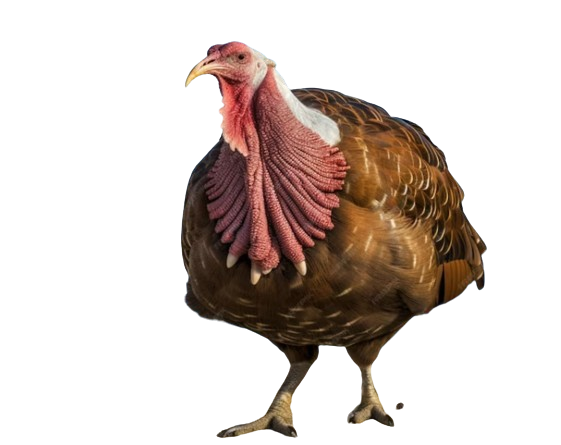
The turkey is a large bird native to North America, known for its fan-shaped tail and wattled neck. Wild turkeys are omnivorous and live in forests and grasslands. Domestic turkeys…
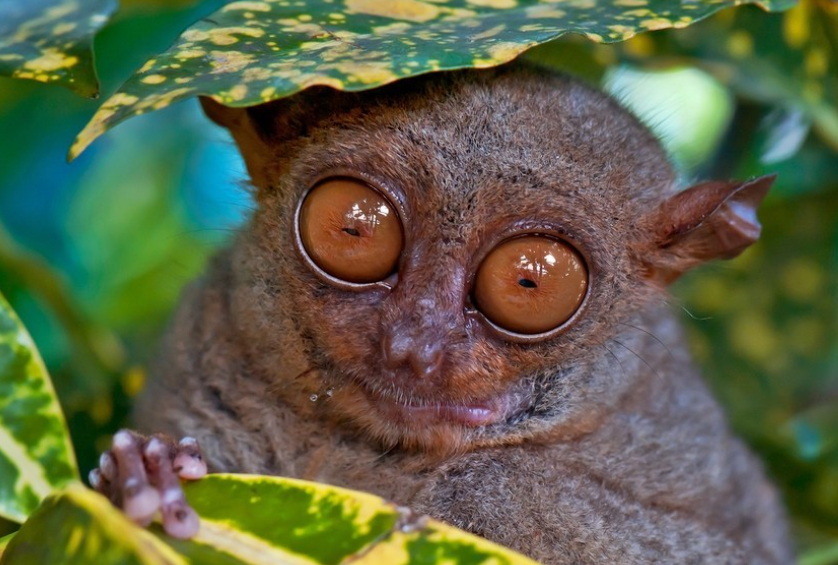
Tarsiers are small, nocturnal primates found in Southeast Asia. They are known for their enormous eyes and ability to leap from tree to tree in search of insects. Tarsiers are…
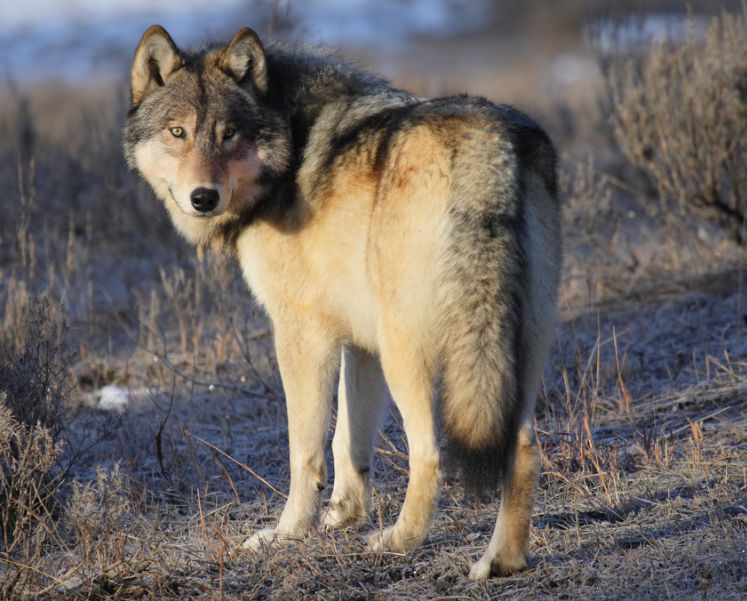
The Wolf is a carnivorous mammal known for its social structure, often living in packs. Wolves are highly intelligent and skilled hunters, capable of taking down large prey like deer,…
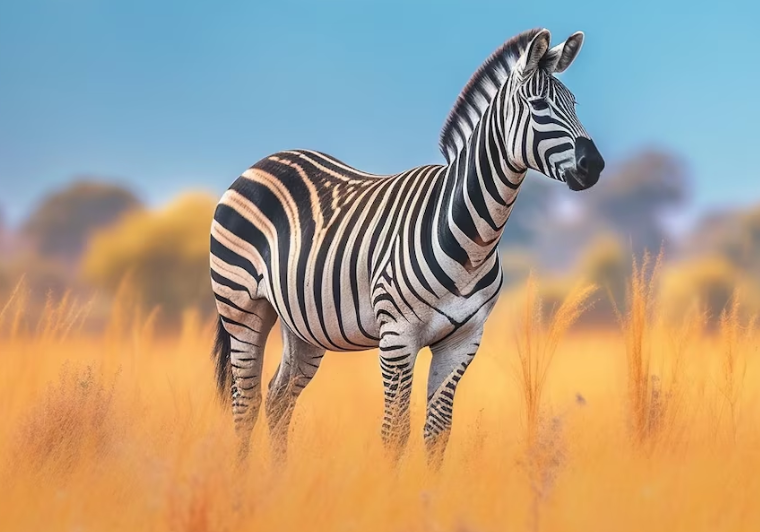
The Zebra is a species of wild horse found in Africa, known for its unique black-and-white striped coat. Zebras are herbivores that live in social groups called herds. Each zebra's…
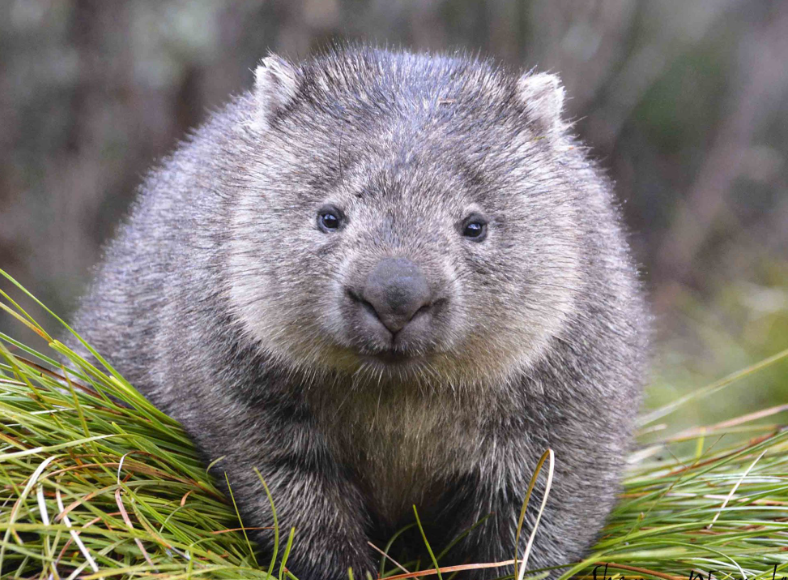
The Wombat is a burrowing marsupial found in Australia. They are known for their stocky, muscular bodies and backward-facing pouches. Wombats are herbivores, feeding primarily on grasses, roots, and shrubs.…
Bats are unique mammals known for being the only species capable of true flight. Found on every continent except Antarctica, bats play a crucial role in nature by pollinating plants,…