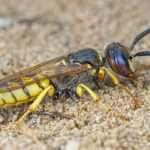
Quick Top 10 Facts about Beetle Bugs
| SCIENTIFIC NAME | Coleoptera (Order of Beetles) |
| CLASSIFICATION |
KINGDOM: Animalia CLASS: Insecta ORDER: Coleoptera FAMILY: Varies by species PHYLUM: Arthropoda GENUS: Varies |
| SIZE | Ranges from 0.25 mm to over 100 mm depending on species |
| HABITAT | Forests, grasslands, deserts, freshwater habitats, and even human dwellings |
| DIET | Herbivorous, carnivorous, detritivorous – includes plants, other insects, and decaying matter |
| SPECIES | Over 400,000 known species – making beetles the largest order of insects |
| COUNTRY | Found worldwide across all continents except Antarctica |
| GESTATION PERIOD | Varies by species; complete metamorphosis includes egg, larva, pupa, and adult stages |
| LIFE SPAN | From a few months to several years depending on the species |
| CONSERVATION STATUS | Most are not endangered; however, habitat loss and pollution threaten some species |
Amazing Facts About Beetle Bugs
1. Beetles are the most diverse group of insects
They account for about 40% of all insect species and about 25% of all known animal life-forms.
2. They have hard protective wing cases
Beetles are known for their elytra – the hard outer wings that cover and protect their flying wings.
3. Some beetles glow in the dark
Fireflies, a type of beetle, produce light through bioluminescence.
4. Beetles go through complete metamorphosis
Their life cycle includes four stages: egg, larva, pupa, and adult.
5. Some species are important pollinators
While bees often get credit for pollination, beetles were among the first pollinators in history.
6. They play key roles in ecosystems
Beetles help decompose plant and animal matter, recycle nutrients, and control pests.
7. Some beetles are pests
Species like the Colorado potato beetle and Japanese beetle can damage crops and plants.
8. They can survive in extreme environments
Beetles live in almost every habitat—from rainforests to deserts to alpine zones.
9. They vary greatly in appearance
Beetles come in many colors, shapes, and sizes—from bright iridescent scarabs to small, dull weevils.
10. Some beetles can spray chemicals
Like the bombardier beetle, which defends itself by releasing a hot chemical spray from its abdomen.
Introduction to beetles as a diverse group of beetle insects
The beetle, often called a bug or an insect in the Coleoptera order, is a fascinating creature that has drawn the attention of scientists and naturalists alike. With over 400,000 recognised species, beetles are the largest group of insects on Earth. Nearly all types of ecosystems, including freshwater, marine, and desert environments, are home to these incredible creatures. We should appreciate and learn more about these fascinating creatures, beetles. They are an outstanding subject for research and study due to their remarkable diversity, adaptability, and ecological relevance. If you see a ladybird in your garden or are amazed by the intricate patterns on a beetle’s
Description of beetle bug physical characteristics
One of the most amazing things about beetles is the incredible diversity of sizes, shapes, and colours that they come in. From tiny featherwing beetles, which are less than 1 millimetre in length, to massive titan beetles, which can grow to a length of 6.5 inches, beetles come in a wide range of shapes and sizes. From vibrant and metallic hues to more subdued and camouflaged tones, their colours allow them to fit in well with their surroundings.
Adaptability of beetles bugs to various environments
It is often known that beetles have exceptional adaptability and survival skills. To keep predators at bay, they have evolved a number of protective techniques. Some beetles, like the bombardier beetle, may shoot out a loud, popping chemical spray that might scare off potential assailants. Strong exoskeletons or spines have developed in numerous species to shield them from predators; some even mimic the look of other insects or plants.
Their role in pollination, decomposition, and pest control
A further noteworthy aspect is the importance of insects to ecology. They play a vital role in ecosystems as pollinators, decomposers, and even environmental health indicators. By feeding on decaying organic detritus, a variety of beetles contribute to the breakdown and recycling of nutrients back into the soil. In order to prevent the spread of disease and pests, some species, such as dung beetles, are crucial for clearing waste. In addition, a wide range of plants depend on beetles as pollinators to support their survival and propagation.
Historical influence of Beetles bugs on fashion and art
Beetles have also captivated people’s attention throughout history. In many cultural endeavours, such as jewelry-making and art, they have served as fortunate charms or protective emblems. ancient Egyptians held scarab beetles in high regard and associated them with protection and rebirth. Even now, scientists continue to draw inspiration from beetles, which has aided in the advancement of fields like materials science and biomimicry.
Description of beetle bug physical characteristics
The order Coleoptera includes a wide variety of insects that go by the name “beetles,” or bug bugs. Beetles are the biggest category of insects on Earth, with over 350,000 species known to science. Nearly all environments, including rivers, woods, deserts, and even our houses, are home to these amazing animals. Beetle bugs are really amazing organisms. They are an intriguing topic of research because of their astounding variety, extraordinary adaptations, ecological significance, and cultural relevance. Give these little but powerful creatures some thought, whether you see a ladybird in your yard or are enthralled by the elaborate markings on a scarab beetle.
Exceptional Variety of Beetle bugs
As was already shown, beetles are quite varied. They are different in terms of size, shape, and colour. Certain bugs are small and have vivid colours, like ladybirds, while others are big and have striking horns, like Hercules beetles. The variety of beetles is just amazing, since each species has evolved to thrive in a certain habitat.
Explanation of their hard outer shell (exoskeleton) and wings
In order to survive in a variety of environments, beetles have developed a broad range of adaptations. Their strong exoskeleton, which shields them from predators, is one of their most remarkable adaptations. The hard substance known as chitin, which is also present in other arthropods’ shells, makes up this exoskeleton.
Defence system of beetle bugs by spraying toxic chemicals
The capacity to fly is yet another amazing adaptation of beetles. Numerous kinds of beetles are able to fly quickly and maneuverably because to their wings. They are able to look for food, locate partners, and discover new areas as a result. Certain beetles, such as the bombardier beetle, may even spray toxic chemicals as a defensive tactic.
Significant role to Ecosystems
All around the globe, beetles are essential to ecosystems. They play a crucial role in the decomposition of dead plant and animal debris. For soil formation and nutrient cycling, this process is essential. Furthermore, certain species of beetles are pollinators, which means they move pollen from one plant to another to facilitate blooming plant reproduction.
Life Cycle of the beetle bug
Many other creatures, including birds, reptiles, and mammals, eat beetles as well. They play a crucial role in the food chain due to their variety and abundance. In many environments, beetles would be detrimental and would cause an imbalance.
Modified beetle bugs can be used for pest control in agriculture
Although intriguing animals, several kinds of beetles are regarded as pests, particularly in agricultural settings. For instance, the Colorado potato beetle is a well-known pest that damages harvests greatly by feeding on potato plants. In an effort to reduce the negative effects of these pests on agricultural productivity, scientists and farmers are always searching for efficient methods of controlling them.
importance of beetle bugs in ecosystems
Throughout human culture’s history, beetles have also been significant. Scarab beetles were considered sacred and protective emblems in ancient Egypt. They often appeared as decorations for tombs, amulets, and jewellery. Beetles are connected to good fortune, tenacity, and fortitude in several civilizations. Many people have been enthralled by their complex patterns, vivid colours, and unusual behaviours. Beetles have inspired human inventiveness in everything from scientific drawings to literary allusions.
FAQ (Frequently Asked Questions) about Beetle Bugs
Q: What are Beetle Bugs?
Ans: Beetle bugs, commonly referred to simply as beetles, are a group of insects that belong to the order Coleoptera, which is the largest group in the animal kingdom. There are over 400,000 known species of beetles, and they can be found in nearly every habitat on Earth.
Q: What do Beetle Bugs look like?
Ans: Beetles typically have hard, shell-like wing covers called elytra that protect their flying wings. They come in a variety of shapes, sizes, and colors depending on the species. Some are metallic and shiny, while others are dull and camouflaged.
Q: Where do Beetle Bugs live?
Ans: Beetles are incredibly adaptable and live in diverse environments such as forests, deserts, freshwater, and even inside homes. Some species live in soil or under bark, while others are found on plants or in water bodies.
Q: What do Beetle Bugs eat?
Ans: Beetles have varied diets depending on their species. Some are herbivores and feed on plants, leaves, or wood. Others are predators that eat other insects, while some are scavengers feeding on decaying matter, fungi, or dung. A few species are agricultural pests, while others are beneficial to ecosystems.
Q: Are Beetle Bugs harmful to humans?
Ans: Most beetles are harmless to humans. However, some species can be pests by damaging crops, stored food, or wooden structures. Others, like blister beetles, can cause skin irritation. Overall, beetles are more beneficial than harmful, playing key roles in pollination, decomposition, and pest control.
Q: How do Beetle Bugs reproduce?
Ans: Beetles undergo complete metamorphosis with four stages: egg, larva, pupa, and adult. Female beetles lay eggs in a variety of environments depending on species. The larvae look very different from adults and often have different feeding habits before they pupate and emerge as mature beetles.
Q: How long do Beetle Bugs live?
Ans: Lifespan varies widely among beetle species. Some may live only a few weeks as adults, while others, such as wood-boring beetles, may spend several years in their larval stage before maturing. In general, most beetles live from a few months to a couple of years.
Q: Are Beetle Bugs important to the environment?
Ans: Yes, beetles are incredibly important ecologically. They contribute to decomposition by feeding on dead plants and animals, help pollinate flowers, and act as natural pest controllers by preying on harmful insects. Dung beetles, for example, play a vital role in nutrient recycling.
Q: Can Beetle Bugs fly?
Ans: Many beetles can fly using their hidden wings located beneath their hard outer elytra. However, not all beetles are strong flyers, and some species have fused elytra, rendering them flightless. Flight ability varies by species and function.
Q: What are some popular types of Beetle Bugs?
Ans: Some well-known beetle species include:
- Ladybugs (beneficial predators)
- Stag beetles (noted for their large mandibles)
- Dung beetles (known for rolling dung balls)
- Hercules beetles (large and strong)
- Japanese beetles (common garden pests)
#BeetleBugs, #Insects, #Coleoptera, #BugLife, #NatureFacts, #BugLovers, #Pollinators, #DungBeetle, #Ladybug, #StagBeetle, #Entomology, #InsectWorld, #BeneficialBugs, #BeetleSpecies
Our sources and references about Beetle Bugs
1: Wikipedia – Beetle
2: National Geographic – Beetles
3: Britannica – Beetle
4: Penn State Extension – Beetles