Quick Top 10 Facts about Bismarck Ringed Python
| SCIENTIFIC NAME | Bothrochilus boa |
| CLASSIFICATION | KINGDOM: Animalia PHYLUM: Chordata CLASS: Reptilia ORDER: Squamata FAMILY: Pythonidae GENUS: Bothrochilus SPECIES: B. boa |
| SIZE | Length: 4–6 feet (1.2–1.8 meters) |
| HABITAT | Tropical forests and grasslands of the Bismarck Archipelago (Papua New Guinea) |
| DIET | Carnivorous; feeds on small mammals, birds, and reptiles |
| SPECIES | Bismarck Ringed Python, a non-venomous constrictor known for its striking juvenile coloration |
| COUNTRY | Endemic to Papua New Guinea (specifically the Bismarck Archipelago) |
| GESTATION PERIOD | Oviparous; eggs incubate for about 2–3 months |
| LIFE SPAN | Up to 20 years in captivity; likely shorter in the wild |
| CONSERVATION STATUS | Not formally evaluated by the IUCN; stable in range but impacted by habitat disturbance |
Amazing Facts About Bismarck Ringed Pythons
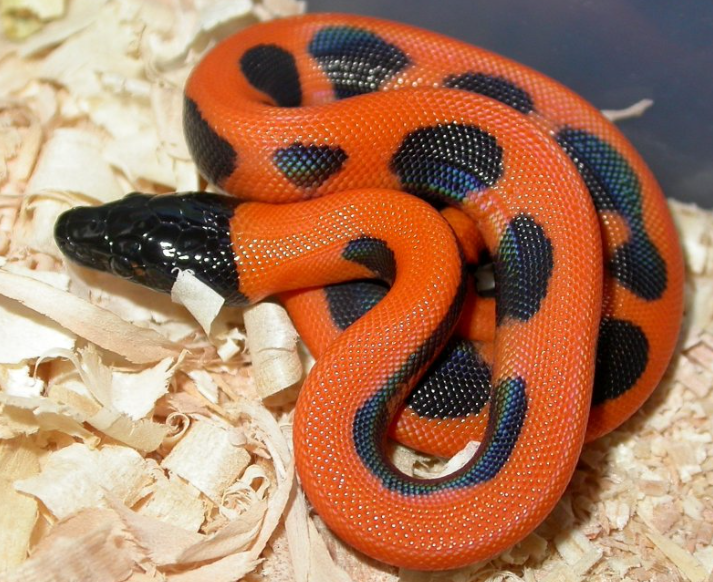
1. Their juveniles have vivid orange and black bands
Young Bismarck Ringed Pythons are brightly colored, which fades to a more uniform brown or black as they age.
2. They are non-venomous constrictors
They subdue prey by wrapping around and constricting it before swallowing whole.
3. Bismarck Ringed Pythons are shy and reclusive
They prefer hiding in burrows or under debris during the day and become more active at night.
4. They can be irritable when handled
Though not dangerous, they may strike if threatened, especially wild-caught individuals.
5. They are native only to the Bismarck Archipelago
This species is endemic, meaning it is found nowhere else in the world.
6. Their coloration helps with camouflage
As adults, their darker coloring helps them blend into the forest floor and underbrush.
7. They lay eggs, not live young
Females lay clutches of up to 12 eggs, which they may coil around to protect and regulate temperature.
8. They are becoming popular in the pet trade
Due to their striking appearance and manageable size, they are occasionally kept by reptile enthusiasts.
9. They play a role in controlling rodent populations
In their natural habitat, they help maintain the balance of small mammals.
10. Conservation efforts are minimal
Though not currently endangered, their limited range means they could become vulnerable if deforestation increases.
Intriguing facts about Bismarck-ringed Python snake
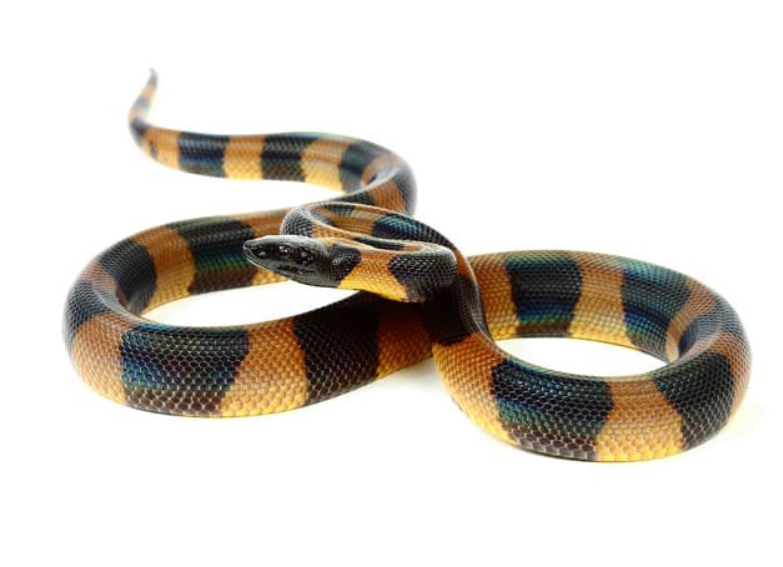
The Bismarck Ringed Python, or Bothrochilus boa, as it is officially named, is a unique species of python that is indigenous to the western Pacific Ocean’s Bismarck Archipelago. These pythons are well known for their unusual physical attributes and fascinating habits. Adults of these medium-sized snakes may grow to a maximum length of 4 to 6 feet. The Bismarck Ringed Python has a slender body and a unique pattern of dark brown or black rings on a lighter background that might be olive-green or yellowish-brown on its smooth scales.
Origin and natural habitat of the Bismarck Ringed Python snake
Mostly found in the Bismarck Archipelago, a collection of islands northeast of New Guinea, is the Bismarck Ringed Python. Throughout the archipelago, these pythons may be found in a range of environments, including grasslands, jungles, and even agricultural regions. Their primary mode of survival is arboreal, which means they spend a lot of time in trees where they can blend in with the undergrowth. They can search for their chosen food, which is mostly small mammals, birds, and reptiles, because of this behaviour.
Nocturnal nature and unique ability of Bismarck Ringed Python to camouflage
Being a nocturnal and solitary species, the Bismarck Ringed Python prefers to be active at night and spend the day hiding in tree hollows or other protected areas. They are renowned for their superb climbing skills, effortlessly navigating through the trees with the help of their powerful bodies and keen claws. Though they are usually not hostile towards people, these pythons may hiss loudly, swell their bodies, and attack if necessary when threatened.
Reproduction and Life Cycle of The Bismarck Ringed Python
The Bismarck Ringed Python is an oviparous species, which means it lays eggs for reproduction. The female python will choose a good spot to deposit her eggs after mating; this is usually in a secret place with protection. After that, she would wrap herself around the eggs to keep them warm and safe until they hatched. The hatchlings emerge after a period of two to three months during which they are incubated. From birth, these juvenile pythons are self-sufficient and encounter different obstacles as they mature and reach adulthood.
Top 10 fascinating facts about Bismarck ringed python
A fascinating reptile indigenous to the Bismarck Archipelago in the western Pacific Ocean is the Bismarck Ringed Python, often referred to as the Bismarck Python or the Bismarck Scrub Python. Because of its remarkable look and unusual traits, this species, technically known as Bothrochilus boa, is widely sought after by collectors and reptile lovers.
Its distinct coloration is characterized by dark brown or black rings on a lighter background
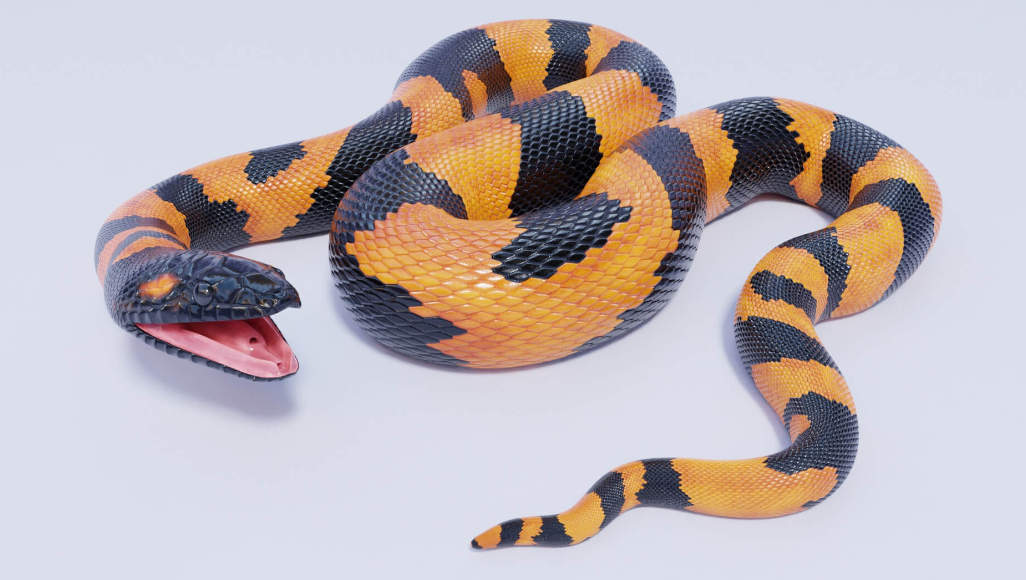
The unique colouring of the Bismarck Ringed Python is among its most remarkable characteristics. Its body is ringed in bright yellow or orange, with a base colour of dark brown or black. The python looks captivating and striking because of these rings. Every snake is different because of variations in design and colour intensity.
Size and physical characteristics of Bismarck ringed python
The Bismarck Ringed Python is regarded as a medium-sized species of python in terms of size. Males are somewhat shorter, averaging around 4 to 5 feet, while adult females may reach lengths of 5 to 6 feet. These pythons are rather small, yet their muscular physique and strong build enable them to move and climb through their native environment with ease.
Natural habitat of Bismarck ringed python
The Bismarck Archipelago, a collection of islands northeast of Papua New Guinea, is home to the rare Bismarck Ringed Python. These islands, which are made up of New Britain, New Ireland, and a number of smaller islands, provide the ideal habitat for python survival.
Specific types of environments are ideal to Bismarck-ringed python
The Bismarck Ringed Python is found in a range of environments, including grasslands, open woods, and rainforests. Because they are such good swimmers, they are often found close to bodies of water, such as rivers and streams. These pythons may be seen in trees and bushes and are also superb climbers.
The general behavior and temperament of the Bismarck Ringed Python snake
The Bismarck Ringed Python is primarily nocturnal, meaning it is most active at night, much like other python species. In order to protect themselves from predators and harsh weather during the day, these pythons often take refuge in burrows, rock crevices, or tree hollows.
carnivorous diet of Bismarck ringed python, primarily feeding on small mammals and birds
The Bismarck Ringed Python mostly eats small animals, including bats and rodents. Because they are opportunistic hunters, they will also eat reptiles and birds when they are available. Being constrictors, these pythons ensnare their prey by coiling their bodies around them and applying pressure until the victim suffocates.
The general behavior and temperament of the Bismarck Ringed Python snake
The Bismarck Ringed Python is regarded as a threatened species because of habitat degradation and collecting for the pet trade. Their existence is seriously threatened by the degradation of their natural environment, especially as a result of deforestation and agricultural practices. Furthermore, the fascinating pet trade’s desire for these pythons has increased strain on their populations.
Its conservation status, which is currently listed as “Least Concern” by the IUCN
The Bismarck Ringed Python and its environment are being protected. The goals of conservation organisations are to increase public knowledge of the species and encourage environmentally friendly behaviour. Ensuring that natural populations are not depleted and establishing captive breeding programmes to lower the demand for animals captured from the wild are important.
Unique adaptations or behaviors that set this snake apart from other species.
With its striking patterning and distinct colouring, the Bismarck Ringed Python is an enthralling reptile. This species of python, which is unique to the Bismarck Archipelago, is a genuine pearl of the Pacific. Its fragile position, however, serves as a reminder of how crucial conservation efforts are to safeguarding not just this species but also the variety of environments it lives in.
FAQ (Frequently Asked Questions) about Bismarck Ringed Python
Q: What is a Bismarck Ringed Python?
Ans: The Bismarck Ringed Python (Bothrochilus boa) is a non-venomous snake native to the Bismarck Archipelago of Papua New Guinea. It is known for its vibrant ringed coloration and relatively docile temperament when properly handled.
Q: What does the Bismarck Ringed Python look like?
Ans: Juveniles are strikingly colorful, typically showing orange or reddish rings on a black or dark brown body. As they mature, the contrast may fade slightly, but adults still retain a beautiful pattern. They also have a glossy, iridescent sheen to their scales.
Q: How big do Bismarck Ringed Pythons get?
Ans: These snakes typically grow to about 4 to 6 feet (1.2 to 1.8 meters) in length, with some individuals reaching slightly longer sizes. They are medium-bodied and muscular.
Q: Are Bismarck Ringed Pythons dangerous?
Ans: No, Bismarck Ringed Pythons are not venomous and are generally not considered dangerous to humans. While they may be defensive as juveniles, they often become calmer with regular handling and care in captivity.
Q: What do Bismarck Ringed Pythons eat?
Ans: In the wild, their diet consists mainly of small mammals, birds, and reptiles. In captivity, they are typically fed appropriately sized rodents such as mice or rats.
Q: Where are Bismarck Ringed Pythons found?
Ans: These pythons are native to the Bismarck Archipelago, a group of islands off the northeastern coast of Papua New Guinea. They inhabit tropical forests, grasslands, and sometimes plantations or areas near human settlements.
Q: Are Bismarck Ringed Pythons good pets?
Ans: They are popular among experienced reptile keepers due to their striking appearance and manageable size. However, they require specific humidity, temperature, and enclosure needs, making them better suited for those with some snake-handling experience.
Q: How do Bismarck Ringed Pythons reproduce?
Ans: They are oviparous, meaning they lay eggs. Females typically lay clutches of 6 to 12 eggs, and they may coil around the eggs to incubate them until they hatch.
Q: Do Bismarck Ringed Pythons change color?
Ans: Yes, they undergo noticeable color changes as they grow. Hatchlings and juveniles are brightly ringed, while adults may become darker and the rings less pronounced, though still visible.
Q: What is the conservation status of the Bismarck Ringed Python?
Ans: Currently, the Bismarck Ringed Python is not considered endangered. However, habitat destruction and collection for the pet trade can affect wild populations. Responsible breeding and trade practices are encouraged.
#BismarckRingedPython, #Python, #Reptiles, #NonVenomousSnake, #SnakeLovers, #ExoticPets, #PapuaNewGuineaWildlife, #ColorfulSnakes, #SnakeCare, #ReptileFacts
Our sources and references about Bismarck Ringed Python
1: Wikipedia – Bothrochilus boa
2: The Reptile Database – Bothrochilus boa
3: World Life Expectancy – Bismarck Ringed Python