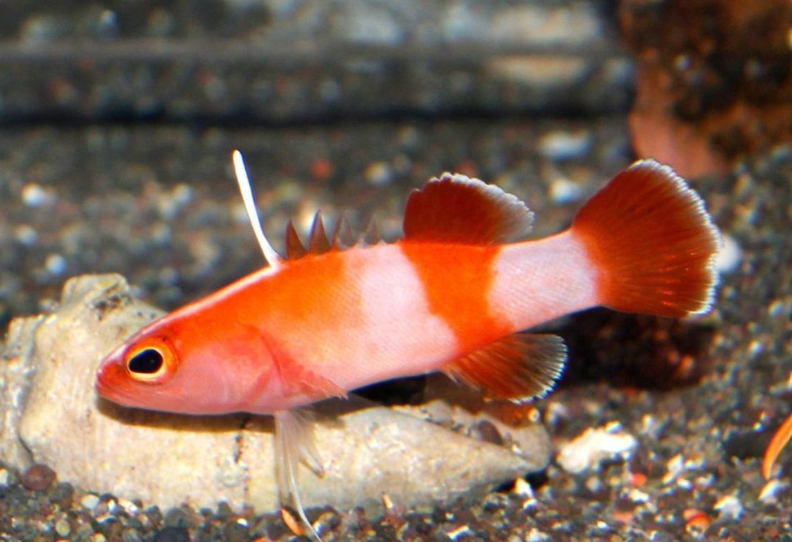
Quick Top 10 Facts about Bladefin Basslet
| SCIENTIFIC NAME | Jeboehlkia gladifer |
| CLASSIFICATION | KINGDOM: Animalia PHYLUM: Chordata CLASS: Actinopterygii ORDER: Perciformes FAMILY: Grammatidae GENUS: Jeboehlkia SPECIES: J. gladifer |
| SIZE | Length: Up to 1.5 inches (3.8 cm) |
| HABITAT | Deep waters of the western Atlantic Ocean, typically around coral outcrops and reef slopes at depths of 150–500 feet (45–150 meters) |
| DIET | Carnivorous; feeds on small invertebrates and zooplankton |
| SPECIES | Bladefin Basslet, a rare and colorful deepwater reef fish |
| COUNTRY | Native to the western Atlantic, including regions near the Bahamas, Caribbean, and southeastern U.S. coast |
| GESTATION PERIOD | Egg-layer; gestation not applicable — eggs are fertilized externally |
| LIFE SPAN | Estimated 5–10 years in the wild |
| CONSERVATION STATUS | Not evaluated by IUCN; rare in the aquarium trade due to difficulty of capture |
Amazing Facts About Bladefin Basslet
1. One of the most expensive aquarium fish
Due to its deepwater habitat and rarity, the Bladefin Basslet can sell for thousands of dollars in the fascinating fish trade.
2. Named for its sharp-looking dorsal fin
The name “Bladefin” comes from its distinctively shaped first dorsal fin spine, which resembles a blade.
3. Lives at extreme depths
Unlike many other reef fish, the Bladefin Basslet inhabits deep reef slopes, often at depths where light barely penetrates.
4. It’s tiny but strikingly colorful
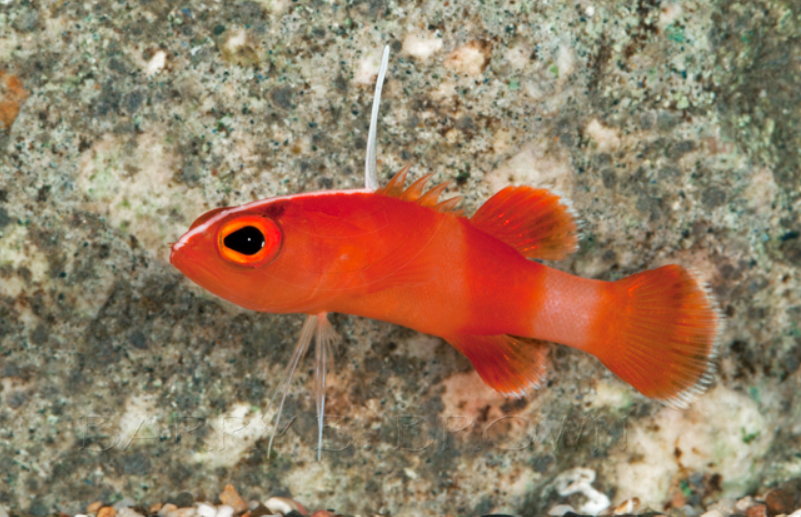
Despite its small size, the fish boasts brilliant orange, red, and white coloration, making it a visual standout.
5. It belongs to a rare genus
Jeboehlkia is a monotypic genus, meaning the Bladefin Basslet is the only known species within it.
6. It is rarely seen in the wild
Its preference for deep and remote reef habitats makes wild sightings very uncommon.
7. Deep-sea submersibles are often required to collect them
Because of the depth at which they live, Bladefin Basslets are typically collected by submarines or remote-operated vehicles (ROVs).
8. It is a prized possession for expert aquarists
Its rarity and beauty make it a status symbol among high-end marine aquarium enthusiasts.
9. It requires specific tank conditions
Because it comes from deep, cooler waters, the Bladefin Basslet needs highly specialized care and equipment to thrive in captivity.
10. Its discovery was fairly recent
The species was first described scientifically in the early 1980s, making it a relatively recent addition to marine biology.
Intriguing facts about the Bladefin Basslet fish
The bladefin basslet is an intriguing marine species that is well-known for its unique characteristics and seductive appearance. This species, formally known as Jeboehlkia gladifer, is mostly found in the warm waters of the Caribbean Sea. Because of its distinctive characteristics and behaviour, it is a subject of interest for both researchers and marine enthusiasts.
Habitat for the Bladefin Basslet fish
An exquisite addition to a marine aquarium might be the interesting and lovely Bladefin Basslet. Any fish aficionado is bound to be captivated by their striking colours, distinctive blade-like dorsal fin, and intriguing behaviour. To survive in captivity, it’s crucial to make sure they have good nutrition, an appropriate environment, and amiable tankmates.
Intriguing facts that set Bladefin Basslet fish apart from other species
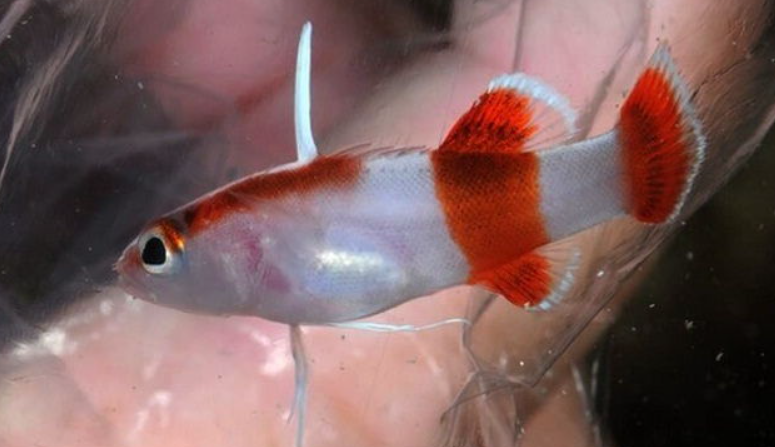
The Bladefin Basslet is a species that is well-known underwater for its bright colours and slender build. The body’s striking array of electric blue and yellow tones creates a striking array on its body that makes for an incredible visual spectacle. The dorsal fin, which stretches the whole length of the animal and resembles a razor blade, is the source of the name. This feature enhances its aesthetic appeal and makes it easier to move quickly and agilely.
Special adaptations of Bladefin Basslet fish for survival in their environment
Bladefin basslets are a lone species that are often seen hiding among coral reefs or making their home in crevices and tunnels. This fish, which averages about 3 inches in length, is very adept at blending in with its surroundings, despite its small size. Its colouring allows it to blend in seamlessly with the vibrant coral reefs, protecting itself from any potential predators. Another well-known characteristic of this species is its territorial behaviour, which entails fiercely defending its assigned region from intruders.
Top 10 Fascinating facts about Bladefin Bassalet fish
Size, shape, and coloration emphasize any unique or striking characteristics of the bladefin basslet.
The Bladefin Basslet is an intriguing aquatic mammal that has an amazing blend of bright colours and unique physical traits. Because of its solitary nature and ability to adapt to and thrive in its natural habitat, it is an intriguing study subject. Understanding the intricacies of this species contributes to our comprehension of marine life and highlights the need for preserving and protecting these delicate environments.
Origin and history of Bladefin Basslet fish
The little, colourful Bladefin Basslet, or Jeboehlkia gladifer as it is formally named, is a member of the Pseudochromidae family of fish. This species is indigenous to the tropical seas of the Indo-Pacific area, especially the Great Barrier Reef, the Maldives, and Sri Lanka.
Unique body shape and size of Bladefin Basslet fish
A bladefin basslet’s maximum length is usually around 3 inches (7.5 centimetres), making it a rather tiny fish. It is a visually appealing addition to marine aquariums because of its slim body and vivid colouring. This basslet’s body is mostly purple, with a noticeable yellow stripe running down its side in a horizontal fashion. The species gets its name from its extended dorsal fin, which resembles a blade.
Preferred habitat of the Bladefin Basslet fish
Bladefin basslets are mostly found on coral reefs, where the structure of the reef creates caverns and cracks where they may hide. They are often seen close to the reef’s margins and choose locations with plenty of coral development. This fish grows best in warm tropical waters between 75 and 82 degrees Fahrenheit (24 and 28 degrees Celsius), which are ideal for its growth.
Threats and Conservation efforts for Bladefin Basslet fish
Although they are not thought to be migratory, bladefin basslets do travel locally within their environment. They usually stick to a narrow area, switching between various coral formations and looking for fresh hiding places. They get along well with other peaceful fish species that aren’t too territorial or aggressive. Rearing them with bigger, more combative fish that could see the basslet as prey.
Nature and behavior of Bladefin Bassalet fish respect to other fishes
Bladefin Although basslets are normally calm fish, they may develop a territorial nature if housed with other basslets or fish of a similar species. They have been seen to form small groups in the wild, including a dominant male and several females. Because they are very protective of their territory, the males will fight against intruders.
Sleep patterns of the Bladefin Basslet fish
Being diurnal, these fish spend the day active and the night sleeping. They will emerge from their hiding places throughout the day to eat zooplankton and tiny invertebrates. They have been seen scuttling between coral fissures in pursuit of food.
Food patterns and diet for Bladefin Basslet fish
The main sources of food for the carnivorous Bladefin Basslet are tiny invertebrates and zooplankton. They may be given a wide range of frozen and live items in captivity, including tiny pieces of fish or shrimp, brine shrimp, and mysis shrimp. To make sure they get all the nutrients they need, it’s critical to provide them with a diversified diet.
Specific care requirements for Bladefin Basslet fish to kept as pets
It is advised to give Bladefin Basslets little, regular meals rather than huge ones all at once while feeding them in an aquarium. This helps avoid overfeeding and problems with water quality by imitating their normal feeding behaviour. The recommended tank size for keeping Bladefin Basslet fish, considering their size and swimming habits,. Bladefin Reef aquariums may accommodate basslets, but care must be taken when choosing tankmates.
Specific equipment or accessories are necessary for maintaining a suitable environment for this fish
It is advised to introduce bladefin basslets to an aquarium in order to reduce hostility from previous fish. Having plenty of hiding places and areas for territory within the aquarium may also aid in lowering the likelihood of confrontations.
FAQ (Frequently Asked Questions) about Brahma Chicken
Q: What is a Brahma Chicken?
Ans: The Brahma Chicken is a large, heavy breed of chicken known for its size and feathered legs. It is often referred to as the “King of Chickens” due to its imposing stature. Brahma chickens are typically calm, friendly, and make great pets and backyard birds. They are also known for their ability to adapt to cold climates due to their thick feathers.
Q: Where did the Brahma Chicken originate?
Ans: The Brahma Chicken is believed to have originated in China and was later brought to the United States in the 19th century. They were initially bred for their meat production and were prized for their large size and excellent egg-laying abilities. Brahmas quickly became popular in the U.S. for both meat and egg production.
Q: What does a Brahma Chicken look like?
Ans: Brahma Chickens are large, with a broad, deep chest and a muscular build. They have feathered legs and feet, adding to their unique and attractive appearance. Their plumage comes in several colors, including light, dark, and black, often with contrasting shades that give them a striking look. They have a calm, dignified demeanor and are generally quiet compared to other chicken breeds.
Q: Are Brahma Chickens good for meat production?
Ans: Yes, Brahma Chickens are excellent for meat production due to their large size and sturdy build. They are considered a dual-purpose breed, meaning they are suitable for both meat and egg production. Brahmas are known for producing tender, flavorful meat, making them a popular choice for homesteaders who want a good-quality chicken for the table.
Q: Are Brahma Chickens good for egg-laying?
Ans: Brahma Chickens are good layers of medium to large brown eggs. While they may not lay as consistently as some other breeds, they are still productive, especially in colder climates. Brahmas tend to lay eggs during the colder months, making them a good option for year-round egg production in areas with colder winters.
Q: What is the temperament of a Brahma Chicken?
Ans: Brahma Chickens are known for their calm, friendly, and docile temperament. They are typically very gentle and easy to handle, which makes them great pets for families or beginners. They are also good with children and tend to get along well with other chickens. Brahmas are not particularly flighty, so they are easier to manage compared to some other breeds.
Q: Do Brahma Chickens require special care?
Ans: While Brahma Chickens are hardy and adaptable, they do require some special care due to their size and feathered legs. In colder climates, their thick feathers can protect them, but they should be kept in a dry, clean environment to prevent issues with their feet and legs. Brahmas are prone to leg problems if kept in damp conditions, so it’s essential to provide proper housing with good ventilation and dry bedding.
Q: How big do Brahma Chickens get?
Ans: Brahma Chickens are one of the largest chicken breeds, with males often weighing 12-14 pounds (5.4-6.3 kg) and females around 10-12 pounds (4.5-5.4 kg). Their large size, combined with their calm nature, makes them stand out in a flock. Their feathered legs and impressive stature contribute to their majestic appearance.
Q: Are Brahma Chickens good for free-range environments?
Ans: Yes, Brahma Chickens are well-suited for free-range environments. They are hardy and can handle a variety of weather conditions, but they are not as active or flighty as other chicken breeds. Brahmas enjoy foraging and can help keep your yard free of insects and pests. However, because of their large size, they should be protected from predators that may pose a threat to them.
Q: How long do Brahma Chickens live?
Ans: Brahma Chickens typically live between 5 to 8 years, although some may live longer with proper care. Like all chickens, their lifespan depends on factors such as diet, living conditions, and overall health. Brahmas are generally hardy and resilient, but regular veterinary check-ups and good husbandry can help extend their lifespan.
#BrahmaChicken, #ChickenBreeds, #Poultry, #BackyardChickens, #EggLaying, #MeatProduction, #FarmLife, #RuralLiving, #Chickens, #PoultryFarming, #FamilyFarm, #BrahmaChickens, #LargeChickens
Our sources and references about Brahma Chicken
1: Wikipedia – Brahma Chicken
2: The Happy Chicken Coop – Brahma Chicken
3: Backyard Chickens – Brahma Chicken
4: FeatherMe – Brahma Chicken