Quick Top 10 Facts about Black-Bellied Whistling Duck
| SCIENTIFIC NAME | Dendrocygna autumnalis |
| CLASSIFICATION | KINGDOM: Animalia PHYLUM: Chordata CLASS: Aves ORDER: Anseriformes FAMILY: Anatidae GENUS: Dendrocygna SPECIES: D. autumnalis |
| SIZE | Length: 18–21 inches (45–53 cm), Wingspan: about 37 inches (94 cm) |
| HABITAT | Freshwater wetlands, lakes, marshes, and flooded fields in the southern U.S., Mexico, Central, and South America |
| DIET | Omnivorous; feeds on seeds, grains, aquatic vegetation, and insects |
| SPECIES | Black-Bellied Whistling Duck, one of the eight whistling duck species |
| COUNTRY | Native to parts of the United States (Texas, Florida), Mexico, and much of Central and South America |
| GESTATION PERIOD | Egg incubation lasts about 25–30 days |
| LIFE SPAN | Up to 15 years in the wild |
| CONSERVATION STATUS | Least Concern (IUCN); population is stable and expanding in range |
Amazing Facts About Black-Bellied Whistling Ducks
1. They actually whistle!
Unlike most ducks, their vocalization is a high-pitched whistling sound, giving them their name.
2. They have striking plumage
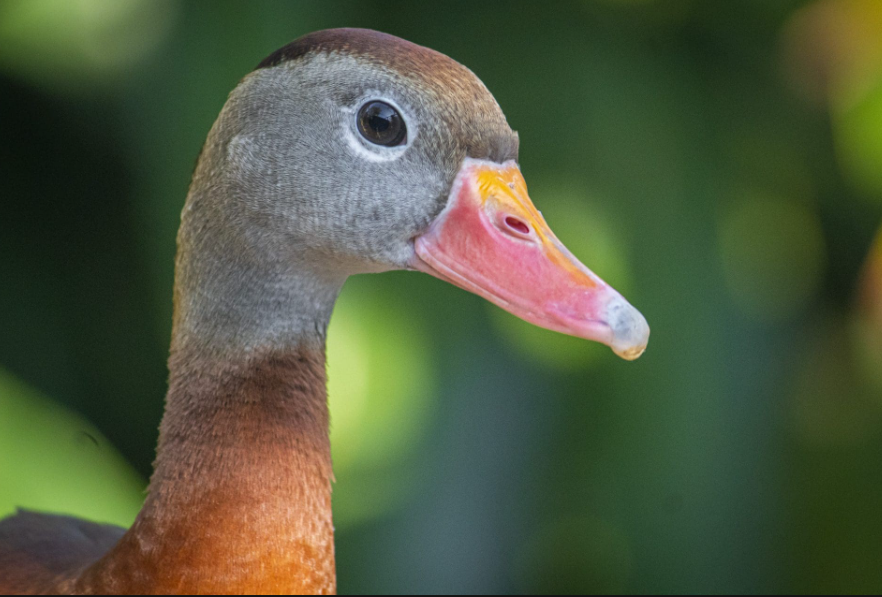
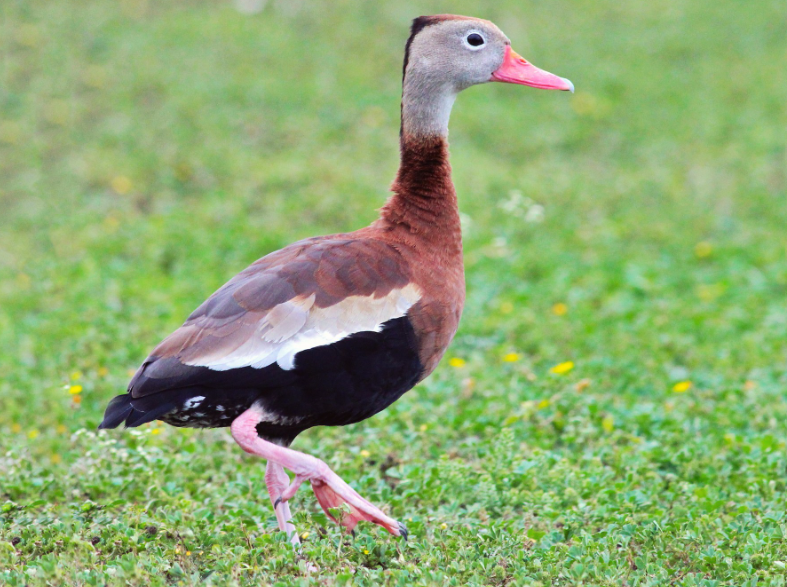
With a black belly, bright pink bill, and chestnut body, they are among the most colorful ducks in the Americas.
3. They are social and often seen in groups
Black-Bellied Whistling Ducks are highly social and frequently feed and fly in flocks.
4. They nest in tree cavities
These ducks often use natural tree hollows or nest boxes rather than building on the ground like most ducks.
5. Males and females look alike
Unlike many duck species, both sexes have nearly identical coloring and appearance.
6. Both parents care for the young
Male and female Black-Bellied Whistling Ducks share responsibilities for incubating eggs and raising ducklings.
7. They’re mostly nocturnal feeders
These ducks often forage at night for seeds and invertebrates in shallow wetlands or agricultural fields.
8. They are expanding their range
Originally more tropical, they’ve expanded into parts of the southern U.S., especially Texas and Florida.
9. They form strong pair bonds
These ducks tend to form long-lasting monogamous relationships, often mating for life.
10. They’re unique among ducks
With long legs, an upright stance, and distinctive calls, they look and behave more like geese than typical dabbling ducks.
Interesting facts about Black-Bellied Whistling Duck
The Black-Bellied Whistling Duck is a rare species of duck found across the Americas. Scientists and enthusiasts of birds alike have taken an interest in this duck due to its peculiar appearance and behaviour.
Physical attributes of Black-Bellied Whistling Ducks
One of the most striking features of the Black-Bellied Whistling Duck’s bright plumage. The bird’s black belly, which beautifully contrasts with its chestnut-coloured breast and flanks, gives rise to its name. Its head is topped with a grayish-blue crown, and its lengthy neck and legs add to its gorgeous appearance.
Black-Bellied Whistling Duck unique whistling call
The Black-Bellied Whistling Duck is easily recognised by its distinct call in addition to its appearance. This call, which sounds like a high-pitched whistle, is how the ducks communicate with each other and proclaim their presence to their surroundings. It is a characteristic feature of this species, and it also helps members of a flock locate and identify one another.
Gregarious nature of Black-Bellied Whistling Duck
Due to its gregarious nature, the Black-Bellied Whistling Duck often congregates in large numbers. These flocks, which may number in the hundreds or thousands, can provide an incredible sight as they soar or gather at feeding grounds. Another well-known trait of ducks is their strong pair ties; married pairs may stay together for several mating seasons.
Preferred habitats of Black-Bellied Whistling Ducks
Marshes, swamps, and flooded fields are among the wetland environments that the Black-Bellied Whistling Duck prefers. They are skilled swimmers and consume a variety of plant materials, including grains, seeds, and aquatic plants. It is also known that these ducks construct their nests in tree cavities; to ensure easy access to food and shelter, they often choose locations near bodies of water.
Breeding habits of Black-Bellied Whistling Ducks
Spring and summer are the typical breeding seasons for Black-Bellied Whistling Ducks. The female lays a clutch of nine to sixteen eggs, which hatch after about a month. Because the ducklings are precocial, they may emerge from the nest and begin feeding themselves shortly after hatching. The parents provide the young guidance and safety until they are able to fly and take care of themselves.
Ecological role of Black-Bellied Whistling Ducks
All things considered, the Black-Bellied Whistling Duck’s remarkable appearance, unique vocalisations, and fascinating behaviours make it an incredible species. Because of its ability to adapt to wetland environments and social ties, it is an essential part of the ecosystem. Comprehending and investigating this species might yield significant
Fascinating facts about Black-Bellied Whistling Ducks
The Black-Bellied Whistling Duck is an entertaining bird. The Americas are home to the unusual and fascinating Black-Bellied Whistling Duck, sometimes referred to as the Black-Bellied Tree Duck. It is understandable that bird fans all around the globe have been fascinated with this species due to its unique look and intriguing behaviours. In this post, we’ll look at some amazing facts about the Black-Bellied Whistling Duck.
Physical attributes of Black-Bellied Whistling Ducks
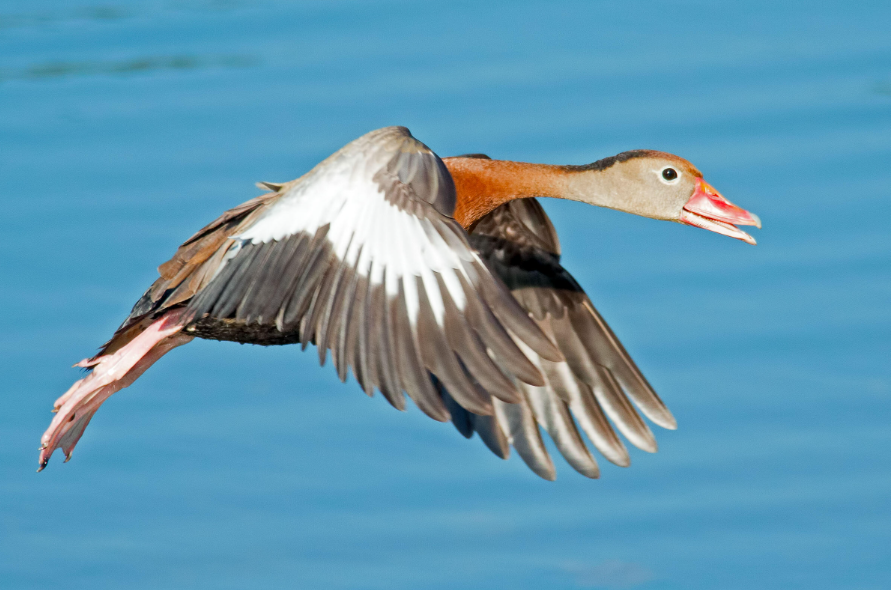
The Black-Bellied Whistling Duck, which measures 18 to 20 inches in length, is a medium-sized duck. With its long neck, brilliant red beak, and black belly, it has a striking look. With white spots on its wings and a white stripe extending from its eye to the rear of its head, the remainder of its body is mostly chestnut brown. The vivid pink colour of the bird’s feet and legs enhances its allure.
Black-Bellied Whistling Duck’s unique whistling call
The Black-Bellied Whistling Duck’s high-pitched, whistle-like cry is one of its most distinguishing features. The bird’s unusual vocalisation is the source of its name. Many people describe the call as a sequence of distinct, long-range whistling sounds.
Black-Bellied Whistling Duck’s habitat and distribution
The Black-Bellied Whistling Duck’s territory is primarily located in the Americas, stretching from the southern United States through Central America and into South America. In many areas of its range, it is a resident bird, while it sometimes migrates seasonally in reaction to variations in the weather or the availability of food.
Preferred areas of Black-Bellied Whistling Duck
Wetland settings, such as marshes, swamps, and flooded fields, are preferred by this species. It is also known to live in agricultural areas, where it consumes crops such as maize and rice. Because of its versatility, the Black-Bellied Whistling Duck may live happily in both naturally occurring and artificially changed environments.
Social behaviour of Black-Bellied Whistling Ducks
Large flocks of the gregarious Black-Bellied Whistling Duck are often seen, particularly during the non-breeding season. Thousands or even hundreds of these flocks may be seen flying in formation or congregating on the ground, making for a spectacular picture.
Black-Bellied Whistling duck feeding habits
The Black-Bellied Whistling duck is largely a vegetarian, in contrast to many other duck species. Its primary food source is plant material, including grains, seeds, and aquatic flora. Using its unique bill, it forages on land or in shallow water for food. On rare occasions, it could also eat other small invertebrates and insects.
Black-Bellied Whistling ducks monogamous mating system
Male Black-Bellied Whistling ducks use complex courting rituals to entice females throughout the mating season. A variety of actions, including head-bobbing, wing-flapping, and vocalisations, are included in these displays. After forming a partnership, they will use twigs, grass, and feathers to build a nest in a tree hole or on the ground.
Conservation efforts or initiatives aimed at protecting Black-Bellied Whistling ducks population
The International Union for Conservation of Nature (IUCN) rates the Black-Bellied Whistling Duck as a species of least concern. There are now no serious dangers to it, and its population is steady. However, future threats to this species may come from habitat degradation and loss, as well as poaching in certain locations.
Understanding and conserving the Black-Bellied Whistling Duck
There are initiatives in place to maintain and monitor the Black-Bellied Whistling Duck’s habitats and to increase public awareness of the value of preserving wetland ecosystems. We can guarantee the continued existence of several other species that depend on wetlands for their survival, in addition to the Black-Bellied Whistling Duck, by protecting these ecosystems.
Behaviour and adaptation of Black-Bellied Whistling ducks
With its distinct look, vocalisations, and behaviours, the Black-Bellied Whistling Duck is an amazing bird. It is an interesting animal to study and watch because of its sociable behaviour and capacity to adapt to many settings. We can enjoy the beauties of nature and contribute to the protection of this wonderful bird by knowing more about it.
FAQ (Frequently Asked Questions) about Black-Bellied Whistling Duck
Q: What is a Black-Bellied Whistling Duck?
Ans: The Black-Bellied Whistling Duck (Dendrocygna autumnalis) is a striking species of duck known for its long legs, upright posture, and unique whistling call. It is recognized by its chestnut-colored body, black belly, and bright pink bill and legs. This duck is more social and tree-perching than most other duck species.
Q: Where is the Black-Bellied Whistling Duck found?
Ans: Black-Bellied Whistling Ducks are found primarily in the southern United States, Mexico, Central America, and parts of South America. In the U.S., they are commonly seen in Texas, Louisiana, and Florida, especially in wetlands, marshes, and ponds.
Q: Why is it called a “Whistling” duck?
Ans: It is called a “Whistling” duck because of its distinctive, high-pitched whistling vocalizations. Unlike the typical quack of other ducks, this species produces a melodic whistling sound, especially when in flight or social groups.
Q: What does the Black-Bellied Whistling Duck eat?
Ans: The diet of a Black-Bellied Whistling Duck consists mostly of plant materials such as seeds, grains, and aquatic vegetation. They also eat insects, snails, and small aquatic animals occasionally. They often forage in shallow water or in agricultural fields.
Q: What is the nesting behavior of the Black-Bellied Whistling Duck?
Ans: These ducks often nest in tree cavities, old woodpecker holes, or nest boxes. They do not build traditional nests and instead lay eggs directly in the cavity. Females may lay eggs in the same nest, leading to large clutches. The male and female share incubation duties, which lasts about 25–30 days.
Q: Are Black-Bellied Whistling Ducks migratory?
Ans: While many populations are considered resident or partially migratory, some northern populations move south during colder months. In the southern U.S., they may be seen year-round in suitable habitats.
Q: Are Black-Bellied Whistling Ducks social?
Ans: Yes, they are very social birds and are often seen in flocks. They are known for their strong pair bonds and cooperative behavior. Outside of breeding season, they may roost communally in trees or near water bodies.
Q: What makes the Black-Bellied Whistling Duck unique?
Ans: Several things make this species unique: its long-legged, upright posture, tree-perching behavior, whistling calls, and bright plumage. It stands out among ducks due to its semi-nocturnal habits and more goose-like behavior.
Q: Are Black-Bellied Whistling Ducks protected?
Ans: Yes, they are protected under the Migratory Bird Treaty Act in the United States. Their populations are currently stable, and they are classified as “Least Concern” by the IUCN, although habitat conservation remains important for their continued success.
#BlackBelliedWhistlingDuck, #WhistlingDuck, #Wildlife, #BirdWatching, #Waterfowl, #Wetlands, #BirdConservation, #BirdLovers, #NaturePhotography, #MigratoryBirds, #DucksOfNorthAmerica
Our sources and references about Black-Bellied Whistling Duck
1: Cornell Lab – All About Birds: Black-bellied Whistling-Duck
2: Audubon Field Guide – Black-bellied Whistling Duck
3: Wikipedia – Black-bellied Whistling Duck
4: U.S. Fish & Wildlife Service – Black-bellied Whistling Duck