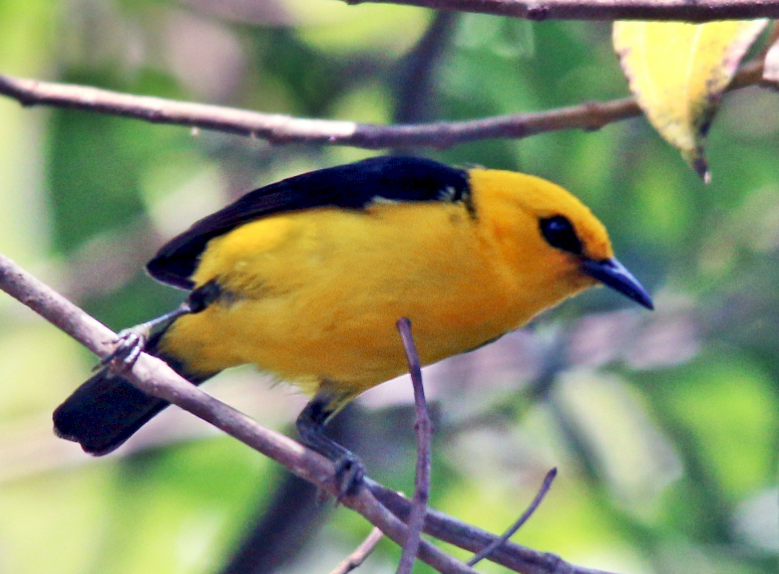
The Yellow Tanager, also known as the Black-and-Yellow Tanager, is a brightly colored bird found in Central and South America. Known for its vibrant yellow and black plumage, this bird is commonly seen in tropical forests. Yellow Tanagers are often found feeding on fruits and insects in the canopy.
Quick Top 10 Facts about Yellow Tanager
| SCIENTIFIC NAME | Chlorothraupis carmioli (often referred to as the Olive Tanager or Yellow Tanager in some regions) |
| CLASSIFICATION | KINGDOM: Animalia PHYLUM: Chordata CLASS: Aves ORDER: Passeriformes FAMILY: Thraupidae GENUS: Chlorothraupis SPECIES: C. carmioli |
| SIZE | Length: 6–7 inches (15–18 cm) |
| HABITAT | Humid tropical and subtropical forests of Central and South America |
| DIET | Omnivorous; feeds on fruits, insects, and small invertebrates |
| SPECIES | Yellow Tanager is a common name for brightly colored tanagers in the Chlorothraupis or Tangara genera |
| COUNTRY | Found in countries like Costa Rica, Panama, Colombia, and Ecuador |
| GESTATION PERIOD | Incubation lasts about 12–14 days; chicks fledge in another 12–15 days |
| LIFE SPAN | 5–10 years in the wild |
| CONSERVATION STATUS | Least Concern; populations are stable but affected by habitat loss in some areas |
Amazing Facts About Yellow Tanagers
1. They are not always yellow
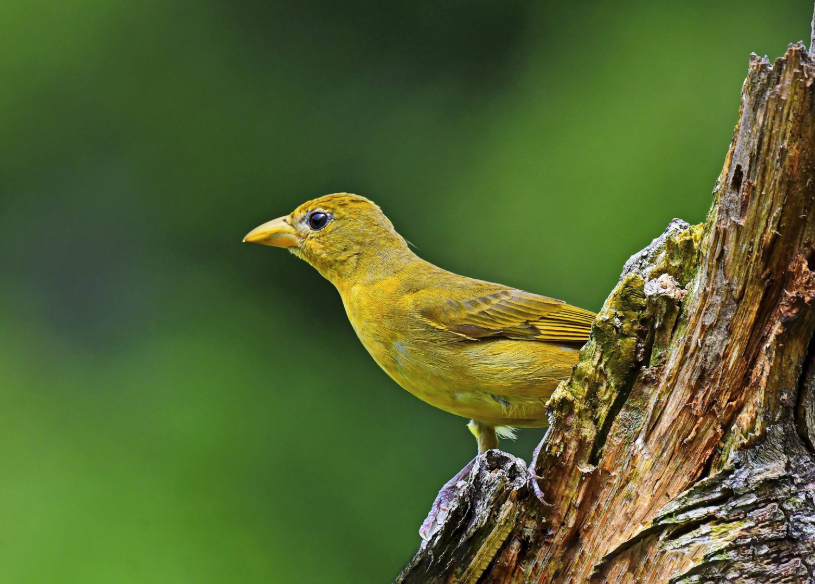
Despite the name, some “Yellow Tanagers” may appear more greenish or olive due to variations in species and lighting.
2. Common in tropical forests
These birds are commonly found in dense, humid forest canopies across Central and South America.
3. Their songs are melodic
Yellow Tanagers are known for their sweet, warbling songs used to communicate and attract mates.
4. Males and females may look similar
In some species of tanagers, sexual dimorphism is limited, making it hard to distinguish males from females by appearance alone.
5. Play a role in seed dispersal
By consuming fruit, Yellow Tanagers help spread seeds and support forest regeneration.
6. Part of a large family
Tanagers make up one of the largest families of songbirds in the Americas, with over 200 species.
7. They can form mixed-species flocks
Yellow Tanagers sometimes travel with other bird species in foraging flocks, benefiting from group vigilance.
8. Active and acrobatic
These birds are quick, agile, and often seen flitting between branches while hunting for insects or fruit.
9. Nest in hidden spots
Nests are typically cup-shaped and built in dense shrubs or high in the forest canopy for protection.
10. Adaptable to different forest types
While primarily found in pristine forests, some Yellow Tanager species also adapt to secondary growth and forest edges.
A Comprehensive Guide to the Yellow Tanager
The stunning and colourful Black-and-Yellow Tanager (Chrysothlypis chrysomelas), often known as the Yellow Tanager, is a bird that is mostly found in the tropical forests of Central and South America. The Black-and-Yellow Tanager, a stunning and active bird that is essential to its ecology, is distinguished by its vivid yellow plumage and unique black markings. This comprehensive guide will provide a comprehensive overview of this intriguing bird species by examining its physical traits, habitat, nutrition, behaviour, nesting behaviours, and conservation status.
Physical Attributes of the Yellow-and-Black Tanager
The Yellow Tanager is one of the most striking birds in its environment because of its striking colour pattern. As the name implies, the Black-and-Yellow Tanager is characterised by brilliant yellow feathers covering the majority of its body, along with black wings, a tail, and a black mask-like pattern around its eyes. In contrast to the milder yellow tones, the back is a shade darker, and the brilliant yellow feathers are most noticeable on the belly and underparts. The primary characteristics that distinguish this species from other tanager species are its black wings and tail.
Size and Body Structure
This bird is medium in size, with a length of around 7 to 8 inches (18 to 20 cm) and a weight of about 20 grams. Its small, robust beak and compact body are ideally suited to its diet of insects and fruits. In comparison to some other tanagers, the tail is rather short, which contributes to the bird’s overall sturdy and compact look.
Sexual Dimorphism in the Yellow Tanager
The Yellow Tanager has little sexual dimorphism, which means that apart from minor differences in size and colour intensity, males and females have comparable morphological traits. The remarkable black-and-yellow colouring is present in both sexes; however, the males’ yellow feathers may be a shade brighter or more noticeable.
Eyes of the Yellow Tanager
The yellow tanager’s dark, often brown or black eyes are encircled by the black facial markings. A dramatic, lovely appearance is produced by the stark contrast between the black eyes and wings and the brilliant yellow feathers.
Distribution and Habitat of the Yellow Tanager
Rainforests and tropical woods are ideal habitats for the Black-and-Yellow Tanager. With a range that includes portions of Ecuador, it is mostly found in the lowland forests of Central America, particularly in Panama, Costa Rica, and western Colombia. The species depends on these verdant, tropical habitats for both food and refuge.
Geographical Range of the Yellow Tanager
Only the tropical lowlands, where there is an abundance of food and appropriate nesting locations, are home to the Yellow Tanager. It is most often found in Central America, especially in portions of Ecuador and western Colombia, as well as Panama and Costa Rica. Although it is more prevalent at lower altitudes, its range normally reaches up to 1,200 meters (3,900 feet) in height.
Preferred Habitat of the Yellow Tanager
The yellow tanager prefers deep rainforests and tropical woods that are abundant in flora and fauna. In addition to offering a wealth of food supplies, including fruit, insects, and tiny invertebrates, these environments provide the bird with many opportunities to nest in the canopies. Additionally, the bird may be found in plantations, secondary forests, and disturbed regions with enough remaining tree cover.
Altitude Preferences of the Yellow Tanager
Typically found in lowland regions, the Yellow Tanager may also be found at higher elevations in lower montane forests, particularly in the southern regions of its range.
Nutrition and Feeding Practices of the Yellow Tanager
Although it sometimes consumes nectar and tiny arthropods, the Black-and-Yellow Tanager is an omnivorous bird that mostly eats fruits and insects. Through seed dissemination and insect population management, its food enables it to play a significant role in preserving the health of the forest environment.
Fruits in the Yellow Tanager’s Diet
Berries, figs, bananas, and other tiny tropical fruits are among the many foods that the Yellow Tanager consumes. It seeks ripe fruits to consume in the canopy, where it is very skilled at foraging. Small fruits from trees and bushes, such as citrus and tropical palms, have been shown to constitute its food source.
Insects & Tiny Arthropods Consumed by the Yellow Tanager
The yellow tanager consumes insects, including ants, beetles, grasshoppers, and other tiny arthropods, in addition to fruits. The bird vigorously searches through tree foliage for these prey items or captures them in midair.
Feeding Habits of the Yellow Tanager
As a foraging bird, the yellow tanager often hops and flutters among tree branches in pursuit of food. It looks for food in the thick vegetation in the early morning or late afternoon, when it is most active. It can pick fruits or grab insects with its powerful beak, making it a somewhat swift and nimble eater.
Social Structure and Behaviour of the Yellow Tanager
Although it often forages in mixed-species flocks with other tropical birds, the Black-and-Yellow Tanager is a solitary or small-group species. Being a diurnal species, it is usually active during the day and rests at night.
Activity Patterns of the Yellow Tanager
Being a diurnal bird, the Yellow Tanager is usually active from sunrise until sunset. The higher and middle tiers of the forest canopy are where it spends most of its time looking for food. It may also interact socially with other tanagers or birds there.
Foraging in Flocks
When food is plentiful, the Yellow Tanager may sometimes be observed in mixed-species flocks. These flocks, which graze together in the same tree or region, are usually made up of tropical species like tanagers, hummingbirds, and other fruit-eating birds. In addition to increasing the likelihood of obtaining food, this behaviour protects the population from possible predators.
Territoriality of the Yellow Tanager
Male Yellow Tanagers may become a little more protective during the mating season, but they are not traditionally very territorial. Fellow birds, especially fellow tanagers or species that can compete for resources, will protect their nests and food supplies.
Nesting and Reproduction of the Yellow Tanager
When food supplies are abundant and the weather is suitable for nesting, the Black-and-Yellow Tanager usually breeds during the rainy season.
Courting and Mating Behaviour of the Yellow Tanager
Males use courting displays to entice females throughout the breeding season. In order to impress the female, the males may perform flights, chirping, and other vocalisations in addition to showing off their vivid yellow plumage. The female chooses a partner after courting, and the two of them mate to procreate.
Nesting Habits of the Yellow Tanager
Using twigs, leaves, and other plant materials, the female Yellow Tanager usually constructs a cup-shaped nest. The nest is often found in a tree or shrub, frequently in a protected spot that offers some defence against predators. In order to protect their eggs, the birds often construct their nests in the forest canopy at medium to high elevations.
Eggs and Incubation of the Yellow Tanager
The female normally produces two to three light-coloured eggs each clutch. Incubating the eggs, which usually takes 12 to 14 days, might include both the male and the female. The young, who are reliant on the adults for sustenance and safety, are fed and cared for by both parents after hatching.
Fledging of the Yellow Tanager
After two to three weeks, the young Yellow Tanagers depart from the nest; however, they could stay close to it for a brief while as they become used to foraging on their own. Until they are completely able to forage on their own, the parents keep feeding them.
Conservation Status of the Yellow Tanager
The International Union for Conservation of Nature (IUCN) has designated the Black-and-Yellow Tanager as a species of least concern, which means that there aren’t any serious risks to its population right now. It may, however, have difficulties in the future as a result of habitat loss, climate change, and other environmental stresses, much like many other tropical species.
Threats to the Yellow Tanager’s Habitat
The Yellow Tanager faces a serious long-term danger from habitat deterioration, especially from deforestation and land conversion for agriculture. The bird’s native habitat is becoming more and more fragmented as forests are being cut down for mining, logging, and agriculture.
Conservation Efforts for the Yellow Tanager
The Yellow Tanager’s long-term existence depends on conservation efforts to maintain its native habitat and safeguard the tropical woods, even if the species is now stable. The habitats of this colourful bird may be preserved by protected areas, sustainable forestry methods, and anti-deforestation campaigns.
FAQ (Frequently Asked Questions) about Yellow Tanager
Q: What is a Yellow Tanager?
Ans: The Yellow Tanager is a brightly colored songbird known for its vivid yellow plumage and melodic singing. While “Yellow Tanager” can refer to several species, it often includes birds like the Saffron Finch or certain species in the genus Tangara that display yellow hues. These birds are native to Central and South America and are admired for their beauty and musical calls.
Q: Where does the Yellow Tanager live?
Ans: Yellow Tanagers are found primarily in tropical and subtropical regions of Central and South America. Their habitats include forests, woodlands, gardens, and urban areas. They are especially common in countries such as Brazil, Colombia, Ecuador, and Peru.
Q: What does the Yellow Tanager eat?
Ans: Yellow Tanagers have a varied diet that includes fruits, insects, seeds, and nectar. They are especially fond of berries and small fruits, which provide essential nutrients and energy. Their feeding habits help with seed dispersal in their ecosystems.
Q: What does the Yellow Tanager look like?
Ans: As the name suggests, Yellow Tanagers typically have vibrant yellow feathers, though some species may have touches of green, black, or orange. They are small to medium-sized birds with slender bodies and short, pointed beaks ideal for eating fruit and insects.
Q: Are Yellow Tanagers social birds?
Ans: Yes, many Yellow Tanager species are social and can be found in pairs or small flocks, especially when foraging. During the breeding season, they may become more territorial and vocal to attract mates and defend nesting sites.
Q: Do Yellow Tanagers migrate?
Ans: Most Yellow Tanagers are non-migratory, remaining in their tropical habitats year-round. However, some species may exhibit local seasonal movements depending on food availability and climate conditions.
Q: How do Yellow Tanagers reproduce?
Ans: Yellow Tanagers typically build cup-shaped nests in trees or shrubs. Females lay a small clutch of eggs, which are incubated for about two weeks. Both parents may help in feeding the chicks until they fledge from the nest a few weeks later.
Q: Are Yellow Tanagers endangered?
Ans: Most Yellow Tanager species are not considered endangered and have stable populations. However, habitat loss and deforestation in parts of their range can pose risks. Conservation efforts help ensure these vibrant birds continue to thrive in the wild.
Q: Can Yellow Tanagers be kept as pets?
Ans: While their beauty makes them attractive to bird enthusiasts, wild-caught Yellow Tanagers should not be kept as pets. In many countries, it’s illegal to keep native wild birds without special permits. It’s better to enjoy these birds in the wild or through ethical birdwatching practices.
#YellowTanager, #TropicalBirds, #Songbirds, #BirdWatching, #Wildlife, #BirdFacts, #Conservation, #SouthAmericanBirds, #NatureLovers
Our sources and references about Yellow Tanager
1: Wikipedia – Tanager
2: BirdLife International – Bird Facts
3: Audubon Society – Birds of the Americas
4: Cornell Lab of Ornithology – Neotropical Birds


