Quick Top 10 Facts about Bottlenose Dolphin
| SCIENTIFIC NAME | Tursiops truncatus |
| CLASSIFICATION | KINGDOM: Animalia PHYLUM: Chordata CLASS: Mammalia ORDER: Artiodactyla FAMILY: Delphinidae GENUS: Tursiops SPECIES: T. truncatus |
| SIZE | Length: 6.6–13 feet (2–4 meters), Weight: 330–1,400 pounds (150–635 kg) |
| HABITAT | Warm and temperate seas worldwide; commonly found near coastlines and in bays, estuaries, and open ocean |
| DIET | Carnivorous; feeds on fish, squid, and crustaceans |
| SPECIES | Bottlenose Dolphin, one of the most well-known and studied marine mammals |
| COUNTRY | Found in oceans worldwide, particularly common off the coasts of the United States, Australia, and Europe |
| GESTATION PERIOD | About 12 months |
| LIFE SPAN | Average 40–60 years in the wild |
| CONSERVATION STATUS | Least Concern, but some populations are threatened by pollution, fishing nets, and habitat degradation |
Amazing Facts About Bottlenose Dolphins
1. They are highly intelligent
Bottlenose Dolphins have large brains and exhibit behaviors like tool use, problem-solving, and complex social interactions.
2. They communicate with clicks and whistles
Each dolphin has a unique signature whistle that acts like a name, helping them identify and communicate with each other.
3. They can swim up to 20 miles per hour
Bottlenose Dolphins are powerful swimmers, often seen riding waves and bow-wakes of boats.
4. They use echolocation to hunt
They emit clicks that bounce off objects to locate prey and navigate murky waters.
5. They live in social groups called pods
Pods can range from a few dolphins to over a dozen and often consist of mothers, calves, and related individuals.
6. They are warm-blooded mammals
Like humans, dolphins give birth to live young and nurse them with milk.
7. They are known to help humans
There are documented cases of dolphins rescuing people from sharks or helping lost swimmers back to shore.
8. They sleep with one eye open
Dolphins shut down one hemisphere of their brain at a time so they can rest while still being alert to predators.
9. They are popular in marine parks
Their intelligence and friendly demeanor make them stars of aquariums and dolphin shows worldwide.
10. They face environmental threats
Pollution, climate change, boat strikes, and entanglement in fishing gear threaten many dolphin populations despite their “Least Concern” status.
Streamlined bodies, curved dorsal fins, and bottlenose shape of rostrum
Bottlenose dolphins, or Tursiops truncatus, as they are officially called, are highly intelligent marine mammals that belong to the Delphinidae family. Their distinctive, easily recognizable bottle-shaped snouts are the source of their common moniker. These dolphins like warm to moderate waters, and colonies of them may be found in oceans and seas all around the world.
Social structure of bottlenose dolphins, including pods and hierarchies
Because of their gregarious nature, pods—groups of bottlenose dolphins—are often seen. These pods may include anything from a few to several hundred dolphins. In these pods, dolphins engage in complex social behaviors like hunting in groups, communicating by clicking and whistling, and even keeping an eye on each other’s young.
Communication skills, including the use of clicks, whistles, and body language of Bottlenose dolphins
Bottlenose dolphins’ incredible intellect is one of the most fascinating aspects. They have been seen foraging for food on the ocean floor and using sponges and other things to cover their snouts. As seen by their interactions with captives, they are also well known for their ability to mimic and learn. Moreover, the ability of bottlenose dolphins to recognize themselves in mirrors has shown their self-awareness.
All things considered, bottlenose dolphins are amazing creatures with a wide range of peculiar characteristics.
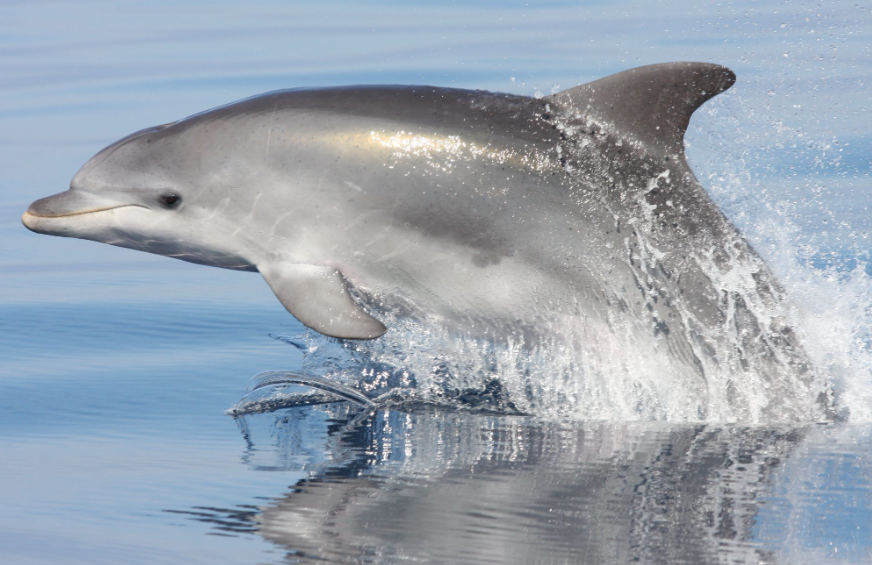
Unique behaviors and abilities observed in Bottlenose dolphins
Their distinct appearance, social activity, and high level of intelligence have piqued the curiosity of the marine biology community, which is eager to study them. Understanding these fascinating facts about bottlenose dolphins contributes to our understanding of marine life’s complexity and variety.
Interesting and informative facts about bottlenose dolphins
An Enthralling Universe of Bottlenose Dolphins Interesting Bottlenose Dolphin Facts: Among the most adored and well-known marine creatures are bottlenose dolphins. Their cleverness and amusing charm capture our imagination. Below are some amazing bottlenose dolphin facts that will help you appreciate and value these incredible animals even more.
Bottlenose dolphins seasonal movements and the importance of warm waters
Around the globe, bottlenose dolphins may be found in warm, temperate waters. They live in bays, estuaries, and coral reefs, as well as in offshore and coastal seas. These very adaptive animals can survive in a wide range of conditions, from the balmy seas of the Caribbean to the icy waters of Scotland.
Streamlined bodies, curved dorsal fins, and bottlenose shape of rostrum
The body of a bottlenose dolphin is streamlined and elegant, making it ideal for life in the water. Their dorsal fin, which protrudes from their back, aids in stability and movement. These dolphins can reach up to 12 feet in length and 1,400 pounds in weight. Their “bottle-shaped” snout, which gives them their name, is what makes them most unique.
Intelligence, problem-solving abilities, and capacity for learning by Bottlenose dolphins
Bottlenose dolphins are gregarious creatures that inhabit groupings known as pods. The number of dolphins in these pods might range from a few to several hundred. There is a sophisticated social system inside a pod where members establish close relationships and cooperate with one another.
Communication methods used by Bottlenose dolphins
Dolphins use a range of vocalizations, such as clicks, whistles, and body gestures, to communicate with one another. They can travel and find prey in their surroundings because of a highly developed sonar mechanism called echolocation.
Feeding Habits and diet patterns of Bottlenose dolphins
Bottlenose dolphins are opportunistic eaters who eat a variety of foods. Their main food source is fish, namely herring, mackerel, and mullet. However, they have been known to consume tiny sharks, crabs, and squid. Dolphins are expert hunters that utilize their strong teeth to seize and hold their prey.
Cognitive abilities and problem-solving skills of Bottlenose dolphins
Dolphins with bottlenoses are known for their intellect and capacity for problem-solving. They have been seen foraging on the ocean bottom while shielding their snouts with objects like sponges. Dolphins have been taught to carry out a variety of activities in captivity and are also capable of mastering complicated tasks.
Highly social nature and complex social structures of Bottlenose dolphins
Bottlenose dolphins are mammals that need air to breathe, much like all other cetaceans. When they surface, they can breathe in oxygen thanks to a blowhole on top of their skulls. Dolphins have to consciously concentrate on breathing, even while they are asleep, since they are aware breathers. Dolphins sleep in a state known as “unihemispheric sleep,” in which they are awake in one half of their brains and asleep in the other.

Threats faced by bottlenose dolphins and conservation efforts
Bottlenose dolphin populations are threatened by a number of factors; however, they are not presently listed as endangered. These include pollution, entanglement in fishing gear, habitat destruction, and noise pollution brought on by human activity. To save and conserve these amazing animals as well as their habitats, conservation initiatives are being carried out.
Importance of conservation and the need to appreciate and protect these intelligent marine mammals
Bottlenose dolphins are really amazing creatures. They are a species that should be studied and preserved because of their intellect, adaptability, and social nature. By learning more about these beautiful species, we may endeavor to ensure their survival and the preservation of our seas.
FAQ (Frequently Asked Questions) about Bottlenose Dolphin
Q: What is a Bottlenose Dolphin?
Ans: The Bottlenose Dolphin (*Tursiops truncatus*) is a highly intelligent marine mammal known for its playful behavior and distinctive curved mouth that resembles a smile. They are among the most recognizable and studied dolphin species worldwide.
Q: Where are Bottlenose Dolphins found?
Ans: Bottlenose Dolphins inhabit tropical, subtropical, and temperate waters globally. They are commonly found in shallow coastal areas, bays, estuaries, and offshore regions. Their adaptability allows them to thrive in diverse marine environments.
Q: What do Bottlenose Dolphins eat?
Ans: These dolphins primarily consume fish, squid, and shrimp. They employ echolocation to locate prey, emitting high-frequency clicks that bounce back from objects, helping them navigate and hunt effectively.
Q: What is the lifespan of a Bottlenose Dolphin?
Ans: Bottlenose Dolphins can live up to 40–50 years in the wild. Some females have been known to live over 60 years, while males typically have shorter lifespans.
Q: How do Bottlenose Dolphins communicate?
Ans: Bottlenose Dolphins use a complex system of squeaks, whistles, and clicks to communicate. They also have unique “signature whistles” that function similarly to names, allowing them to identify and call each other.
Q: Are Bottlenose Dolphins social animals?
Ans: Yes, they are highly social and live in groups called pods, which can range from a few individuals to over a thousand. These pods provide social interaction and cooperative hunting opportunities.
Q: What threats do Bottlenose Dolphins face?
Ans: Major threats include entanglement in fishing gear (bycatch), habitat degradation, pollution, and disturbances from boat traffic and noise. Conservation efforts are crucial to mitigate these risks and protect their populations.
#BottlenoseDolphin, #MarineMammals, #OceanConservation, #Cetaceans, #DolphinCommunication, #Echolocation, #MarineLife, #WildlifeProtection
Our sources and references about Bottlenose Dolphin
1: National Geographic – Common Bottlenose Dolphin
2: Ocean Conservancy – Bottlenose Dolphin
3: American Oceans – Common Bottlenose Dolphin
4: Australian Geographic – Bottlenose Dolphin