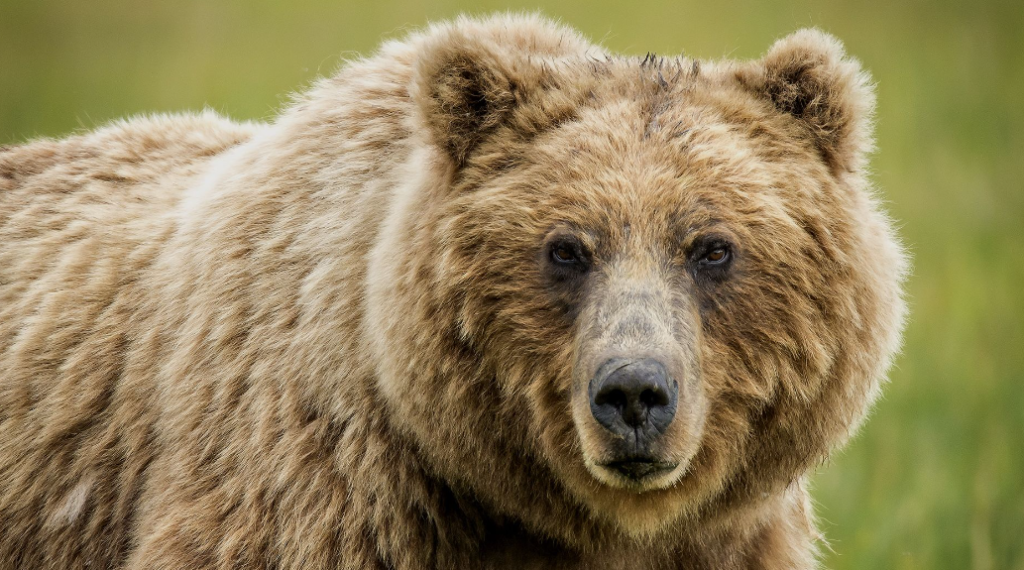
Quick Top 10 Facts about Brown Bear
| SCIENTIFIC NAME | Ursus arctos |
| CLASSIFICATION | KINGDOM: Animalia PHYLUM: Chordata CLASS: Mammalia ORDER: Carnivora FAMILY: Ursidae GENUS: Ursus SPECIES: U. arctos |
| SIZE | Height: 4.5–10 feet (1.4–3 meters), Weight: 200–1,500 pounds (90–680 kg), depending on species and sex |
| HABITAT | Forest, tundra, and coastal areas of North America, Europe, and Asia |
| DIET | Omnivorous, eating berries, roots, fish, small mammals, and carrion |
| SPECIES | Brown bear, a large bear species found in various regions of the Northern Hemisphere, with several subspecies including the Kodiak, grizzly, and Eurasian brown bears |
| COUNTRY | Found across North America, Europe, and parts of Asia, including Canada, the United States (particularly Alaska), Russia, and Scandinavia |
| GESTATION PERIOD | Approximately 180–250 days (depending on food availability, bears may delay implantation of the embryo) |
| LIFE SPAN | 20–30 years in the wild, though many do not live to old age due to factors like hunting and human conflict |
| CONSERVATION STATUS | Least Concern, though some populations, like the grizzly bear, are threatened due to habitat loss and human-wildlife conflict |
Amazing Facts About Brown Bears
1. Brown bears are among the largest land carnivores
Brown bears can grow to be massive, with males weighing over 1,000 pounds in some subspecies like the Kodiak bear.
2. They are omnivorous
Though often associated with meat-eating, brown bears have a varied diet that includes berries, roots, fish, and even carrion, alongside small mammals.
3. They are solitary animals
Brown bears are generally solitary, with males and females only coming together during the mating season or when a mother is raising cubs.
4. They have an exceptional sense of smell
Brown bears have one of the best senses of smell in the animal kingdom, capable of detecting food or other scents from miles away.
5. They hibernate in winter
Brown bears hibernate during the winter months, entering a state of torpor where their metabolic rate drops, but they do not technically “sleep” like humans.
6. They have powerful claws
With claws up to 4 inches long, brown bears use them for digging, catching prey, and marking territory.
7. Brown bears can be excellent swimmers
Brown bears are strong swimmers and are often seen catching fish in rivers, particularly during salmon runs.
8. They are territorial
Brown bears are territorial creatures, with males especially maintaining large home ranges to ensure access to food and mates.
9. They can run surprisingly fast
Despite their large size, brown bears can run at speeds of up to 35 miles per hour (56 km/h) over short distances.
10. They are vital to the ecosystem
As apex predators, brown bears play an important role in their ecosystems by controlling populations of other animals and spreading seeds through their diet.
Intriguing facts about Brown bear
The brown bear, or Ursus arctos, is a large member of the Ursidae family of animals. With populations in North America, Europe, and Asia, it is widely distributed across the Northern Hemisphere. Its peculiar brown fur, which varies in tone from light to dark, sets this species apart. Brown bears are generally between 300 and 1,500 pounds for males and 200 and 700 pounds for females. They possess a robust build. Brown bears are amazing animals who have adapted successfully to their many environments. They are an object of fascination and adoration for a great number of people worldwide because of their size, power, and distinctive behaviours.
Habitats and distribution of brown bears
Brown bears are very adaptable and can survive in a variety of habitats, including forests, tundra, and mountains. Because they are omnivores, they eat a variety of foods that contain both plant and animal protein. Their main foods include berries, nuts, grasses, roots, insects, fish, and sometimes larger animals. Brown bears are known for having exceptional fishing skills; they often stand in rivers and catch fish with their paws.
Mating Rituals, Reproduction and Life Cycle of brown bears
Apart from the period during which they are raising their young and the mating season, these bears have a complex social structure and are mostly solitary individuals. Typically, the female gives birth to one to four pups in a den after a gestation period of around six to eight months during the spring mating season. The cubs are blind from birth and rely on their mother to provide them food and protection. While some brown bears have been known to live longer in captivity, individual bear lifespans in the wild may reach up to 25 years. Poaching, habitat loss, and climate change are just a few of the issues this magnificent species is dealing with; thus, conservation efforts are crucial to its survival.
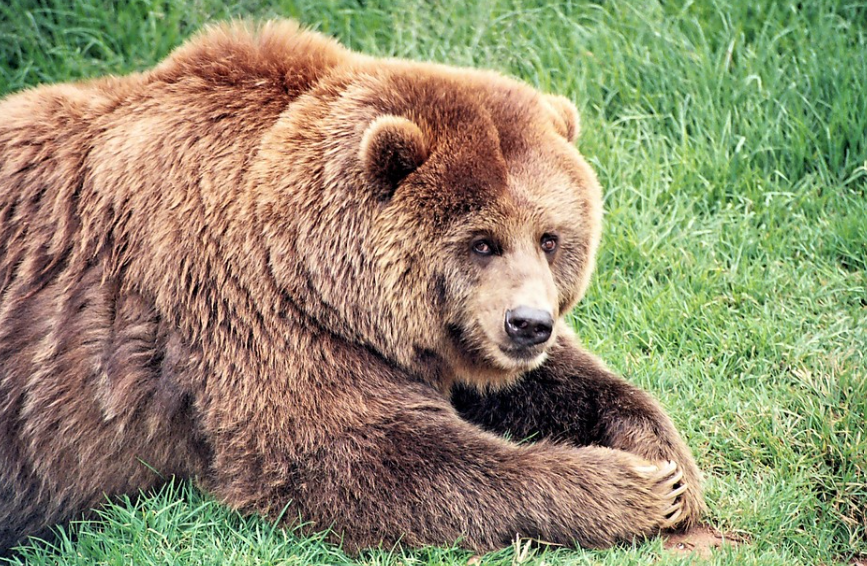
Fascinating facts about Brown Bear
Large, strong animals, brown bears are indigenous to Asia, Europe, and North America. Their characteristic brown fur, humped shoulders, and strong physique are what make them recognisable. The following are some fascinating bear facts:
Global distribution of brown bears and the different regions
A range of ecosystems, including woods, mountains, and tundra, are home to brown bears. North America is where they are most often found, especially in Alaska and western Canada. They also live in several regions of Asia and Europe, including Scandinavia and Russia.
Appearance of brown bears: size, fur color, and distinctive features
Among the biggest carnivores on land are brown bears. When standing on their hind legs, they may reach a height of 10 feet and a weight of 1,500 pounds. Their characteristic shoulder hump provides them with more power for digging and hunting.
Brown bears diet: what they eat in the wild and how they hunt for food
Brown bears are omnivores, consuming both vegetation and animals. Their diet changes depending on the time of year and food availability. They mostly consume berries, grasses, and other plants throughout the spring and summer. In the autumn, they eat a lot of fish to gain weight before hibernating. They occasionally hunt small animals and are known to scavenge carrion.
Hibernatation of brown bears throughout the winter
The capacity of brown bears to hibernate throughout the winter is well documented. Usually, they go into their dens in late autumn and come out in the spring. Their metabolism and heart rate drop during hibernation, and they survive on fat stores. This enables them to save energy for the chilly winter months when food is in short supply.
Unique behaviors or adaptations that make brown bears fascinating creatures
Apart from the times when they mate and raise their young, brown bears live alone most of the time. Due to their territorial nature, they will leave scent and claw marks on trees to demarcate their domain. Boars, or male bears, are more violent than female bears and will fight among themselves to establish dominance and have access to the females.
Conservation efforts are aimed at protecting brown bears and their natural habitats
According to the International Union for Conservation of Nature, brown bears are classified as a species of least concern (IUCN). Certain subspecies are nonetheless classified as vulnerable or endangered, such as the grizzly bear found in the lower 48 states of the US. The greatest risks to brown bear populations are habitat loss, hunting, and human conflict.
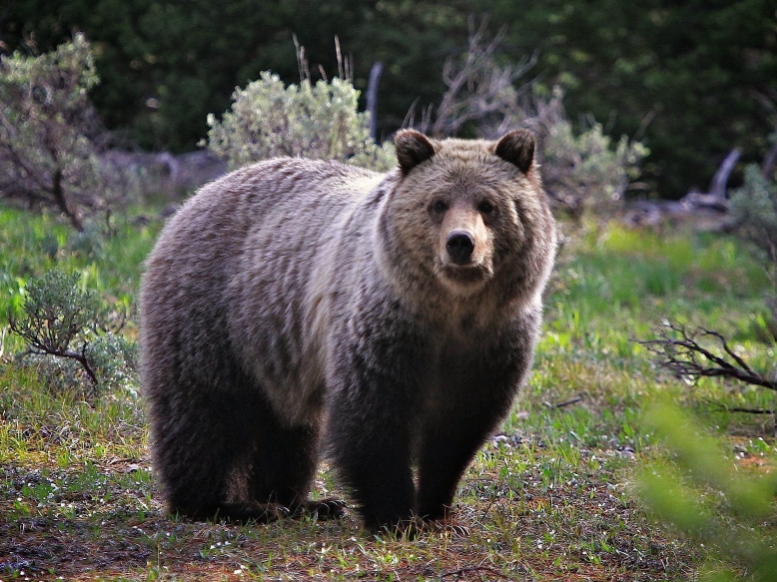
Historical and cultural significance of brown bears in human societies
Numerous indigenous peoples have significant cultural and folkloric connections to brown bears. They are often seen as representations of power, strength, and wisdom. They are regarded as holy creatures and connected to spiritual practices and beliefs in some civilizations.
FAQ (Frequently Asked Questions) about Brown Bears
Q: What is a Brown Bear?
Ans: The Brown Bear (Ursus arctos) is one of the largest land carnivores and is found across North America, Europe, and Asia. They have a thick brown fur coat and a robust body structure. Brown bears are omnivores, meaning they eat a variety of foods, including plants, berries, fish, and small mammals. There are several subspecies of brown bear, including the Kodiak bear, grizzly bear, and Eurasian brown bear.
Q: Where do Brown Bears live?
Ans: Brown bears are found in forests, mountains, and tundras across North America, Europe, and Asia. In North America, they are most commonly found in Alaska, Canada, and the northwestern United States. In Europe, they are found in the Carpathian Mountains and other remote areas, while in Asia, they inhabit areas such as the Russian Far East and parts of the Himalayas.
Q: What do Brown Bears eat?
Ans: Brown bears are omnivores and have a varied diet. They eat plants, fruits, nuts, berries, fish, and small to medium-sized mammals. In the wild, their diet may also include carrion, and during certain seasons, they may hunt larger animals, such as deer or moose. In coastal areas, they are known to catch salmon during spawning seasons. Their diet often changes depending on the availability of food sources in their habitat.
Q: Are Brown Bears dangerous?
Ans: While brown bears are typically peaceful and prefer to avoid human contact, they can be dangerous if they feel threatened or provoked, particularly if they are protecting their young or a food source. Brown bears are powerful animals and can be aggressive if they feel cornered or surprised. It is important to maintain a safe distance and avoid approaching them in the wild.
Q: How big do Brown Bears get?
Ans: Brown bears are large animals, with males typically weighing between 400 and 1,200 pounds (180 to 540 kg), depending on the subspecies. Females are generally smaller, weighing between 200 and 700 pounds (90 to 320 kg). Kodiak bears, a subspecies of brown bear, can grow even larger, with some males reaching weights of up to 1,500 pounds (680 kg). Brown bears stand about 3.3 to 4.5 feet (1 to 1.4 meters) tall at the shoulder when on all fours and can reach 8 to 10 feet (2.5 to 3 meters) in length when standing on their hind legs.
Q: Do Brown Bears hibernate?
Ans: Yes, brown bears hibernate during the winter months, although not all brown bears hibernate in the same way or for the same duration. Hibernation typically occurs when food sources are scarce, and bears enter a state of torpor, which allows them to survive without eating. During hibernation, their heart rate slows, and they do not eat, drink, or defecate. Some bears in warmer climates may not hibernate or may only enter a lighter form of hibernation.
Q: Are Brown Bears endangered?
Ans: The conservation status of brown bears varies by region and subspecies. In general, brown bear populations are stable or recovering in many parts of their range, especially in North America and Europe. However, some populations, such as those in small, isolated areas, may face threats due to habitat loss, human encroachment, and hunting. The IUCN Red List classifies the brown bear as a species of “Least Concern,” but certain subspecies are listed as “Vulnerable” or “Endangered.”
Q: How long do Brown Bears live?
Ans: Brown bears in the wild typically live to around 20 to 30 years, although their lifespan can be shorter due to factors such as hunting, accidents, or disease. In captivity, where they are protected from these dangers, they can live longer, with some individuals reaching 40 years of age.
Q: How do Brown Bears reproduce?
Ans: Brown bears mate during the summer months, usually between May and July. After mating, the female has a gestation period of about 6-8 months, with the actual development of the cubs occurring in the last 3-4 months of the pregnancy. Female bears typically give birth to 1 to 4 cubs in the winter den while they are hibernating. The cubs are born blind and weigh only about 1 pound (450 grams). They stay with their mother for up to two years, learning survival skills before becoming independent.
Q: Do Brown Bears have predators?
Ans: Adult brown bears have few natural predators, although they may face threats from other large carnivores, such as wolves or other bears, particularly during territorial disputes. Cubs, however, are vulnerable to predation by wolves, cougars, and even adult male bears. Despite this, brown bears are at the top of the food chain in their habitats and have few threats once they reach adulthood.
#BrownBear, #Bear, #Wildlife, #Nature, #Carnivore, #AnimalKingdom, #BearConservation, #GrizzlyBear, #WildlifeProtection, #BigAnimals, #WildlifePhotography, #EndangeredSpecies, #BearFacts
Our sources and references about Brown Bears
1: Wikipedia – Brown Bear
2: National Geographic – Brown Bear
3: World Wildlife Fund – Brown Bear
4: Britannica – Brown Bear


