Quick Top 10 Facts about Bumblebee
| SCIENTIFIC NAME | Bombus spp. |
| CLASSIFICATION | KINGDOM: Animalia PHYLUM: Arthropoda CLASS: Insecta ORDER: Hymenoptera FAMILY: Apidae GENUS: Bombus |
| SIZE | Length: 0.4–1 inch (1–2.5 cm), depending on species |
| HABITAT | Grasslands, gardens, forests, and agricultural areas; often nests underground or in sheltered areas |
| DIET | Herbivorous; feeds on nectar and collects pollen from flowers |
| SPECIES | Bumblebee refers to over 250 species within the genus Bombus |
| COUNTRY | Found worldwide, especially in temperate climates of North America, Europe, and Asia |
| GESTATION PERIOD | Eggs hatch in about 4–5 days; full development to adult takes about 3–4 weeks |
| LIFE SPAN | Workers: a few weeks; Queens: up to 1 year |
| CONSERVATION STATUS | Varies by species; some are threatened or endangered due to habitat loss and pesticides |
Amazing Facts About Bumblebees
1. Bumblebees are important pollinators
They play a crucial role in pollinating wildflowers and crops, making them vital for ecosystems and agriculture.
2. They can fly in cooler weather
Bumblebees can regulate their body temperature, allowing them to fly in colder conditions than many other insects.
3. Only queens survive the winter
At the end of the colony’s cycle, only fertilized queens hibernate and start new colonies the following spring.
4. They live in colonies
Bumblebee colonies are smaller than honeybee hives, usually containing 50–500 individuals.
5. They use a technique called buzz pollination
Bumblebees vibrate their bodies to shake pollen loose from certain flowers — something honeybees can’t do.
6. They have fuzzy bodies
Their dense hairs help them collect and transport pollen between flowers.
7. They’re not aggressive
Bumblebees are generally docile and will only sting when threatened; they can sting multiple times but rarely do.
8. They nest in hidden places
Bumblebees often nest underground in abandoned rodent burrows or in thick grass and compost heaps.
9. Bumblebees communicate through pheromones
They use chemical signals to alert colony members about threats or food sources.
10. Some species are in decline
Due to pesticide use, climate change, and habitat destruction, several bumblebee species are facing serious threats and population drops.
Explanation of Amazing insects: Bumblebees
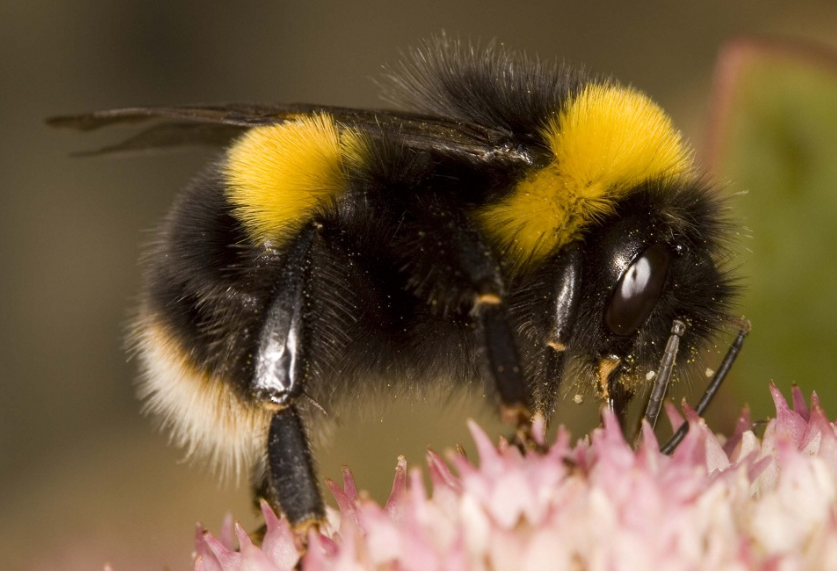
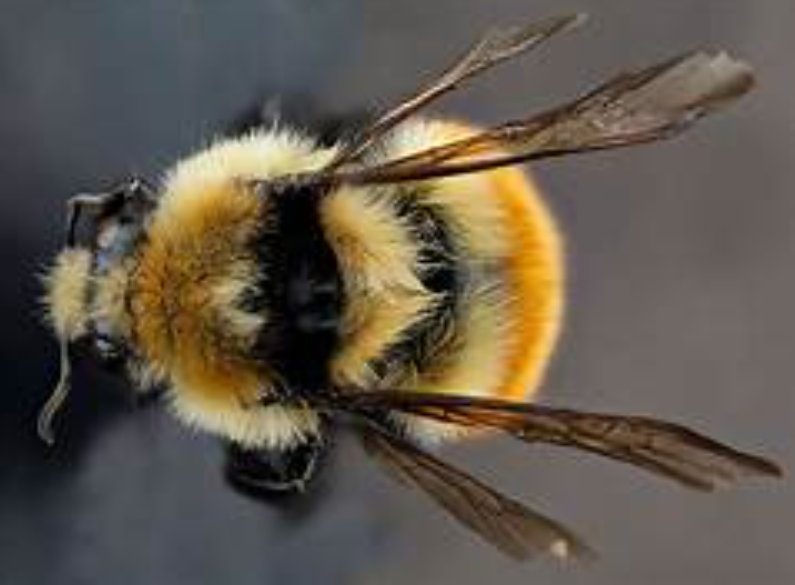
Bumblebees belong to the Apidae family, specifically the species Bombus. The dense hair that covers their plump bodies in vibrant colours like orange, yellow, and black sets these insects apart from other insects. Because bumblebees are larger than honeybees but smaller than carpenter bees, they are easily recognised.
Importance of bumblebees in pollination
Bumblebees are vital to the ecology because they are crucial pollinators. They are necessary for the reproduction of a wide variety of flowers, including crops, fruits, and wildflowers. As they go from bloom to blossom, collecting nectar and pollen, they inadvertently disperse pollen grains, aiding in fertilisation and encouraging the growth of seeds and fruits.
Social structure of bumblebee colonies: male and female workers
Bumblebees are gregarious insects that typically reside in colonies consisting of a queen, female workers, and male drones. The queen bumblebee is responsible for founding and tending to the colony. She hibernates throughout the winter and emerges in the spring to choose a suitable location for her nest. When she finds a suitable location, she constructs a little waxen nest and begins to lay eggs. The female workers in the colony are smaller in height and carry out a range of tasks, including guarding the nest, providing food for the young, and foraging for food. The male drone does not maintain the nest or collect food; his only responsibility is to mate with the queen. Bumblebees are believed to be gentle creatures that won’t sting unless they are provoked.
Fascinating facts about bumblebees
Bumblebees, an insect of great interest, are essential to our ecology. They are well-known for both their unique look and their crucial function in pollination. We’ll look at some fascinating bumblebee facts below:
Differences between bumblebees and other bees
When compared to other bee species, bumblebees are bigger and hairier. Their thick hair covers their strong, spherical body, which helps to retain heat and collect pollen. Their striking hues, which include orange, yellow, and black, serve as a warning to would-be predators.
Facts about bumblebee behaviour
Bumblebees don’t make a lot of honey, in contrast to honeybees. As an alternative, they make tiny wax pots to store food for their colony. Social insects, bumblebees, reside in colonies consisting of a queen, female workers, and male drones.
Impact of bumblebees on plant diversity
Excellent pollinators, bumblebees are essential to the reproduction of many plant species. They have an ability called “buzz pollination,” in which they shake their wings to release pollen from hard-to-reach flowers.
Role of bumblebees in plants reproduction
The fertilisation of fruits, vegetables, and wildflowers depends on these buzzing pollinators. Many plants would find it difficult to reproduce without bumblebees, which would reduce biodiversity and food supply. They are intriguing species to study because of their distinctive traits, capacity for pollination, and modes of communication.
How Bumblebees communicate with each other
Bumblebees communicate with each other in a unique manner. Within their colony, they communicate information through a mix of vibrations and chemical signals. For instance, a bumblebee would engage in a “nectar dance” to alert other bees to the presence of a rich nectar supply.
Flexibility of Bumblebees and reasons for declining population of Bumblebees
Bumblebees use these dances to convey information about the location, orientation, and quality of food sources, making it easier for other bumblebees in the colony to find and take advantage of them. Regretfully, bumblebee numbers are declining as a result of a variety of problems. Some of the primary causes of their decline are illnesses, pesticide usage, habitat loss, and climate change.
Importance of Bumblebees in our Ecosystem
The amazing insects known as bumblebees are essential to our ecosystems. Because bumblebees are essential pollinators for both agricultural crops and wildflowers, their loss is cause for worry. There may be significant repercussions for our ecosystems and food security if bumblebee populations decline. Bumblebees are important pollinators, and efforts are being made to preserve and safeguard them. Among the main tactics being used are establishing and maintaining habitats that are beneficial to bumblebees, cutting down on the use of pesticides, and increasing public awareness of their significance.
Threats and conservation efforts for Bumblebees
By creating nesting places, refraining from pesticides, and adding pollinator-friendly flowers to their gardens, individuals may also aid in the conservation of bumblebees. However, because of the decline in their numbers, it is imperative that we take action to save and preserve these vital pollinators. We can guarantee the survival of bumblebees and the ongoing health of our ecosystems by recognising their significance and putting conservation measures into action.
FAQ (Frequently Asked Questions) about Bumblebees
Q: What is a Bumblebee?
Ans: A Bumblebee is a large, fuzzy insect belonging to the genus Bombus. Known for their black-and-yellow coloration and gentle nature, Bumblebees are important pollinators of flowers and crops. They are commonly found in gardens, meadows, and forests across the world.
Q: How do Bumblebees differ from Honeybees?
Ans: Bumblebees are generally larger and fuzzier than Honeybees. Unlike Honeybees, which live in large colonies and produce significant amounts of honey, Bumblebees form smaller colonies and produce only enough honey to feed their young. Bumblebees are also more robust and better adapted to cold climates.
Q: What do Bumblebees eat?
Ans: Bumblebees feed on nectar for energy and collect pollen as a protein source to feed their larvae. They play a key role in pollination, helping many plants reproduce by transferring pollen from flower to flower.
Q: Are Bumblebees dangerous?
Ans: Bumblebees are generally non-aggressive and only sting when threatened. Unlike Honeybees, they can sting multiple times. However, they are not considered dangerous unless someone is allergic to bee stings.
Q: Where do Bumblebees live?
Ans: Bumblebees often nest in the ground, such as in abandoned rodent burrows, but they may also nest in compost heaps, under sheds, or in thick grass. Their colonies are relatively small, usually housing 50 to 500 individuals.
Q: How long do Bumblebees live?
Ans: Worker Bumblebees typically live for a few weeks. Queens, however, can live up to a year. After mating, new queens hibernate through the winter and emerge in spring to start new colonies.
Q: Why are Bumblebees important?
Ans: Bumblebees are crucial for pollination, especially for crops like tomatoes, peppers, berries, and clover. Their ability to “buzz pollinate” — shaking flowers at a specific frequency — makes them highly effective pollinators.
Q: Are Bumblebees endangered?
Ans: Some species of Bumblebees are declining due to habitat loss, pesticide use, disease, and climate change. Conservation efforts are underway to protect and restore their habitats and populations.
Q: What is buzz pollination?
Ans: Buzz pollination is a technique used by Bumblebees where they vibrate their bodies to release pollen from certain types of flowers. This method is especially effective for crops like tomatoes and blueberries that don’t easily release pollen.
Q: Can I attract Bumblebees to my garden?
Ans: Yes! Planting native, nectar-rich flowers, avoiding pesticides, and providing nesting areas like undisturbed soil or log piles can help attract Bumblebees. They are gentle visitors and great for garden health.
#Bumblebee, #Pollinators, #Bees, #NatureLovers, #GardenPollinators, #BuzzPollination, #WildlifeConservation, #FuzzyBees, #BeeFacts, #PollinatorProtection, #BeesOfTheWorld, #SaveTheBees
Our sources and references about Bumblebee
1: Wikipedia – Bumblebee
2: Bumblebee Conservation Trust
3: National Geographic – Bumblebee Facts
4: U.S. Forest Service – Bees and Pollination