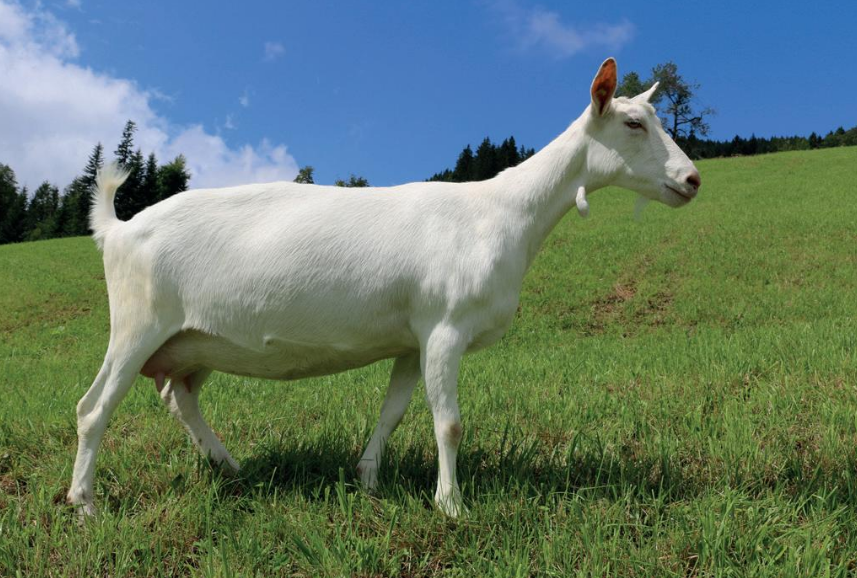
The Saanen Goat is one of the most popular dairy goat breeds in the world. Originally from the Saanen Valley in Switzerland, these goats are known for their high milk production, gentle temperament, and overall hardiness. With their white coats and calm demeanor, Saanen goats are often chosen for both commercial dairy farms and small homesteads. They are particularly valued for their ability to produce large quantities of milk with a mild flavor and high butterfat content.
Quick Top 10 Facts about the Saanen Goat
| SCIENTIFIC NAME | Capra aegagrus hircus |
| CLASSIFICATION | KINGDOM: Animalia PHYLUM: Chordata CLASS: Mammalia ORDER: Artiodactyla FAMILY: Bovidae GENUS: Capra SPECIES: C. aegagrus hircus |
| SIZE | Height: 75–90 cm (30–35 inches) Weight: 55–75 kg (121–165 lbs) |
| SPECIES | The Saanen Goat is a domesticated breed of goat, known for its high milk production and calm demeanor. |
| APPEARANCE | Saanen goats are typically white or cream-colored with a smooth, short coat. They have a strong, athletic build and are known for their elegant appearance. |
| LIFE SPAN | 10–15 years |
| HABITAT | Saanen goats are adaptable and can live in a variety of climates, although they prefer cooler environments. They are typically kept in farmyards or pastures with access to shelter and grazing areas. |
| DIET | Saanen goats are herbivores, primarily eating grasses, hay, and supplemented grains. A balanced diet is important to maintain their milk production. |
| NATURAL PREDATORS | Saanen goats do not have significant natural predators, as they are domesticated animals. However, they can be vulnerable to large carnivores in the wild, such as wolves or coyotes. |
| CONSERVATION STATUS | Not endangered – Saanen goats are a popular breed and are widely bred in many countries for dairy production. |
Amazing Facts About the Saanen Goat
1. High Milk Production
Saanen goats are known for their impressive milk production. They are one of the highest-producing dairy goat breeds, producing large quantities of milk that is prized for its mild flavor and high butterfat content.
2. Gentle and Calm Temperament
Saanen goats have a calm, friendly, and docile nature. They are easy to handle, making them an ideal choice for both experienced farmers and beginners in goat keeping.
3. Excellent Adaptability
Although native to Switzerland, Saanen goats are highly adaptable and can thrive in various climates. However, they tend to prefer cooler environments due to their lighter coat.
4. White Coat
Saanen goats have a characteristic white or cream-colored coat, which gives them an elegant and clean appearance. Their coat is short and smooth, requiring minimal grooming.
5. Long Lifespan
With proper care, Saanen goats can live a long life, typically around 10 to 15 years, making them a long-term investment for dairy production or as pets.
6. Good for Milk and Meat
While primarily kept for their milk, Saanen goats can also be used for meat production. They are an all-around useful breed on farms.
7. Easy to Handle and Train
Saanen goats are intelligent and easy to train. They respond well to positive reinforcement, making them easier to manage compared to some other goat breeds.
8. Social Animals
Saanen goats are very social and enjoy the company of other goats or animals. They are not solitary animals and thrive in herds or small groups.
9. Not Noisy
Unlike some other goat breeds, Saanen goats are relatively quiet. This makes them more suitable for farms near residential areas where noise might be a concern.
10. Ideal for Homesteading
Due to their high milk yield and docile nature, Saanen goats are perfect for homesteading. They provide fresh milk for the household while being relatively low-maintenance.
Introduction to the Saanen Goat Breed
One of the most well-known and popular dairy goat breeds in the world is the Saanen. This goat, native to Switzerland’s Saanen Valley, is well-known across the globe for its exceptional milk output, calm disposition, and climatic tolerance. The Saanen goat has several advantages that make it a desirable choice, regardless of whether you’re a hobbyist interested in goat husbandry or a small-scale farmer hoping to raise goats for dairy production.
History of Saanen Goat
Origins in Switzerland’s Saanen Valley
The history of the Saanen goat is extensive and goes back many centuries. It was first bred in Switzerland’s Saanen Valley, where goats had to be strong and durable due to the severe mountain climate. Because of its high milk production and ability to adapt to colder regions, the Saanen goat was chosen when Switzerland’s dairy sector grew. The Saanen goat is really regarded as one of the finest and oldest dairy breeds.
International Expansion and Popularity
Early in the 20th century, the Saanen goat started to expand outside of Switzerland because of its stellar reputation for producing milk. The breed arrived in the US around the middle of the 20th century, and dairy farmers still like it because of its high milk production and manageability.
Global Presence and Adaptability
The Saanen goat may now be found all over the globe, including in portions of Asia and Africa, as well as the United States, Australia, and New Zealand. Because of its production, temperament, and capacity to adapt to various agricultural techniques, its popularity is rising.
Physical Features of the Saanen Goat
Size and Build
The Saanen goat breed is big and eye-catching. The females (does) are somewhat smaller, weighing between 120 and 160 pounds, while the males (bucks) usually weigh between 150 and 200 pounds. They are renowned for their beautiful and exquisite look despite their size. The following are some of the Saanen goat’s salient physical characteristics:
Key Physical Characteristics
- Colour: Saanen goats have a silky coat of short to medium-length hair and are usually white or cream in colour. In hotter climes, their white coat helps them reflect sunlight and stay cool.
- Eyes and Ears: Saanen goats have big, expressive eyes and medium-sized, erect ears. They seem friendly and submissive because to their often beautiful blue eyes.
- Build: They have a wide, muscular torso and a deep chest. They can carry a lot of milk because of their sturdy physique. Their powerful, straight legs help to balance their size.
- Teats and Udder: Female Saanen goats are known for having plenty of teats and big, well-formed udders, which make them effective milkers. Dairy producers particularly value them because of their udder form, which makes milking them simpler.
Temperament and Personality
The sweet and serene disposition of the Saanen goat is well recognised. These goats are perfect for farms with plenty of human involvement since they are gregarious, friendly, and tolerant of human handling. Another factor contributing to their enormous appeal is the fact that they are often more submissive than other dairy goat varieties.
Production of Milk from Saanen Goats
High-Yield Dairy Performance
One of the most crucial traits of dairy goats is their ability to produce milk. Among dairy goat breeds, the Saanen goat is notable for producing some of the most milk. During the height of lactation, a well-cared-for Saanen doe may yield two to three litres of milk per day. Rich and high in butterfat, milk is often used to create butter, cheese, and other dairy products.
Benefits for Small and Commercial Dairy Farms
Both big commercial enterprises and small-scale dairy producers may benefit greatly from the milk produced by Saanen goats. Their milk is renowned for having a mild flavour and a creamy texture, which makes it perfect for both direct consumption and the manufacturing of further dairy products. Saanen goat milk is also commended for having lower lactose levels than cow’s milk, which may help those with moderate lactose sensitivity. It is also said to be simpler to digest.
Extended Lactation Period
Saanen goats produce a lot of milk, but they also take longer to lactate than many other breeds. They are a dependable supply of dairy products for lengthy periods of time since they usually start milking shortly after giving birth and may do so for many months.
Saanen Goat Raising: Crucial Management and Care
Space and Accommodation Needs
Even though Saanen goats are resilient creatures, they nevertheless need a suitable home to shield them from harsh weather conditions like freezing temperatures or intense heat. Even though they thrive in colder areas, it is crucial to provide them a clean, dry, and well-ventilated barn or shed so they can be comfortable all year round.
The goats should be able to walk around freely and rest peacefully in the shelter. The shelter must be at least 15 to 20 square feet in size for each goat. To prevent any disputes, make sure there is enough space for each goat to have their own personal area if you are raising several. Keeping the sleeping space clean is also crucial for preventing infections and illnesses.
Nutrition and Diet
A balanced diet is necessary for Saanen goats to maintain their high milk output. Their primary food sources are grass, fresh water, and hay. However, you may need to add grains, minerals, and vitamins to their food in order to maximise milk production and general health. While grains like oats or barley may provide energy, high-quality hay like alfalfa or clover offers vital fibre.
For healthy goats, particularly those who are pregnant or nursing, mineral supplements are essential. Minerals may be added to their meal or given to them free-choice. Additionally, make sure your goats have access to clean, fresh water at all times to keep them hydrated, particularly in hot weather.
The Saanen Goat’s Milking
Milking Method and Schedule
Because their udders and teats are well-formed, Saanen goats are often simple to milk. Although automated milking systems are also an option for larger-scale businesses, many goat owners choose to milk their goats by hand. Usually, milking takes place twice a day, in the morning and the evening. Maintaining a clean milking facility is crucial to avoiding milk contamination and making sure the goats are happy during the procedure.
Udder Health and Hygiene Practices
Additionally, it’s a good idea to routinely check on the udders’ health. Keep an eye out for symptoms of mastitis or other illnesses, since they may have an impact on the goat’s general health and milk quality. To lower the danger of bacterial infections, wipe the udders and teats on a regular basis before milking.
How to Breed Saanen Goats
Understanding the Breeding Cycle
For the best breeding results, it is crucial to comprehend the reproductive cycle of your Saanen goats if you want to breed them. Oestrous is the ideal period to breed goats since females often go into heat every 18 to 21 days. Although Saanen bucks are usually fertile all year round, it is advised to breed does in the autumn so that their births coincide with the best times for milk production, which are late winter or early spring.
Choosing the Right Buck
Make sure a buck is robust, healthy, and free of genetic flaws before choosing it for breeding. To enhance the general genetic makeup of their herd, many goat farmers decide to intentionally inseminate their goats.
Common Saanen Goat Health Problems
Typical Health Issues in Saanen Goats
- Mastitis: An udder infection that may impact the quantity and quality of milk produced. When milking, it’s critical to practise good cleanliness and to often check the udder for indications of hardness or irritation.
- Parasites: Worms, lice, and ticks are among the internal and exterior parasites that may harm goats. Maintaining the health of your goats requires regular parasite management and deworming.
- Foot Rot: Goats’ hooves are susceptible to a bacterial ailment called foot rot. Foot rot may be avoided with routine hoof trimming and by maintaining a clean and dry living space.
- Bloat: Goats often suffer from bloat, particularly those that graze on fertile grass. Gas accumulation in the rumen causes bloat, which may be fatal if left untreated.
Preventative Health Measures
Many of these illnesses may be avoided with regular veterinarian treatment, a nutritious food, and a clean living space. Maintaining the best possible health for your Saanen goats also requires regular examinations and immunisations.
FAQ (Frequently Asked Questions) about the Saanen Goat
Q: What is a Saanen Goat?
Ans: The Saanen Goat is a breed of domestic goat that originated in Switzerland. It is primarily raised for its high milk production, with a calm temperament and white coat.
Q: How much milk does a Saanen Goat produce?
Ans: A healthy Saanen goat can produce 3 to 5 liters of milk per day, depending on its age and diet.
Q: Are Saanen Goats good for beginners?
Ans: Yes, Saanen goats are excellent for beginners due to their calm and friendly nature. They are easy to handle and train, making them a good choice for novice goat keepers.
Q: Do Saanen Goats need special care?
Ans: Saanen goats are relatively low-maintenance, but they require a clean, dry shelter and access to high-quality food, including fresh hay and clean water.
Q: Can Saanen Goats live in hot climates?
Ans: While Saanen goats prefer cooler environments, they can adapt to hotter climates if they have access to shade and plenty of fresh water.
Q: How long do Saanen Goats live?
Ans: With proper care, Saanen goats can live between 10 and 15 years, making them a long-term companion for farmers and homesteaders.
Q: Are Saanen Goats good pets?
Ans: Yes, Saanen goats can make great pets, especially for those who want a friendly, easy-to-handle animal. They are social creatures that enjoy companionship and can bond with their owners.
Q: What do Saanen Goats eat?
Ans: Saanen goats are herbivores, and their diet typically consists of grass, hay, and supplemented grains. A balanced diet is essential for maintaining their health and milk production.
Q: Can Saanen Goats be kept in small spaces?
Ans: While Saanen goats can live in small spaces, they need plenty of room to roam and graze. A small yard or pasture is ideal for their health and well-being.
Q: Do Saanen Goats require a lot of grooming?
Ans: Saanen goats have a short coat that doesn’t require much grooming, but regular brushing helps remove loose hairs and maintain a clean appearance.
#SaanenGoat #DairyGoats #GoatFarming #MilkProduction #GoatBreeds #Homesteading #GoatLovers #SaanenMilk #FarmAnimals #SaanenGoats
Our sources and references about the Saanen Goat
1: Wikipedia – Saanen Goat
2: Hobby Farms – Saanen Goat
3: Oklahoma State University – Saanen Goat