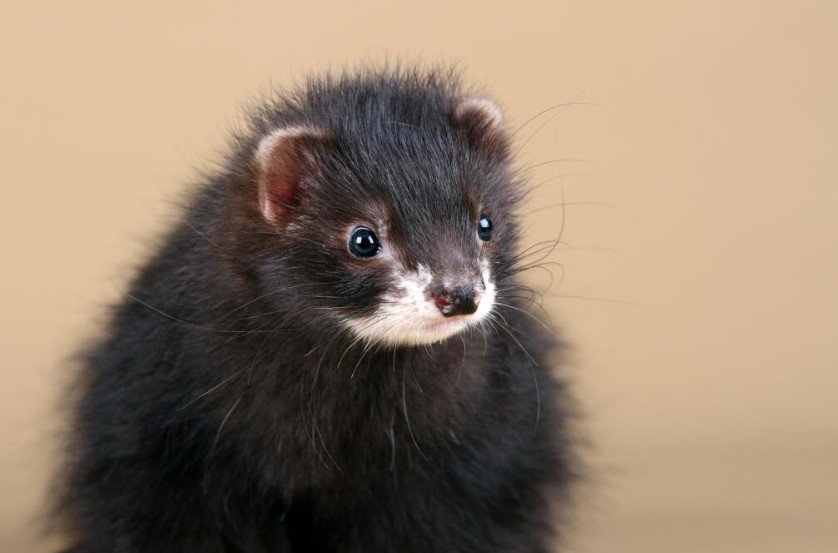
Sable Ferrets are one of the most popular color variants of ferrets, known for their rich, dark brown to black fur and pale undercoats. These playful, curious, and energetic animals make wonderful pets, but they require proper care, socialization, and stimulation to remain happy. Ferrets, including the sable variety, are carnivores and are highly intelligent, capable of learning tricks, and forming strong bonds with their owners.
Quick Top 10 Facts about Sable Ferret
| SCIENTIFIC NAME | Mustela putorius furo |
| CLASSIFICATION | KINGDOM: Animalia PHYLUM: Chordata CLASS: Mammalia ORDER: Carnivora FAMILY: Mustelidae GENUS: Mustela SPECIES: M. putorius |
| SIZE | Length: 18–22 inches (46–56 cm), including the tail Weight: 1.5–4 pounds (0.7–1.8 kg) |
| SPECIES | Ferret (Mustela putorius furo) |
| APPEARANCE | Sable Ferrets have dark, brownish-black fur with lighter undercoats and facial markings. Their coats often have a rich, glossy appearance, especially in well-cared-for ferrets. |
| LIFE SPAN | 6–10 years |
| HABITAT | Sable Ferrets are typically kept as indoor pets in homes, but they are native to Europe and the Middle East, where they were domesticated from wild European polecats. |
| DIET | Sable Ferrets are obligate carnivores, meaning they need a diet that consists primarily of animal-based proteins such as meat, eggs, and high-quality ferret food. |
| NATURAL PREDATORS | In the wild, ferrets are preyed upon by birds of prey, wild carnivores, and larger mammals. Domesticated ferrets are protected from natural predators. |
| CONSERVATION STATUS | Not endangered. Domesticated ferrets are widespread as pets, though wild European polecats (the ancestors of domesticated ferrets) are considered vulnerable in some areas. |
Amazing Facts About Sable Ferret
1. Beautiful Coat Color
Sable Ferrets are known for their striking coat color, which ranges from a dark brown to nearly black with a pale, cream-colored undercoat. Their fur often has a glossy appearance, especially with proper grooming.
2. Highly Playful and Energetic
Ferrets, including Sable Ferrets, are highly energetic and playful. They are curious creatures who enjoy exploring their environment, playing with toys, and engaging in activities that allow them to use their intelligence.
3. Social Animals
Sable Ferrets are social creatures that enjoy being around other ferrets and humans. They thrive in environments where they receive plenty of attention and companionship. They can be trained to interact with family members and other pets.
4. Intelligent and Curious
Sable Ferrets are highly intelligent and love to explore. They are capable of learning simple tricks, navigating obstacle courses, and even solving puzzles. Their curiosity leads them to investigate every nook and cranny of their environment.
5. Nocturnal Creatures
Sable Ferrets are naturally nocturnal, meaning they are most active during the night. While they will adjust to their owners’ schedules, they may still prefer to be active and playful in the evenings.
6. Excellent Hunters
Ferrets are natural hunters, and their predatory instincts are strong. In the wild, they hunt small animals, such as rodents and birds. Domesticated ferrets, however, are typically fed a balanced diet and do not need to hunt for their food.
7. Need for Mental Stimulation
Sable Ferrets need regular mental stimulation to stay happy and healthy. They enjoy toys that challenge their intelligence, such as tunnels, balls, and puzzles that require problem-solving skills.
8. Can Be Litter Trained
Ferrets are generally clean animals and can be litter trained with some patience. By placing a litter box in a designated spot and being consistent, many ferret owners report success with litter training.
9. Bond Closely with Their Owners
Ferrets form strong bonds with their human companions. They often seek attention, enjoy cuddling, and love to follow their owners around the house. A bonded ferret can be a delightful and affectionate pet.
10. Short but Active Lifespan
While Sable Ferrets have a relatively short lifespan of 6–10 years, they are active and playful throughout their lives. Their high energy and zest for life mean that they live each day to the fullest.
Sable Ferret: An Adorable and Fun Friend
Introduction to the Sable Ferret
A fascinating and endearing variety of the domestic ferret (Mustela putorius furo), one of the most well-liked small pets in the world, is the sable ferret. For decades, ferrets have been beloved pets due to their lively disposition, intellect, and inquisitive dispositions. One of the most popular and recognisable coat colours for ferrets is sable, which gives them a rich, black coat with characteristic patterns that set them apart. Ferrets, notably sable-coloured ones, are adored for their great vitality and kind disposition in addition to their attractive looks.
Knowing About the Sable Ferret
It’s crucial to comprehend ferrets’ basic traits before examining how the sable colouring fits into this framework in order to properly appreciate the sable ferret.
How Would One Describe Sable Ferret?
Ferrets have a particular coat colour pattern that is referred to as “sable.” Sable ferrets often have a cream or beige face and belly to go with their darker, richer brown or black hair and lighter undercoats. Ferrets have an attractive and distinctive look because to the stark contrast created by their sable colouring.
- In keeping with the traditional appearance of a sable coat, the black points of the fur are often more noticeable on the back and tail, while lighter hues are seen on the breast, legs, and underside.
- The sable ferret is one of the most popular breeds among pet owners due to its stunning colouring.
The sable ferret is developed specifically for its unique and eye-catching fur colouration, in contrast to wild ferrets, which are usually sandy or greyish in colour. Sable ferrets are similar to other domesticated ferrets in terms of their curiosity, strong activity, and playful nature, despite their stunning appearance.
The Sable Ferret’s Physical Features
Like other domesticated ferrets, sable ferrets are elongated and sleek, making them ideal for exploring tunnels and confined areas. Part of what makes them so enjoyable to watch is their agility, which is facilitated by their body form and enables them to move quickly and elegantly.
Size and Body
Sable ferrets usually weigh 1.5 to 4 pounds (0.7 to 1.8 kg) as adults. Including the tail, which is around 5 to 6 inches (12 to 15 cm) long, they are between 20 and 24 inches (50 and 61 cm) long. Despite their small size, ferrets are robust creatures who can execute their distinctive acrobatic skills because of their strong physique.
Eyes and Ears
The big, black eyes of sable ferrets are expressive and bursting with interest. They seem alert due to their short, triangular ears and the fact that they usually stand erect. Their excellent senses of sight and hearing are enhanced by the combination of their eyes and ears, which enables them to detect movement and environmental changes.
Coat and Fur
With its distinctive black tips and paler undersides, the sable ferret has a silky, thick, and glossy coat. Compared to long-haired ferrets, their short fur requires less upkeep, although frequent brushing will assist get rid of loose fur, particularly during shedding seasons.
Characteristics and Conduct of the Sable Ferret
Ferrets, notably the sable kind, are gregarious, bright, and active creatures. They are fun to have around because of their lively temperament, but in order to be healthy and content, they also need care, interaction, and enrichment.
Curious and Adventurous
A sable ferret’s innate curiosity is one of its most distinguishing traits. Ferrets are sometimes described as “inquisitive” since they are always sniffing, climbing, and digging to learn more about their surroundings. Although their curiosity makes them entertaining pets to watch, it also means that they should be housed in a safe, ferret-proofed space to prevent mishaps or escapes.
Playful and Exuberant
Sable ferrets are renowned for having a lot of energy. They are perfect for active pet owners since they love to run, jump, and play interactively. Toys, tunnels, and anything that let them indulge their innate hunting and burrowing tendencies are very appealing to them. A ferret’s playtime is a wonderful opportunity to strengthen your relationship with them and keep them engaged both emotionally and physically.
Adorable and Social
Ferrets like company even if they are naturally independent. Like other domesticated ferrets, sable ferrets are gregarious creatures that love to interact with their human family members and other pets. They are kind and have the capacity to form close relationships with their owners; they often accompany them about the home or pursue love.
Daily Rhythms and Communication
Ferrets are nocturnal and crepuscular by nature, which means that dawn and dusk are when they are most active. Sable ferrets prefer to sleep and relax throughout the day, although they may be more lively in the evening. Potential pet owners may want to take this behaviour into account since it may have an impact on how much care they can provide their ferret throughout the day.
Ferrets use a range of vocalisations, body language, and odours to communicate with their owners and with each other. When they are joyful, shocked, or enthusiastic, they may hiss, chirp, or produce high-pitched sounds. Like other ferrets, sable ferrets often “dance” or do a “weasel war dance,” which is a wild, joyful act that indicates they are happy or in a fun mood.
The Sable Ferret’s Upkeep and Care
Your sable ferret’s health and wellbeing depend on proper care. Regular exercise, stimulation, and health care are necessary for these bright and active creatures.
Nutrition and Diet
Being obligate carnivores, sable ferrets need a diet high in fat and protein. It is crucial to provide ferrets with high-quality food that is specially prepared to satisfy their nutritional requirements. Foods intended for other pets, such dog or cat food, should not be given to ferrets since they need animal-based proteins like chicken, turkey, and lamb.
- You may sometimes provide ferret-safe snacks, cooked eggs, or tiny portions of cooked meat in addition to commercial ferret food.
- To keep your sable ferret healthy and energetic, you should always have fresh water accessible and provide them new food every day.
Space and Enclosure
Being energetic creatures, sable ferrets want room to roam and play. For their protection while not under supervision, a sizable, safe cage is required. They should be able to roam freely in the cage, and there should be a variety of platforms and levels to keep them occupied. The addition of tunnels, hammocks, and hiding places to a ferret’s cage will enhance their habitat.
To stop escapes or access to potentially dangerous items, it’s crucial to ferret-proof the environment while they’re not in their cage. Because ferrets can fit through surprisingly tiny areas, it’s a good idea to put them in a playpen or a safe, contained location.
Mental Stimulation and Exercise
Sable ferrets need regular exercise and mental stimulation because of their lively and active personality. Your ferret needs interactive toys like balls, tunnels, and puzzles to stay interested. Playing with your sable ferret should be a daily activity that gives them chances to run, leap, and explore.
Ferrets benefit from training activities that teach them tricks or how to use a litter box since they are also quite bright. Simple directives or behaviour signals may be effectively taught to your ferret via positive reinforcement training.
Maintaining a Groom
Despite having short fur that doesn’t need much care, sable ferrets nonetheless benefit from regular brushing to get rid of stray hair and minimise shedding. Brushing may help control ferrets’ tendency to lose their fur a few times a year. Regular washing (about once per month or two) is also advised to maintain ferrets’ coats clean and minimise odours since they are prone to greasy skin.
Health-Related Issues in Sable Ferrets
Although ferrets are typically healthy pets, they might develop some health problems, just like any other animal. Adrenal disorders, cardiac issues, and tooth disease are common worries. To keep your sable ferret healthy, it’s important to arrange for regular veterinarian examinations. Maintaining your ferret’s health requires spaying or neutering, parasite treatment, and routine immunisations.
FAQ (Frequently Asked Questions) about Sable Ferret
Q: What is a Sable Ferret?
Ans: A Sable Ferret is a color variation of the domesticated ferret, characterized by a dark, glossy brown coat with a pale undercoat and distinct facial markings.
Q: How long do Sable Ferrets live?
Ans: Sable Ferrets typically live for 6–10 years, depending on their health and care.
Q: What do Sable Ferrets eat?
Ans: Sable Ferrets are obligate carnivores, and their diet consists mainly of high-protein animal foods such as meat, eggs, and specially formulated ferret food.
Q: Are Sable Ferrets good pets?
Ans: Yes, Sable Ferrets can make wonderful pets for the right owner. They are playful, affectionate, and intelligent, but they require time, attention, and proper care to thrive.
Q: Do Sable Ferrets need a lot of exercise?
Ans: Yes, Sable Ferrets are very active animals and require plenty of playtime and physical activity to stay healthy. They enjoy exploring their environment and playing with toys.
Q: Can Sable Ferrets be litter trained?
Ans: Yes, ferrets can be litter trained with consistency and patience. Most ferrets are clean animals and will use a litter box if properly introduced to it.
Q: Are Sable Ferrets good with children?
Ans: Sable Ferrets can be good with children, but it is important to supervise interactions to ensure the safety of both the child and the ferret. Ferrets should be treated gently and respectfully.
Q: Do Sable Ferrets have a strong odor?
Ans: Ferrets naturally have a musky odor, but with regular grooming and proper care, this can be minimized. Some owners choose to have their ferrets neutered or spayed to reduce the odor.
Q: Are Sable Ferrets expensive to care for?
Ans: Sable Ferrets can be relatively low-cost to care for, but they require high-quality food, regular veterinary visits, and toys to keep them mentally stimulated. Proper care ensures a long, happy life for your ferret.
Q: Can Sable Ferrets be kept as indoor pets?
Ans: Yes, Sable Ferrets are typically kept as indoor pets. They are curious and adventurous, and they enjoy exploring safe, confined spaces where they can interact with their environment.
#SableFerret #FerretFacts #PetFerret #SableFerretCare #FerretPets #ExoticPets #Carnivores #FerretLovers #FerretTraining #SmallPets
Our sources and references about Sable Ferret
1: American Kennel Club – Ferret
2: Petfinder – Ferret Care Guide
3: PetMD – Ferret Care


