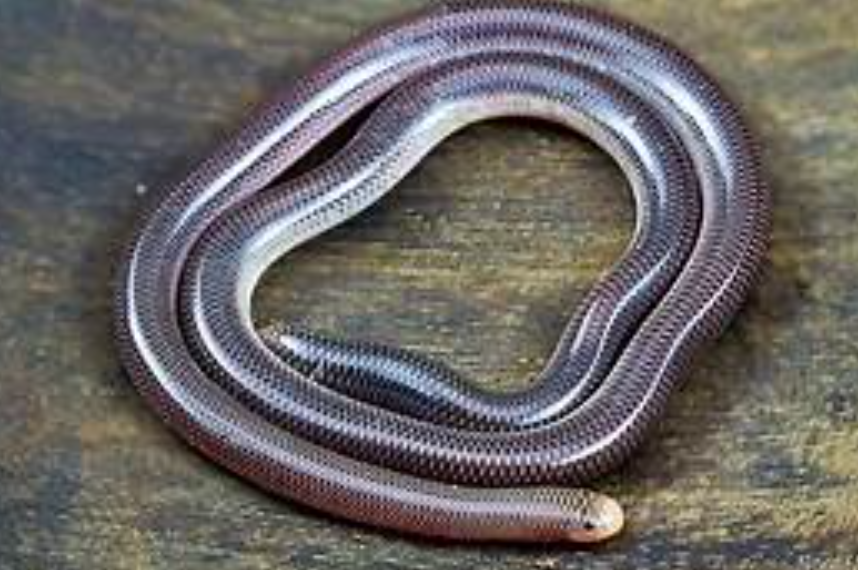
A type of burrowing snake found in tropical and subtropical regions. Blind Snakes are known for their small size and are often mistaken for worms. They are non-venomous and feed primarily on ants and termites.
Quick Top 10 Facts about Blind Snake
| SCIENTIFIC NAME | Typhlopidae (Family) |
| CLASSIFICATION | KINGDOM: Animalia PHYLUM: Chordata CLASS: Reptilia ORDER: Squamata FAMILY: Typhlopidae GENUS: Varies (e.g., Ramphotyphlops, Indotyphlops) |
| SIZE | Typically 4–16 inches (10–40 cm); some species can grow slightly longer |
| HABITAT | Underground in soil, leaf litter, under rocks and logs, or in termite mounds; prefers warm climates |
| DIET | Mainly ants and termites, including their eggs and larvae |
| SPECIES | Over 200 recognized species within the Typhlopidae family |
| COUNTRY | Found in tropical and subtropical regions worldwide, including Africa, Asia, Australia, and the Americas |
| GESTATION PERIOD | Eggs hatch in about 3–4 weeks; some species are ovoviviparous (giving birth to live young) |
| LIFE SPAN | Typically 4–10 years in the wild |
| CONSERVATION STATUS | Most species are of Least Concern; some localized populations may be at risk due to habitat loss |
Amazing Facts About Blind Snake
1. Not truly blind
Despite their name, Blind Snakes have small eyes covered by scales that can detect light and dark, but they cannot form clear images.
2. Excellent burrowers
Their slender, smooth bodies and reduced vision make them perfect for life underground.
3. Often mistaken for worms
Due to their small size and pink or brown coloration, they are frequently confused with earthworms.
4. Feed on ants and termites
Blind Snakes use their tongue to detect chemical cues and raid nests for insect larvae and eggs.
5. Global distribution
They are found on nearly every continent, especially in tropical and subtropical regions.
6. Secretive lifestyle
These snakes spend most of their time hidden, making them rarely seen despite being widespread.
7. Some species can reproduce without mating
Certain blind snakes are parthenogenetic, meaning females can produce offspring without fertilization.
8. Help control insect populations
By preying on termites and ants, they play a role in natural pest control.
9. Harmless to humans
Blind Snakes are non-venomous, tiny, and completely harmless to people and pets.
10. Ancient lineage
They belong to a early group of snakes and are among the most basal lineages in the snake family tree.
Interesting facts about Blind Snakes
Fascinating reptiles, blind snakes (also called thread snakes) are members of the Typhlopidae family. Though they have small scale-covered eyes, blind snakes are not actually blind, despite their name. The Americas, Africa, Asia, Australia, and other parts of the world are home to these snakes.
Information on Blind Snakes: lack of eyes and reduced vision
The unusual capacity of blind snakes to burrow beneath the surface is an intriguing fact. These snakes can move through sand and dirt with ease because of their pointed snouts and slim bodies. They spend most of their time underground, looking for termites and ants, which make up their favourite food. Due to their flexible bodies, blind snakes are also renowned for their ability to fit into small areas.
Information on Blind Snakes mating habits and offspring
The way blind snakes reproduce is another intriguing feature. Blind snakes are parthenogenetic, meaning they do not require a male in order to reproduce, in contrast to many other snake species. In the animal kingdom, this is an uncommon occurrence that enables blind snakes to quickly spread to new areas. The eggs laid by the females develop into fully developed, tiny snakes when they hatch. From birth, these baby blind snakes can take care of themselves and soon begin their own underground adventures.
Unique adaptations that blind snakes have developed and how they adapt to survive
Because of their tiny size and shy disposition, blind snakes—also referred to as thread snakes or worm snakes—are an interesting class of reptiles that are sometimes overlooked. Though their name suggests otherwise, blind snakes are not literally blind; rather, they have special adaptations that help them survive in their subterranean homes. This essay will examine the traits, actions, and significance of blind snakes in the environment.
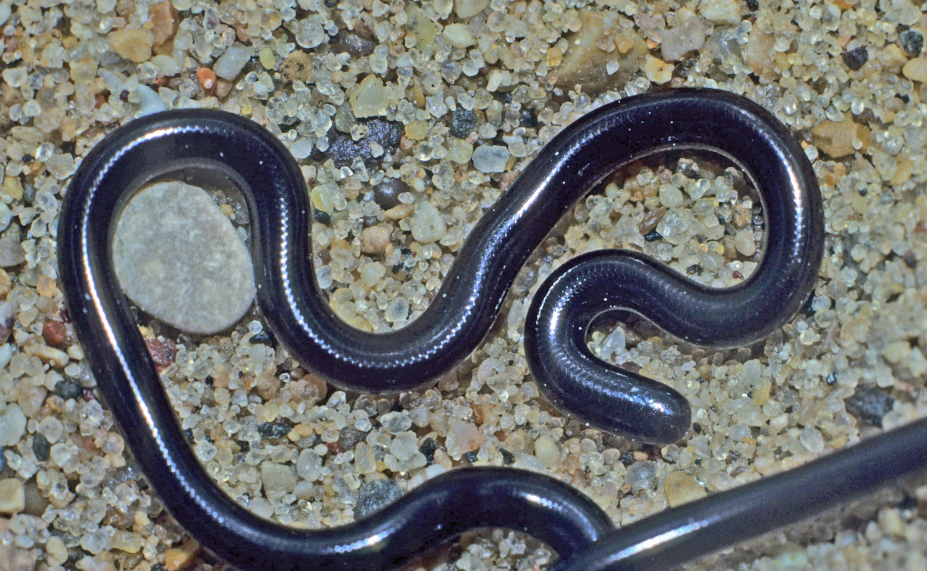
Description of blind snakes and characteristics of Blind Snakes
The family Typhlopidae, which is comprised of many genera and species, includes blind snakes. They may be found all throughout the globe, but particularly in the Americas, Africa, Asia, and Australia. These snakes are usually tiny, with lengths varying from a few inches to a foot. Their smooth scales and thin bodies let them travel through the soil with ease.
Their smaller eyes are one of the most distinguishing characteristics of blind snakes, eyes are smaller and less functional, yet they are not totally blind. They spend the majority of their lives in the dimly lit subterranean tunnels, which they can traverse thanks to their modifications.
How they locate and consume their prey
Blind snakes mostly use their senses of touch and smell to find prey and navigate their surroundings, rather than their eyes.
Behaviour and diet: The bulk of blind snakes’ lives are spent underground, since they are largely fossorial. They dig well, making tunnels in soft dirt or leaf litter with their powerful bodies and sharp snouts. They are shielded by these tunnels from temperature changes and predators.
Diet and Feeding Habits of blind snakes and what they eat
Being carnivorous, blind snakes consume a range of tiny invertebrates, such as termites, ants, and insect larvae. They can consume prey much bigger than their own heads because of their unique jaw shape. Due to their reputation for eating termite and ant eggs, blind snakes are useful in agricultural settings for managing pest populations.
Reproductive behaviours of blind snakes
The mechanism of reproduction in blind snakes is also distinct. Although they are oviparous, or egg-laying, our understanding of their reproductive biology is still incomplete. Certain kinds of blind snakes are parthenogenetic, meaning they may procreate without fertilisation. Because they can reproduce asexually, blind snakes may swiftly spread over new territories and adapt to a variety of environmental conditions.
Ecological Importance and conservation status of blind snakes
Blind snakes are important members of the ecosystems they live in. They contribute to the control of bug and other arthropod populations since they hunt tiny invertebrates. Termites and other pest species that may seriously harm crops and buildings are part of their diet. Blind snakes provide important ecological services and maintain the equilibrium of habitats by managing their populations.
Blind snakes are not only predators; they are also prey for bigger creatures.
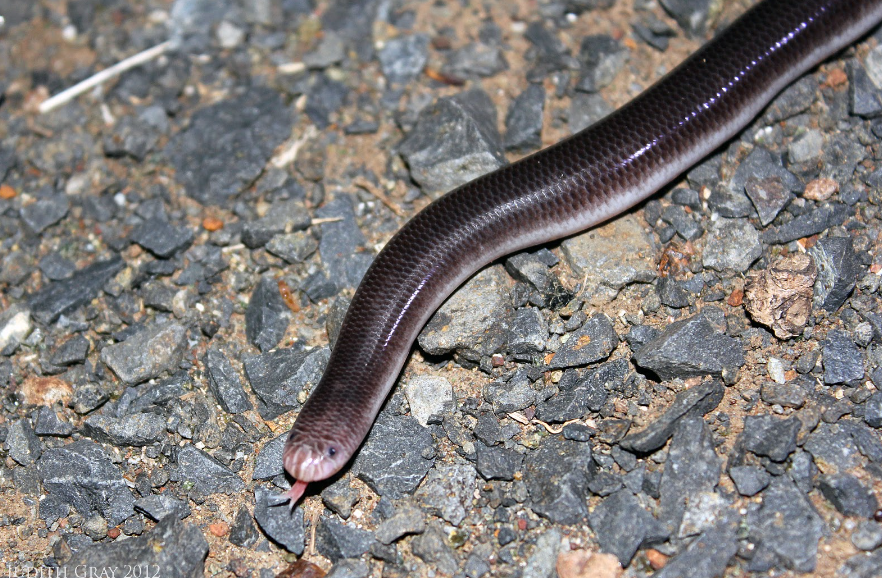
Fun and intriguing facts about blind snakes
Blind snakes may be eaten by birds, animals, and other snakes, which adds to the complex food chain in their environments. Additionally, their burrowing technique promotes nutrient cycling and soil aeration. Despite their diminutive size and lack of prominence, blind snakes remain an essential component of the natural world. They are an interesting group of reptiles to study and admire because of their distinctive behaviours, adaptations, and ecological significance. Understanding and protecting these amazing animals will help maintain the general well-being and biodiversity of our ecosystems.
FAQ (Frequently Asked Questions) about Blind Snake
Q: What is a Blind Snake?
Ans: Blind Snakes are small, non-venomous snakes belonging to the family *Leptotyphlopidae*. They are characterized by their small size, cylindrical bodies, and vestigial (or underdeveloped) eyes. These snakes are often mistaken for earthworms due to their appearance and burrowing habits.
Q: Where do Blind Snakes live?
Ans: Blind Snakes are found in a variety of regions, particularly in tropical and subtropical areas of the world. They are burrowers and prefer sandy or loose soils, often inhabiting grasslands, forests, and agricultural fields. They are typically found underground, only coming to the surface at night or when disturbed.
Q: What do Blind Snakes eat?
Ans: Blind Snakes primarily feed on ants, termites, and other small invertebrates. They use their sensitive tongues to detect prey and are known for their ability to consume large quantities of ants and larvae, often hunting them in their underground colonies.
Q: How big do Blind Snakes get?
Ans: Blind Snakes are generally small, typically ranging from 6 inches (15 cm) to 12 inches (30 cm) in length. Some species can grow slightly larger, but they remain relatively small and compact throughout their lifespan.
Q: Are Blind Snakes dangerous?
Ans: No, Blind Snakes are completely harmless to humans. They are non-venomous and do not pose any significant threat. In fact, they are beneficial to the environment as they help control populations of ants and termites.
Q: How do Blind Snakes find their way around without sight?
Ans: Despite their name and lack of well-developed eyes, Blind Snakes rely on other senses to navigate their environment. They use their sense of smell, touch, and vibrations in the ground to detect prey and navigate through soil and underground burrows.
Q: How long do Blind Snakes live?
Ans: The lifespan of a Blind Snake can vary depending on species and environmental conditions, but they generally live for about 5 to 10 years in the wild. Their lifespan is influenced by factors such as food availability and predation risks.
Q: Do Blind Snakes lay eggs?
Ans: Yes, Blind Snakes lay eggs. Female Blind Snakes typically lay small clutches of eggs, with some species laying up to 10 eggs per clutch. After laying eggs, the mother abandons them, and the young hatch independently after a period of incubation.
Q: Are Blind Snakes threatened or endangered?
Ans: Most species of Blind Snakes are not considered threatened or endangered. However, they can face threats from habitat destruction, pesticide use, and predation by other animals. Conservation efforts to protect their habitats are important to ensure their continued survival.
Q: How do Blind Snakes defend themselves?
Ans: When threatened, Blind Snakes typically retreat underground or into tight spaces to escape danger. They are not aggressive and rely on their burrowing behavior to stay out of sight. Some species may also release a foul-smelling secretion as a defense mechanism.
#BlindSnake, #NonVenomousSnake, #SnakeFacts, #BurrowingSnakes, #ReptileLife, #WildlifeConservation, #InvertebratePredator, #TermiteControl, #SnakeLovers, #SnakeConservation
Our sources and references about Blind Snake
1: Wikipedia – Blind Snake
2: Britannica – Blind Snake
3: Reptiles Magazine – Blind Snakes
4: ThoughtCo – Blind Snakes