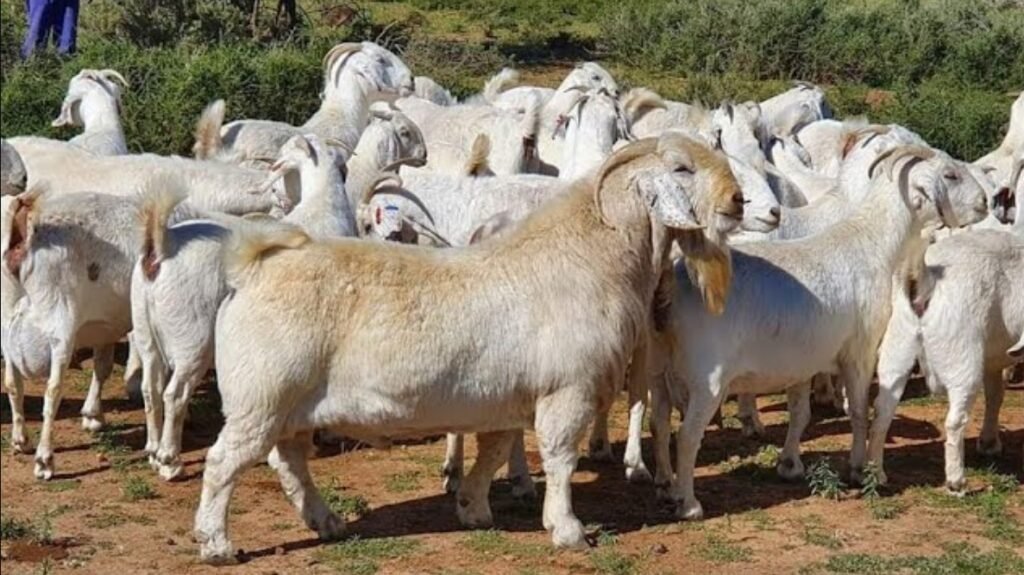
The Savanna Goat is a hardy and adaptable breed of goat originally from South Africa. Known for its excellent meat quality, the Savanna Goat is prized for its ability to thrive in harsh climates. They are robust animals, often raised for both meat production and as an ornamental breed in various parts of the world. Their distinct white coat and muscular build make them easy to identify. Savanna Goats are resilient and well-suited to a variety of environments, especially in areas with high temperatures and minimal rainfall.
Quick Top 10 Facts about Savanna Goat
| SCIENTIFIC NAME | Capra aegagrus hircus |
| CLASSIFICATION | KINGDOM: Animalia PHYLUM: Chordata CLASS: Mammalia ORDER: Artiodactyla FAMILY: Bovidae |
| SIZE | Height: 60–75 cm (24–30 inches) Weight: 45–80 kg (99–176 lbs) |
| SPECIES | The Savanna Goat is a breed of domestic goat, derived from the indigenous goats of southern Africa. |
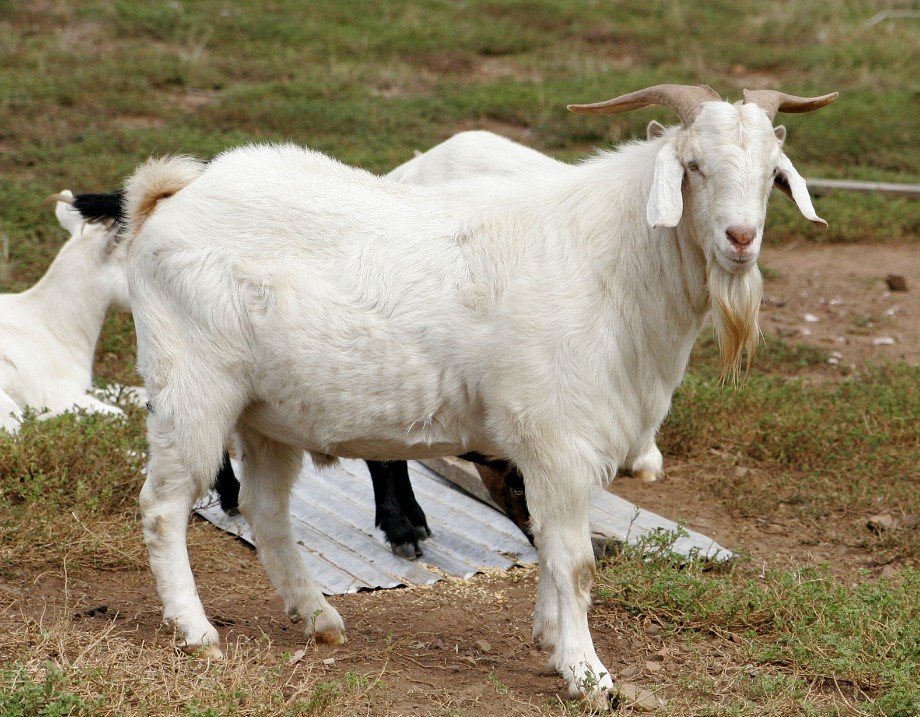
| APPEARANCE | Typically has a white coat with black or brown markings, a strong and muscular body, and long, straight horns that curl slightly outward. |
| LIFE SPAN | Typically 10–12 years, though some goats can live longer with proper care. |
| HABITAT | Adapted to a variety of environments, but they thrive in dry, semi-arid regions and can be found in savannahs, grasslands, and farms. |
| DIET | Herbivorous, feeding on grasses, shrubs, and other vegetation. They are excellent browsers and can adapt to different forage types. |
| NATURAL PREDATORS | Predators may include large carnivores like wild cats, jackals, and birds of prey, though goats are generally fast and agile enough to evade them. |
| COUNTRY | Native to South Africa, but they have been introduced to other parts of the world for farming and meat production. |
| GESTATION PERIOD | Approximately 150 days (around 5 months). |
| CONSERVATION STATUS | Not endangered, as they are a domesticated breed and commonly raised in many regions for agricultural purposes. |
Amazing Facts About Savanna Goat
1. Excellent Meat Quality
The Savanna Goat is prized for its high-quality meat, known for being lean, tender, and flavorful, making it a popular choice for meat production.
2. Hardy and Resilient
Savanna Goats are well-adapted to hot, dry environments. Their ability to thrive in harsh climates makes them ideal for farming in arid regions.
3. High Reproductive Rate
This breed is known for having multiple offspring at once, with females commonly giving birth to twins or triplets, which makes them productive for meat farming.
4. Excellent Browsers
Savanna Goats are excellent browsers, which means they are efficient at foraging on a variety of plants, including shrubs and low-lying trees.
5. Strong and Muscular Build
The breed has a strong and muscular body, which allows them to adapt well to harsh terrain and helps them grow at a rapid rate, making them excellent livestock.
6. Good Climbers
Savanna Goats are excellent climbers and can often be seen on rocky outcrops or elevated areas, where they find food and shelter.
7. Long-Lived and Productive
With proper care, Savanna Goats can live for many years and continue to produce offspring for much of their lifespan, making them valuable livestock.
8. Adaptability to Various Climates
Whether in dry, arid landscapes or more temperate climates, Savanna Goats are highly adaptable, making them a versatile breed for various farming environments.
9. Strong Social Structure
Savanna Goats are social animals and prefer to live in groups, where they form strong bonds with each other, especially between mothers and their young.
10. Low Maintenance
Savanna Goats are generally low-maintenance animals that are hardy and capable of surviving on a variety of forage types, making them ideal for small-scale and commercial farming.
A Hardy and Resilient Breed: Savanna Goats
Originating in South Africa, the Savanna Goat is a sturdy and hardy domestic goat breed. The Savanna Goat has gained popularity among farmers and livestock owners worldwide because to its remarkable physical attributes, strong work ethic, and exceptional adaptability. The Savanna Goat is a unique and adaptable breed, known for its ability to produce meat, withstand hard temperatures, and avoid sickness.
1. The Savanna Goat’s Origin and History
Through careful breeding, the Savanna goat was first created in South Africa in the 1970s. A species that could survive the tough circumstances of the savanna biome—which is defined by hot, dry weather with seasonal rainfall—was the aim. The Savanna goat was created by crossing West African with indigenous goats, especially Khoisan goats.
These goats were chosen because they were resistant to parasites and illnesses and could provide meat of superior grade. The Savanna Goat was developed throughout time to become a breed that could withstand the difficulties of hostile areas and yet produce a lot of work.
Due to its hardiness and great demand for meat production, the breed is now ideal for both small-scale homesteading and commercial farming. In regions with difficult temperatures, the breed’s development has greatly increased cattle yield.
2. Physical Attributes of the Savanna Goat
Savanna goats are renowned for their robust look, agility, and muscular physique. These goats’ physical characteristics are aimed towards efficiency in the production of meat since this is their primary breeding goal.
Dimensions and Mass
- Males (Bucks): Adult bucks may reach shoulder heights of 90 to 100 cm (35 to 39 inches) and weigh between 85 and 100 kilogrammes (187 and 220 pounds).
- Females (Does): Adult does typically have a shoulder height of 75 to 85 cm (29 to 33 inches) and weigh between 55 and 70 kilogrammes (121 and 154 pounds).
Savanna goats have a body type that facilitates effective grazing and quick weight growth, despite their smaller stature compared to certain other meat goat breeds. They are the perfect breed for producing meat since their bodies are designed to preserve muscular mass rather than extra fat.
Colour and Coat
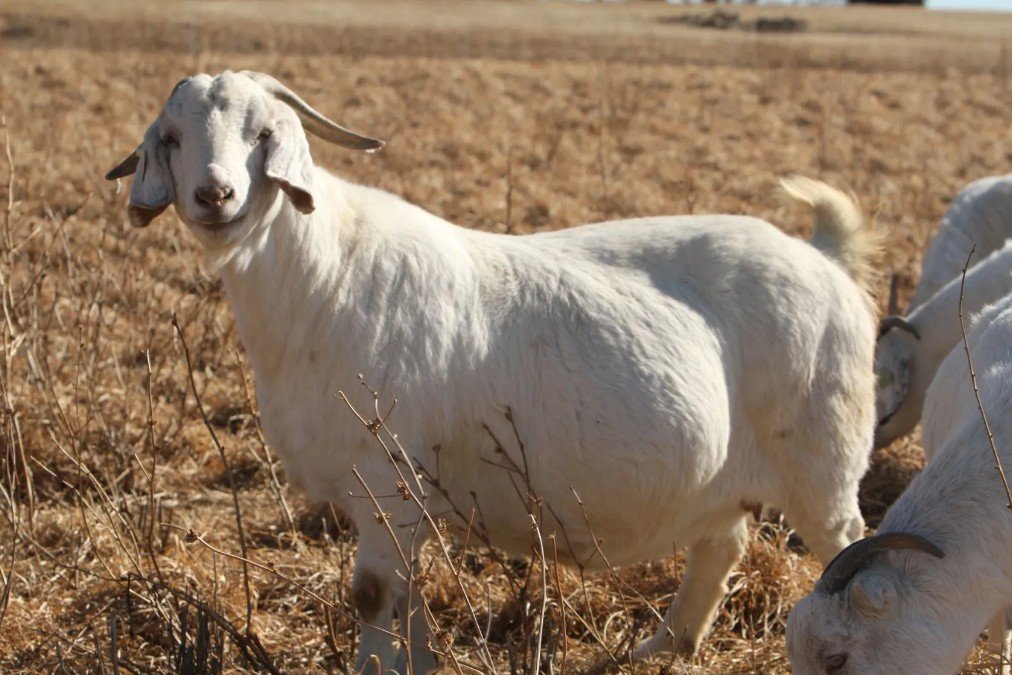
Since the Savanna goat’s coat is usually short, it thrives in hotter regions. Though there are light brown and tan variations as well, their coats are typically white or cream in colour. Because of its largely weather-resistant coat, the Savanna goat is protected from the elements and keeps cool during hot weather.
Ears and Horns
The horns of savanna goats are usually broad and curved. Typically, the horns taper to a tip from a wide base. The medium-sized ears of the Savanna goat often protrude from the skull. In the warmer climes they are usually reared in, the ears’ lack of length helps to minimise excessive heat absorption.
Other Prominent Characteristics
- Physique: The breed’s ability to effectively retain muscular mass and build weight is facilitated by its long, deep physique.
- Legs: They can walk and graze for extended periods of time due to their strong, muscular legs.
3. Hardiness and Adaptability
The Savanna goat’s capacity to adapt to a variety of challenging conditions is among its most amazing traits. Arid and semi-arid climates, like those in Africa, are especially suitable for this type. Because of its exceptional resistance to harsh cold and heat, the Savanna goat may be found in a wide range of regions worldwide.
Resilience to Climate Change
Because of their short coat, which allows for vital airflow and keeps them from overheating in the summer, savanna goats are bred especially to flourish in hot, dry areas. They also naturally fight parasites and frequent goat ailments including sore mouth and caprine arthritis encephalitis (CAE). Because of their resilience, farmers choose them in areas where other breeds may suffer from parasites and illness.
Savanna goats have shown their ability to withstand freezing temperatures in colder regions. Although they are better adapted to warmer climates by nature, with the right care, their resilience enables them to thrive in a variety of settings.
Resistance to Disease
Because of its innate resilience to illness, the breed is easy to care for without requiring frequent veterinarian care. Farmers who raise goats in places with limited access to veterinary care or in areas where certain illnesses are prevalent may find this characteristic very useful. The Savanna Goat’s minimal care requirements are further influenced by its susceptibility to foot rot, a frequent issue in livestock.
4. Conduct and Attitude
The calm and submissive nature of the Savanna goat is well-known. They may be reared without aggressive tendencies and are typically simple to manage, despite being independent creatures. Because of this, they are perfect for both new and seasoned farmers, especially those who may not have a lot of goat farming expertise.
Social Organisation
Being gregarious creatures, savanna goats prefer communal living. They often live in herds where they groom and mate, among other social activities. Depending on available space and farming methods, this type of goat may be housed in either huge herds or smaller family groupings in a commercial farming setting.
Level of Activity
Savanna goats are regarded for being peaceful, yet they are also quite active. They will feed on a range of vegetation and like to explore their surroundings. Because of their excellent grazing practices, they are able to maintain a good physical condition while efficiently consuming vast amounts of plant material. Because they are persistent grazers, savanna goats may aid in vegetation management and the reduction of overgrowth in certain locations.
5. Benefits of Meat Production
The Savanna Goat breed is highly valued for the quality of its meat, which is its principal function. Savanna goat meat is well-known for being thin and soft, and it is often used in a variety of culinary preparations, particularly in areas where goat meat is a staple food.
Rate of Growth
Savanna goats are renowned for growing quickly. They are very effective for commercial farming because they may quickly reach a marketable weight. They acquire weight fast without accumulating large amounts of fat because of their muscular frame and effective metabolism.
Quality of Meat
The Savanna goat’s meat has a high muscle-to-fat ratio and is lean. It is often praised for being flavourful and soft, which makes it a great option for meat markets and cooking. The meat is also a popular choice for those looking for a healthy alternative since it has less fat than many other farmed species.
6. Reproduction and Breeding
Savanna goats are renowned for their high fertility rates and excellent reproductive abilities. With females entering oestrus every 18 to 21 days, they may often reproduce all year round. Although single births are very frequent, does usually give birth to twins or triplets.
With females able to mate as early as 7 to 9 months of age, the breed is renowned for its early sexual maturity. Male goats, known as bucks, are prepared to reproduce when they are around a year old. Savanna goat breeding programs that are successful usually concentrate on choosing animals based on their growth rates, meat quality, and resilience to illness.
7. Management and Care
Especially when compared to some other varieties, savanna goats need very less care. To maintain optimum health and productivity, they still need to be properly managed, fed, and cared for.
Consuming
These goats enjoy shrubs, bushes, and other non-grass plants since they are predominantly browse eaters. To guarantee enough nutrition, it’s crucial to provide them a balanced diet that consists of premium hay, grain, and minerals in addition to grazing.
Housing and Shelter
Despite their resilience, Savanna goats nevertheless need protection from harsh weather, especially in the winter. In order to protect them from the heat in hot weather and from wind, rain, and snow in colder weather, they should have access to dry, shaded locations.
Well-being and Health
Maintaining the health of Savanna goats requires regular examinations. Even though they are often disease-resistant, it is crucial to make sure they get regular vaccinations and dewormings. An essential component of their regular upkeep is foot care, particularly hoof clipping.
FAQ (Frequently Asked Questions) about Savanna Goat
Q: What is a Savanna Goat?
Ans: The Savanna Goat is a breed of domestic goat known for its excellent meat production, muscular build, and ability to thrive in hot, dry climates. Originally from South Africa, they are now raised in various parts of the world.
Q: How long do Savanna Goats live?
Ans: On average, Savanna Goats live 10–12 years, though some individuals can live even longer with proper care.
Q: What do Savanna Goats eat?
Ans: Savanna Goats are herbivores and are excellent browsers. They feed on grasses, shrubs, and other vegetation, adapting well to a variety of forage types.
Q: Are Savanna Goats good for meat production?
Ans: Yes, Savanna Goats are known for their high-quality, lean meat, making them a popular choice for meat production in many parts of the world.
Q: Are Savanna Goats easy to care for?
Ans: Yes, Savanna Goats are relatively low-maintenance and hardy animals that can thrive in harsh climates with minimal care, though they still require shelter and a nutritious diet.
Q: Do Savanna Goats need a lot of space?
Ans: While they are excellent climbers and browsers, Savanna Goats do not require vast amounts of space, but they do benefit from access to grazing areas and shelter from the elements.
Q: Are Savanna Goats endangered?
Ans: No, Savanna Goats are not endangered. They are a domesticated breed and are commonly raised for agricultural purposes.
Q: How often do Savanna Goats reproduce?
Ans: Savanna Goats are prolific breeders, with females commonly giving birth to twins or triplets once a year.
Q: Can Savanna Goats live in cold climates?
Ans: While Savanna Goats are adapted to hot and dry climates, they can survive in cooler climates as long as they have proper shelter and care.
Q: What makes Savanna Goats special?
Ans: Savanna Goats are known for their exceptional adaptability to different environments, their high meat quality, and their ability to thrive with minimal maintenance.
#SavannaGoat #Goats #Livestock #MeatGoat #Agriculture #FarmAnimals #SouthAfricanGoat #GoatFarming
Our sources and references about Savanna Goat
1: Wikipedia – Savanna Goat
2: Farm Progress – Savanna Goat Production
3: Agriculture WA – Savanna Goat
4: The Goat Spot – Savanna Goat Overview