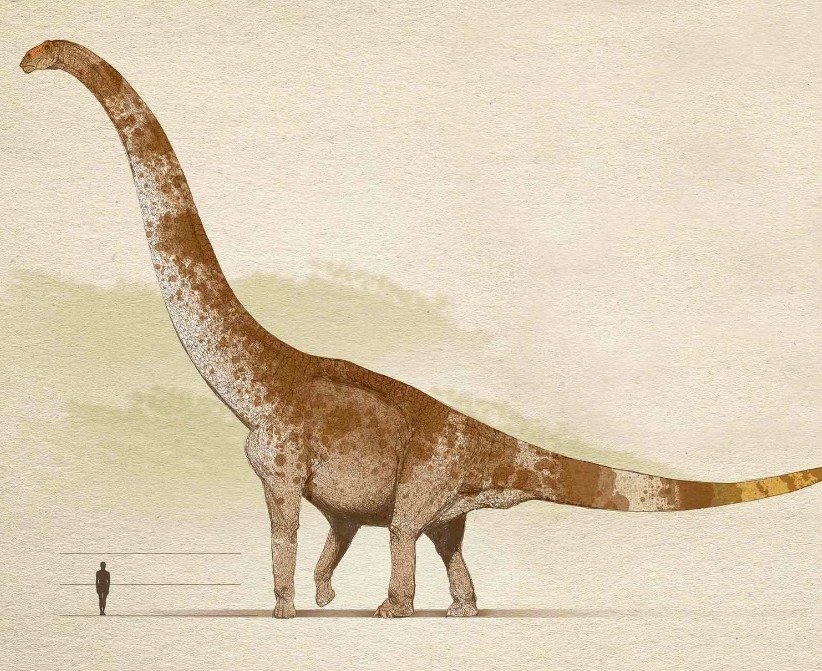
Sauropoda is a group of large, long-necked dinosaurs known for their immense size and herbivorous diet. These dinosaurs roamed the Earth during the Mesozoic Era, with the first species appearing in the Late Triassic period. Sauropods are among the largest animals to have ever lived, with some species reaching lengths of over 100 feet. They are characterized by their long necks, small heads, and massive bodies supported by four sturdy legs. Sauropods were primarily herbivores, feeding on plants like ferns, conifers, and other vegetation. These incredible giants have left behind a wealth of fossil evidence, giving scientists a fascinating glimpse into their lives.
Quick Top 10 Facts about Sauropoda
| SCIENTIFIC NAME | Sauropoda |
| CLASSIFICATION | KINGDOM: Animalia PHYLUM: Chordata CLASS: Reptilia ORDER: Saurischia SUBORDER: Sauropodomorpha |
| SIZE | Length: Up to 40–50 meters (130–160 feet) in the largest species. Weight: 15–100 tons, depending on the species. |
| SPECIES | Some well-known species include Brachiosaurus, Apatosaurus, and Argentinosaurus. |
| APPEARANCE | Sauropods had long necks, small heads, and large, stocky bodies supported by four legs. Their tails were long and whip-like, providing balance and possibly aiding in communication. |
| LIFE SPAN | Estimated to be 70–100 years, though this varies between species. |
| HABITAT | Sauropods lived in a variety of environments, including lush forests, floodplains, and river valleys, where they could find abundant vegetation to feed on. |
| DIET | Herbivorous, feeding on ferns, conifers, and other plant life, as they were not equipped for hunting prey. |
| NATURAL PREDATORS | Adult sauropods had few natural predators due to their massive size, but juvenile sauropods could have been preyed upon by large carnivorous dinosaurs like Allosaurus. |
| COUNTRY | Sauropods lived in what is now North America, South America, Europe, Asia, and Africa, during the Mesozoic Era. |
| GESTATION PERIOD | Exact gestation periods are not known, but based on modern reptiles, they are estimated to have been around 12–16 months. |
| CONSERVATION STATUS | Extinct, as sauropods died out at the end of the Cretaceous period, around 65 million years ago, likely due to the mass extinction event. |
Amazing Facts About Sauropoda
1. The Largest Dinosaurs
Sauropods were the largest land animals to ever walk the Earth. Some species like Argentinosaurus reached lengths of over 100 feet, weighing as much as 100 tons.
2. Long Necks for Reaching High Vegetation
The long necks of sauropods allowed them to reach vegetation high up in trees, giving them access to a wider range of food sources compared to other herbivores.
3. Massive Size for Protection
Their enormous size helped protect them from most predators. Adult sauropods had few natural enemies, and their sheer size deterred most carnivores.
4. Herbivorous Diet
Sauropods were strictly herbivores, grazing on plants such as ferns, conifers, and other vegetation. Their large bodies required a massive amount of plant matter for sustenance.
5. Long Tail for Balance
The long tail of a sauropod helped balance their large bodies and may have also been used for communication, possibly in social interactions or as a defense mechanism.
6. Slow Movers
Despite their size, sauropods were relatively slow-moving, traveling at an average pace of about 5 km/h (3 mph). However, they could travel long distances while foraging for food.
7. Extraordinary Fossils
Fossils of sauropods have been discovered all over the world, with some of the most well-preserved specimens found in places like North America, South America, and China.
8. Large Eggs and Hatchlings
Sauropod eggs were massive, and hatchlings would emerge relatively small compared to their adult size. They likely reached full size over the course of many years.
9. Social Behavior
Some evidence suggests that sauropods lived in herds, which could have provided safety in numbers and helped them forage for food more efficiently.
10. Extinct but Not Forgotten
Although sauropods went extinct millions of years ago, their fossils continue to fascinate paleontologists and remain an important part of dinosaur history.
Introduction to Sauropoda: The Mesozoic Era’s Giant Herbivore
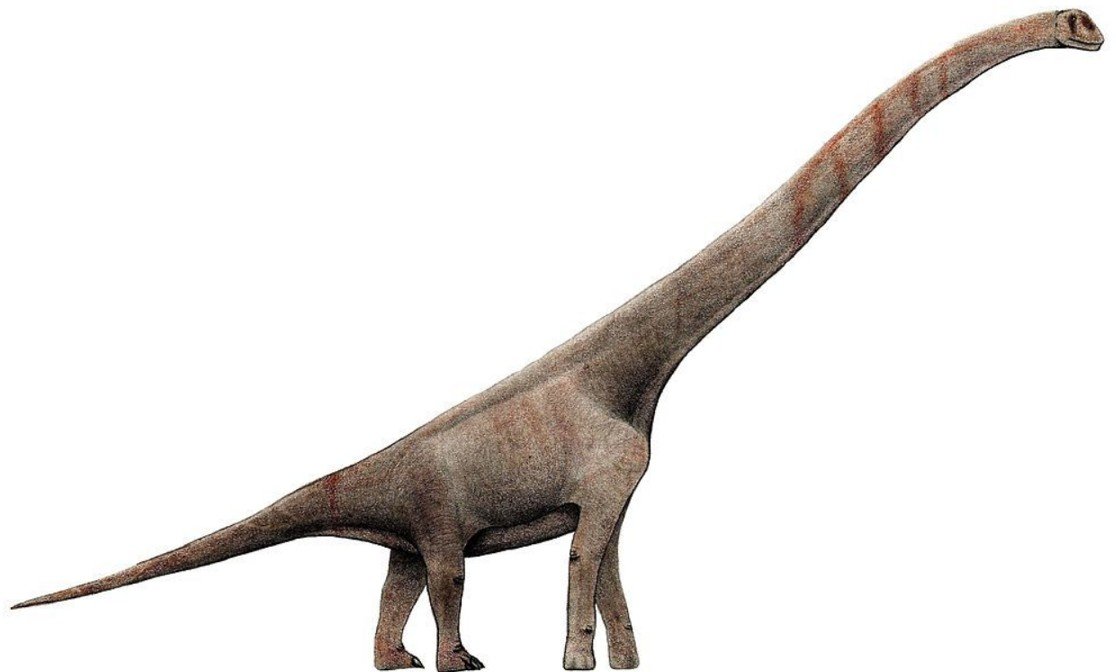
One of the most famous and recognisable groups of dinosaurs is the Sauropoda, which is distinguished by its massive size, long necks, and long tails. Especially in the Jurassic and Cretaceous eras, these enormous herbivores dominated the Mesozoic Era. Theropods, the group that gave origin to modern birds, are also members of the wider dinosaur order Saurischia, of which sauropods are a suborder. Brachiosaurus, Apatosaurus, Brontosaurus, and Diplodocus are among the most well-known sauropod species.
1. An Outline of the Sauropoda
Etymology of the Word “Sauropoda”
The Greek words “sauros,” which means lizard or reptile, and “pod,” which means foot, are the origin of the phrase “sauropoda.” Given that these dinosaurs possessed enormous, pillar-like legs and lizard-like bodies, the term Sauropoda seems appropriate. Theropods, or two-legged carnivores, and sauropods, or four-legged herbivores, are both members of the broader group Saurischia. In addition to their extraordinary size, sauropods are distinguished by their herbivorous diet and quadrupedal posture.
Unique Features of Sauropods Compared to Other Dinosaurs
Some of the biggest terrestrial creatures in history belong to the Sauropoda order, which is distinguished from other dinosaur groups by their enormous bodies, long necks, and tails. Because of their size, these herbivorous dinosaurs were able to control landscapes for millions of years. Megafauna known as sauropods existed during a period of more than 100 million years, from the Triassic to the Cretaceous. Sauropods were herbivores, meaning they relied on a lot of plant matter to keep their bodies going despite their enormous size.
2. Physical Attributes of Sauropods
Why Sauropods Were So Visually Distinctive
Because of their extraordinary size and unusual anatomical characteristics, sauropods were among the most recognisable and distinctive dinosaurs. Let’s examine their salient physical characteristics.
Massive Size and Unique Shape
- Huge Size: The most well-known characteristic of sauropods is perhaps their enormous size. Among the biggest terrestrial creatures known to have lived, certain species, like the Argentinosaurus, may have grown up to 100 feet (30 meters) in length.
- Weight: Tens of tonnes was the weight of these dinosaurs as well. The Argentinosaurus may have weighed more than 100 tonnes, according to some estimations.
Long Necks and Their Functional Purpose
- Necks: The long necks of sauropods, which could reach lengths of over 30 feet (9 meters), were one of their distinguishing characteristics. Their long necks enabled them to access large areas of low-lying plants from a single location as well as vegetation high in trees. They possessed several vertebrae in their necks, which allowed them flexibility and reach, rather than just one lengthy bone.
Tail, Legs and Locomotion
- Tail: Sauropods also had long, whip-like tails, which they could have utilised for communication or defence. According to some beliefs, they utilised their tails to either ward off predators or control body temperature by increasing blood circulation.
- Legs and Feet: The enormous, pillar-like legs of sauropods provided support for their enormous bodies. Their flat, broad feet gave them a firm foundation on which to support their weight. Despite their size, these dinosaurs were very efficient in moving because to the way their bones were arranged.
Head, Teeth, and Digestive Adaptations
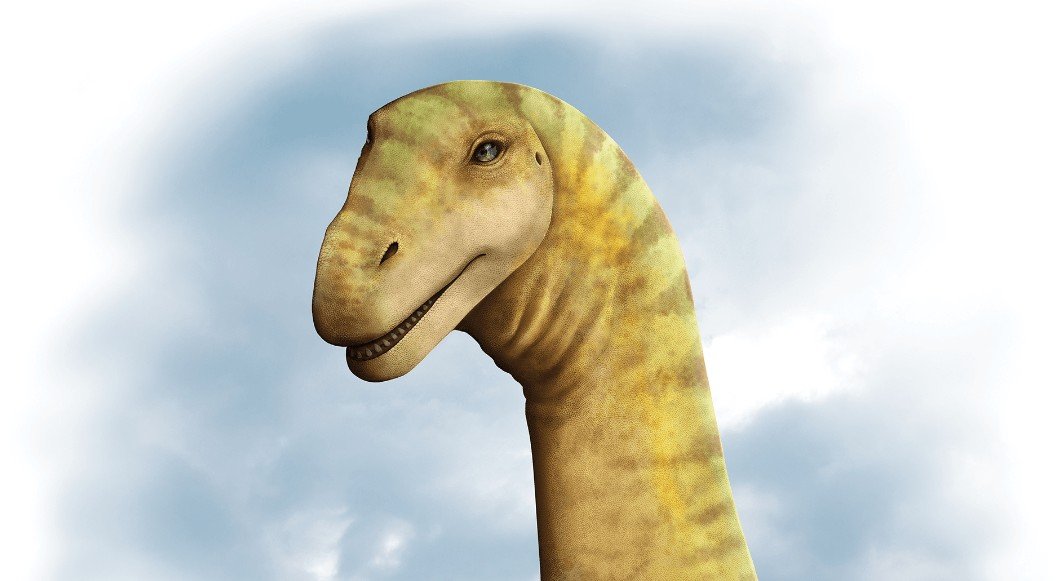
The mouths of sauropods were designed to eat large amounts of plant matter, and their brains were very tiny in relation to their massive bodies. They usually had tiny, peg-like teeth that were ideal for removing soft plants and leaves. In contrast to carnivorous dinosaurs, sauropods depended on their digestive systems to break down plant material since they lacked teeth for crushing.
3. Origins and History of Evolution
First Appearances in the Late Triassic Period
Around 230 million years ago, during the Late Triassic epoch, the first sauropods emerged. The group underwent several types of evolution during the Mesozoic Era, evolving to fill a range of ecological niches. During the Jurassic and Cretaceous eras, sauropods prospered and emerged as one of the most prevalent herbivore groups in these environments.
Early Development and Ancestral Species
Compared to their later counterparts, the first sauropods were smaller and more nimble. Species like Plateosaurus, which was still tiny by sauropod standards, were among the group’s first members. However, throughout time, sauropods developed into enormous giants that would later be recognised by their gigantic bodies and long necks.
Diversification Across Geological Eras
Sauropods had evolved into several taxa by the Jurassic epoch, with different species filling distinct ecological niches. While some were more ground-level feeders, devouring lower-lying foliage, others were long-necked browsers, grazing on plants high in the canopy.
The Rise of Titanosaurs in the Cretaceous
The Titanosaurs, which included some of the biggest sauropods including the Patagotitan and Argentinosaurus, are among the most well-known families of sauropods. During the Cretaceous epoch, these giants inhabited the southern continents.
4. Habits of Behaviour and Feeding
Sauropods’ Daily Feeding Requirements
Being herbivores, sauropods had to eat enormous amounts of plants every day to maintain their large proportions. Although their food and eating habits varied according on the habitat they lived in, they were mostly grazers and browsers.
Feeding Strategies and Neck Utilisation
Sauropods’ long necks allowed them to browse across a large region or climb high into trees without making much movement. This made it possible for them to consume a wide range of plants, such as cycads, ferns, and conifers, which were common in their era. Additionally, their long necks allowed them to feed from different foliage levels, which reduced competition with other herbivores.
Species-Specific Feeding Preferences
While some species, like Apatosaurus, may have favoured low-lying plants, others, like Brachiosaurus, had nostrils that faced upwards and were suited to eating on tall foliage.
Social Behaviour and Herd Dynamics
Being gregarious creatures, sauropods could have lived in big herds to defend themselves from predators. Adults and juveniles would have made up sauropod herds, giving them a social structure that aided in their success. These animals were also able to roam over great distances in search of food supplies and move between feeding places thanks to herd behaviour.
5. The Demise of Sauropods
End-Cretaceous Extinction Event
Around 66 million years ago, near the conclusion of the Cretaceous epoch, sauropods became extinct after dominating the landscape for more than 100 million years. The sauropods, like many other dinosaur groups, perished in the same catastrophic extinction event that killed off the dinosaurs.
Potential Causes Behind Sauropod Extinction
Although the precise causes of the sauropods’ demise are still up for question, it is probable that a mix of factors like as volcanic activity, climatic change, and the asteroid strike that killed the non-avian dinosaurs had a role.
6. Fossil Discoveries and Legacy of Sauropods
Global Fossil Findings and Paleontological Significance
Even though sauropods are gone, their legacy endures because to the fossils they left behind. Fossils of sauropods have been discovered worldwide and provide important new information about the life of these remarkable animals. The anatomy, behaviour, and movement patterns of these enormous herbivores have been reconstructed by palaeontologists with the aid of fossilised bones, footprints, and eggs.
Noteworthy Sauropod Fossil Discoveries
- The Brachiosaurus fossil: One of the most well-known sauropods, the Brachiosaurus is distinguished by its unusual body shape, which had front legs that were longer than rear legs.
- The fossil of the Argentinosaurus: One of the biggest terrestrial creatures in history, the Argentinosaurus has shed light on the dimensions and mass of sauropods.
FAQ (Frequently Asked Questions) about Sauropoda
Q: What is a Sauropod?
Ans: Sauropods were a group of large, herbivorous dinosaurs known for their long necks, small heads, and massive bodies. They were some of the largest creatures to ever live on Earth.
Q: How big were Sauropods?
Ans: Sauropods ranged in size, with some species like Argentinosaurus reaching lengths of over 100 feet and weighing up to 100 tons.
Q: What did Sauropods eat?
Ans: Sauropods were herbivores, feeding on large quantities of plants like ferns, conifers, and other vegetation available in their environment.
Q: How did Sauropods defend themselves?
Ans: Due to their massive size, adult sauropods had few natural predators. Their size, along with their long tails, provided them with both protection and the ability to deter potential threats.
Q: Where did Sauropods live?
Ans: Sauropods lived all over the world during the Mesozoic Era, including in areas that are now North America, South America, Europe, Asia, and Africa.
Q: Are Sauropods extinct?
Ans: Yes, sauropods went extinct around 65 million years ago during the mass extinction event at the end of the Cretaceous period.
Q: How did Sauropods reproduce?
Ans: Sauropods laid large eggs, and their young hatched out relatively small but grew quickly over time to reach their enormous adult size.
Q: How fast could Sauropods move?
Ans: Sauropods were relatively slow-moving, traveling at speeds of about 5 km/h (3 mph) on average, though they could cover long distances over time.
Q: Did Sauropods live in groups?
Ans: There is evidence to suggest that some species of sauropods lived in herds, which provided protection and made foraging more efficient.
Q: Why are Sauropods important to paleontology?
Ans: Sauropods are a key part of our understanding of dinosaur evolution. Their fossils help scientists learn about the size, behavior, and environments of prehistoric animals.
#Sauropoda #Dinosaurs #HerbivorousDinosaurs #PrehistoricLife #Paleontology #MesozoicEra #DinosaurFossils #Sauropods #LongNecks #MassiveDinosaurs
Our sources and references about Sauropoda
1: Wikipedia – Sauropod
2: National Geographic – Sauropods
3: Britannica – Sauropod
4: Live Science – Sauropod Facts