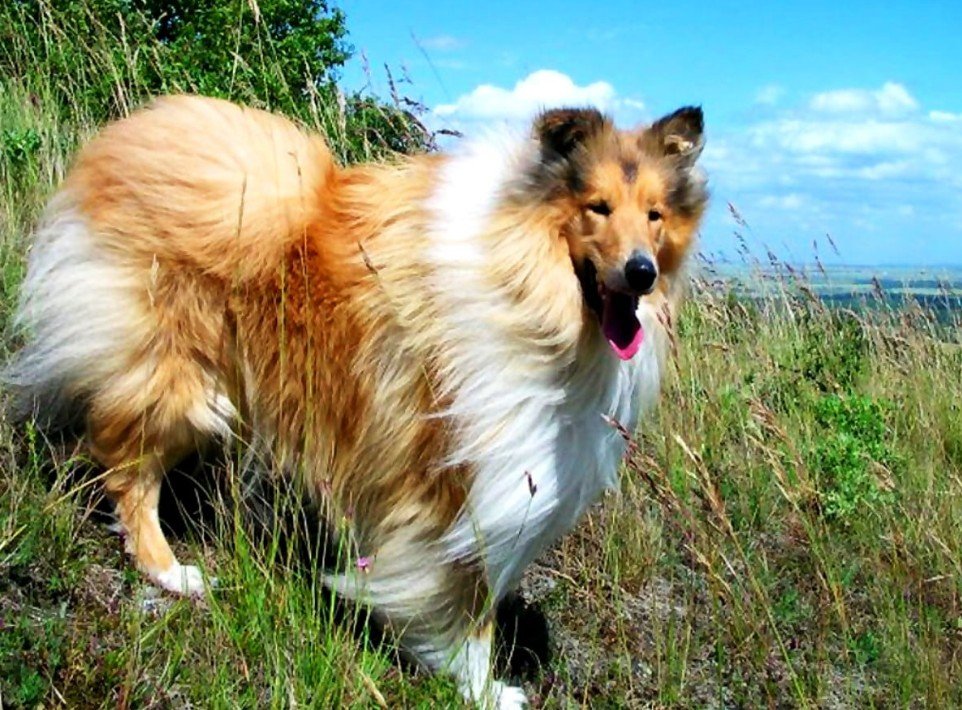
The Scotch Collie is a classic herding breed known for its intelligence, loyalty, and striking appearance. Sometimes referred to as the “Old-Time Scotch Collie,” this breed is an ancestor of modern Collies and retains a more rustic, natural look and herding instinct. With a keen mind and a gentle temperament, the Scotch Collie excels as a working dog, family companion, and even therapy animal. It is prized for its trainability, loyalty, and strong bond with humans.
Quick Top 10 Facts about Scotch Collie
| SCIENTIFIC NAME | Canis lupus familiaris |
| CLASSIFICATION | KINGDOM: Animalia PHYLUM: Chordata CLASS: Mammalia ORDER: Carnivora FAMILY: Canidae BREED: Scotch Collie |
| SIZE | Height: 48–61 cm (19–24 inches) Weight: 18–30 kg (40–65 lbs) |
| SPECIES | Herding dog breed originating from Scotland; ancestral to modern Collies and related breeds. |
| APPEARANCE | Medium to large dog with a wedge-shaped head, almond-shaped eyes, and a thick, rough or smooth double coat in sable, black, or tricolor. |
| LIFE SPAN | 12–14 years |
| HABITAT | Domestic; ideally suited for farms, suburban homes, or rural areas with space to roam and work. |
| DIET | High-quality dry or wet dog food, raw diet under supervision; protein-rich with balanced nutrients. |
| NATURAL PREDATORS | As a domesticated breed, it has no natural predators but should be protected from large wildlife in rural areas. |
| COUNTRY | Scotland (Origin) |
| GESTATION PERIOD | Approximately 63 days |
| CONSERVATION STATUS | Rare breed; some lines are being preserved by enthusiasts and small breeders |
Amazing Facts About Scotch Collie
1. The Original Lassie
The famous fictional dog Lassie was originally based on a Scotch Collie, not the modern Rough Collie.
2. Natural Herders
Scotch Collies retain a strong herding instinct and were traditionally used for managing sheep and cattle in rural Scotland.
3. Highly Intelligent
These dogs are quick learners, making them excellent working dogs, obedience competitors, and family pets.
4. Loyal and Devoted
Scotch Collies form deep bonds with their families and are known for their unwavering loyalty and watchfulness.
5. Rustic and Hardy
They are more rugged and natural-looking than modern show Collies, with fewer health problems due to their genetic diversity.
6. Smooth or Rough Coat Types
Scotch Collies can have either a short (smooth) or long (rough) coat, with both being double-layered and weather-resistant.
7. Great with Kids
Their gentle, patient temperament makes them ideal family pets, especially with young children.
8. Rare but Preserved
Once thought to be nearly extinct, the Scotch Collie is being preserved by dedicated breeders and enthusiasts.
9. Versatile Working Dog
Beyond herding, Scotch Collies excel in search and rescue, therapy work, and agility training.
10. Easier Grooming than Modern Collies
With less profuse coats than show Collies, they require less grooming while still maintaining a beautiful appearance.
The Stylish and Perceptive Herding Dog: The Scotch Collie
Scotland is the birthplace of the old and magnificent Scotch Collie, often known as the Scottish Collie or the Old Scotch Collie. Known for its intelligence, devotion, and adaptability, this dog was once developed to help shepherds manage flocks of sheep and cattle in the tough Scottish climate. The Scotch Collie has a centuries-long history and has developed into a great companion dog while maintaining its powerful working ability. This essay will explore the history, physical attributes, personality, training, care requirements, and special qualities that make the Scotch Collie a great option for both homes and workplaces.
1. The Scotch Collie’s Past
Historical Origins in the Highlands of Scotland
The untamed Highlands of Scotland are where the Scotch Collie first appeared in the 18th century. As a herding dog, it was crucial to the management of large sheep herds, especially in isolated alpine areas. The breed was highly valued for its speed, agility, and superior herding skills, which allowed it to handle animals while navigating challenging terrain.
Foundational Breed of Modern Collies
Many people think that the Scotch Collie is a direct progenitor of all contemporary collie breeds, including the Rough and Border Collie. But as other, more sophisticated Collie breeds have grown in prominence, the breed has lost ground. With characteristics that are sometimes diluted in contemporary Collie variants, the Scotch Collie is regarded as an older, more archaic form of these breeds.
Decline and Revival of the Scotch Collie
Farmers and shepherds really admired the Scotch Collie’s innate herding skills, which made it a working dog for many years. However, the Scotch Collie started to lose popularity as agricultural methods changed and the need for conventional herding dogs declined. But as more people look for dogs that are both family-friendly and capable of working, the breed has seen a resurgence in recent years.
2. Physical Attributes of the Scotch Collie
Body Size and Build
- Height: Male Scotch Collies tend to be on the bigger end of the range, with shoulder heights commonly ranging from 18 to 24 inches (46 to 61 cm).
- Weight: Females of this species typically weigh less than males, with a range of 40 to 70 pounds (18 to 32 kg).
Coat Characteristics and Colors
The thick, double coat of the Scotch Collie is one of its most remarkable characteristics. The undercoat is velvety and dense, offering protection from inclement weather, while the outside coat is long and straight. The dog’s job in Scotland’s damp and chilly environment required this clothing.
- Common Colors: Tricolour (black, white, and tan) and sable (golden to reddish-brown) are the most popular. Other acceptable colours include white, black and tan, and blue merle.
- Mane Feature: A stunning natural mane around the neck of the Scotch Collie’s coat adds to its majestic look.
Facial Expression and Tail
With their almond-shaped, black eyes that exude warmth and attentiveness, Scotch Collies have a kind and perceptive face. Their large, well-shaped head adds to their remarkable appearance, and their ears, which are usually semi-erect, give them a sharp, focused gaze.
When the Scotch Collie is relaxed, its feathery tail is typically held low; but, when it is attentive or aroused, it may lift a little.
Movement and Agility
When herding animals or doing other activities, the Scotch Collie’s natural, smooth walk and beautiful, fluid movement make for effective labour. One of the breed’s primary characteristics is its agility, which allows them to travel quickly and easily across a variety of terrains.
3. Temperament and Personality of the Scotch Collie
Highly Intelligent and Responsive
An excellent family friend, the Scotch Collie is renowned for its kind and affectionate disposition. Beneath its placid exterior, however, is a very bright and active dog that loves mental and physical stimulation.
- Obedience and Learning: From obedience to herding, Scotch Collies are very clever dogs who excel in a variety of activities. Because of their high IQ, they pick up instructions quickly and often want to please their owners. Because of this, they are rather simple to teach, albeit effective training does include the use of regular and constructive reinforcement techniques.
Family Loyalty and Affection
These canines are very devoted and develop close relationships with their families. They are wonderful family pets since they are often characterised as kind and kind to kids. Although they are not usually violent, Scotch Collies are usually highly tolerant of their family members and may even acquire a protective instinct.
Work Ethic and Herding Instinct
Even though they are loving family companions, Scotch Collies have a strong work ethic, and many of them still want to herd. They may try to herd humans or other pets even in the house, especially in open spaces like yards. Their innate need to collect and care for cattle is the source of this behaviour. Even while this behaviour might be amusing, if it starts to become harmful, it might need to be controlled.
Social Nature and Stranger Tolerance
Generally speaking, Scotch Collies get along well with other dogs and animals since they are gregarious. Although they could bark to warn their owners of the presence of unknown persons or animals, they are not renowned for being very possessive or hostile towards strangers. Early socialisation is crucial to ensure that kids develop into well-rounded adults who feel at ease in a variety of settings.
4. Exercise and Training Needs
Training Style and Techniques
Scotch Collies are comparatively simple to teach because of their intelligence and desire to please. To keep them interested and avoid boredom, however, they need regular training and mental stimulation. They could experience anxiety or exhibit negative behaviours if they are not adequately exercised.
- Preferred Training Method: Positive reinforcement techniques like playing, praise, and rewards work best with Scotch Collies. It is not advised to utilise harsh training techniques since they might make the dog afraid or withdrawn.
- Dog Sports: They take pleasure in picking up new skills and are often used in agility and obedience contests, among other canine sports.
- Service Roles: Their intelligence also makes them excellent therapy and service dogs since they can pick up difficult jobs fast and take pleasure in the process.
Physical Activity Requirements
For the Scotch Collie to remain fit and content, moderate to high levels of activity are necessary. Their energy demands must be satisfied by regular runs, walks, and plays in a safe, gated environment.
- Exercise Types: They love sprinting, fetching, and obstacle courses because they are natural herders.
- Mental Stimulation: Puzzle toys, training sessions, and interactive play provide them with the cerebral stimulation they crave.
5. Grooming and Maintenance of the Scotch Collie
Coat Care and Brushing
Regular grooming is necessary to maintain the thick, double coat of the Scotch Collie healthy and free of tangles and mats. Additionally, regular treatment may improve the dog’s general health.
- Brushing Frequency: Brushing should be done at least twice or three times a week to maintain the healthiest coat possible and avoid matting. More regular brushing may be required to control the shedding during shedding seasons, which usually take place in the spring and autumn.
Ear, Teeth, and Hygiene
Given that dogs have semi-erect ears that might retain moisture, it’s critical to examine the dog’s ears for any indications of infection or debris. It’s also advised that they wash their teeth and clean their ears on a regular basis.
Exercise and Mental Health
The Scotch Collie is an athletic breed that needs a lot of daily activity to be healthy and happy. They could grow restless or bored in the absence of consistent mental and physical stimulation, which might result in undesired behaviours.
Common Health Considerations
Although Scotch Collies are typically healthy dogs, they may develop specific health issues, much like many purebred dogs. These include hypothyroidism, vision issues, and hip dysplasia. A healthy diet, regular veterinarian examinations, and appropriate exercise may all help reduce the chance of health problems.
FAQ (Frequently Asked Questions) about Scotch Collie
Q: What is a Scotch Collie?
Ans: The Scotch Collie is a traditional herding dog breed from Scotland, known for its intelligence, loyalty, and working ability.
Q: How is a Scotch Collie different from a Rough Collie?
Ans: Scotch Collies are more rustic, less exaggerated in appearance, and closer to the original working dog from which Rough Collies were derived.
Q: Are Scotch Collies good family dogs?
Ans: Yes, they are gentle, loyal, and protective, making them excellent family companions.
Q: Do Scotch Collies bark a lot?
Ans: They are alert and may bark to signal danger or activity, but they are not generally excessive barkers.
Q: Are they good with other pets?
Ans: Yes, especially when socialized early. Their herding instinct may lead them to try to “herd” other animals.
Q: How much exercise do Scotch Collies need?
Ans: They need daily exercise, mental stimulation, and open space to run and explore.
Q: Are Scotch Collies easy to train?
Ans: Yes, they are highly trainable and eager to please, responding well to positive reinforcement.
Q: What is their grooming requirement?
Ans: Weekly brushing is usually sufficient; rough-coated types may need more frequent grooming.
Q: Are Scotch Collies a recognized breed?
Ans: They are not recognized by all major kennel clubs but are preserved by breed clubs and enthusiasts.
Q: Are Scotch Collies healthy dogs?
Ans: Generally yes; they have fewer inherited health issues compared to more refined show breeds.
#ScotchCollie #HerdingDogs #LassieDog #OldTimeCollie #FarmDogs #SmartDogs #DogFacts #RusticBreed #WorkingDogs
Our sources and references about Scotch Collie
1: Wikipedia – Scotch Collie
2: The Scotch Collie Association
3: Dog Breed Info – Scotch Collie
4: The Spruce Pets – Collie Breed