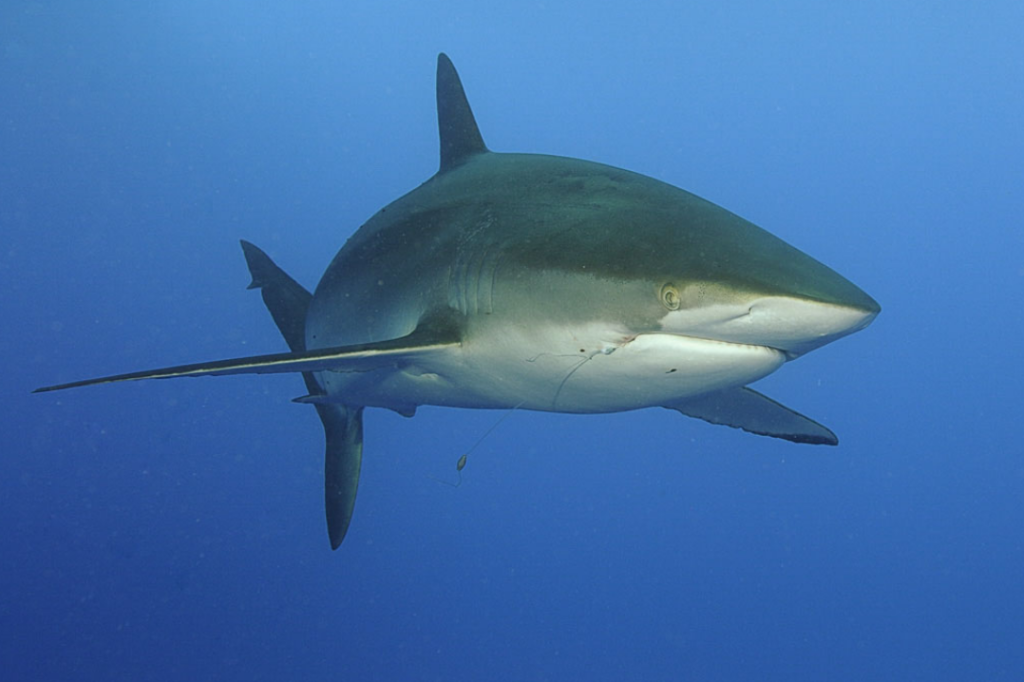
The Silky Shark is a species of shark found in tropical and subtropical waters around the world. It gets its name from its smooth, silky skin, and it is known for its aggressive hunting behavior, often preying on fish and squid. The silky shark is also known to swim in large oceanic waters.
Quick Top 10 Facts about Silky Shark
| SCIENTIFIC NAME | Carcharhinus falciformis |
| CLASSIFICATION | KINGDOM: Animalia PHYLUM: Chordata CLASS: Chondrichthyes ORDER: Carcharhiniformes FAMILY: Carcharhinidae GENUS: Carcharhinus SPECIES: C. falciformis |
| SIZE | Length: 6.6–10 feet (2–3 meters); Weight: Up to 400 pounds (180 kg) |
| HABITAT | Warm, tropical and subtropical oceanic waters worldwide, typically found in deep waters and near coral reefs |
| DIET | Carnivorous; primarily fish, including small pelagic fish, squid, and occasionally crustaceans |
| SPECIES | Silky Shark, named for its smooth, silky skin that gives it a distinct, sleek appearance |
| COUNTRY | Found in tropical and subtropical regions of the world’s oceans, including the Atlantic, Pacific, and Indian Oceans |
| GESTATION PERIOD | Approximately 12 months |
| LIFE SPAN | 15–20 years |
| CONSERVATION STATUS | Near Threatened (IUCN); population declining due to overfishing and habitat degradation |
Amazing Facts About Silky Sharks
1. Silky Sharks have smooth, silky skin
Their distinctive smooth, velvety skin is a unique feature that helps reduce drag as they swim, giving them an incredibly sleek appearance.
2. They are highly migratory
Silky Sharks are known for their long migrations across tropical oceans, often travelling hundreds of miles in search of food and suitable breeding grounds.
3. They are fast swimmers
Silky Sharks are among the fastest shark species, capable of swimming at speeds of up to 25 miles per hour (40 km/h).
4. They have a varied diet
Silky Sharks are opportunistic feeders, primarily eating small fish like sardines, mackerel, and squid, but they will also feed on smaller sharks and other marine creatures.
5. They are social sharks
Unlike some other shark species, Silky Sharks are known to form schools, especially when they are younger, and often travel in groups.
6. Their teeth are sharp and specialized
Silky Sharks have needle-like teeth that help them grasp slippery fish and squid, and their powerful jaws make them effective hunters.
7. They are excellent at hunting in the deep ocean
Silky Sharks often hunt in deeper waters, using their keen sense of smell and electroreception to locate prey in the dark depths of the ocean.
8. They give birth to live young
Silky Sharks are viviparous, meaning they give birth to live young instead of laying eggs. Their gestation period is around 12 months.
9. They are at risk from overfishing
Silky Sharks are often targeted by commercial fisheries for their fins and meat, and their populations are at risk due to overfishing and habitat loss.
10. They are important to marine ecosystems
As apex predators, Silky Sharks play a crucial role in maintaining the balance of marine ecosystems by controlling the populations of smaller fish and maintaining healthy reef systems.

Introduction to the Silky Shark: A Fascinating Ocean Predator
The Silky Shark (Carcharhinus falciformis) is one of the most fascinating and magnificent shark species found in the world’s waters. This shark is a true predator of the ocean, distinguished by its sleek appearance, streamlined physique, and remarkable speed. As a member of the Carcharhinidae family, which includes other well-known sharks like the tiger shark and bull shark, the silky shark differs from many of its cousins in several ways. The silky shark plays a significant and intriguing role in marine environments, particularly due to its unique morphological traits, eating patterns, and current conservation status.
Key Physical Features of the Silky Shark
The silky shark’s name comes from the smoothness of its skin, which feels nearly satiny or silky to the touch. Its sleek and elegant body design allows it to move swiftly through the water with remarkable speed and agility. The following are the main physical features that distinguish this species:
Body Shape of the Silky Shark
The sleek, elongated body of the silky shark is perfectly designed for fast swimming. Its fusiform shape, which tapers towards the head and tail, reduces drag, enabling the shark to swim at incredible speeds. Pelagic sharks, which live in the open ocean and often travel vast distances in search of food, typically have this hydrodynamic body shape.
Size of the Silky Shark
Female silky sharks generally grow larger than males, reaching adult lengths of 7 to 10 feet (2 to 3 metres). Although they are not the largest sharks in the ocean, their size enables them to compete effectively with other predators in the open ocean.
Colouration of the Silky Shark
One of the most distinctive features of the silky shark is its colouration. The ventral side (bottom) is lighter, ranging from white to pale grey, while the dorsal side (top) is typically grey to dark brown. This countershading helps them blend in with their surroundings, giving them an advantage when hunting or evading predators.
Fins and Tail of the Silky Shark
The silky shark’s long, slender pectoral fins provide stability and manoeuvrability during swimming. Its long, thin tail, with a slightly lobed upper lobe, increases its speed and efficiency in the water. The shark’s highly agile movements when hunting or avoiding danger are also supported by its fins.
Teeth and Snout of the Silky Shark
The large, sharp teeth and pointed snout of the silky shark are perfect for catching and slicing through prey. Their small, serrated teeth are well-suited to catching squid, fish, and other animals. With eyes that are larger than their heads, they can see well in the often murky depths of the ocean.
Distribution and Habitat of the Silky Shark
Silky sharks inhabit tropical and subtropical open ocean environments across the globe. They primarily reside offshore, particularly in the epipelagic zone, the topmost layer of the ocean where sunlight can penetrate. The following are key details about their habitat:
Geographic Range of the Silky Shark
Silky sharks can be found in the Atlantic, Pacific, and parts of the Indian Oceans. They are commonly seen off the coasts of Florida, West Africa, and the Caribbean Sea in the Atlantic. In the Pacific, they are frequently sighted around Hawaii, Mexico, and the Philippines. Their range extends from 20°N to 20°S latitude, which is within the Earth’s tropical zone.
Depth Preferences of the Silky Shark
Silky sharks typically dwell in deeper waters during the day, despite being primarily pelagic (open ocean species). They may approach the surface at night to hunt. While they sometimes venture deeper in search of food, they are usually found at depths ranging from 200 metres (656 feet) to 500 metres (1,640 feet).
Environmental Factors Affecting the Silky Shark
The ideal temperature range for silky sharks is between 20°C and 28°C (68°F and 82°F). These conditions best support their eating habits and overall survival. Silky sharks are known to migrate, often shifting to new locations in response to changes in water temperature and food availability.
Diet and Feeding Habits of the Silky Shark
As an apex predator in its habitat, the silky shark has a diverse diet that includes a wide range of marine species. It is a well-known opportunistic feeder, hunting or scavenging depending on the situation. Here are some details about how it feeds:
Main Diet of the Silky Shark
Silky sharks primarily feed on small to medium-sized fish, such as tunas, mackerels, sardines, herring, and reef fish. They have also been known to eat crabs, octopuses, and squid when available. Under certain conditions, they may consume young sea turtles, marine mammals, and even fish and shark eggs.
Hunting Behaviour of the Silky Shark
As energetic predators, silky sharks often hunt in groups. They use their speed and agility to catch prey. Hunting in groups enables them to encircle and trap schools of smaller fish, making it easier to catch their prey. Silky sharks are also known for swiftly and deliberately moving through schools of fish with their sharp teeth.
Feeding Strategies of the Silky Shark
In contrast to many sharks that rely on scavenging or ambush tactics, silky sharks actively seek out food. Their quick and relentless hunting techniques make them proficient predators in the water. Silky sharks may hunt alone or in small groups, but they can also cooperate with other shark species, sharing food sources with schools of fish.
Social Structure and Behaviour of the Silky Shark
Silky sharks are often observed swimming in schools or groups, especially when feeding. Their social structure and behaviour are fascinating, and have evolved to assist with hunting and defence. Some important aspects of their behaviour include:
Schooling Behaviour of the Silky Shark
Young silky sharks typically swim in small groups or schools, while adults generally hunt alone. These schools can improve hunting efficiency and offer protection from larger predators by encircling schools of fish. Many shark species exhibit this communal behaviour, coming together for specific activities like mating or feeding.
Territorial Behaviour of the Silky Shark
While silky sharks may exhibit territorial behaviour, especially in areas with abundant food, they are generally less aggressive than some other shark species. When competing for food or encountering other shark species, they can display dominant behaviour.
Mating and Reproduction of the Silky Shark
Silky sharks are viviparous, meaning they give birth to live offspring. After a 12-month gestation period, females give birth to litters of four to twelve pups during the mating season, which typically occurs in warmer waters. The pups are fully independent upon birth and usually swim away from their mother shortly after.

Conservation Status of the Silky Shark
Despite their widespread distribution, human activity is the primary cause of the significant challenges silky sharks face in the wild. The International Union for Conservation of Nature (IUCN) has listed the silky shark as Near Threatened for the following reasons:
Threats to the Silky Shark Population
Overfishing and bycatch: In commercial fishing operations, particularly those targeting tuna and other large fish, silky sharks are often accidentally caught as bycatch. Their fins are highly valuable in the shark fin trade, which makes them a target for hunters. In some areas, this has led to a sharp decline in their numbers.
Habitat Destruction and Environmental Issues
The silky shark’s existence is also threatened by the destruction of marine ecosystems, including coral reefs and coastal regions. Pollution and climate change exacerbate these problems, affecting food supply and the availability of safe breeding areas.
Conservation Efforts for the Silky Shark
Efforts are underway to conserve the silky shark and other shark species through conservation programmes and marine protected areas (MPAs). These initiatives aim to reduce overfishing and preserve important shark habitats. The Convention on International Trade in Endangered Species (CITES) and other international laws help control the shark fin trade and alleviate pressure on shark populations.
FAQ (Frequently Asked Questions) about Silky Shark
Q: What is a Silky Shark?
Ans: The Silky Shark is a large species of shark found in tropical and subtropical oceans. It is named for its smooth, silky skin, which helps it reduce drag and swim quickly through the water. Silky Sharks are carnivorous, fast swimmers, and known for their migratory nature.
Q: Where does the Silky Shark live?
Ans: Silky Sharks are found in warm, tropical, and subtropical oceanic waters around the world, particularly in deep waters and near coral reefs. They are common in the Atlantic, Pacific, and Indian Oceans.
Q: What does the Silky Shark eat?
Ans: Silky Sharks primarily eat fish such as sardines, mackerel, and small sharks. They also feed on squid and crustaceans. Their sharp, needle-like teeth help them grasp slippery prey.
Q: How big does a Silky Shark get?
Ans: Silky Sharks can grow to lengths of 6.6 to 10 feet (2 to 3 meters) and can weigh up to 400 pounds (180 kg). They are known for their sleek, streamlined bodies.
Q: Are Silky Sharks dangerous to humans?
Ans: While Silky Sharks are large and powerful, they are generally not considered dangerous to humans. Most attacks are believed to be cases of mistaken identity, and these sharks are typically not aggressive unless provoked.
Q: How does a Silky Shark behave?
Ans: Silky Sharks are social and often form schools, especially when they are younger. They are fast swimmers and are highly migratory, often travelling long distances in search of food and breeding grounds.
Q: What does the Silky Shark look like?
Ans: The Silky Shark has smooth, light-gray to bluish skin that appears “silky” and a slender body. Its dorsal fins are typically triangular, and it has sharp, needle-like teeth for catching prey.
Q: How long do Silky Sharks live?
Ans: Silky Sharks typically live for 15 to 20 years in the wild. Their longevity depends on factors such as food availability, environmental conditions, and threats from human activity.
Q: Can you keep a Silky Shark in captivity?
Ans: Silky Sharks are not suitable for captivity due to their large size, migratory nature, and need for ample space to swim. They are best appreciated in their natural ocean habitats.
Q: Are Silky Sharks endangered?
Ans: Silky Sharks are classified as Near Threatened by the IUCN due to threats such as overfishing and habitat degradation. Their populations are declining, and they are often targeted for their fins and meat.
#SilkyShark, #Sharks, #OceanConservation, #MarineLife, #SharkSpecies, #WildlifeProtection, #ApexPredators, #SharkConservation, #MarineEcosystems, #SeaLife
Our sources and references about Silky Shark
1: Wikipedia – Silky Shark
2: IUCN Red List – Silky Shark
3: National Geographic – Silky Shark
4: Shark Trust – Silky Shark