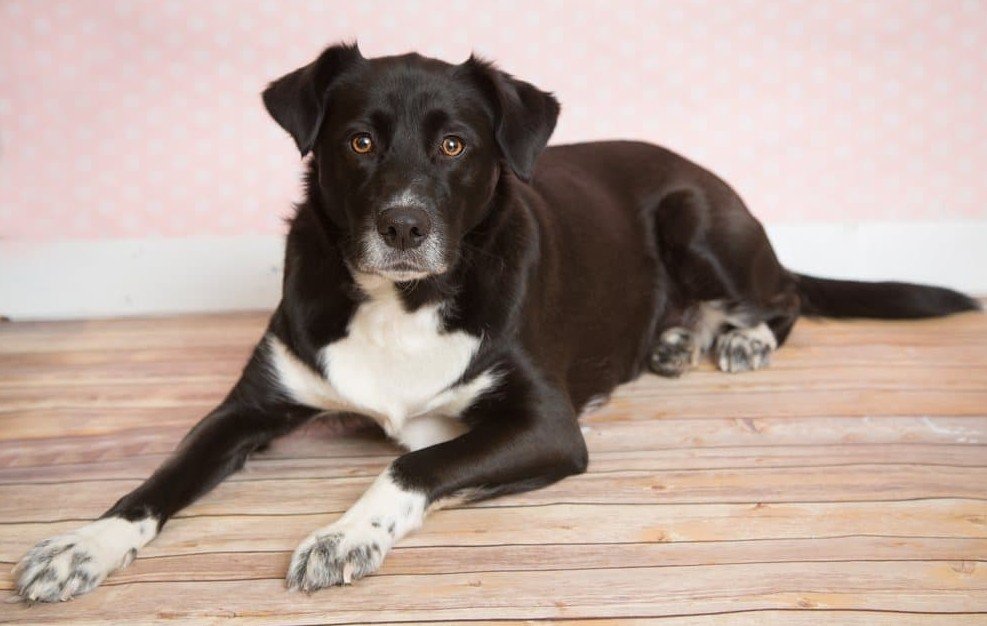
The Siberian Retriever is a mixed dog breed resulting from a cross between the Siberian Husky and the Labrador Retriever. This hybrid breed combines the intelligence, friendly nature, and trainability of the Labrador with the endurance, energy, and striking appearance of the Husky. Siberian Retrievers are highly active, loyal, and social dogs that do best with owners who lead an active lifestyle. Their appearance can vary but often includes the Husky’s captivating eyes and the Labrador’s broad build. They make great companions for families, especially those with children or other pets.
Quick Top 10 Facts about Siberian Retriever
| SCIENTIFIC NAME | Canis lupus familiaris |
| CLASSIFICATION | KINGDOM: Animalia PHYLUM: Chordata CLASS: Mammalia ORDER: Carnivora FAMILY: Canidae |
| SIZE | Medium to Large; Height: 20–25 inches, Weight: 40–70 lbs |
| SPECIES | Hybrid breed (Siberian Husky × Labrador Retriever) |
| APPEARANCE | Varies; often a blend of Husky and Lab features, with a thick double coat, erect or floppy ears, and blue, brown, or heterochromatic eyes |
| LIFE SPAN | 10–14 years |
| HABITAT | Domestic; thrives in homes with active families and access to outdoor activities |
| DIET | High-protein dog food; diet should support energy levels and overall health |
| NATURAL PREDATORS | None in domestic settings |
| COUNTRY | United States (commonly bred) |
| GESTATION PERIOD | About 63 days |
| CONSERVATION STATUS | Not applicable (domesticated hybrid breed) |
Amazing Facts About Siberian Retriever
1. Best of Both Breeds
This mix combines the endurance and striking looks of the Husky with the friendliness and obedience of the Labrador.
2. Energetic Companions
Siberian Retrievers have high energy levels and require daily exercise to stay happy and healthy.
3. Great Family Dogs
They are known to be friendly, gentle, and great with children and other pets.
4. Eye-Catching Appearance
They often inherit the Husky’s blue eyes or heterochromatic eyes, making them especially striking.
5. Social and Outgoing
This breed thrives in social environments and may suffer from separation anxiety if left alone too long.
6. Thick Coats
They usually have dense double coats that may shed seasonally and need regular grooming.
7. Intelligent and Trainable
With the Lab’s eagerness to please and the Husky’s smarts, they respond well to positive training techniques.
8. Versatile Roles
They can be excellent service, therapy, or search-and-rescue dogs with the right training.
9. Weather-Resistant
Thanks to their thick coat, they handle cold climates well, much like the Husky parent.
10. Active Lifestyle Required
They are not couch potatoes; this breed needs space to run and tasks to keep their mind engaged.
Siberian Retriever: The Faithful and Active Friend
A relatively recent hybrid breed, the Siberian Retriever is becoming more and more well-liked by dog owners because of its gorgeous looks, kind disposition, and active personality. This dog is a hybrid of two of the most popular dog breeds worldwide: the Golden Retriever and the Siberian Husky. The Siberian Retriever is a clever, devoted, and energetic dog that combines the finest qualities of both parent breeds to provide a wonderful companion for people, families, and outdoor lovers.
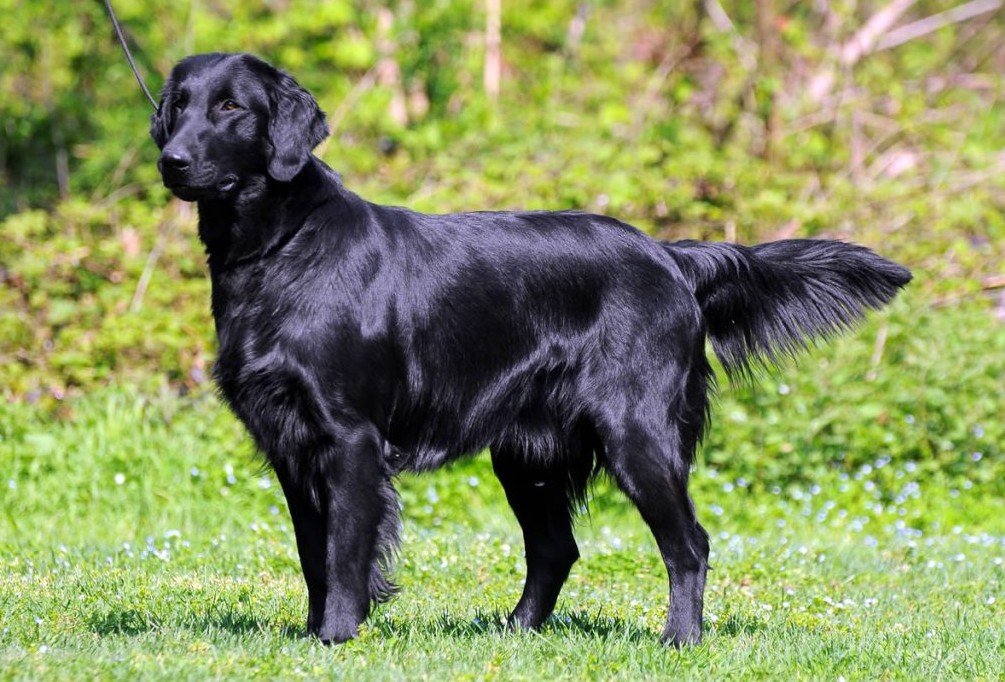
History – Husky Golden Retriever Mix Origin
In recent decades, breeders have developed a new breed known as the Siberian Retriever, which combines the appealing traits of the Golden Retriever with the Siberian Husky. Although the hybrid’s precise origin is unclear, it was probably first developed to produce a dog that combined the intellect and fun of the Golden Retriever with the toughness and stamina of the Siberian Husky. Both parent breeds are great alternatives for producing an active and adaptable dog since they have a long history of interacting with people.
The Chukchi people of Siberia, Russia, were the first to breed the Siberian Husky, a working dog. Well-known for their ability to pull sleds, huskies are very bright, independent, and active.
Golden Retriever: In contrast, the Golden Retriever was originally developed in Scotland to retrieve game while hunting. Golden Retrievers are among the most well-liked family dog breeds in the world because of their gentle and amiable disposition. They are renowned for their intellect, sociability, and devotion.
The Siberian Retriever is a lively, loving, and trainable dog that is ideal for busy families and people. It has the greatest qualities of both of these parent breeds.
Physical Attributes – Appearance & Size
The medium- to large-sized Siberian Retriever may exhibit a variety of physical traits that are acquired from both parent breeds. Even though each dog may have a somewhat different look, the following characteristics are typical:
Size – Medium to Large Designer Dog
- Siberian Retrievers typically weigh 45 to 80 pounds (20 to 36 kg) and have shoulders that measure 20 to 28 inches (50 to 71 cm). Though not as noticeable as in other breeds, males are often bigger than females.
Coat & Colours – Mix Coat Types
- The Siberian Retriever’s double coat is one of its most distinctive physical characteristics. Because it is usually dense and thick, it acts as insulation against cold temperatures. The coat may have a range of colours, from the distinctive golden hues of the Golden Retriever to the black, grey, white, and even sable coat colours of the Husky. The coat of some Siberian Retrievers may be two-toned, with the underside and chest often being lighter in colour.
Eyes – Blue or Brown Eye Colours
- A Siberian Retriever’s eyes may be amber, blue, or brown. In some situations, they may even have one eye of each colour, which is more typical with Siberian huskies. Their almond-shaped eyes convey a warm, attentive, and expressive personality.
Tail and Ears – Ears & Bushy Tail
- Siberian Retrievers, particularly those who get more traits from the husky parent, have upright, pointed ears. Both huskies and golden retrievers are known for having bushy tails that are carried over their backs. A dog’s tail often expresses happiness or excitement by wagging.
Personality and Temperament – Siberian Retriever Behaviour Traits
The Siberian Retriever breed is renowned for its loyalty, intelligence, and friendliness. It is often characterised as kind and friendly, developing close relationships with its family members, much like its Golden Retriever father. It also has some of the vigour and independence of the Siberian Husky.
Friendly and Gregarious – Family-Friendly
- Siberian Retrievers are a wonderful option for families since they usually get along well with kids. Although early socialisation is crucial to ensuring they get well with strangers and new animals, they are also renowned for getting along well with other dogs and pets. They are great companions for folks who love spending time with their pets because of their gregarious and loving personalities.
Smart and Trainable – Easy-to-Train Hybrid Dog
- Siberian Retrievers are very clever and eager to please because of their Golden Retriever ancestry. In general, they are simple to teach, particularly when positive reinforcement methods are used. Although they do well in obedience training, they may sometimes be a little obstinate due to their independent Husky nature. They may be polite and obedient to orders, however, if you are persistent and patient with them.
Playful and Exuberant – High-Energy Husky Mix
- Siberian Retrievers are just as energetic as their husky father. To be healthy and happy, they need a lot of mental and physical stimulation. Exercise, fun, and daily walks are crucial for avoiding boredom, which may result in negative behaviours. These dogs perform best in settings where they may run, swim, and hike, among other outdoor activities.
Siberian Retrievers are renowned for their intense devotion for their families. They usually like snuggling, and they often ask their owners for love, affection, and attention. They are the perfect companion for anybody looking for a dog that will stick by them no matter what because of their affectionate and devoted personality.
Activity and Exercise Requirements – Energy Levels
The Siberian Retriever, a cross between two lively and energetic breeds, needs a lot of activity to be intellectually and physically engaged. Unless they have access to a safe garden where they may run and play, these dogs are not suitable for apartment life. They could grow restless and start harmful habits like gnawing or digging if they don’t receive enough exercise.
Daily Exercise Needs – High-Activity Dog Breed
- Siberian Retrievers that are more active may need 1.5 to 2 hours of exercise each day, but at least 1 hour is necessary. Long walks, jogging, fetch, running, and playing with other dogs are a few examples of this. Those who prefer outdoor pursuits like hiking or cycling will also find these canines to be great companions.
Mental Stimulation – Training & Puzzle Toys
- In addition to physical exercise, clever Siberian Retrievers need cerebral stimulation. To keep your dog from becoming bored, try puzzle toys, interactive activities, obedience training, and agility drills. By providing mental stimulation, you can keep your dog happy and well-behaved.
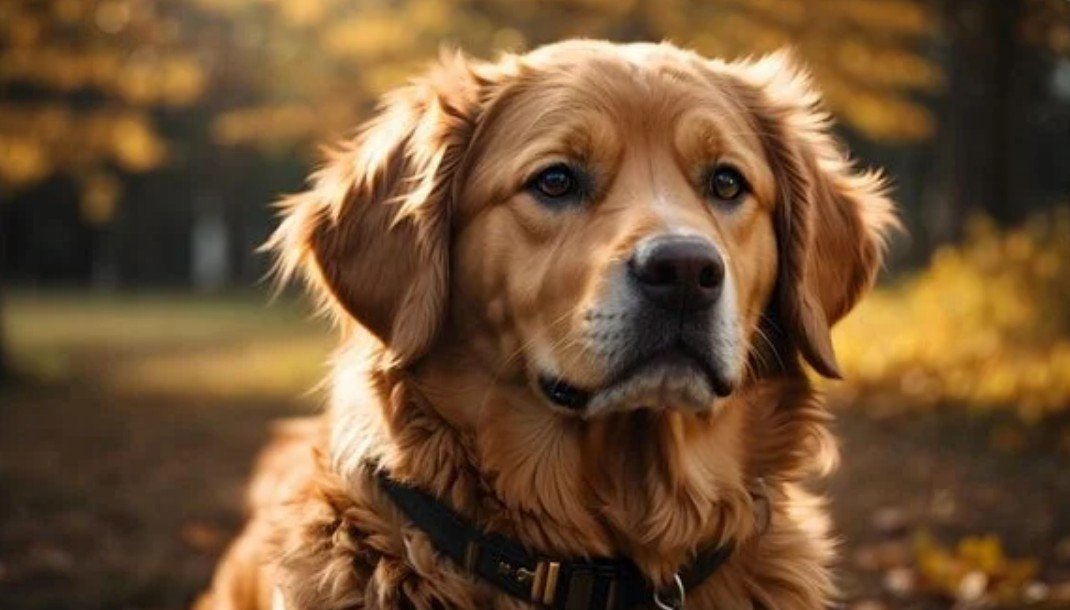
Grooming and Maintenance – Coat Care
Regular care is necessary for the Siberian Retriever’s double coat, especially during shedding seasons. Regular brushing is crucial, even if the grooming requirements are not as high-maintenance as those of some other breeds.
Coat Care & Brushing – Managing Husky-Level Shedding
- Siberian Retrievers should be groomed two to three times a week, more often during the spring and autumn shedding seasons, to maintain a healthy coat free of mats. Brushing reduces shedding around the house since Siberian Retrievers often shed considerably.
Bathing Routine – Low-Maintenance Hybrid Breed
- Unless they become too filthy, these dogs don’t need to be bathed very often. Bathing them every 6 to 8 weeks or as required is advised since over-bathing might remove the natural oils from their coat.
Nail, Ear, and Health Care – Common Husky Mix Health Issues
- Regular nail clipping is essential for maintaining the health of your Siberian Retriever’s paws, just as it is for any other dog. Additionally, because both parent breeds may be susceptible to ear infections, it will help avoid ear issues if you check their ears for dirt or infection and clean them as needed.
Health Concerns – Conditions in Siberian Retriever Dogs
- Siberian Retrievers may be susceptible to hip dysplasia, elbow dysplasia, and progressive retinal atrophy (PRA), much like their parent breeds. A balanced diet and regular veterinary examinations are crucial for preserving their general health and wellbeing.
FAQ (Frequently Asked Questions) about Siberian Retriever
Q: What is a Siberian Retriever?
Ans: A Siberian Retriever is a hybrid dog breed resulting from the cross of a Siberian Husky and a Labrador Retriever.
Q: Are Siberian Retrievers good family dogs?
Ans: Yes, they are friendly, loyal, and great with kids and other pets.
Q: How big do Siberian Retrievers get?
Ans: They usually stand 20–25 inches tall and weigh between 40–70 pounds.
Q: Are Siberian Retrievers hypoallergenic?
Ans: No, they have thick double coats and do shed, making them unsuitable for allergy sufferers.
Q: Do Siberian Retrievers need a lot of exercise?
Ans: Yes, they are high-energy dogs that require at least an hour of activity daily.
Q: How long do Siberian Retrievers live?
Ans: Their average lifespan is 10–14 years.
Q: Are they easy to train?
Ans: Yes, though they may inherit some of the Husky’s stubbornness, they generally respond well to positive reinforcement.
Q: Do Siberian Retrievers get along with other pets?
Ans: Yes, with proper socialization they do well with other dogs and even cats.
Q: Do they bark a lot?
Ans: They may bark or howl, especially if bored or under-stimulated.
#SiberianRetriever #HuskyLabMix #DesignerDogs #HybridDogs #ActiveDogs #FamilyPets #DogFacts #CrossbreedCanines
Our sources and references about Siberian Retriever
1: WagWalking – Siberian Retriever
2: PetGuide – Siberian Retriever
3: DogTime – Siberian Retriever
4: Hepper – Siberian Retriever