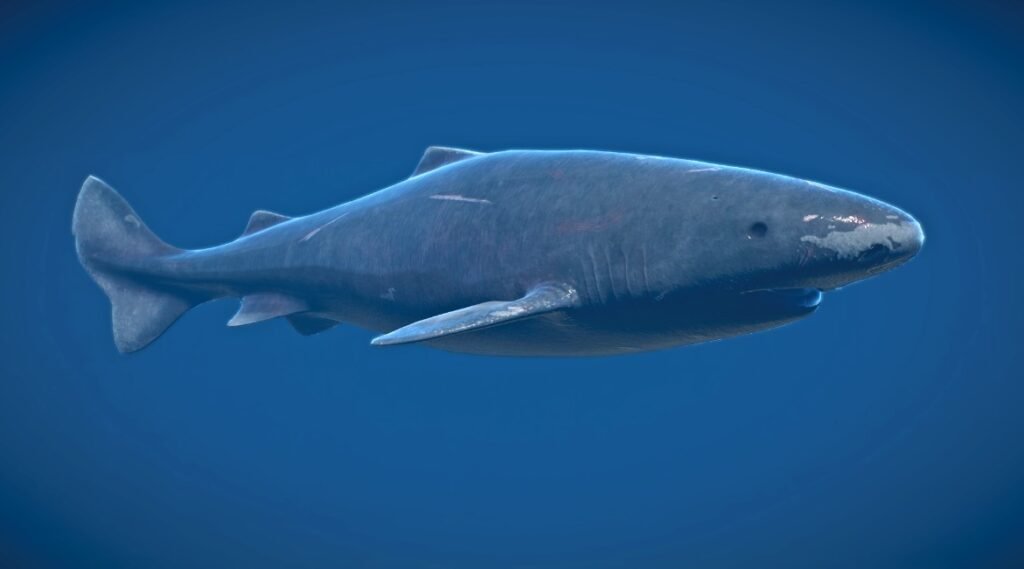
The sleeper shark is a deep-sea shark known for its slow-moving nature and elusive behavior. Found in cold waters, primarily in the North Pacific and Arctic Oceans, sleeper sharks are characterized by their large size, long body, and sluggish swimming style. Despite their intimidating appearance, these sharks are not considered a major threat to humans. They feed on a variety of prey, including fish and invertebrates, and are known for their ability to survive in some of the deepest parts of the ocean. Their slow movements and elusive nature make them a fascinating subject of study in marine biology.
Southern Sleeper Shark Scientific Classification
| SCIENTIFIC NAME | Somniosus antarcticus |
| CLASSIFICATION | KINGDOM: Animalia PHYLUM: Chordata CLASS: Chondrichthyes ORDER: Carcharhiniformes FAMILY: Somniosidae GENUS: Somniosus SPECIES: Somniosus antarcticus |
| SIZE | Length: 2–4 meters (6.5–13 feet), depending on species |
| SPECIES | Includes several species such as the Greenland shark (Somniosus microcephalus) and the Pacific sleeper shark (Somniosus pacificus). |
| APPEARANCE | The sleeper shark has a robust, elongated body with a broad, flattened head. Its skin is typically dark grey or brown, and its eyes are small compared to its large body. |
| LIFE SPAN | Greenland sharks, a species of sleeper shark, are known for their extraordinary longevity, potentially living over 400 years, making them one of the longest-lived vertebrates. |
| HABITAT | Deep cold waters in the Arctic and North Pacific Oceans, primarily at depths of 200–600 meters (650–1,970 feet). |
| DIET | Sleeper sharks feed on a variety of prey, including fish, squid, and invertebrates, and they are opportunistic feeders that scavenge carcasses as well. |
| NATURAL PREDATORS | Sleeper sharks have few natural predators due to their size and deep-water habitat, although larger sharks and orcas may pose a threat. |
| COUNTRY | Sleeper sharks are found in cold waters off the coasts of countries like Greenland, Canada, and Russia, as well as in parts of the North Pacific. |
| GESTATION PERIOD | Approximately 8–9 months, depending on species. |
| CONSERVATION STATUS | Currently, sleeper sharks are not considered endangered, though some species, like the Greenland shark, are considered near threatened due to climate change and human impact on their habitat. |
Sleeper Shark Facts
1. Slow and Steady
Sleeper sharks are known for their sluggish, slow-moving nature. They move at a pace of about 1–2 miles per hour (1.6–3.2 km/h), which is much slower than other shark species.
2. Extreme Longevity
Some species of sleeper sharks, such as the Greenland shark, have an incredibly long lifespan, with estimates suggesting they can live for over 400 years, making them one of the longest-living vertebrates.
3. Deep-Sea Dwellers
Sleeper sharks are typically found at depths of 200–600 meters (650–1,970 feet) below the surface, and they spend much of their time in cold, deep waters.
4. Opportunistic Feeders
These sharks are scavengers and opportunistic feeders, often consuming dead animals and the carcasses of other marine life that sink to the ocean floor.
5. Slow Metabolism
Due to their slow movements and deep-water habitat, sleeper sharks have a slow metabolism that helps them conserve energy and survive in nutrient-poor environments.
6. Large Size
Sleeper sharks can grow to significant sizes, with some species reaching lengths of 2–4 meters (6.5–13 feet), making them one of the larger deep-sea sharks.
7. Cold Water Adaptation
Sleeper sharks are specially adapted to survive in freezing cold waters, with their bodies capable of tolerating temperatures near the freezing point of seawater.
8. Nocturnal Behavior
These sharks are generally nocturnal, hunting and feeding during the night when their prey is less active and more likely to be found near the ocean floor.
9. Relatively Safe for Humans
Despite their large size and imposing appearance, sleeper sharks are not considered dangerous to humans. They are very slow-moving and generally avoid contact with humans.
10. Rarely Seen
Due to their deep-sea habitat and elusive nature, sleeper sharks are rarely observed in the wild, and much of what we know about them comes from research and occasional encounters by deep-sea expeditions.
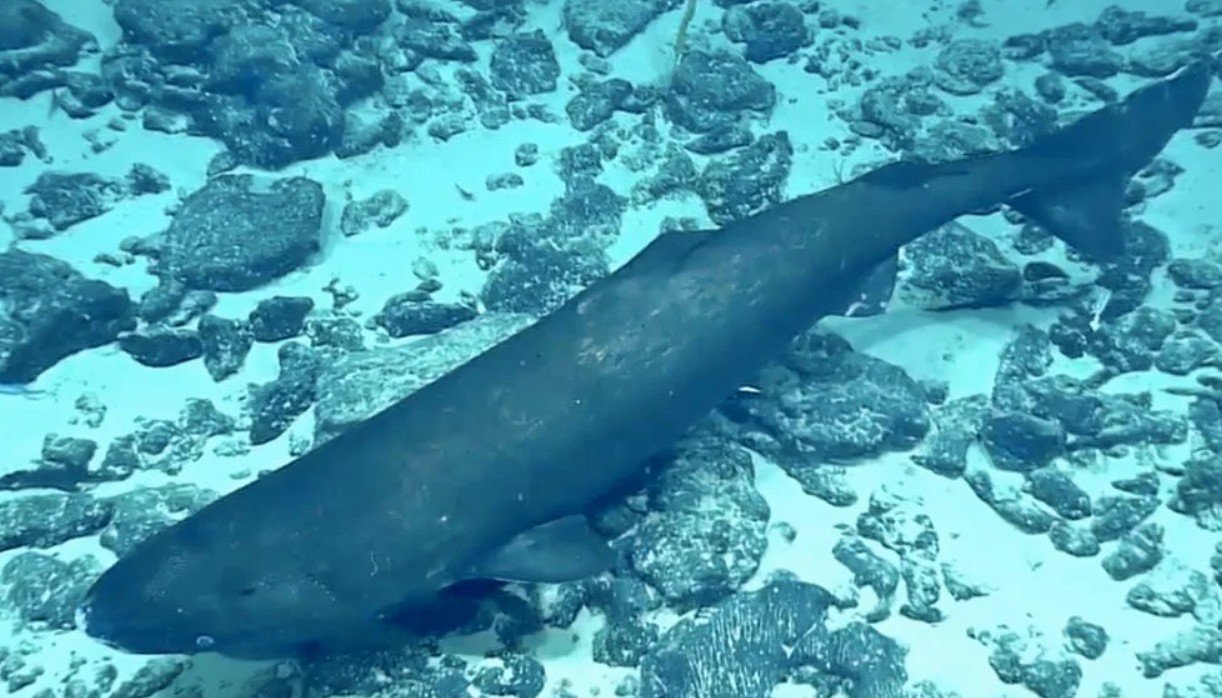
Overview of the Sleeper Shark
Introduction
The sleeper shark is an intriguing and little-known species living in the deepest ocean environments. This shark belongs to the Somniosidae family, which includes several deep-sea shark species worldwide. Researchers recognise this shark for its slow movement and remarkably sluggish behaviour. Its elusive nature and survival in remote ocean regions surround the Sleeper Shark with mystery. This article explores the Sleeper Shark’s traits, habitat, behaviour, and key aspects of deep-sea survival.
Species Identification
Classification
The term Sleeper Shark describes several species within the Somniosidae family of deep-sea sharks. These sharks exhibit slow, lethargic movement and primarily inhabit deep ocean environments. People call them Sleeper Sharks because their drowsy behaviour resembles drifting or resting underwater.
Ecological Role
Sleeper sharks inhabit cold, deep seas where light remains minimal and food sources persist. Despite this environment, prey availability supports sharks adapted to such extreme conditions. As apex predators, sleeper sharks play an essential role in maintaining deep-sea ecosystem balance. Although large, scientists do not consider them a significant threat to humans.
Recognised Species
- The Greenland Shark (Somniosus microcephalus) inhabits the cold North Atlantic and Arctic Oceans.
- The Pacific Sleeper Shark (Somniosus pacificus) occupies deep, icy regions of the Pacific Ocean.
- Somniosus epaulled represents a lesser-known species within the Somniosidae family.
Physical Characteristics
Deep-Sea Adaptations
Sleeper sharks possess unique physical adaptations allowing survival in dark, deep-sea environments. Their anatomy differs noticeably from many well-known shallow-water shark species.
Body Size
Dimensions: Sleeper sharks often receive less attention than aggressive surface-dwelling sharks. The Greenland Shark ranks among the world’s largest sharks, reaching lengths up to 24 feet. Pacific Sleeper Sharks usually grow smaller but can reach 12 to 14 feet in length.
Appearance and Camouflage
Look: Shape of the Body: The Sleeper Shark features a blunt head and cylindrical body. This body shape supports slow movement and patience in murky, deep-water conditions.
Colouration: Sleeper sharks display countershading with dark upper surfaces and pale undersides. This camouflage helps them blend into deep waters while avoiding predators and ambushing prey.
Feeding Anatomy
Teeth: Sleeper sharks use small, sharp teeth to grip and restrain prey securely. Their teeth suit holding fish and invertebrates rather than tearing large animals apart.
Habitat and Range
Depth Preferences
Sleeper sharks inhabit cold, dark regions of oceans across the globe. They usually occupy depths ranging from 2,000 to 6,000 feet below the surface.
Greenland Shark Range
The Greenland Shark – Location: Greenland sharks inhabit Arctic and North Atlantic waters. They thrive in icy seas rarely exceeding temperatures of 40°F.
Depth: These sharks typically live between 1,300 and 4,000 feet deep. During summer months, some individuals move into shallower waters.
Pacific Sleeper Shark Range
The Pacific Sleeper Shark – Location: Pacific Sleeper Sharks inhabit cold Pacific waters. They frequent temperate and subarctic regions throughout the Pacific Ocean.
Depth: This species occupies depths between 2,000 and 6,000 feet.
Environmental Importance
Cold, deep waters provide essential protection and stable food availability for sleeper sharks. These environments reduce predator presence and support slow metabolic processes. Low temperatures slow metabolism, allowing survival with minimal food intake.
Diet and Feeding Behaviour
Feeding Strategy
Sleeper sharks feed opportunistically on available prey within deep-sea ecosystems. Their slow speed encourages ambush strategies rather than active pursuit.
Primary Food Sources
- Fish: Sleeper sharks commonly consume cod, herring, and halibut.
- Marine Mammals: Greenland sharks sometimes feed on seals and large mammals.
- They also eat deep-sea invertebrates, including squid and crabs.
Scavenging Behaviour
Feeding Method: Sleeper sharks rely on patience and ambush tactics. They conserve energy by waiting until prey approaches closely.
Greenland sharks also scavenge dead fish and whale remains on the ocean floor.
Behavioural Adaptations
Energy Conservation
Sleeper Shark behaviour suits environments with low visibility and limited prey availability.
Lethargic and Slow-Moving: The Sleeper Shark moves slowly to conserve energy. This behaviour allows ambush opportunities in food-scarce deep-sea conditions.
Sensory and Thermal Adaptations
Deep-Sea Living Adaptations: Improved Olfactory Senses: Sleeper sharks detect prey across long distances using highly developed smell.
Adaptability to Cold: Their bodies function efficiently in icy, oxygen-rich waters. Cold temperatures lower metabolism, reducing overall energy requirements.
Threats and Conservation
Environmental Risks
The Sleeper Shark currently avoids endangered status but remains environmentally vulnerable. Its slow reproduction and specialised habitat increase sensitivity to human impacts.
Human Impacts
- Climate Change: Warming oceans may disrupt cold-water habitats.
- Overfishing: Commercial fishing reduces prey availability in deep waters.
- Pollution: Deep-sea contamination threatens food sources and shark health.
Conservation Outlook
Although fisheries rarely target sleeper sharks directly, indirect human pressures pose long-term risks.
Sleeper Shark FAQ (Frequently Asked Questions)
Q: What is a sleeper shark?
Ans: A sleeper shark is a deep-sea shark known for its slow-moving, sluggish behavior. It inhabits cold waters, primarily in the Arctic and North Pacific Oceans.
Q: Why is it called a sleeper shark?
Ans: The name “sleeper shark” comes from their slow, lethargic movements. These sharks are known to move slowly, almost as if they are “sleeping” while swimming.
Q: How long do sleeper sharks live?
Ans: Some species, particularly the Greenland shark, can live for over 400 years, making them one of the longest-lived vertebrates on Earth.
Q: Are sleeper sharks dangerous to humans?
Ans: Sleeper sharks are not considered dangerous to humans. They are slow-moving and generally avoid human interaction, posing no significant threat.
Q: What do sleeper sharks eat?
Ans: Sleeper sharks feed on fish, squid, and other invertebrates. They are also opportunistic feeders and will scavenge carcasses of dead animals.
Q: Where are sleeper sharks found?
Ans: Sleeper sharks are found in cold waters of the Arctic and North Pacific Oceans, typically at depths of 200–600 meters.
Q: How big do sleeper sharks get?
Ans: Sleeper sharks can grow up to 4 meters (13 feet) in length, depending on the species.
Q: Are sleeper sharks endangered?
Ans: Some species, such as the Greenland shark, are considered near-threatened due to environmental changes and human activities, though sleeper sharks as a whole are not currently endangered.
Q: Do sleeper sharks live in warm waters?
Ans: No, sleeper sharks are adapted to live in cold waters and are rarely found in warmer regions.
Q: How do sleeper sharks hunt?
Ans: Sleeper sharks are opportunistic feeders, primarily hunting during the night and scavenging for dead fish and other marine animals that sink to the ocean floor.
#SleeperShark #DeepSeaSharks #SlowMovers #ArcticSharks #GreenlandShark #MarineLife #SharkFacts #ColdWaterAdaptations #SharkConservation
Sleeper Shark sources and references
1: Wikipedia – Sleeper Shark
2: National Geographic – Sleeper Shark
3: Britannica – Greenland Shark
4: SharksWorld – Sleeper Shark