Quick Top 10 Facts about Spiny Dogfish
| SCIENTIFIC NAME | Squalus acanthias |
| CLASSIFICATION | KINGDOM: Animalia PHYLUM: Chordata CLASS: Chondrichthyes ORDER: Squaliformes FAMILY: Squalidae GENUS: Squalus SPECIES: S. acanthias |
| SIZE | Average length: 2.5 to 4 feet (0.7–1.2 metres); Females larger than males |
| HABITAT | Temperate and subarctic oceans; coastal waters and continental shelves |
| DIET | Carnivorous; feeds on small fish, squid, crustaceans, and octopuses |
| SPECIES | Spiny Dogfish, a small shark species known for its defensive dorsal spines |
| COUNTRY | Found in oceans worldwide, including North Atlantic and North Pacific waters |
| GESTATION PERIOD | Up to 22 months, one of the longest of any vertebrate |
| LIFE SPAN | Typically 25–40 years |
| CONSERVATION STATUS | Vulnerable; overfishing has impacted populations in some regions |
Amazing Facts About Spiny Dogfish
1. Named for its sharp spines
The spiny dogfish has a spine in front of each dorsal fin that can be used for defence.
2. Exceptionally long gestation
With a gestation period of up to 22 months, it has one of the longest pregnancies of any vertebrate.
3. Females grow larger
Female spiny dogfish are larger than males and often live longer as well.
4. Highly migratory
These sharks travel great distances and are found in both northern and southern hemispheres.
5. Forms large schools
Spiny dogfish often swim in schools that can number in the thousands.
6. Nocturnal hunters
They tend to feed more actively at night, preying on a wide variety of small marine animals.
7. Slow to mature
They take up to 12 years to reach maturity, making them vulnerable to overfishing.
8. Efficient swimmers
Despite their small size, spiny dogfish are strong swimmers with a high endurance level.
9. Lacks an anal fin
Unlike many other sharks, the spiny dogfish does not have an anal fin, which helps identify it.
10. Scientists Utilise Spiny Dogfish in Research
Marine biologists frequently study spiny dogfish due to their widespread availability and manageable size. These characteristics make them ideal subjects for various scientific investigations.
Top 10 Fascinating Facts and Characteristics of Spiny Dogfish
The spiny dogfish (Squalus acanthias) is a small, long-lived shark species inhabiting temperate and subarctic seas worldwide. Also known as the spurdog, this cartilaginous fish features a greyish-brown colour, slender body, and sharp dorsal fin spines. In coastal habitats, spiny dogfish serve crucial ecological roles as both predators and prey.
Commercial markets highly value their firm, white flesh, commonly used in dishes like fish and chips and fish cakes. However, overfishing has raised concerns about the sustainability of their populations. Consequently, efforts promote ethical harvesting techniques and effective fisheries management. Ongoing research into their biology, behaviour, and population dynamics informs conservation strategies to maintain healthy marine ecosystems.
Origin and Location of Spiny Dogfish
Squalus acanthias, or spiny dogfish, inhabit waters across the globe. Distinctive spines on the front of each dorsal fin provide defence against predators. Typically weighing around 20 pounds, they can grow up to 3.2 feet in length. Their greyish-brown colouring and white markings help them blend into their surroundings.
Feeding Habits and Reproduction of Spiny Dogfish
Spiny dogfish are carnivorous predators, primarily consuming small fish, squid, and crustaceans. Their sharp teeth efficiently capture and consume prey. Females give birth to live young, rather than laying eggs, and exhibit high reproductive rates. Gestation lasts approximately 22 months, after which females may birth up to six pups per litter.
Role in Marine Ecology and Conservation of Spiny Dogfish
Despite their small size, spiny dogfish play significant roles as both predators and prey in marine ecosystems. They help maintain balance in the oceanic food chain by regulating prey populations. Humans consume their flesh, and their fins are traded, making them valuable commercially. To prevent overfishing and preserve their ecological role, conservation measures ensure sustainable management of spiny dogfish populations.
Insights into the Spiny Dogfish: Characteristics and Behaviour
The spiny dogfish is an intriguing shark species with unique traits and behaviours. Its adaptability to various environments and significant ecological contributions make it valuable for research and conservation. Implementing sustainable fishing practices and conservation initiatives can help secure the long-term survival of this remarkable species.
Physical Features and Size of Spiny Dogfish
Commonly known as the spurdog, mud shark, or spiny dogfish, this small shark species inhabits global waters. Notable features include a slender body, sharp dorsal spines, and a greyish-brown colouration with white spots.
Habitat and Distribution of Spiny Dogfish
Spiny dogfish primarily inhabit cold temperate seas, both inshore and offshore. They are found in the North Pacific Ocean, from Alaska to California, and the Atlantic Ocean, from the Gulf of Maine to Florida. Renowned for their tolerance of various depths and temperatures, they reside from shallow coastal waters to depths of 1,500 feet.
Behaviour and Diet of Spiny Dogfish
Spiny dogfish exhibit schooling behaviour, forming large groups that can number in the hundreds or thousands. Highly migratory, they travel extensive distances seeking food and favourable conditions. As opportunistic predators, their diverse diet includes small fish, squid, crabs, and other invertebrates. Their high metabolic rate and voracious appetite enable them to consume substantial amounts relative to their size.

Reproduction and Lifecycle of Spiny Dogfish
Spiny dogfish reproduce through ovoviviparity, where fertilised eggs develop inside the female until birth. Gestation can last up to 24 months, the longest known for any vertebrate. Females typically birth litters of two to eleven pups, each fully formed and capable of independent survival.
Conservation Status and Preservation Efforts of Spiny Dogfish
The International Union for Conservation of Nature (IUCN) lists Spiny Dogfish as a threatened species. Overfishing, driven by demand for their meat, liver oil, and fins, has significantly reduced their populations. Recent management and regulation efforts aim to ensure sustainable fisheries. Implementing catch quotas, size limits, and seasonal closures is essential to protect the species and support population recovery.
FAQs (Frequently Asked Questions) about Spiny Dogfish
Q: What is a Spiny Dogfish?
Ans: The Spiny Dogfish (Squalus acanthias) is a small species of shark found in temperate and subarctic oceans around the world. It gets its name from the two sharp spines located in front of its dorsal fins. These sharks are known for their schooling behaviour and long lifespans.
Q: Where does the spiny dogfish live?
Ans: Spiny dogfish are widely distributed in the Atlantic and Pacific Oceans, particularly in coastal and continental shelf waters. They prefer temperate marine environments and can be found from shallow coastal areas to depths exceeding 700 metres.
Q: What does the spiny dogfish eat?
Ans: Spiny dogfish are opportunistic predators that feed on a variety of marine animals. Their diet includes fish such as herring, cod, and mackerel, as well as squid, crustaceans, and other invertebrates. They are efficient hunters and often feed in coordinated groups.
Q: How big does a spiny dogfish get?
Ans: Adult spiny dogfish typically grow to about 2.5 to 4 feet (0.75 to 1.2 metres) in length. Females are generally larger than males. Despite their small size, they are resilient and long-lived, with lifespans reaching up to 40 years or more.
Q: Are spiny dogfish dangerous?
Ans: Spiny dogfish are not considered dangerous to humans. They are small and not aggressive, though their dorsal spines can deliver a mild venom that causes pain if handled improperly. Divers and fishermen should exercise caution when handling them.
Q: How does the spiny dogfish defend itself?
Ans: The Spiny Dogfish has two sharp spines, one in front of each dorsal fin, which serve as its main defence. These spines can inflict painful wounds and deter predators. Additionally, their schooling behaviour provides protection through numbers.
Q: What does the spiny dogfish look like?
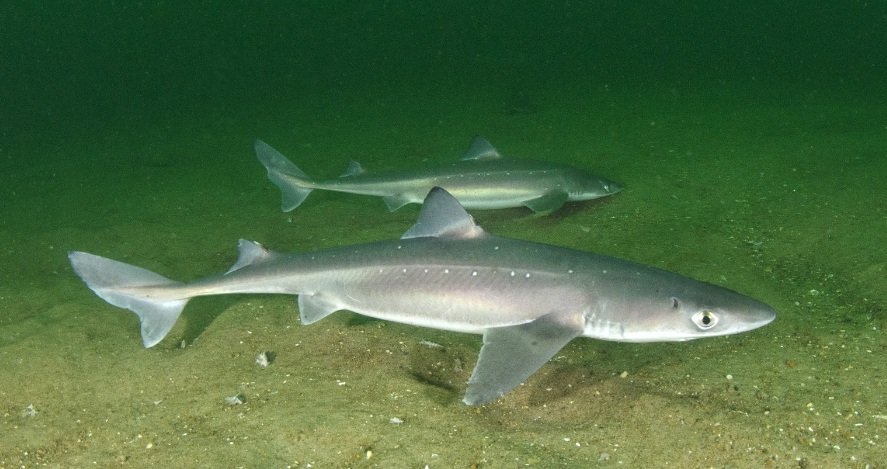
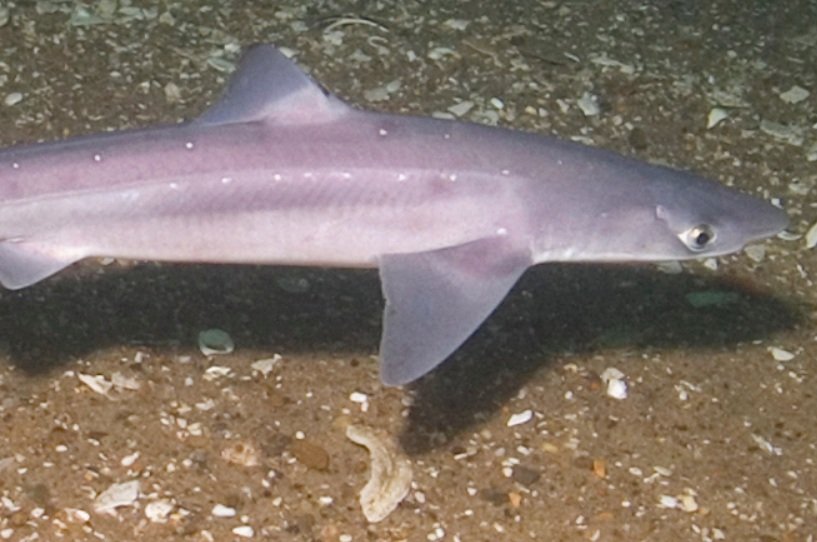
Ans: Spiny dogfish have slender, greyish bodies with a lighter underside and scattered white spots along their backs. They have a pointed snout, large eyes, and no anal fin. The most distinctive feature is the two spines in front of their dorsal fins.
Q: How long do spiny dogfish live?
Ans: Spiny dogfish are long-lived sharks, with lifespans ranging from 30 to over 40 years. They have a slow growth rate and late sexual maturity, which makes their populations vulnerable to overfishing.
Q: Can you keep a spiny dogfish in captivity?
Ans: While they are sometimes kept in large public aquariums, spiny dogfish are not suitable for home aquariums due to their size, dietary needs, and active swimming habits. Captive care requires large tanks and careful monitoring.
Q: Are spiny dogfish endangered?
Ans: Spiny dogfish populations have declined in some regions due to overfishing, particularly in the North Atlantic. While they are not globally endangered, they are listed as vulnerable or threatened in certain areas, and sustainable management practices are important for their conservation.
#SpinyDogfish, #Sharks, #MarineLife, #OceanEcology, #SqualusAcanthias, #SharkFacts, #SeaCreatures, #SharkConservation, #TemperateWaters, #PredatoryFish
Our sources and references about Spiny Dogfish
1: Wikipedia – Spiny Dogfish
2: NOAA Fisheries – Spiny Dogfish
3: Oceana – Spiny Dogfish
4: IUCN Red List – Spiny Dogfish