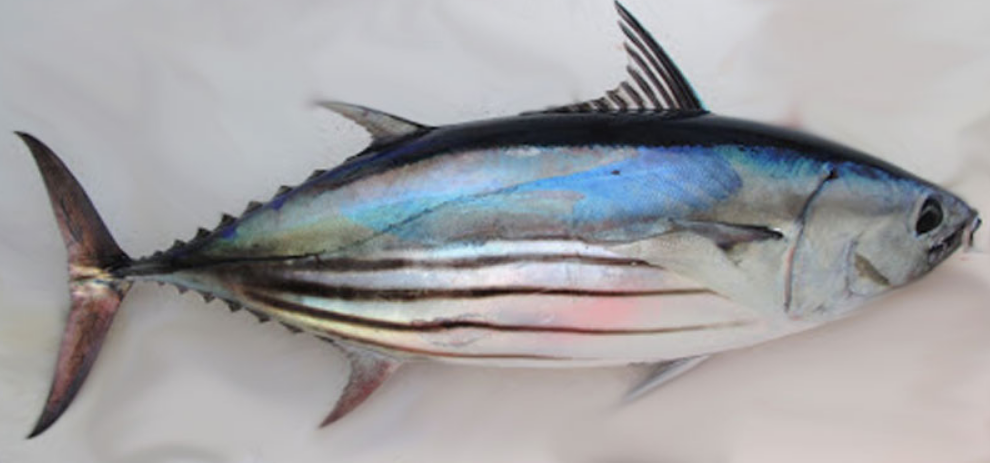
The Skipjack Tuna is a species of tuna found in tropical and subtropical waters around the world. It is known for its small size and speed, often reaching speeds of up to 75 kilometers per hour. Skipjack tuna are commonly used in canned tuna products and are an important part of the marine food chain.
Quick Top 10 Facts about Skipjack Tuna
| SCIENTIFIC NAME | Katsuwonus pelamis |
| CLASSIFICATION | KINGDOM: Animalia PHYLUM: Chordata CLASS: Actinopterygii ORDER: Scombriformes FAMILY: Scombridae GENUS: Katsuwonus SPECIES: K. pelamis |
| SIZE | Typically 2–3 feet (0.6–0.9 meters) long, can grow up to 3.5 feet (1.1 meters) |
| HABITAT | Warm, tropical, and subtropical oceans worldwide; mostly in open water |
| DIET | Carnivorous; feeds on small fish, squid, and crustaceans |
| SPECIES | Skipjack Tuna, a highly migratory and commercially important tuna species |
| COUNTRY | Found globally, especially in equatorial and tropical waters |
| GESTATION PERIOD | Egg-laying species; females spawn frequently in warm waters |
| LIFE SPAN | Up to 8–12 years |
| CONSERVATION STATUS | Least Concern; heavily fished but managed under international regulations |
Amazing Facts About Skipjack Tuna
1. Fast swimmers
Skipjack Tuna can reach speeds of up to 40 mph (64 km/h), making them agile hunters.
2. Highly migratory
These fish travel thousands of miles across oceans, often in large schools.
3. Important food source
Skipjack is the most commonly canned tuna, often labeled as “light tuna” in supermarkets.
4. They lack scales on most of their body
Only a narrow band of scales exists along the lateral line and behind the head.
5. Known for their stamina
They can swim for long durations without tiring, thanks to their streamlined bodies and efficient gills.
6. Prefer warm waters
They thrive in tropical and subtropical waters and are seldom found in colder regions.
7. Can spawn year-round
In warm waters, females spawn frequently—sometimes every few days—releasing millions of eggs.
8. Form large schools
Skipjack often travel in large groups with other tuna species or marine animals like dolphins.
9. Integral to marine food chains
They play a crucial role as both predators and prey in ocean ecosystems.
10. Popular in commercial fisheries
They account for more than half of all tuna caught globally, making them vital to the fishing industry.
Skipjack Tuna: A Deep Dive into One of the Ocean’s Most Resilient Fish
The Skipjack tuna (Katsuwonus pelamis) ranks among the most well-known and commercially important tuna species found in tropical and subtropical waters. Known for their agility, speed, and significant role in both marine ecosystems and the global fishing industry, skipjack tuna play a crucial role in maintaining the health of oceanic food chains. They are highly prized for their meat, especially in canned tuna products. Below details explore the skipjack tuna in depth, covering its physical characteristics, behaviour, habitat, diet, role in the ecosystem, and its importance in fisheries worldwide.
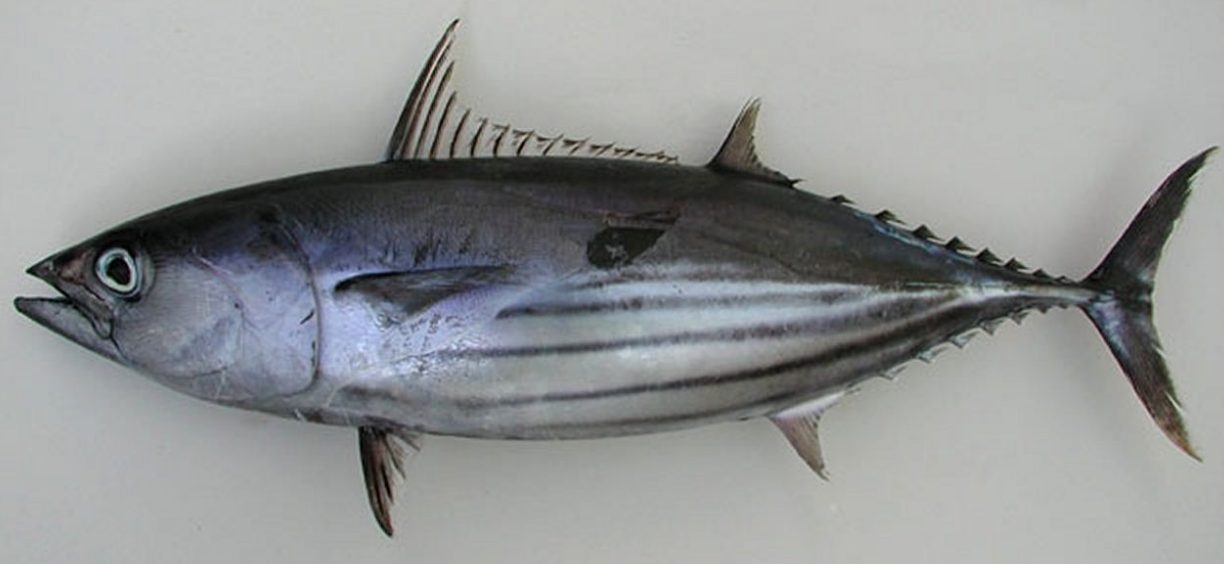
Physical Characteristics of Skipjack Tuna
Skipjack tuna display several key physical features that distinguish them from other tuna species. These characteristics not only help identify the species but also play a significant role in their survival.
Body Shape and Size of Skipjack Tuna
Skipjack tuna have a streamlined body designed for speed and agility in the open ocean. Their body is elongated and muscular, built for long-distance swimming at high speeds. On average, skipjack tuna grow to about 20–30 inches (50–75 cm) in length and can weigh up to 15 pounds (7 kg). While this is relatively small compared to some other tuna species, like the bluefin tuna, skipjack tuna are known for their swimming endurance.
Colouration of Skipjack Tuna
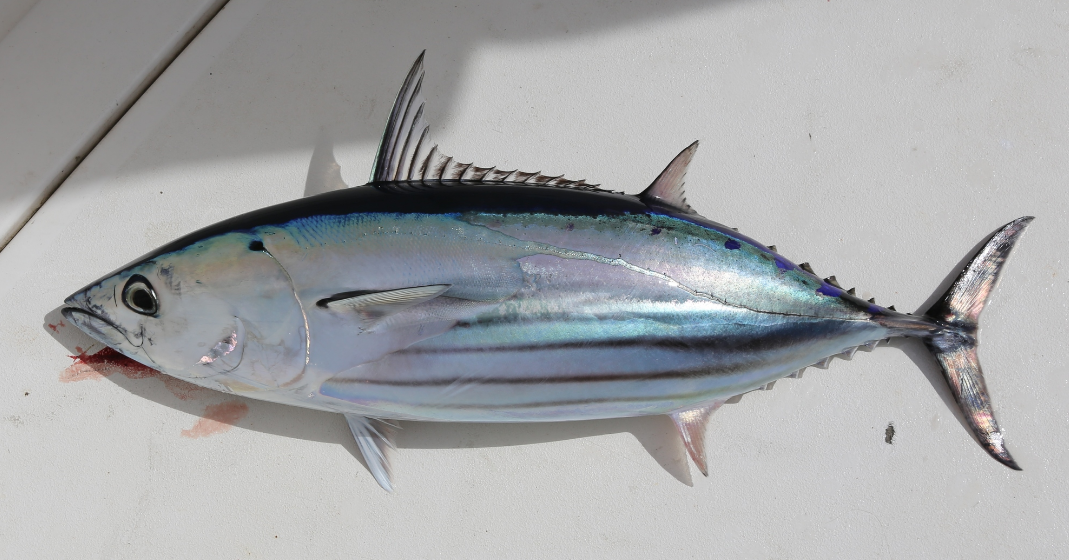
Skipjack tuna have a distinctive dark blue or metallic blue-green colouration on their dorsal (top) side, while their ventral (underbelly) is typically silver or white. This colouration is important for camouflage in the water. The dark dorsal side blends with the ocean’s depths when viewed from above, while the lighter underbelly blends with the brighter surface of the water when viewed from below. This camouflage helps protect the tuna from predators and aids in their hunting strategies.
Distinctive Features of Skipjack Tuna
One of the most recognisable features of skipjack tuna is the presence of several horizontal, dark stripes running across their body. These stripes, typically four to six on each side, help distinguish skipjack tuna from other species. Additionally, skipjack tuna have small pectoral fins, triangular dorsal fins, and a relatively small, sharp head with a prominent forked tail. This tail is perfectly adapted for fast swimming.
Habitat and Distribution of Skipjack Tuna
Skipjack tuna are pelagic fish, meaning they live in the open ocean rather than near the coastline or in freshwater environments. They are found in tropical and subtropical waters worldwide, particularly in the Indian Ocean, Atlantic Ocean, and Pacific Ocean.
Tropical and Subtropical Waters
Skipjack tuna thrive in warm waters, typically ranging from 23°C to 29°C (73°F to 84°F). They are frequently found in surface waters, but they can also dive into deeper waters, especially when searching for food or avoiding predators. They avoid extremely cold or polar waters, which are unsuitable for their survival.
Distribution of Skipjack Tuna
Skipjack tuna are widely distributed across tropical and subtropical oceans, found from the coasts of Africa to the Philippine Sea, the Indian Ocean, and parts of the Caribbean. Their range extends from the eastern to the western Pacific and from the equator to the southern latitudes. Due to their wide distribution, they are among the most commercially fished species in these regions.
Diet and Feeding Habits of Skipjack Tuna
Skipjack tuna are carnivorous, primarily feeding on other smaller marine organisms. Their diet reflects their predatory nature and their need to fuel their high-speed swimming abilities.
Primary Diet of Skipjack Tuna
Skipjack tuna mainly feed on small fish, such as anchovies, sardines, and herring, as well as squid, crustaceans, and other zooplankton. As fast swimmers, they can cover long distances to chase down schools of prey. As opportunistic hunters, they often engage in schooling behaviour, forming groups to hunt more efficiently.
Hunting Techniques of Skipjack Tuna
Skipjack tuna are known for their speed and agility when hunting. They often work in groups to surround and trap schools of small fish. This behaviour allows them to feed efficiently by cornering prey and capturing it with swift bursts of speed. Their diet is rich in protein, which supports their active lifestyle.
Feeding Behaviour of Skipjack Tuna
Skipjack tuna are typically diurnal feeders, meaning they hunt during the day. They are often found near the water’s surface, where they can easily hunt schools of fish that also feed in the upper layers of the ocean. The tuna’s keen sense of vision allows them to detect prey from a distance, and their powerful swimming abilities help them capture it quickly.
Reproduction and Lifespan of Skipjack Tuna
Skipjack tuna are highly prolific and have a relatively short lifespan compared to other large fish species. Their reproduction plays a crucial role in maintaining their populations, which are essential to both marine ecosystems and the fishing industry.
Reproduction of Skipjack Tuna
Skipjack tuna reproduce in large schools, with spawning typically occurring in warmer waters. Females release millions of eggs during each spawning season, which males externally fertilise. The fertilised eggs hatch into larvae, which grow into juvenile fish over several months. Skipjack tuna mature relatively quickly, with many reaching sexual maturity by the age of one year.
Lifespan of Skipjack Tuna
The average lifespan of a skipjack tuna is around 4 to 5 years, although some individuals may live up to 8 years. Due to their rapid growth rate and high reproductive output, skipjack tuna can maintain their populations even with high levels of fishing pressure.
Role in the Ecosystem of Skipjack Tuna
As apex predators in their ecosystem, skipjack tuna play a vital role in maintaining the balance of the food web in the ocean. They are both predators and prey, contributing to the overall health of marine ecosystems.
Predators of Skipjack Tuna
Skipjack tuna help control the populations of smaller fish species and squid, which in turn impacts the distribution and abundance of these organisms in the food chain. By regulating these species, skipjack tuna help prevent any single group from dominating the ecosystem, maintaining biodiversity in their habitats.
Prey for Larger Species
While they are efficient predators, skipjack tuna themselves fall prey to larger marine animals, including sharks, larger tuna species like the bluefin tuna, and marine mammals such as dolphins and orcas. Their position in the food chain as both predator and prey highlights their importance to the overall marine ecosystem.
Economic and Ecological Importance of Skipjack Tuna
Skipjack tuna play an incredibly important role in the global fishing industry. They represent the most commercially harvested tuna species and are particularly significant in the production of canned tuna.
Commercial Fisheries for Skipjack Tuna
Skipjack tuna are one of the most fished species globally, accounting for the majority of tuna-based products on markets. They are caught using purse seines, longlines, and pole-and-line methods. Due to their abundance and fast growth rate, they are considered a sustainable option for the tuna fishing industry, particularly compared to slower-growing species like bluefin tuna.
Canned Tuna Industry and Skipjack Tuna
Skipjack tuna makes up the bulk of the tuna found in canned tuna products, which are a staple in many households worldwide. As a result, they are integral to the global food industry, providing a cost-effective and readily available protein source for millions of people.
Sustainability Concerns for Skipjack Tuna
Despite their abundance, skipjack tuna populations are not immune to the pressures of overfishing. Overfishing, especially in areas where fishing practices are not well-regulated, can lead to population declines. However, many countries and organisations have established sustainable fishing practices and certification programmes, such as Marine Stewardship Council (MSC) certification, to help ensure the long-term sustainability of skipjack tuna populations.
Conservation Status of Skipjack Tuna
Currently, the International Union for Conservation of Nature (IUCN) lists skipjack tuna as least concern due to their wide distribution, abundant population, and rapid reproductive rate. However, this does not mean they are free from environmental pressures, particularly those related to overfishing, habitat degradation, and climate change.
FAQ (Frequently Asked Questions) about Skipjack Tuna
Q: What is a Skipjack Tuna?
Ans: The Skipjack Tuna (Katsuwonus pelamis) is a fast-swimming, ocean-dwelling fish found in tropical and subtropical waters around the world. It is the most abundant and commonly caught tuna species, widely known for its importance in commercial fisheries and as a major source of canned tuna.
Q: Where does the Skipjack Tuna live?
Ans: Skipjack Tuna inhabit tropical and warm-temperate oceans across the globe. They are highly migratory and prefer open ocean environments. They are commonly found in surface waters and often travel in large schools, sometimes mixed with other tuna species or dolphins.
Q: What does the Skipjack Tuna eat?
Ans: Skipjack Tuna are carnivorous and feed on a variety of smaller marine organisms, including fish, crustaceans, and squid. They are active hunters and use their speed and schooling behavior to catch prey near the ocean surface.
Q: How big does a Skipjack Tuna get?
Ans: Skipjack Tuna typically grow to about 1.6 to 2.6 feet (50 to 80 cm) in length, though some can reach up to 3.3 feet (1 meter). They usually weigh between 6 to 20 pounds (3 to 9 kg), with larger individuals weighing more.
Q: Are Skipjack Tuna dangerous?
Ans: Skipjack Tuna are not dangerous to humans. They are not known to be aggressive and are primarily targeted for fishing rather than posing any threat. They are, however, powerful swimmers and may resist capture with strong, fast movements.
Q: How does a Skipjack Tuna defend itself?
Ans: Skipjack Tuna rely on speed, agility, and schooling behavior to avoid predators. By swimming in large, dense groups, they can confuse predators and reduce individual risk. Their streamlined bodies also help them escape threats quickly.
Q: What does the Skipjack Tuna look like?
Ans: Skipjack Tuna have a sleek, streamlined body with a dark blue to purple back, silvery belly, and several prominent dark horizontal stripes along their lower sides and belly. They have long, pointed pectoral fins and a forked tail adapted for speed.
Q: How long do Skipjack Tuna live?
Ans: Skipjack Tuna have a relatively short lifespan compared to other tuna species, living up to 8 to 10 years. However, they grow quickly and reach sexual maturity within 1 to 2 years.
Q: Can you keep a Skipjack Tuna as a pet?
Ans: No, Skipjack Tuna are not suitable for home aquariums due to their large size, high activity level, and open ocean habitat. They require vast, open-water conditions and are better studied or viewed in their natural environment or in large marine aquariums.
Q: Are Skipjack Tuna endangered?
Ans: Skipjack Tuna are currently not considered endangered and are listed as Least Concern by the IUCN. They are heavily fished worldwide but are resilient due to their high reproductive rate. Sustainable fishing practices are crucial to keeping their populations stable.
#SkipjackTuna, #TunaFish, #OceanLife, #MarineSpecies, #CommercialFishing, #Seafood, #SustainableFisheries, #AquaticAnimals, #PelagicFish, #FishingIndustry
Our sources and references about Skipjack Tuna
1: Wikipedia – Skipjack Tuna
2: NOAA – Skipjack Tuna
3: IUCN Red List – Skipjack Tuna
4: Seafood Watch – Skipjack Tuna