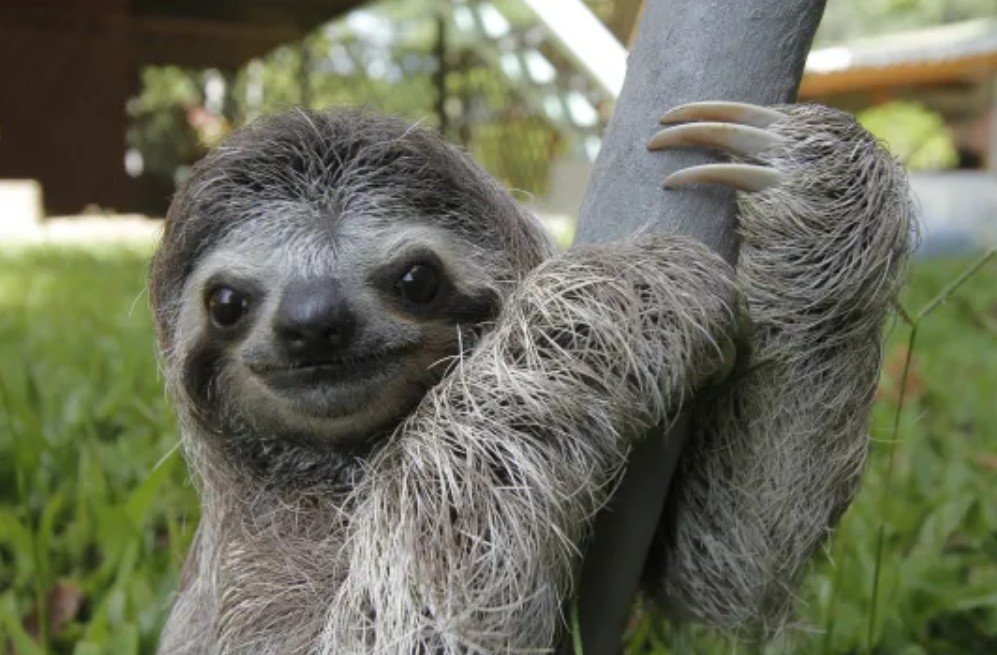
Sloths are slow-moving, tree-dwelling mammals known for their relaxed lifestyle and distinct appearance. Found in the rainforests of Central and South America, sloths spend most of their lives hanging upside down from trees. With long, curved claws and a slow metabolism, sloths are well-adapted to a life of minimal movement. They are herbivores, feeding primarily on leaves, and are famous for their slow and deliberate movements. Despite their lethargic nature, sloths are fascinating creatures that are specially adapted to life in the treetops, where they avoid predators and enjoy a life of serenity.
Sloth Scientific Classification
| SCIENTIFIC NAME | Bradypus (three-toed sloth) or Choloepus (two-toed sloth) |
| CLASSIFICATION | KINGDOM: Animalia PHYLUM: Chordata CLASS: Mammalia ORDER: Pilosa FAMILY: Bradypodidae (for three-toed sloths) or Megalonychidae (for two-toed sloths) GENUS: Bradypus |
| SIZE | Length: 50–70 cm (20–28 inches) Weight: 4–8 kg (9–18 pounds), depending on species |
| SPECIES | Two main species: Three-toed sloths (Bradypus) and Two-toed sloths (Choloepus) |
| APPEARANCE | Sloths have long, shaggy fur, a flat face, and a slow, deliberate movement. Their long claws help them hang upside down from trees for most of their life. |
| LIFE SPAN | 20–30 years, depending on species and environment |
| HABITAT | Sloths are found in tropical rainforests of Central and South America, particularly in areas like the Amazon Basin. |
| DIET | Sloths are herbivores, feeding mainly on leaves, fruits, and flowers. Their slow digestion is aided by a low-energy diet. |
| NATURAL PREDATORS | Sloths have few natural predators due to their slow movements and the fact that they spend most of their time high in trees. However, they may be preyed upon by jaguars, eagles, and large snakes. |
| COUNTRY | Sloths are native to the rainforests of Central and South America, including countries like Brazil, Colombia, Venezuela, and Panama. |
| GESTATION PERIOD | Six months for two-toed sloths; up to 12 months for three-toed sloths, depending on species. |
| CONSERVATION STATUS | Some species of sloths, such as the Pygmy Three-toed Sloth, are listed as critically endangered due to habitat loss and other environmental pressures. |
Sloth Facts
1. The Slowest Mammals on Earth
Sloths are famous for their incredibly slow movements, moving at an average speed of 0.03 miles per hour (0.05 km/h). This slow pace is a result of their low metabolism and energy-efficient diet.
2. Masters of Hanging
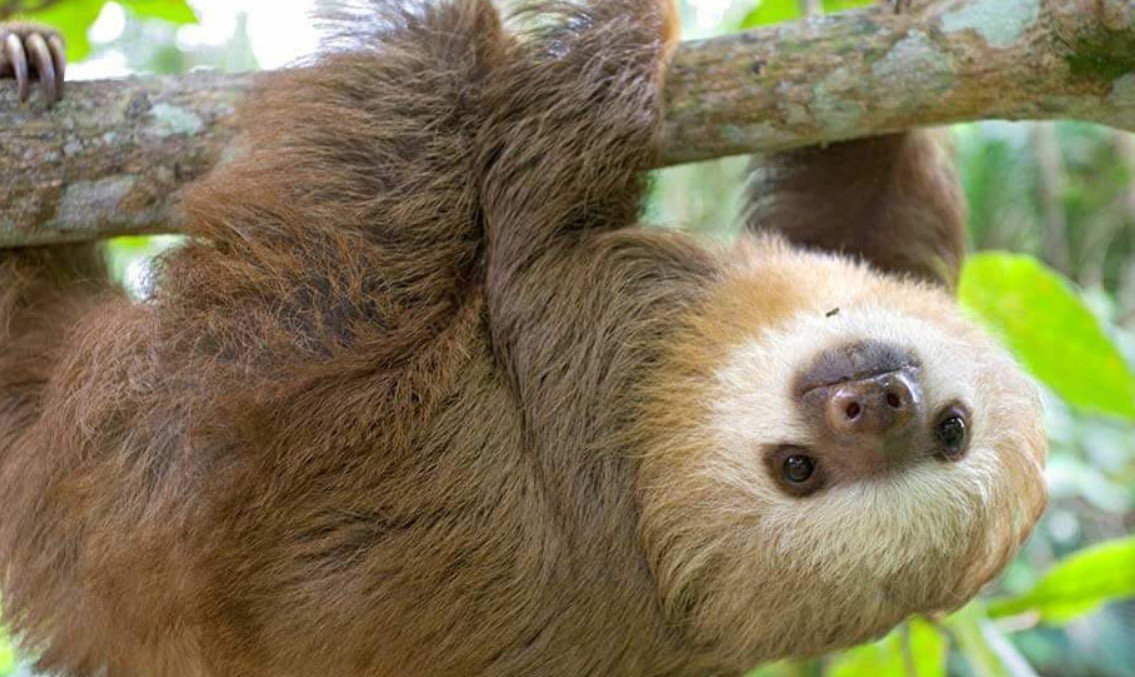
Sloths spend most of their lives hanging upside down in trees. Their long claws allow them to grasp branches tightly, and they can sleep in this position without falling.
3. Slow Digesters
Sloths have a slow metabolism, and it can take them up to a month to digest a single meal, which consists mostly of leaves.
4. Shaggy Fur with Ecosystems
Sloths have long, shaggy fur that is home to algae, which gives them a greenish appearance. This algae helps camouflage them in the treetops.
5. Excellent Swimmers
Though sloths are slow on land, they are surprisingly good swimmers. They can hold their breath for up to 40 minutes while swimming through rivers and streams.
6. Long Claws
Sloths have incredibly long claws (up to 3 inches) that they use to grip trees, making them excellent at hanging upside down and moving slowly from branch to branch.
7. Single Offspring at a Time
Sloths typically give birth to one baby at a time. The babies cling to their mothers’ fur and stay with them for several months after birth.
8. Minimal Interaction with the Ground
Sloths descend from trees only once every week or two to relieve themselves. This is one of the few times they leave the safety of the treetops.
9. Low Energy Lifestyle
Due to their low-calorie diet, sloths do not need much energy. As a result, they are extremely sedentary, sleeping up to 20 hours a day.
10. Vulnerable to Extinction
Although sloths are generally not endangered, some species like the Pygmy Three-toed Sloth are critically endangered due to habitat loss and human activity.
Sloth Animal
Rainforest Introduction
The sloth ranks among the most fascinating animals living in Central and South American rainforests. People across the globe admire sloths for their slow pace, unusual lifestyle, and distinctive appearance. Despite their relaxed behaviour, these mammals play a vital ecological role in rainforest ecosystems. This article explores sloth traits, species, behaviour, habitat, diet, and current conservation status.
Sloth Overview
Scientific Background
A sloth belongs to the order Pilosa and spends its life in trees. It spends most of its time hanging from branches using strong limbs and curved claws. Sloths move slowly, which defines their behaviour and survival strategy. As leaf-eating herbivores, they evolved unique adaptations supporting life in forest canopies.
Sloth Types
Scientists classify sloths into two main groups:
- Two-toed sloths (Choloepus species)
- Three-toed sloths (Bradypus species)
These groups differ in skeletal structure, behaviour, and number of toes. Some species move only a few metres daily, earning sloths a reputation for extreme slowness.
Physical Traits
Anatomical Features
Sloths possess distinctive physical traits that separate them from most mammals.
Body Size
Dimensions: Sloths usually measure between 2 and 2.5 feet in length. Some species grow larger, depending on habitat and diet. Adult sloths typically weigh between 8 and 20 pounds, varying by species.
Fur Camouflage
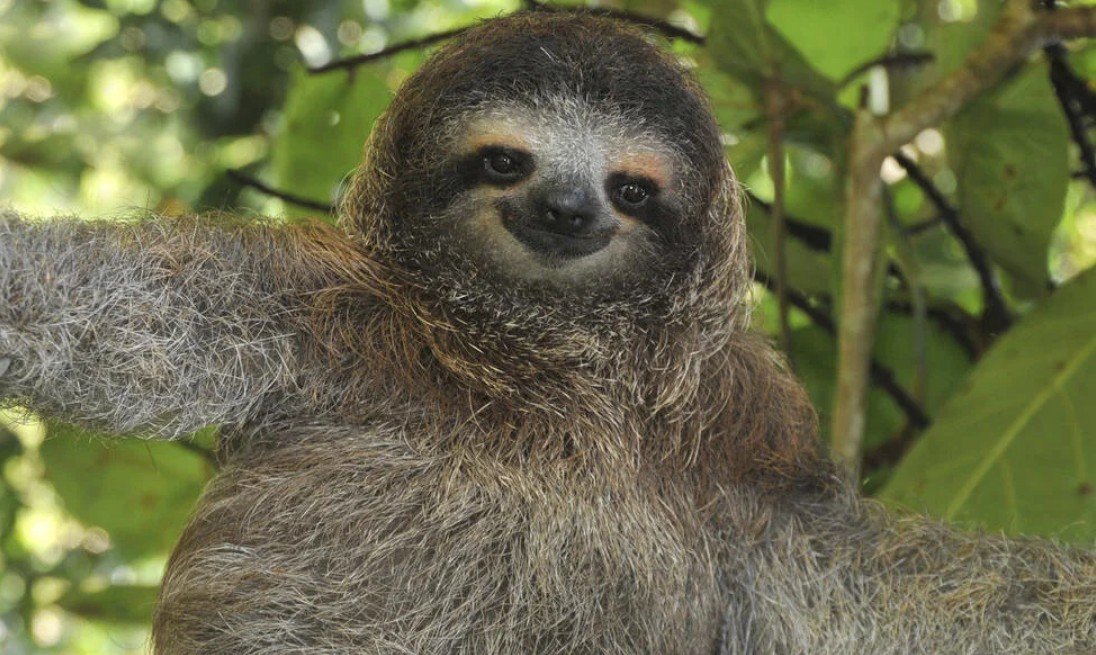
Fur: Sloths have long, shaggy fur serving multiple survival purposes. This fur provides camouflage by blending with tree bark and foliage. Algae often grow within the fur, enhancing concealment and offering insect deterrence.
Claws and Limbs
Claws and Limbs: Sloths grip branches using long, curved claws. They anchor themselves securely while resting, feeding, or sleeping. This ability allows them to hang effortlessly for extended periods.
Three-toed sloths have three toes on their front limbs. Two-toed sloths have two toes, yet both types remain skilled climbers.
Facial Features
Eyes and Face: Sloths feature large dark eyes and small blunt noses. Their eyes adapt to low-light conditions beneath dense rainforest canopies. This vision helps them detect predators and navigate dim forest environments.
Sloth Species
Species Diversity
Sloths exist in two main forms with multiple species across tropical forests. Central and South American rainforests host all sloth species. Despite differences, every species shares an extremely slow pace of life.
Three-Toed Sloths
Bradypus, or three-toed sloths: This group includes the Brown-throated Sloth, Pygmy Sloth, and Maned Sloth.
Size and Behaviour: Three-toed sloths usually reach about two feet in length. They sleep up to 20 hours daily and remain within limited tree ranges.
Unique characteristic: Three-toed sloths have slow metabolisms and three front toes. These traits suit survival in dense, leafy rainforest habitats.
Two-Toed Sloths
Choloepus species, or two-toed sloths: This group includes Linnaeus’s Sloth and Hoffmann’s Sloth.
Size and Behaviour: Two-toed sloths grow larger than three-toed species. Some individuals exceed 2.5 feet in length. They show slightly higher activity levels but still move slowly.
Unique characteristic: Two-toed sloths possess faster metabolisms and two front toes. They display greater agility while remaining among the slowest mammals.
Habitat Range
Geographic Range
Sloths inhabit tropical rainforests throughout Central and South America. Countries include Brazil, Panama, Colombia, Venezuela, and Costa Rica. They spend nearly all their lives suspended within forest canopies.
Canopy Living
Canopy of the Rainforest: Sloths live 30 to 90 feet above ground level. Dense foliage supplies food, shelter, and protection from predators.
Climate Needs
Climate and Temperature: Sloths thrive in warm, humid rainforest climates. Their habitats maintain temperatures between 24°C and 27°C. Low energy needs allow survival within demanding tropical conditions.
Energy Conservation
Slow-Moving Way of Life: Sloths conserve energy by sleeping extensively. Their slow movements and specialised claws help them blend with surrounding trees.
Diet Habits
Herbivorous Diet
Sloths follow a herbivorous diet dominated by leaves. They also consume fruits and flowers from various rainforest plants.
Feeding Preferences
Habits of Eating Leaves: Sloths selectively feed on specific tree leaves. Common food sources include cecropia, mango, and guava trees.
Tough, low-nutrient leaves contribute to their slow metabolism. Specialised stomachs break down fibrous plant material inefficiently.
Digestive Process
Gradual Digestion: Sloths digest food over one to four days. This prolonged digestion supports their slow metabolic rate.
Algae Symbiosis
Symbiotic Connections: Algae grow naturally within sloth fur. This relationship improves camouflage and may provide supplementary nutrition.
Behaviour Patterns
Movement Style
Sloths move deliberately to conserve energy. Their low-calorie diet and metabolism strongly influence behaviour.
Speed and Climbing
Motion: Sloths rank among the slowest animals on Earth. They move at an average speed of 0.03 miles per hour.
Climbing: Powerful curved claws enable excellent climbing ability. They pull themselves forward using strong forelimbs.
Sleep Cycles
Sleeping Habits: Sloths sleep between 15 and 20 hours daily. They rest while hanging upside down to reduce energy use.
Social Behaviour
Social Conduct: Sloths live mostly solitary lives. They may gather temporarily where food remains plentiful. Communication relies on body movements and occasional vocal sounds.
Threats Status
Conservation Challenges
Different sloth species face varying conservation risks. Several populations decline due to habitat destruction and human activity.
Major Threats
- Deforestation: Logging, farming, and urban expansion destroy rainforest habitat.
- Climate Change: Changing climates alter food availability and forest stability.
- Poaching: Illegal hunting and pet trade occasionally threaten sloths.
Protection Efforts
Conservation Activities: Protected Areas: Governments establish reserves and national parks to preserve habitats.
Wildlife Rehabilitation: Rescued sloths receive care and return to the wild.
Sloth FAQ (Frequently Asked Questions)
Q: What is a sloth?
Ans: A sloth is a slow-moving mammal known for its tree-dwelling lifestyle, hanging upside down, and feeding primarily on leaves. They are found in Central and South America.
Q: Why are sloths so slow?
Ans: Sloths have a slow metabolism and low-energy diet, which contributes to their slow movements. This is an adaptation to conserve energy in their environment.
Q: Do sloths ever leave the trees?
Ans: Sloths typically remain in the trees for most of their lives. They only come down about once a week to urinate and defecate.
Q: Are sloths dangerous to humans?
Ans: No, sloths are not dangerous to humans. They are peaceful creatures and pose no threat unless provoked.
Q: How long do sloths live?
Ans: Sloths can live up to 20-30 years in the wild, depending on the species and environmental conditions.
Q: Can sloths swim?
Ans: Yes, sloths are excellent swimmers. They can hold their breath for up to 40 minutes and move through water efficiently.
Q: How do sloths protect themselves from predators?
Ans: Sloths rely on their slow movements and camouflage to avoid detection by predators. Their greenish fur, due to algae growth, helps them blend into the trees.
Q: What do sloths eat?
Ans: Sloths are herbivores and primarily feed on leaves, fruits, and flowers. Their slow digestion helps them process their low-energy diet.
Q: Are sloths endangered?
Ans: While sloths are not generally endangered, some species, like the Pygmy Three-toed Sloth, are critically endangered due to habitat loss and deforestation.
Q: How many species of sloths exist?
Ans: There are two main types of sloths: three-toed sloths (Bradypus) and two-toed sloths (Choloepus), with several species within each group.
#Sloth #SlowMovers #RainforestAnimals #EndangeredSpecies #Herbivores #Wildlife #Mammals #TropicalAnimals #SlothFacts
Sloth sources and references
1: Wikipedia – Sloth
2: National Geographic – Sloth
3: Britannica – Sloth
4: World Wildlife Fund – Sloth