The knowledge of snakes is vast. Researchers and fans have studied the biology, behavior, and ecological relevance of these intriguing insects for decades, a topic of curiosity and study. The variety of the snake world is astounding, ranging from venomous species with strong poisons to non-venomous snakes that use constriction to subdue their prey. Uncovering the secrets of snake evolution, special adaptations, and their place in many ecosystems throughout the globe has taken countless hours of work from scientists.
Knowledge about snakes may be acquired in a variety of ways and across many different fields. Among the professionals who contribute to our understanding of these mysterious animals are herpetologists, zoologists, and ecologists. The distribution and abundance of several snake species have been meticulously recorded by researchers via fieldwork, providing insight into the habitat preferences and population-influencing aspects of these species. Scientists have learned more about the amazing adaptations of snakes, such as their unique venom delivery systems and capacity to swallow prey far bigger than their own heads, by researching the anatomy and physiology of these animals.
The Sharp-Tailed Snake (Contia tenuis) is a small, non-venomous species of snake native to the western United States. Known for its slender body and sharp, pointed tail, this snake is…
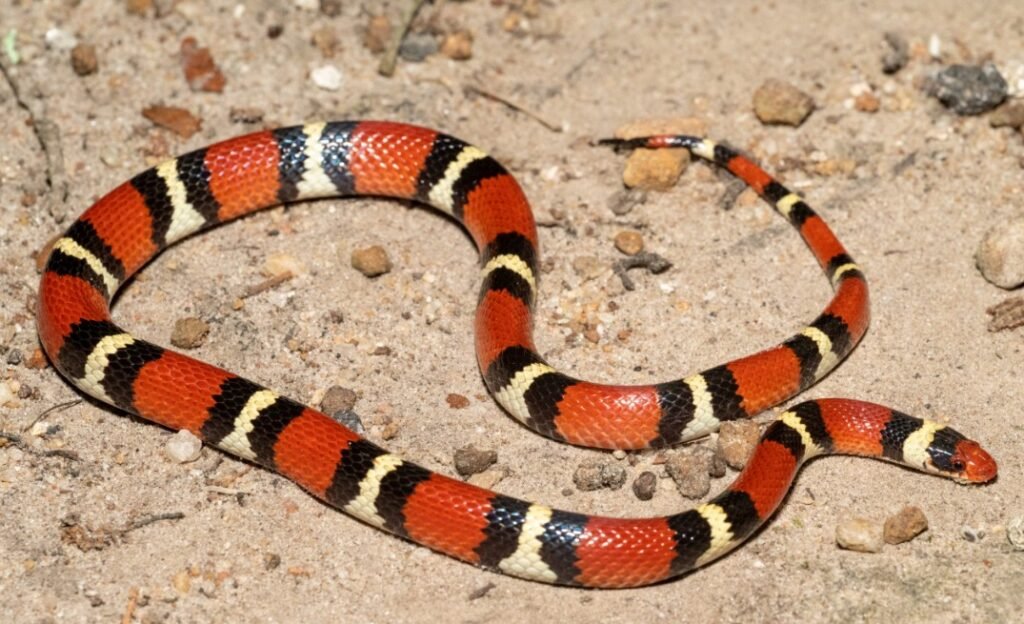
The Scarlet Kingsnake (Lampropeltis elapsoides) is a strikingly beautiful non-venomous snake found in the southeastern United States. Known for its vibrant red, black, and yellow bands, the Scarlet Kingsnake closely…
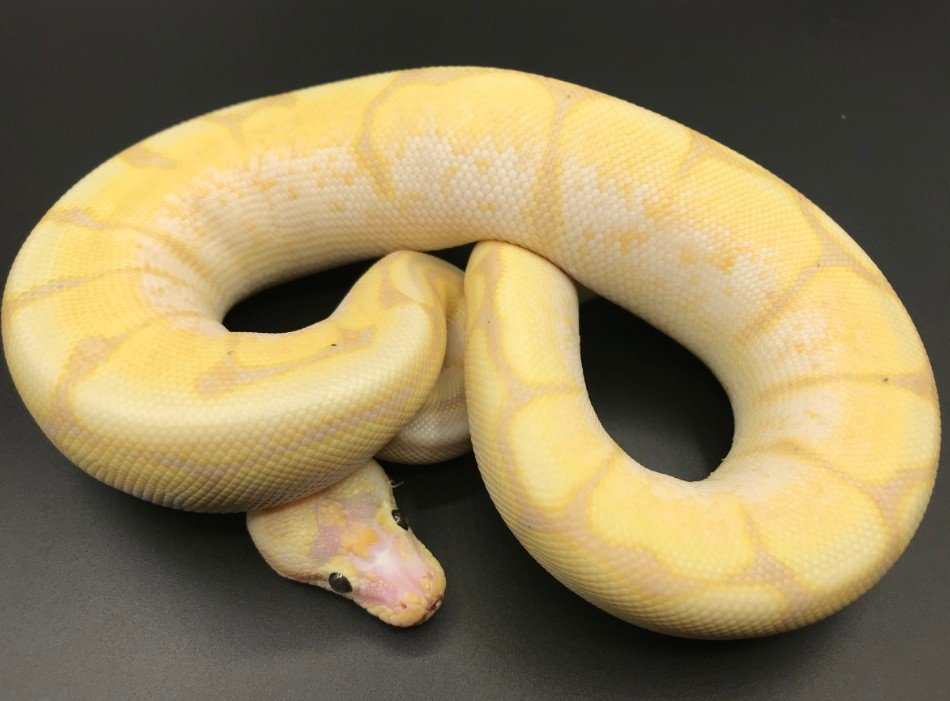
The Scaleless Ball Python is a unique and rare morph of the popular ball python species, known for its lack of scales on the body. Unlike regular ball pythons, which…
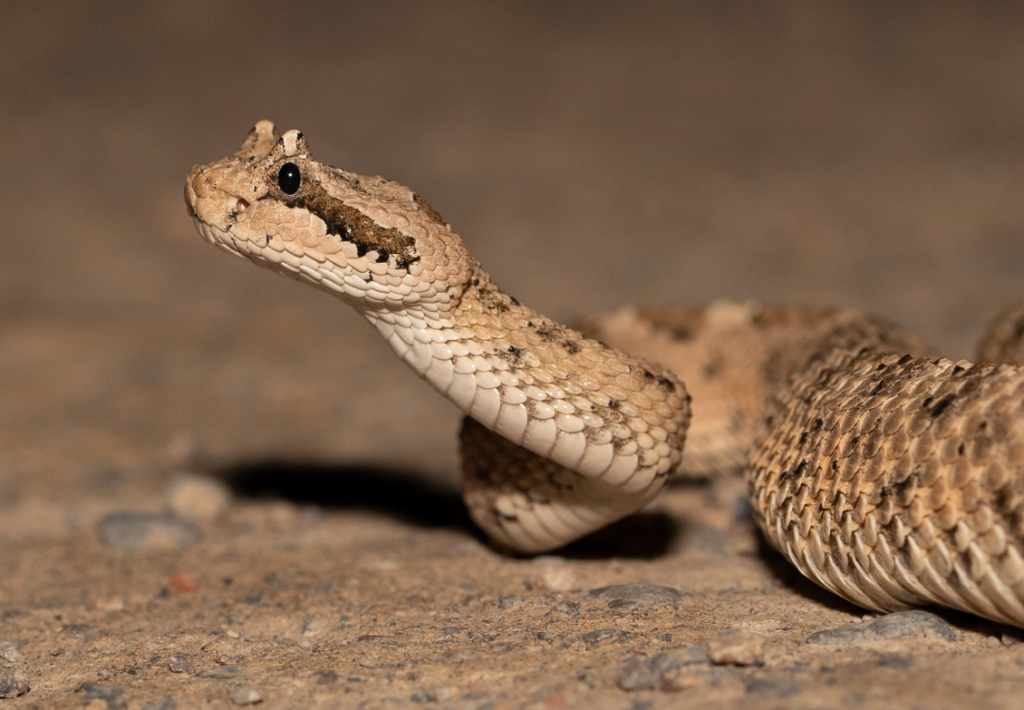
The Saw-scaled Viper is a venomous snake found in parts of Africa, the Middle East, and South Asia. Known for its distinct, rough, and saw-like scales along its body, this…
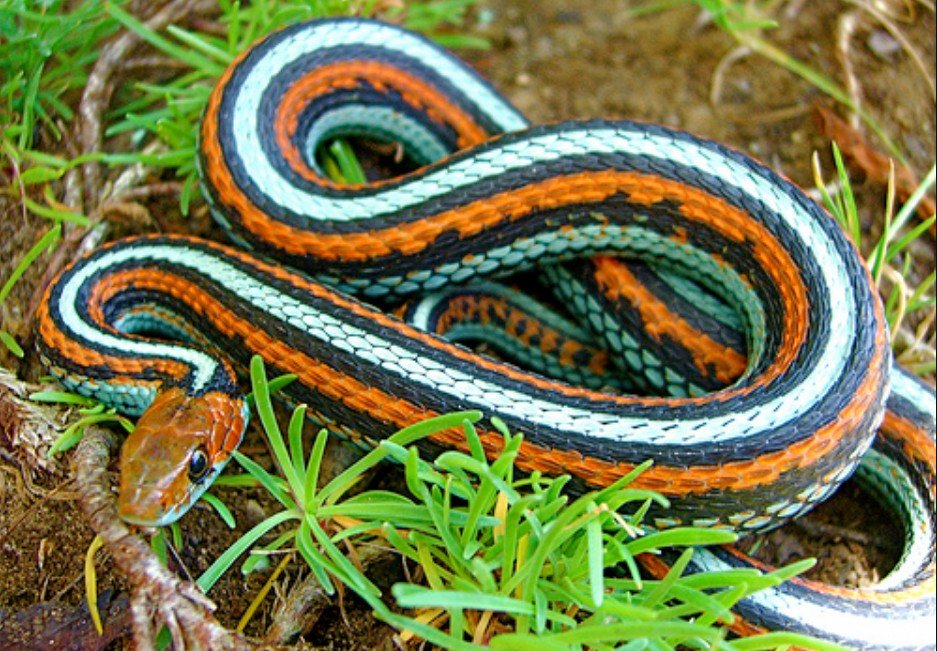
The San Francisco Garter Snake is one of the most striking and rare snakes in North America. Known for its vibrant colors and habitat specialization, it is critically endangered. Found…
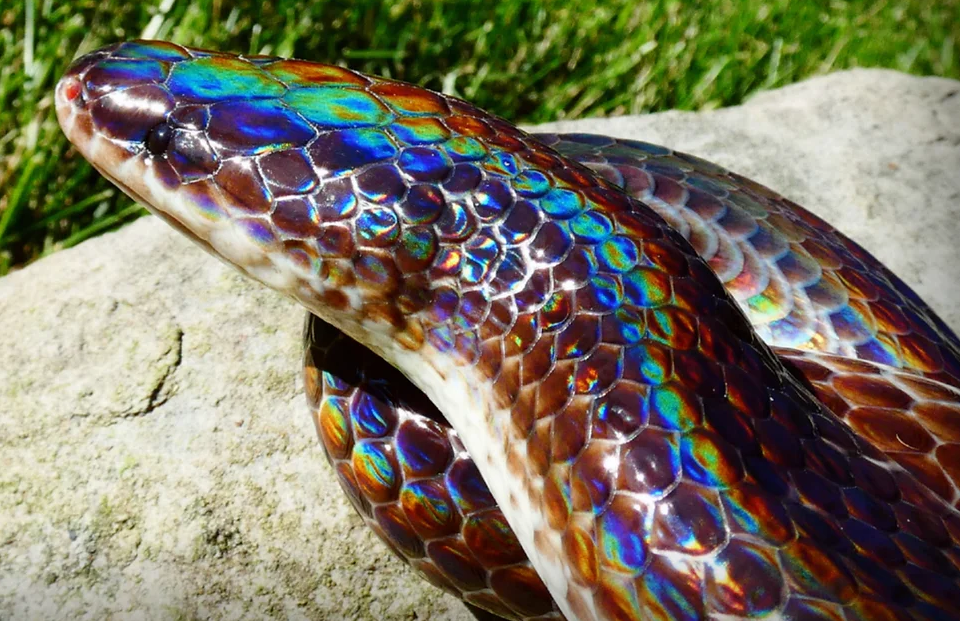
The Sunbeam Snake, also known as Xenopeltis unicolor, is a fascinating species of non-venomous snake native to Southeast Asia. It is renowned for its iridescent, metallic scales, which shine brilliantly…
The Savu Python is a relatively small species of snake that is native to the Savu Islands in Indonesia. It is known for its distinctive coloring and calm demeanor, making…
The Sidewinder is a small, venomous pit viper known for its distinctive sideways movement, which gives it its name. Native to the deserts of the southwestern United States and northwestern…
The Snouted Cobra, also known as the Mozambique spitting cobra, is a venomous species found in parts of Africa. It gets its name from the distinctive "snout" or protrusion at…
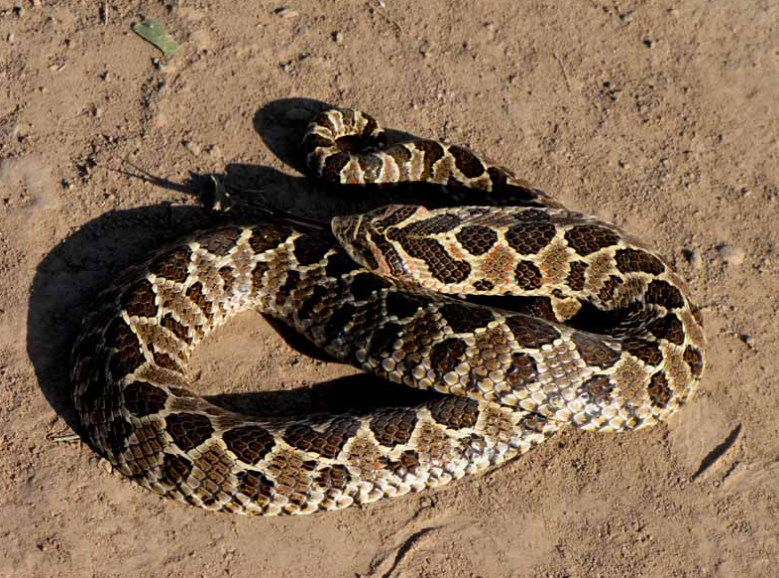
Yarará: South America's Poisonous Snake The South American yarará, technically known as Bothrops alternatus, is a highly poisonous pit viper. Also called the Southern crotaline or the Argentine pit viper,…
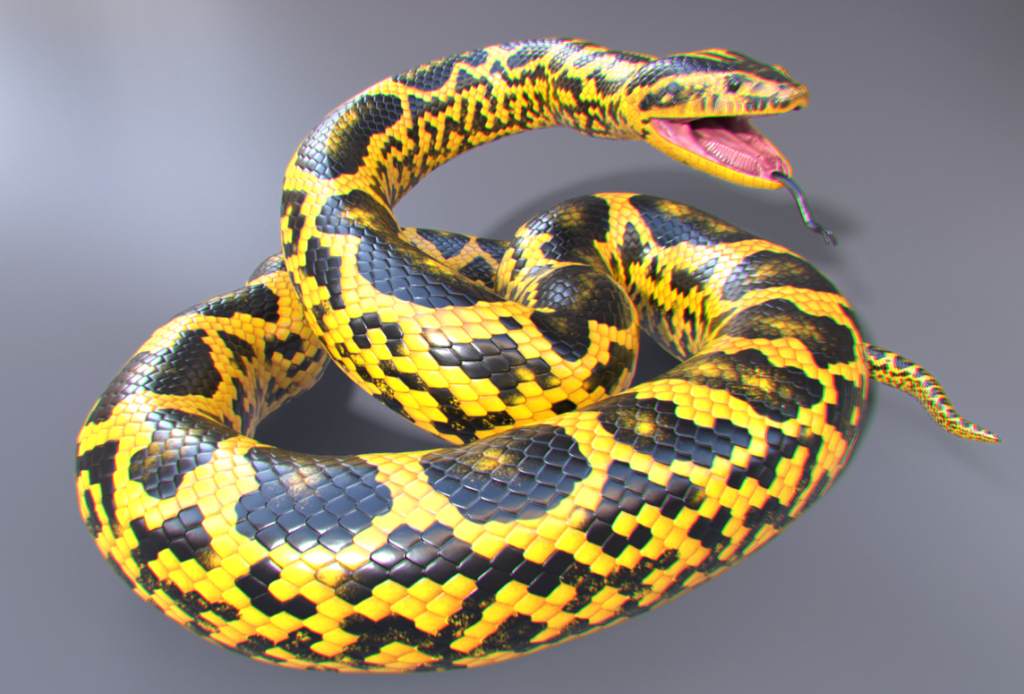
The yellow anaconda (Eunectes notaeus) is a non-venomous, semi-aquatic snake native to South America, particularly found in Paraguay, Bolivia, northern Argentina, and southern Brazil. It is the smaller cousin of…
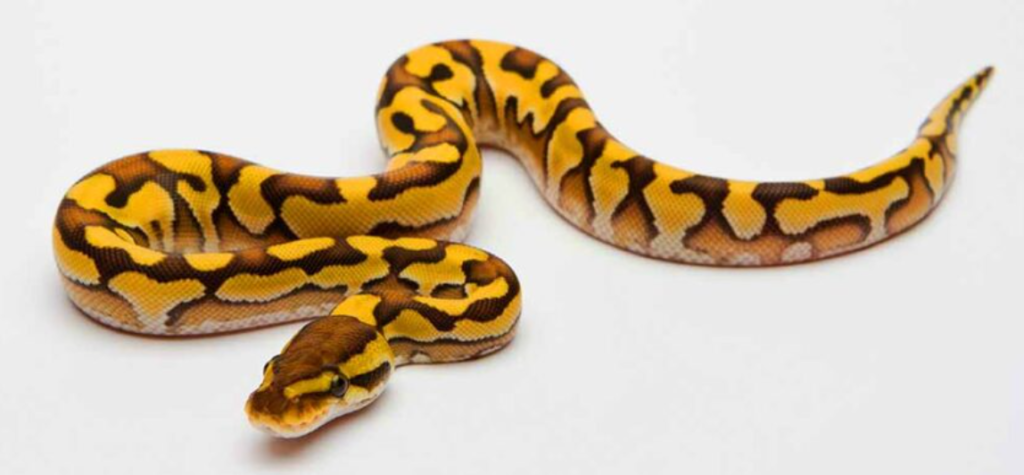
The Yellow Belly Ball Python is a color morph of the popular Ball Python species. This variety features a yellowish belly pattern, which makes it a highly sought-after pet in…