The Sharp-Tailed Snake (Contia tenuis) is a small, non-venomous species of snake native to the western United States. Known for its slender body and sharp, pointed tail, this snake is typically found in forests, grasslands, and shrublands. It feeds primarily on small amphibians, invertebrates, and the occasional small reptile. While not dangerous to humans, its elusive nature and preference for hiding in burrows or under rocks make it difficult to observe in the wild. This species plays an important role in controlling insect and amphibian populations in its ecosystem.
Quick Top 10 Facts about Sharp-Tailed Snake
| SCIENTIFIC NAME | Contia tenuis |
| CLASSIFICATION | KINGDOM: Animalia PHYLUM: Chordata CLASS: Reptilia ORDER: Squamata FAMILY: Colubridae |
| SIZE | Length: 30–40 cm (12–16 inches), making it one of the smaller snake species. |
| SPECIES | There are no recognized subspecies of the Sharp-Tailed Snake, but they can be found across a variety of habitats in the western United States. |
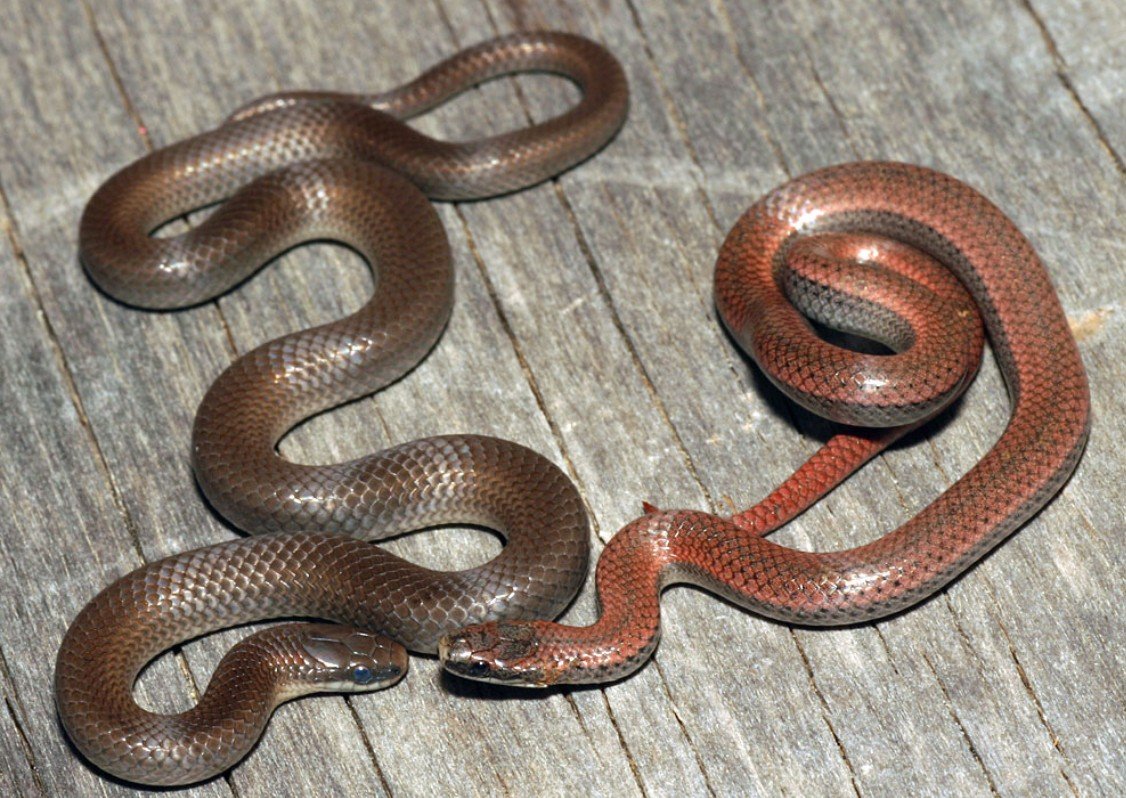
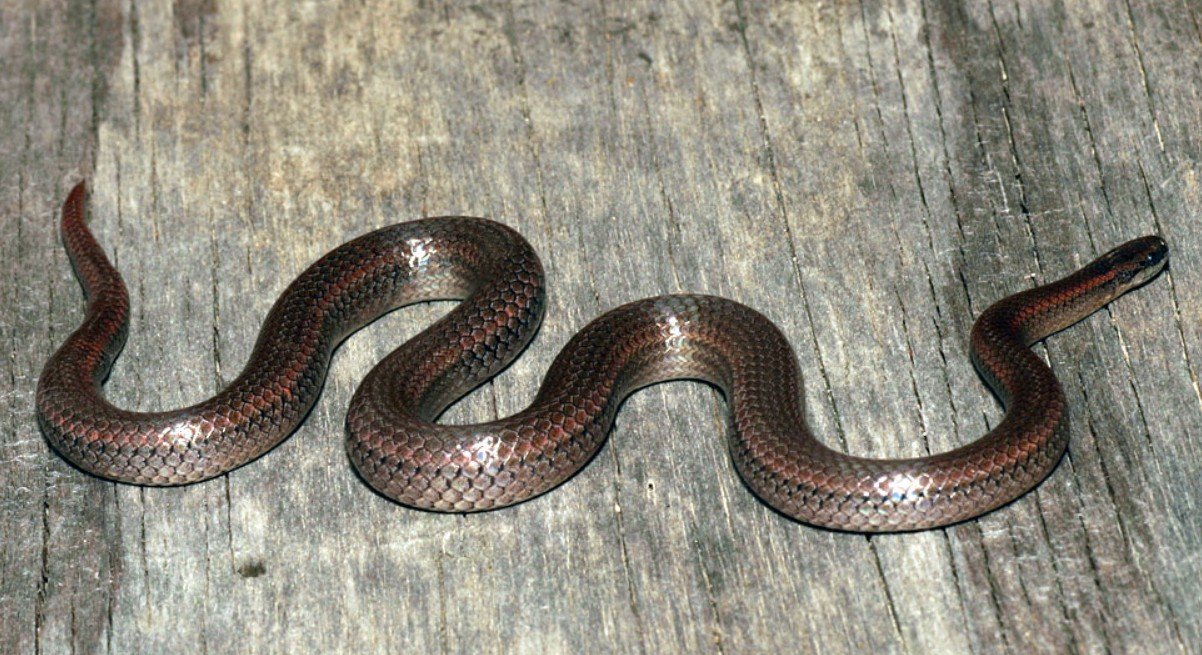
| APPEARANCE | Sharp-Tailed Snakes have a slender, long body with a characteristic sharp, pointed tail. Their coloration varies from brown to gray, often with dark spots or stripes along their back. |
| LIFE SPAN | Typically lives around 5–7 years in the wild, though some individuals may live longer under optimal conditions. |
| HABITAT | Sharp-Tailed Snakes are typically found in forests, grasslands, shrublands, and areas with rocky outcrops or soil burrows in the western United States. |
| DIET | They primarily feed on amphibians, insects, and other invertebrates. Occasionally, they may eat small reptiles or other small animals. |
| NATURAL PREDATORS | Sharp-Tailed Snakes have a variety of natural predators, including birds of prey, mammals, and other larger reptiles. |
| COUNTRY | Native to the western United States, particularly in regions of California, Oregon, and Washington. |
| GESTATION PERIOD | Sharp-Tailed Snakes lay eggs, with the incubation period lasting approximately 2–3 months before hatching. |
| CONSERVATION STATUS | While not currently listed as endangered, Sharp-Tailed Snakes face habitat loss and fragmentation due to human development and land use changes. |
Amazing Facts About Sharp-Tailed Snake
1. Small but Mighty
Sharp-Tailed Snakes are relatively small, measuring only 30–40 cm (12–16 inches) in length, but they are well-adapted to their environment and play an important role in controlling insect populations.
2. Sharp, Pointed Tail
One of the most distinctive features of the Sharp-Tailed Snake is its sharp, pointed tail. This tail may be used for defense or as a tool to aid in navigating through dense undergrowth.
3. Excellent Camouflage
The coloration of the Sharp-Tailed Snake, which includes shades of brown, gray, and dark spots or stripes, allows it to blend seamlessly into its surroundings, helping it avoid predators.
4. Secretive and Elusive
Due to its small size and preference for hiding in burrows or under rocks, the Sharp-Tailed Snake is rarely seen by humans and remains quite elusive in its natural habitat.
5. Non-Venomous and Harmless
Sharp-Tailed Snakes are non-venomous and harmless to humans. They pose no significant threat and prefer to avoid confrontation.
6. Skilled Burrower
These snakes are excellent at burrowing, using their sharp tail to navigate through narrow spaces in search of food or shelter.
7. Vital to the Ecosystem
Sharp-Tailed Snakes play a crucial role in their ecosystem by controlling populations of amphibians, insects, and small invertebrates, which helps maintain the balance of the local environment.
8. Solitary Creatures
Sharp-Tailed Snakes are solitary animals, typically spending their time alone unless during mating season.
9. Lay Eggs, Not Live Births
Unlike some other snake species, Sharp-Tailed Snakes lay eggs. The young hatch from the eggs after an incubation period of about 2–3 months.
10. Adapted to a Variety of Habitats
The Sharp-Tailed Snake can live in a variety of habitats, including forests, grasslands, and shrublands, as long as there is ample cover for hiding and hunting.
Introduction to Sharp-Tailed Snake Species
A fascinating and elusive reptile is the sharp-tailed snake. North America is home to the little and unusual Sharp-tailed Snake (Contia longicauda). The pointy-tailed Snake is an intriguing reptile that is vital to its ecology and is well-known for its very pointy tail and secretive personality. This article will examine the Sharp-tailed Snake’s many facets, such as its physical traits, behaviour, habitat, nutrition, and state of conservation.
Sharp-Tailed Snake Physical Features and Anatomy
A tiny, non-venomous snake, the pointy-tailed Snake is distinguished by its thin body and its pointy tail. This snake has some amazing physical adaptations for its tiny size.
Sharp-Tailed Snake Dimensions and Body Form
- Length of Sharp-Tailed Snake: The average length of a Sharp-tailed Snake is 12 to 20 inches (30 to 51 cm), while some individuals may grow a little longer.
- Body Shape and Adaptation: It can move through leaf litter and other material in its environment with ease because of its narrow, cylindrical form. Because of its body’s adaptation to living mostly in the underbrush, the snake is an elusive and proficient predator.
- Pointed Tail of Sharp-Tailed Snake: The Sharp-tailed Snake’s sharp, pointed tail is its most distinguishing characteristic. The sharpness of the tail serves defence purposes and may serve as a warning to would-be predators. The snake gets its name from its tail, which also distinguishes it from other species of the same kind, even if it is not usually employed as a weapon.
- Sharp-Tailed Snake Colouration: With faint black patterns down the back, the Sharp-tailed Snake’s colouring is usually a blend of grey, brown, and tan. Due to its ability to blend in with its surroundings, these patterns make it difficult to identify the snake in undergrowth or leaf litter. Some snakes have slight darker patterns down their belly, although the underside of the snake is usually lighter in colour, usually white or cream.
Sharp-Tailed Snake Range and Habitat Distribution
The Sharp-tailed Snake is mostly found in the western United States, more especially in locations that provide the rocky slopes, thick underbrush, and wooded environments that it prefers.
Sharp-Tailed Snake Habitat Preferences
- Forest and Woodland Habitats: The Sharp-tailed Snake usually inhabits areas with loose soil, leaf litter, and decomposing plant matter, such as forests, woods, grasslands, and shrubs.
- Elevation Range: This snake is found at heights between sea level to 1,800 meters (5,900 feet), and it is often linked to hilly areas.
- Damp and Wetland Areas: Because they may find plenty of food and cover near streams, creeks, and wetlands, the species loves damp regions.
Geographical Distribution of Sharp-Tailed Snake
- Pacific Northwest Snake Range: The Pacific Northwest region of the United States is home to the Sharp-tailed Snake, especially in states like California, Oregon, Washington, and Idaho. Although it is less common there, the snake may be found in certain regions of Nevada and Utah.
- Terrestrial Snake Habits: Being a terrestrial species, it spends the most of its time on the ground, often hiding in tree bark cracks, leaf heaps, or behind rocks.
Sharp-Tailed Snake Hunting Behaviour and Diet
As a carnivorous species, the Sharp-tailed Snake mostly feeds on tiny invertebrates, however it may sometimes devour other small animals based on its surroundings and the food supply.
Main Food Sources Sharp-Tailed Snake
- Insect Diet: Ants, beetles, termites, and spiders are among the insects that the Sharp-tailed Snake mostly consumes. Due to the abundance of these prey items in the underbrush, the snake has many hunting possibilities.
- Small Amphibians and Reptiles: Furthermore, when insects are not easily accessible, the Sharp-tailed Snake may consume tiny amphibians like frogs and lizards.
Hunting Methods Sharp-Tailed Snake
- Stealth and Ambush Hunting: The Sharp-tailed Snake is renowned for its ability to move quickly and covertly through its environment. It often hides and stalks its prey in subterranean tunnels and fissures. It uses a sit-and-wait tactic, waiting in a concealed spot, such behind a boulder or a mound of leaves, then ambushing its victim when it approaches enough.
- Prey Capture Techniques: Small prey may be swallowed whole by sharp-tailed snakes, who use their specialised jaws to expand wide and eat.
Behaviour and Reproduction Patterns Sharp-Tailed Snake
The reproductive cycle of the Sharp-tailed Snake is intriguing, similar to that of many other snake species. It is a somewhat lonely animal that only congregates with other species during the mating season.
Sharp-Tailed Snake Mating Season and Reproduction
- Spring Mating Period: The Sharp-tailed Snake’s mating season usually takes place in the spring. Males will aggressively search for females at this period by participating in mating displays or following scent trails.
- Egg Laying and Incubation: The female will deposit a modest clutch of eggs—typically three to seven—after mating. Usually, the eggs are deposited in damp soil or behind leaf litter for protection, where the humidity and warmth of the environment incubate them.
Growth and Hatchlings of Sharp-Tailed Snake
- Juvenile Snake Development: The juvenile snakes emerge as independent hatchlings when the eggs hatch in late summer or early autumn. These snakes are born with the ability to hunt and survive on their own.
- Juvenile Appearance: With comparable colouring and morphological characteristics, juvenile Sharp-tailed Snakes are often smaller than their adult counterparts.
Sharp-Tailed Snake Behavioural and Morphological Adaptations
Despite its relative elusiveness, the Sharp-tailed Snake has a number of morphological and behavioural adaptations that aid in its survival.
Protective Mechanisms
- Defensive Tail Use: It is believed that the pointed tail of the pointed-tailed Snake helps to ward off predators. The tail’s sharpness may make it difficult for would-be predators to assault, even if it is not poisonous.
- Camouflage and Hiding: In order to avoid detection, the Sharp-tailed Snake may conceal itself behind logs, leaves, or rocks when it feels threatened.
- Balling and Body Protection: If the snake can’t hide, it could ball up and use its body and tail to shield its essential organs.
Thermoregulation and Activity Patterns
- Ectothermic Temperature Regulation: The Sharp-tailed Snake is ectothermic, which means that it depends on outside heat sources to control its body temperature, much like all other reptiles. In order to warm up, the snake will often lie in the sun in the morning. As the temperature rises, it will become more active.
Conservation Status and Threats of Sharp-Tailed Snake
Although the Sharp-tailed Snake is not now considered an endangered species, it does face several challenges that might eventually affect its population, similar to many other reptiles.
Threats to Sharp-Tailed Snake Population
- Habitat Loss: One of the main dangers to the Sharp-tailed Snake is habitat degradation. The snake is losing access to vital locations for hunting and breeding as human development encroaches on its natural habitats.
- Pesticide and Food Supply Threats: The snake’s food supplies, especially insects, may get contaminated by pesticide usage in agricultural regions, which might harm or deplete its prey.
- Climate Change Effects: Because changing weather patterns may decrease the availability of appropriate habitats and interfere with reproductive timing, climate change may potentially be a long-term hazard.
Sharp-Tailed Snake Conservation Efforts
- Habitat Protection and Restoration: Although the Sharp-tailed Snake is not listed as an endangered species at this time, conservation initiatives to protect its habitat are essential to the species’ long-term survival. The goal of conservation organisations is habitat restoration, which includes preserving natural ecosystems and preventing further development in wetlands and forests.
- Research and Population Monitoring: Research and monitoring are also prioritised in order to better understand Sharp-tailed Snake population patterns and evaluate the effects of any threats.
FAQ (Frequently Asked Questions) about Sharp-Tailed Snake
Q: What is a Sharp-Tailed Snake?
Ans: The Sharp-Tailed Snake (Contia tenuis) is a small, non-venomous snake found in the western United States. It is known for its sharp, pointed tail and slender body.
Q: Where do Sharp-Tailed Snakes live?
Ans: Sharp-Tailed Snakes are found in the western United States, particularly in California, Oregon, and Washington. They inhabit forests, grasslands, and shrublands.
Q: What do Sharp-Tailed Snakes eat?
Ans: Sharp-Tailed Snakes primarily feed on amphibians, insects, and other invertebrates, with occasional consumption of small reptiles.
Q: How long do Sharp-Tailed Snakes live?
Ans: Sharp-Tailed Snakes can live for approximately 5–7 years in the wild, though this can vary based on environmental factors.
Q: Are Sharp-Tailed Snakes dangerous to humans?
Ans: No, Sharp-Tailed Snakes are non-venomous and pose no danger to humans.
Q: How do Sharp-Tailed Snakes hunt?
Ans: Sharp-Tailed Snakes use their sharp tail and small size to navigate through tight spaces, where they hunt for amphibians and insects.
Q: Are Sharp-Tailed Snakes endangered?
Ans: Sharp-Tailed Snakes are not currently listed as endangered, but they face threats from habitat destruction and fragmentation.
Q: How do Sharp-Tailed Snakes reproduce?
Ans: Sharp-Tailed Snakes lay eggs, which hatch after an incubation period of about 2–3 months.
Q: Can Sharp-Tailed Snakes be kept as pets?
Ans: While Sharp-Tailed Snakes can be kept in captivity, they are not commonly found as pets due to their secretive nature and specific habitat needs.
Q: Do Sharp-Tailed Snakes have any predators?
Ans: Sharp-Tailed Snakes are preyed upon by birds of prey, larger mammals, and other reptiles.
#SharpTailedSnake #SnakeFacts #WesternUSA #NonVenomousSnakes #AmphibianPredators #Reptiles #WildlifeConservation
Our sources and references about Sharp-Tailed Snake
1: Wikipedia – Sharp-Tailed Snake
2: California Herps – Sharp-Tailed Snake
3: IUCN Red List – Sharp-Tailed Snake
4: Zoo Society – Snake Species