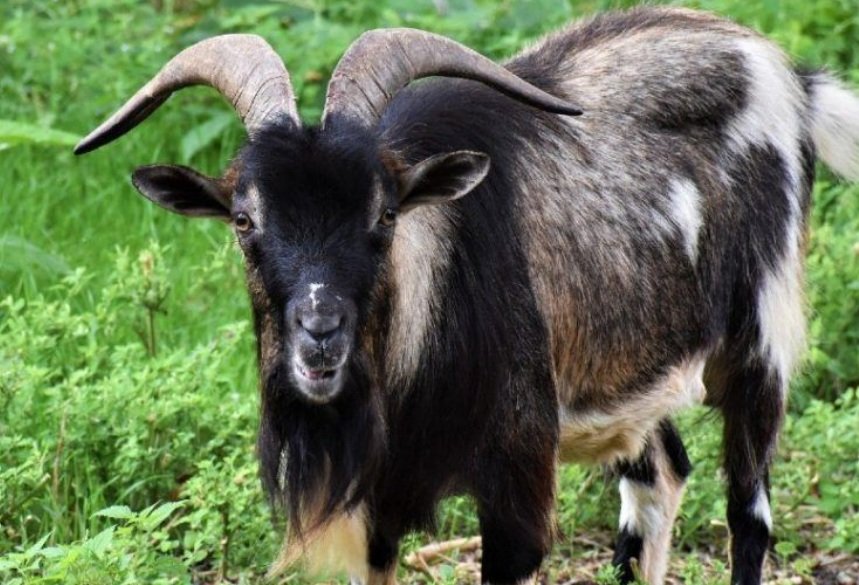
The Spanish Goat is a hardy and adaptable breed of goat that originated in Spain and was brought to the Americas. Known for their ability to thrive in harsh conditions, these goats are used for their meat and milk. They are also valued for their ability to clear brush and control vegetation.
Quick Top 10 Facts about Spanish Goat
| SCIENTIFIC NAME | Capra aegagrus hircus |
| CLASSIFICATION | KINGDOM: Animalia PHYLUM: Chordata CLASS: Mammalia ORDER: Artiodactyla FAMILY: Bovidae GENUS: Capra SPECIES: C. aegagrus SUBSPECIES: C. a. hircus |
| SIZE | Height: 20–30 inches (50–76 cm) Weight: 50–200 pounds (23–91 kg) |
| HABITAT | Domesticated; typically found on farms and ranches, especially in the United States, particularly in Texas |
| DIET | Herbivorous; feeds on grasses, shrubs, weeds, and leaves — known for thriving on poor forage |
| BREED | Spanish Goat, also known as Brush Goat or Meat Goat |
| COUNTRY | Originated in Spain and brought to the Americas; commonly bred in the United States |
| GESTATION PERIOD | Approximately 150 days |
| LIFE SPAN | 10–15 years |
| CONSERVATION STATUS | Not endangered; considered a heritage breed but faces decline due to crossbreeding |
Amazing Facts About Spanish Goats
1. Spanish Goats are extremely hardy
They are well-known for thriving in harsh environments and rugged terrains with minimal care.
2. They are excellent for brush control
These goats are often used to clear land, as they consume invasive plants and weeds.
3. A true meat goat breed
Spanish goats are primarily raised for meat production, offering lean and flavorful meat.
4. They have strong reproductive traits
This breed is known for its fertility, high kidding rates, and strong mothering instincts.
5. They come in many colors
Spanish Goats can be found in a wide range of colors, including black, white, brown, and multi-colored patterns.
6. Naturally parasite-resistant
Compared to other breeds, Spanish Goats show better resistance to internal parasites, making them ideal for low-input farming.
7. They are often horned
Both males and females can have impressive, outward-curving horns.
8. They are descendants of Spanish imports
Spanish explorers brought these goats to the Americas in the 16th century, where they adapted and evolved.
9. Recognized for their low-maintenance needs
Farmers value Spanish Goats for their low feed and health care requirements.
10. Considered a foundation meat goat breed
Before Boer goats became popular, Spanish goats were the backbone of U.S. meat goat production.
Comprehensive Overview of the Spanish Goat: A Hardy and Resilient Breed
The Spanish goat is a resilient and hardy breed. The Spanish goat, often referred to as the brush goat, is a robust and old breed that has long been important to agriculture. Farmers and ranchers across North America increasingly choose Spanish goats because of their versatility, hardiness, and distinctive traits, especially in regions with harsh weather circumstances. These goats are well-known for their capacity to produce meat, their exceptional foraging abilities, and their capacity to flourish in rocky environments.
Understanding the Uses and Care of Spanish Goats in Modern Agriculture
The origin, physical traits, temperament, applications, and maintenance needs of the Spanish goat will all be covered in this article. This breed is a fantastic choice for a variety of agricultural requirements, whether you’re thinking about keeping them for their meat, as pets, or for land management.
Origin and Historical Background of the Spanish Goat
Tracing the Spanish Goat’s Arrival to North America
The history of the Spanish goat is closely linked to the Americas’ agricultural development. The breed’s origins may be traced back to the Iberian Peninsula, when Spanish immigrants reared it while travelling to the New World with their cattle. The Spanish goat was one of the several livestock varieties brought to the Americas by these people.
Adaptation to Harsh Environmental Conditions
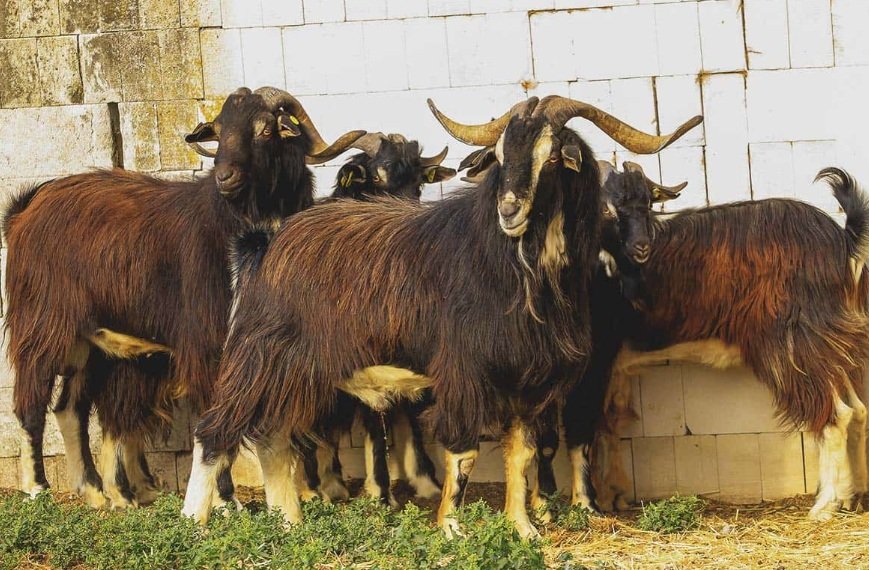
Goats, which the Spanish colonists took with them as they migrated across the southern United States, rapidly adapted to the harsh and unpredictable conditions they came across. The Spanish goat gained notoriety throughout time for its resilience and capacity to flourish in harsh situations, such as those with little forage, high temperatures, and dry weather.
Continued Agricultural Role in the United States
Originally prized for its meat and milk, the Spanish goat has now gained recognition for its contribution to land management and brush control. In many regions of the United States, especially Texas, Arizona, and California, the breed is still an essential component of agriculture today. Goats are employed to help control fascinating plant species and overgrown vegetation.
Physical Characteristics of the Spanish Goat
Appearance, Coat, and Size Details
The medium-sized Spanish goat breed has a wide range of physical characteristics and coat colours. The breed is well-known for its resilience, but it also has a set of distinguishing physical characteristics that help people identify it.
- Height: Depending on their sex and particular ancestry, Spanish goats often have shoulder heights of 18 to 30 inches.
- Weight: The average adult female (doe) weighs between 75 and 150 pounds, while the average adult male (buck) weighs between 100 and 200 pounds. The nutrition and surroundings of an individual goat might affect the breed’s weight.
Colour and Coat Description
A Spanish goat’s coat, which is usually short and coarse, provides protection from the weather, including the cold, rain, and sun. The coat might be white, black, brown, grey, or speckled, among other colours. Often, goats may have a combination of colours, and many Spanish goats have a blend of solid and multi-coloured coats.
Because they are not usually dairy goats, Spanish goats lack the long, opulent coats that other breeds are known for. Rather, their coat serves a utilitarian purpose by shielding them from potential threats and keeping them cool in hotter climes.
Horn Shape and Facial Structure
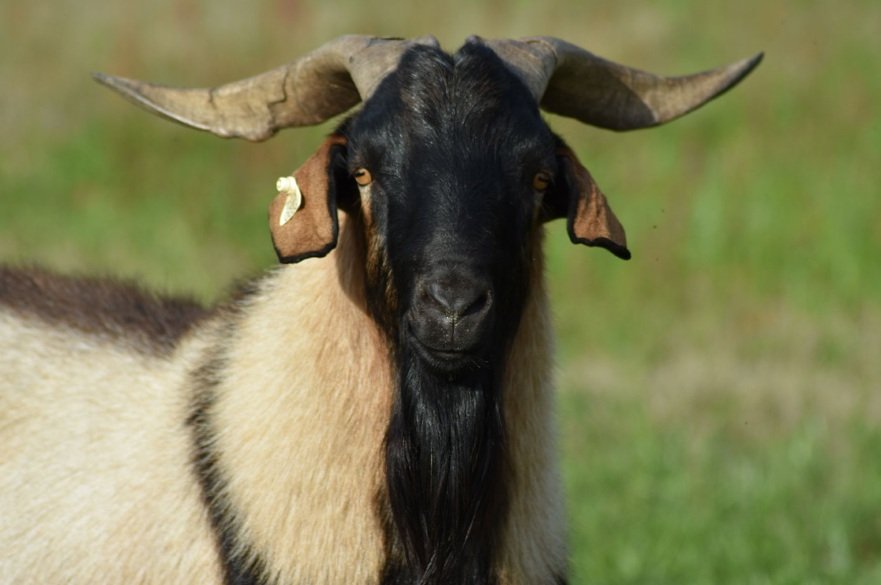
The Spanish goat’s strong, independent temperament is reflected in its expressive eyes and long, narrow face. Although they might differ in size and form, horns are usually present on both males and females. A Spanish goat’s curved horns might be tiny and inconspicuous or longer and more noticeable. In order to protect themselves from predators and other dangers in their surroundings, the goats use their horns.
Temperament and Behaviour of Spanish Goats
Self-Sufficient and Hardy Nature
The Spanish goat is a very robust animal that can withstand a range of weather circumstances because of its sturdy and independent temperament. Their lengthy history of surviving in harsh environments has formed their character, and they are renowned for their agility, intellect, and tenacity.
Due to their independent nature, Spanish goats are often seen foraging and negotiating difficult terrain by themselves. They live in herds and are gregarious creatures, yet they don’t need human care or regular monitoring. They are ideal for free-range grazing and need very little daily care due to their adaptability and capacity to flourish in challenging environments.
Intelligence and Exploration Tendencies
Because of their high level of intelligence and curiosity, these goats often explore their environment and search for new food sources. They can swiftly adjust to different habitats and have good foraging instincts. Because Spanish goats are naturally energetic and want to explore the environment, their natural behaviours may be shown when they are kept in expansive pastures or on open terrain.
Social Interactions Within the Herd
Because they are herd animals, Spanish goats do best in herd environments. Goats should ideally be kept in pairs or small groups since solitary goats may become lonely, nervous, and challenging to handle. Spanish goats may be territorial and may compete for supremacy, especially during breeding season, despite their overall friendliness and docility.
Primary Uses and Benefits of Spanish Goats
Meat Production from Spanish Goats
Although they have several additional purposes in farming and agriculture, Spanish goats are mostly kept for their meat. Their versatility and resilience have made them an invaluable resource for farmers around the globe.
A popular breed of meat goat, the Spanish Goat is renowned for its flavourful, lean flesh. Their meat is a popular option for ethnic markets, especially in the Southwest and Southern parts of the United States, since it is often regarded as delicate and flavourful.
Spanish goat meat is often offered for sale as cabrito (young goat) or chevon (goat meat), which is used in many different cuisines, particularly Mexican and Mediterranean recipes. Because of their reputation for gaining weight quickly, these goats are a cost-effective option for producing meat.
Brush Clearing and Land Management
Spanish goats are perfect for cleaning overgrown fields, pastures, and ranches since they are great brush controllers. They can eat a wide range of flora, including brush, fascinating plants, and weeds, because of their innate foraging skills. Goats are often used by farmers and landowners for land reclamation, which helps to manage invasive plants that could be difficult to control with conventional techniques and stop soil erosion.
Milk Use and Secondary Dairy Potential
Some farmers employ Spanish goats to produce milk, even though they are not typically a dairy breed. Because of its richness and high fat content, milk is usually utilised to make cheese or soap. However, the milk output of the Spanish goat is often lower than that of specialised dairy goats like the Nubian or Alpine.
Proper Maintenance and Care of Spanish Goats
Feeding Needs and Foraging Ability
The Spanish goat is a great option for both new and seasoned farmers since it is a low-maintenance breed that does well in a range of conditions. To maintain the health and happiness of your goats, there are still some maintenance needs to be aware of.
Spanish goats can forage for their own food in the wild, consuming grasses, bushes, leaves, and even tree bark since they are skilled foragers. If there is a shortage of natural fodder, it is crucial to provide them access to fresh water and extra supplementary feed. Hay, pasture grasses, and browse—leaves, twigs, and shrubs—may be their main sources of nutrition, and they can also benefit from mineral supplements to help maintain their general well-being.
Shelter and Housing Requirements
Spanish goats are resilient and can withstand a variety of climatic situations, including frigid winters and scorching deserts. To shield them from severe weather, they should have access to a lean-to or barn to provide some kind of shelter. Make sure the goats have enough room to roam around comfortably and that the shelter has enough ventilation.
Healthcare and Preventive Measures
Even though the Spanish goat breed is often resilient, it’s still crucial to provide them regular veterinary treatment, such as immunisations, deworming, and foot trimming. To keep an eye out for frequent problems like parasites, hoof rot, and respiratory infections, routine health examinations are crucial.
FAQ (Frequently Asked Questions) about Spanish Goat
Q: What is a Spanish Goat?
Ans: The Spanish Goat, also known as the brush goat or scrub goat, is a breed of domestic goat originating in Spain and brought to the Americas centuries ago. It is known for its hardiness, adaptability, and use in meat production and brush clearing.
Q: Where do Spanish Goats come from?
Ans: Spanish Goats were originally imported from Spain to the Caribbean and the Americas by early explorers and settlers. Over time, they adapted to local environments in the southern United States and Mexico, especially thriving in rugged, dry areas.
Q: What does a Spanish Goat look like?
Ans: Spanish Goats come in a wide variety of colors and patterns, including black, white, brown, and multicolored coats. They typically have long, twisted horns, a lean body, and a short to medium-length hair coat. Their size and appearance can vary depending on the region and lineage.
Q: How big do Spanish Goats get?
Ans: Spanish Goats are medium-sized goats. Adult males (bucks) usually weigh between 200–250 pounds (90–113 kg), while females (does) weigh around 100–150 pounds (45–68 kg). They are agile and strong, which helps them survive in rough terrain.
Q: What are Spanish Goats used for?
Ans: Spanish Goats are primarily used for meat production due to their lean, flavorful meat. They are also commonly used for land management, such as clearing overgrown brush and invasive plants, thanks to their grazing efficiency and hardy nature.
Q: Are Spanish Goats good for brush control?
Ans: Yes, Spanish Goats are excellent for brush and weed control. They are often used in sustainable land management practices to clear unwanted vegetation, reduce wildfire risk, and manage invasive plant species without the need for chemical herbicides.
Q: How long do Spanish Goats live?
Ans: Spanish Goats typically live between 10 to 15 years with proper care. Their longevity can depend on diet, environment, and health maintenance such as parasite control and shelter.
Q: Are Spanish Goats easy to care for?
Ans: Yes, Spanish Goats are known for being low-maintenance and resilient. They thrive in a variety of climates and require minimal supplementation if they have access to adequate forage. However, they still need clean water, occasional health checkups, and protection from predators.
Q: Do Spanish Goats get along with other animals?
Ans: Generally, Spanish Goats are social animals and do well in herds. They can coexist peacefully with other livestock such as sheep, cattle, and horses, provided there is enough space and food for all animals.
Q: Are Spanish Goats endangered?
Ans: Spanish Goats were once at risk of being displaced by more commercial meat goat breeds like the Boer. However, conservation efforts have increased awareness of their value and versatility. Some heritage breed associations are working to preserve and promote the original Spanish Goat lines.
#SpanishGoat, #BrushGoat, #HeritageBreed, #MeatGoats, #LandManagement, #GoatFarming, #SustainableAgriculture, #HardyGoats, #GoatFacts, #LivestockCare
Our sources and references about Spanish Goat
1: Wikipedia – Spanish Goat
2: The Livestock Conservancy – Spanish Goat
3: University of Kentucky – Spanish Goats
4: Goat Extension – Spanish Goats