Shantungosaurus is a species of hadrosaurid dinosaur that lived during the Late Cretaceous period, around 70 million years ago. It is one of the largest known hadrosaurids, growing up to 16 meters (52 feet) long and weighing as much as 16 tons. This herbivorous dinosaur was characterized by a duck-bill-shaped snout, flat teeth adapted for grinding plant material, and a robust, muscular body. Shantungosaurus roamed the areas that are now modern-day China, where it lived in herds, likely feeding on plants such as conifers and ferns. Despite its massive size, it is believed to have been a relatively social animal, moving in groups for protection against predators.
Quick Top 10 Facts about Shantungosaurus
| SCIENTIFIC NAME | Shantungosaurus giganteus |
| CLASSIFICATION | KINGDOM: Animalia PHYLUM: Chordata CLASS: Reptilia ORDER: Ornithischia SUBORDER: Cerapoda FAMILY: Hadrosauridae |
| SIZE | Length: Up to 16 meters (52 feet) long, Weight: Up to 16 tons |
| SPECIES | Shantungosaurus giganteus (the largest known species of Shantungosaurus) |
| APPEARANCE | Shantungosaurus had a large, robust body with a duck-bill-shaped snout, a flat skull, and a massive, muscular frame. Its teeth were flat, ideal for grinding tough vegetation. |
| LIFE SPAN | Approximately 30-40 years, based on estimates of dinosaur lifespans in the same group. |
| HABITAT | Shantungosaurus lived in what is now China, in forested floodplains and river valleys, which provided abundant plant life for grazing. |
| DIET | Herbivorous; likely fed on conifers, ferns, and other plants available in its environment during the Late Cretaceous period. |
| NATURAL PREDATORS | Predators included large carnivorous dinosaurs, such as the carnivorous theropod species like Tarbosaurus and other large raptors. |
| COUNTRY | Modern-day China (specifically in the Shandong Province, where fossils were discovered). |
| GESTATION PERIOD | As with many dinosaurs, the exact gestation period is unknown, but it is believed to have been similar to other large herbivorous dinosaurs, likely lasting several months. |
| CONSERVATION STATUS | Extinct; Shantungosaurus went extinct around 66 million years ago, likely due to the mass extinction event that wiped out the non-avian dinosaurs. |
Amazing Facts About Shantungosaurus
1. Massive Size
Shantungosaurus is one of the largest hadrosaurids ever discovered, measuring up to 16 meters (52 feet) long and weighing over 16 tons, making it a true giant of the Late Cretaceous.
2. Herbivorous Diet
Like other hadrosaurids, Shantungosaurus was a herbivore and used its flat, grinding teeth to break down tough plant matter, including conifers and ferns, which made up its diet.
3. Social Animal
Shantungosaurus likely lived in large herds, which provided protection from predators. Herd behavior is commonly observed in many large herbivorous dinosaurs.
4. Duck-Bill Shaped Snout
The characteristic duck-bill-shaped snout of Shantungosaurus was an adaptation that helped it forage efficiently, particularly in dense vegetation.
5. Strong Muscular Build
With its robust and muscular body, Shantungosaurus could move quickly and efficiently, possibly for short bursts of speed when threatened by predators.
6. Fossils Found in China
Shantungosaurus fossils were discovered in the Shandong Province of China, where several specimens have been unearthed, providing valuable insights into its size and lifestyle.
7. Large Herds for Protection
The large size and social behavior of Shantungosaurus suggest that they lived in herds, which would have helped them fend off large predators, such as the theropod Tarboaurus.
8. Highly Adapted to Grazing
Shantungosaurus had a highly efficient set of teeth that were perfect for grinding up tough plant material, enabling it to thrive on the abundant plant life of its habitat.
9. Close Relatives of Other Duck-Billed Dinosaurs
Shantungosaurus is part of the Hadrosauridae family, which includes other famous duck-billed dinosaurs like Parasaurolophus and Edmontosaurus.
10. Part of the Late Cretaceous Ecosystem
As a member of the Late Cretaceous ecosystem, Shantungosaurus shared its environment with many other dinosaur species, including carnivores like Tarboaurus and various plant-eating herbivores.
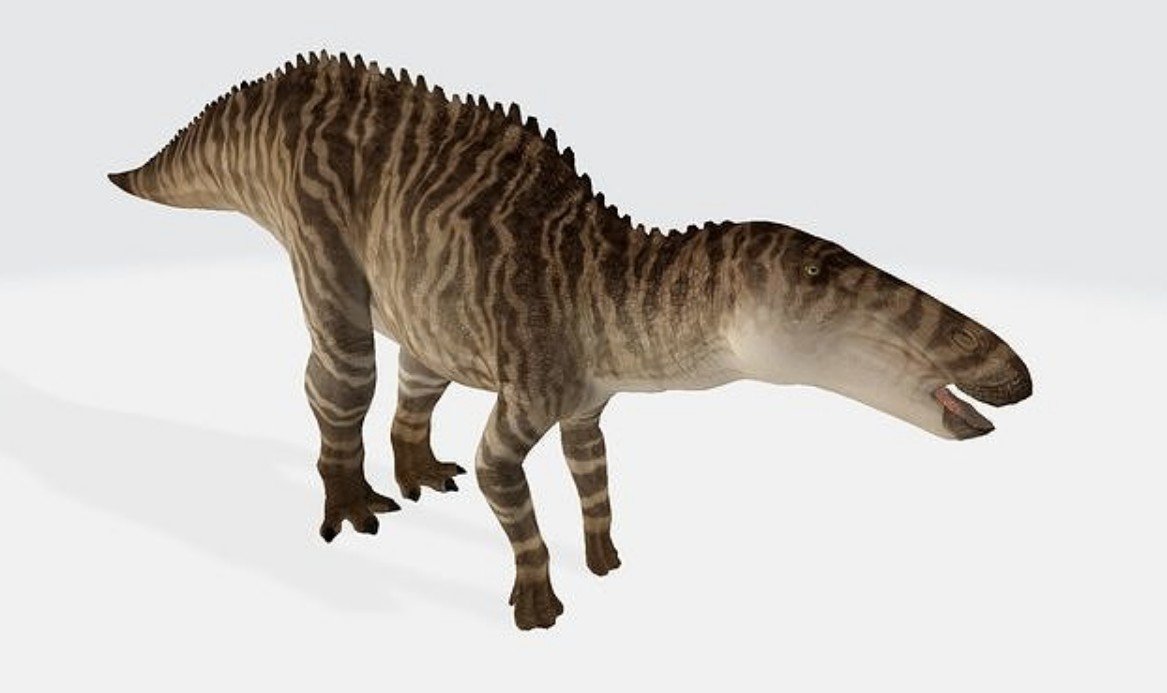
Shantungosaurus: Late Cretaceous Dinosaurs from Hadrosaur Dinosaur
About 70 million years ago, during the Late Cretaceous era, the enormous herbivorous dinosaur Shantungosaurus inhabited what is now China. It was regarded as one of the biggest of its type and belonged to the Hadrosauridae family, which is also known as the duck-billed dinosaurs. Because of its remarkable size and unique characteristics that let it survive in the prehistoric environments, Shantungosaurus was a prominent figure in the dinosaur world.
The physical traits, habitat, behaviour, and fossil finds of the Shantungosaurus, as well as its function in the ecosystem and position within the broader framework of dinosaur evolution are given below:
1. Shantungosaurus Dinosaur Classification
A massive herbivorous dinosaur known as the Shantungosaurus existed in what is now eastern China’s Shandong Province during the Late Cretaceous era, about 70 million years ago. It is a member of the Hadrosauridae family of dinosaurs, who were distinguished by its herbivorous diet and mouths that resembled duckbills. One of the biggest hadrosaur species known to science, the Shantungosaurus is renowned for its enormous size.
2. Shantungosaurus Size and Physical attributes
In addition to its size, the Shantungosaurus dinosaur was notable for its unique characteristics that enabled it to flourish in its habitat.
Shantungosaurus Length & Weight
- Length – Giant Dinosaur Size: With a maximum length of 15 meters (49 feet), Shantungosaurus was one of the biggest hadrosaurs ever found.
- Weight – Massive Herbivore Weight: The dinosaur was one of the biggest herbivores of its day, weighing an estimated 5 to 10 tonnes.
Shantungosaurus Body Structure
- Head – Duck-Billed Dinosaur Skull: Like other hadrosaurs, Shantungosaurus had a tiny head in relation to its bulk. It effectively stripped plants with its flat, duck-bill-shaped snout. Like contemporary birds, the bill was probably coated with keratin, which would have helped with plant digestion.
- Teeth – Dinosaur Grinding Teeth: Like other hadrosaurs, Shantungosaurus had rows of tiny, flattened teeth that were perfect for crushing plant matter. To provide a steady supply of effective biting tools, the teeth were continuously changed throughout its life.
- Neck and Tail – Dinosaur Balance & Movement: Its long neck and tail improved its agility and balance. Specifically, the tail could have served as a means of communication or perhaps as a means of protection from predators.
- Limbs – Bipedal/Quadrupedal Dinosaur: Shantungosaurus was a bipedal dinosaur, meaning it could walk on two legs but could also go on all fours when needed. This was shown by its powerful rear limbs and weak forelimbs. Its position probably made it easier for it to navigate through its surroundings and reach higher plants.
3. Diet and Behaviour of Shantungosaurus
As a herbivore, Shantungosaurus mostly consumed plants for food. Its jaws and teeth, among other characteristics, were ideal for a plant-based diet, and it most likely consumed the flora that was present in the Late Cretaceous period’s old habitat.
Herbivore Dinosaur Diet
Low-lying bushes, ferns, conifers, and maybe other soft vegetation present in the ecology at the time made up Shantungosaurus’ diet. It is said to have consumed the profusion of vegetation that flourished in the woods and floodplains that surrounded its habitat. Its beak-like mouth enabled it to effectively pull off big pieces of plant tissue, and its wide, flat teeth were ideal for crushing plant material.
Hadrosaur Social Behavior
It is thought that Shantungosaurus lived in herds, which would have provided protection from predators, similar to many other hadrosaurs. Because herding behaviour relies on group dynamics and perhaps uses numbers to frighten or outmanoeuvre predators, it would have enabled these huge dinosaurs remain safe from carnivores. Large herds of hadrosaurs, including Shantungosaurus, may have travelled to various regions based on the availability of food and water, according to evidence from fossil sites.
Hadrosaur Reproduction
Shantungosaurus probably lay eggs, much like other dinosaurs. Hadrosaurs cared for their young after hatching, as shown by fossilised nests and egg clutches, albeit it is unclear exactly how Shantungosaurus parents behaved.
4. Distribution and Habitat of Shantungosaurus
In what is now eastern China’s Shandong Province, the Shantungosaurus existed. This area’s Late Cretaceous terrain was probably made up of temperate forests and verdant floodplains, which would have offered herbivores like Shantungosaurus a plentiful amount of plant matter to munch on.
Dinosaur Forests & Floodplains
Ferns, cycads, and conifers were among the many types of plants that thrived in the probably warm and humid environment. Other herbivorous and carnivorous dinosaur species lived in the area, adding to the ecosystem’s complexity. Despite grazing in the open areas, Shantungosaurus would have been wary of the huge predators that shared the same terrain.
5. Findings and Studies of Fossils
In the 1970s, the first Shantungosaurus fossils were found in China’s Shandong Province. During the Late Cretaceous era, sedimentary rock formations were the main location for these fossils.
Hadrosaur Fossil Evidence & Dinosaur Skeletons
Shantungosaurus fossils include limb bones, teeth, and partial skeletons. Palaeontologists have gained important knowledge about the dinosaur’s size, anatomy, and behaviour thanks to these remains. This dinosaur may have been a slow-moving animal that relied more on social behaviour and size than on speed or agility for safety, according to certain fossilised remnants.
Scientific Importance & Dinosaur Research Significance
Because of its size and place in the family, Shantungosaurus is regarded as a crucial component in the study of Hadrosauridae. Palaeontologists now have a better understanding of the development of duck-billed dinosaurs and their role in the Late Cretaceous environment thanks to the finding of Shantungosaurus.
6. Evolutionary Importance of Cretaceous Herbivores
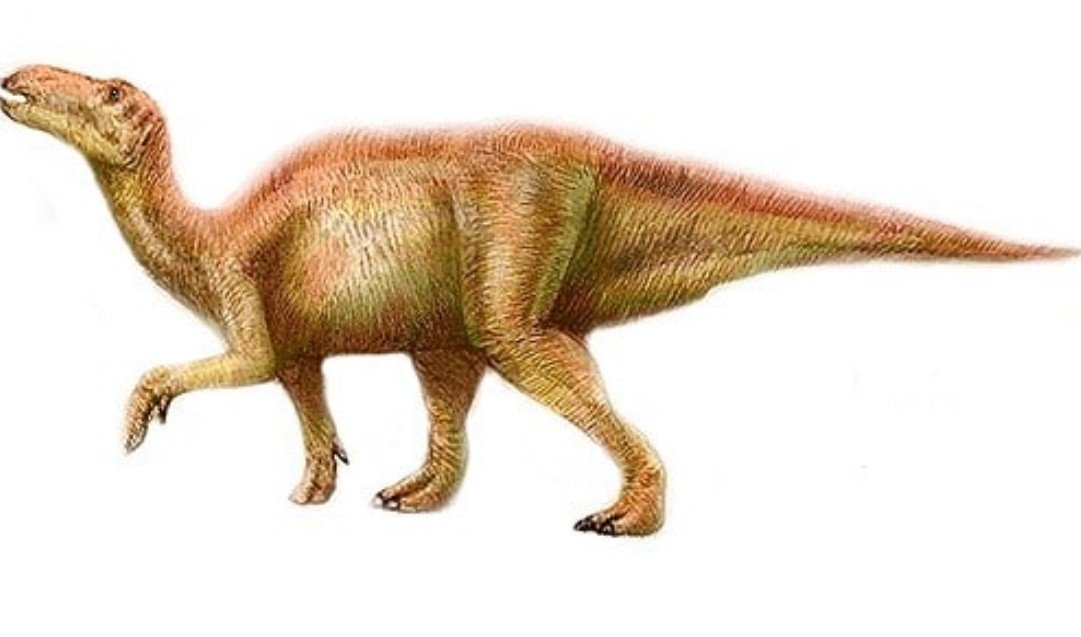
Among the most prosperous and varied dinosaurs of the Cretaceous era were the Hadrosaurids, of which Shantungosaurus is a member. It is a crucial species for understanding the evolutionary adaptations of herbivorous dinosaurs due to its size and physical traits.
Hadrosaur Family Tree
Other huge North American hadrosaurs like Maiasaura and Edmontosaurus are closely related to Shantungosaurus. These species exhibit comparable characteristics despite their geographic isolation, suggesting a shared ancestor within the Hadrosaur family. One significant evolutionary adaptation that enabled hadrosaurs to flourish in a variety of settings is the development of the duck-bill and grinding teeth.
Dinosaur Defense and Survival Strategies
Although Shantungosaurus had to be on guard against carnivores like Tyrannosaurus rex and other theropods that existed during the same time period, its size probably served as a deterrent to predators. Shantungosaurus would have been able to eat well and remain safe in a hazardous environment because to its herding behaviour and powerful teeth for crushing thick plants.
7. Legacy and Shantungosaurus Extinction
Around 66 million years ago, the Cretaceous-Paleogene extinction catastrophe wiped off most of the dinosaurs and a significant chunk of Earth’s fauna, including the Shantungosaurus. Nonetheless, Shantungosaurus’s legacy endures in the fossil record, offering important insights on the size, habits, and development of Late Cretaceous herbivorous dinosaurs.
FAQ (Frequently Asked Questions) about Shantungosaurus
Q: What is a Shantungosaurus?
Ans: Shantungosaurus is a large, herbivorous dinosaur from the Late Cretaceous period, known for its massive size, duck-billed snout, and social behavior.
Q: Where were Shantungosaurus fossils found?
Ans: Fossils of Shantungosaurus were discovered in the Shandong Province of China, which was once part of a vast floodplain during the Late Cretaceous.
Q: What did Shantungosaurus eat?
Ans: Shantungosaurus was herbivorous and likely fed on plants such as conifers and ferns, using its flat teeth to grind and process the vegetation.
Q: How big was Shantungosaurus?
Ans: Shantungosaurus grew up to 16 meters (52 feet) in length and weighed around 16 tons, making it one of the largest known hadrosaurids.
Q: Did Shantungosaurus live alone or in herds?
Ans: Shantungosaurus likely lived in large herds, a common behavior among herbivorous dinosaurs, which would have provided protection from predators.
Q: How long did Shantungosaurus live?
Ans: Like many large dinosaurs, Shantungosaurus probably had a lifespan of around 30 to 40 years, based on estimates from related species.
Q: Was Shantungosaurus a fast dinosaur?
Ans: While not particularly fast, Shantungosaurus had strong muscles and could likely move quickly in short bursts, particularly when evading predators.
Q: Is Shantungosaurus extinct?
Ans: Yes, Shantungosaurus is extinct. It lived during the Late Cretaceous period and went extinct about 66 million years ago during the mass extinction event.
Q: Was Shantungosaurus a carnivore?
Ans: No, Shantungosaurus was herbivorous, feeding on a variety of plant material and playing an important role in its ecosystem as a primary consumer.
Q: What other dinosaurs lived with Shantungosaurus?
Ans: Shantungosaurus coexisted with various herbivores and carnivores, including the theropod Tarboaurus, a close relative of the famous T. rex.
#Shantungosaurus #Hadrosaur #DuckBilledDinosaurs #DinosaurFacts #CretaceousDinosaurs #AncientLife #DinosaurConservation #ShandongChina
Our sources and references about Shantungosaurus
1: Wikipedia – Shantungosaurus
2: Britannica – Shantungosaurus
3: National Geographic – Dinosaurs
4: Dinosaur Fan Club – Shantungosaurus