Quick Top 10 Facts about Speckled Kingsnake
| SCIENTIFIC NAME | Lampropeltis holbrooki |
| CLASSIFICATION | KINGDOM: Animalia PHYLUM: Chordata CLASS: Reptilia ORDER: Squamata FAMILY: Colubridae GENUS: Lampropeltis SPECIES: L. holbrooki |
| SIZE | Length: 36–48 inches (91–122 cm), occasionally up to 72 inches (183 cm) |
| HABITAT | Woodlands, swamps, prairies, and agricultural areas across the central and southern United States |
| DIET | Carnivorous; feeds on rodents, lizards, amphibians, birds, and other snakes (including venomous species) |
| SPECIES | Speckled Kingsnake, a non-venomous constrictor species known for its speckled pattern |
| COUNTRY | Native to the United States |
| REPRODUCTION | Oviparous; lays 10–20 eggs per clutch during late spring or summer |
| LIFE SPAN | 10–20 years in captivity; 10–15 years in the wild |
| CONSERVATION STATUS | Least Concern; populations are stable, but local threats include habitat destruction and road mortality |
Amazing Facts About Speckled Kingsnakes
1. They get their name from their speckled pattern
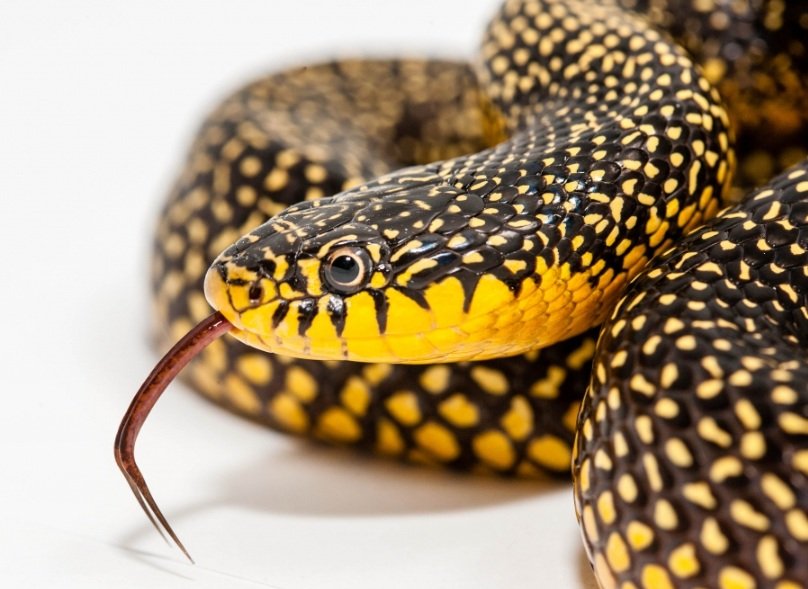
Each scale of a Speckled Kingsnake features a yellow or white dot, creating a unique spotted look against a black background.
2. They are powerful constrictors
Speckled Kingsnakes kill their prey by constriction, wrapping their muscular bodies tightly around it.
3. Immune to venom
They can eat venomous snakes like rattlesnakes because they are naturally resistant to snake venom.
4. Helpful to humans
These snakes control rodent and pest populations, making them beneficial in agricultural and rural areas.
5. Very docile when handled
Despite their fierce hunting abilities, Speckled Kingsnakes are generally calm and easy to handle, making them popular in the pet trade.
6. They mimic venomous species
Though non-venomous, their pattern and defensive behaviors can resemble more dangerous snakes, which helps them avoid predators.
7. Excellent climbers and swimmers
They are agile and versatile, capable of navigating various terrains including trees and shallow water.
8. They exhibit “musking”
When threatened, they may release a foul-smelling musk from their cloaca to deter predators.
9. Active during warmer months
They are most active during spring and summer and often seen basking or hunting in early morning or late afternoon.
10. Breed once a year
Mating occurs in spring, and females lay eggs a few months later in hidden, warm, and moist areas like logs or burrows.
Intriguing Speckled Kingsnakes: Unique Reptiles of the Southern United States
With their unusual look, varied food, and intriguing habits, speckled kingsnakes are fascinating animals. Contrary to their name, they feature a speckled pattern rather than being completely covered in speckles. These snakes regulate the numbers of tiny animals, such as rodents and poisonous snakes, which is beneficial to the habitats in which they live. Remember to keep a safe distance from any speckled kingsnake you come across in the outdoors, and enjoy the variety of nature’s beauty.
Overview of Speckled Kingsnakes
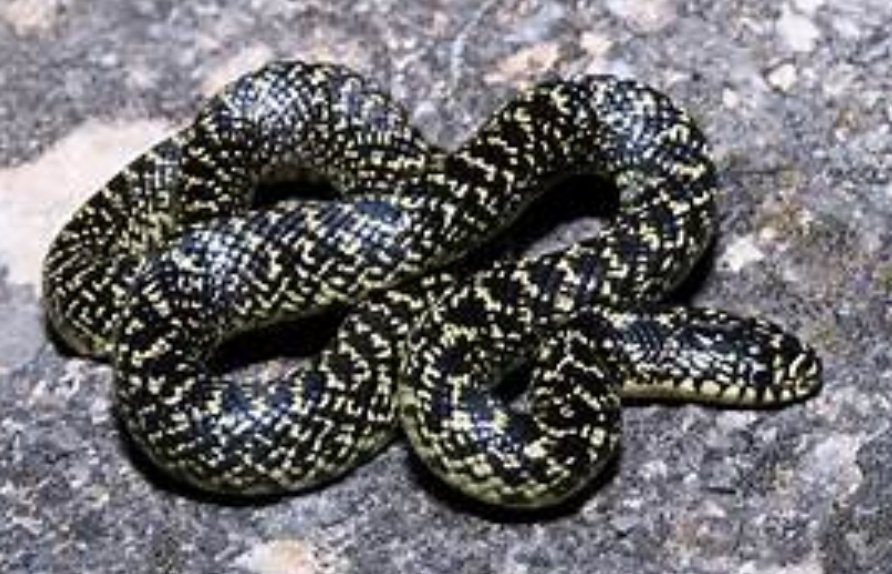
Spotted Non-venomous reptiles called kingsnakes are found in many parts of the southern United States. These snakes can be identified by their distinctive appearance, which consists of a black or dark brown background with light-colored patches or speckles scattered throughout their bodies. They are quite good at hiding in their native environment because of their speckled design, which helps them blend in with their surroundings.
Physical Characteristics and Hunting Behavior
Speckled Kingsnakes have a maximum length of 3 to 4 feet, with some individuals reaching up to 6 feet. Their head is pointed, and their body is slim with smooth scales. Since these snakes are constrictors, they encircle and squeeze their victims until they suffocate. They mostly eat rats, birds, and other small creatures that they can easily subdue.
Ecological Importance and Behavior
Speckled kingsnakes are beneficial to ecology because they help regulate rodent populations, which can be a nuisance to people. These snakes are normally calm and will only attack if they feel threatened, despite their frightening appearance. If you come across them in the wild, it’s better to keep your distance and try not to agitate them. All things considered, spotted kingsnakes are crucial to preserving the equilibrium of their natural habitat.
Fascinating Facts about Speckled Kingsnakes
Appearance and Size of Speckled Kingsnakes
Although some individuals may grow as long as five feet, speckled kingsnakes are medium-sized snakes that often reach lengths of three to four feet. Their silky scales cover a slim body, and their color varies widely depending on the area they live in. Their name derives from the most prevalent hue, which is a dark brown or black backdrop with orange or yellow speckles. On the other hand, some people could be more gray or reddish in tone.
Habitat and Distribution of Speckled Kingsnakes
The southeastern United States, which includes states like Florida, Georgia, Alabama, and Mississippi, is home to these snakes. They inhabit a range of environments, such as grasslands, wetlands, woodlands, and even residential areas. Speckled kingsnakes are skilled climbers and can be found in trees, bushes, and on the ground.
Feeding Habits and Hunting Techniques of Speckled Kingsnakes
As constrictors, speckled kingsnakes immobilize their victims by encircling them with their bodies and holding tight until the victim is unable to breathe. These snakes have a wide range of prey, and they have been seen to consume rodents, lizards, birds, and even other snakes. Since they are resistant to the venom of poisonous snakes like rattlesnakes and copperheads, they are very skilled at hunting them. Speckled kingsnakes utilize their excellent sense of smell to find their prey while they are hunting. They detect odor particles in the air using their tongues and then evaluate these odors with an organ known as the Jacobson’s organ to pinpoint the position of their possible food.
Behavior and Defense Mechanisms of Speckled Kingsnakes
Speckled kingsnakes are normally peaceful and non-aggressive toward people, despite their frightening looks. They could attempt to flee or use their camouflage to blend in with their environment if they feel threatened. Their defense mechanisms include hissing, vibrating tails, and striking when cornered or provoked. However, they do not pose a serious risk to people because they are not poisonous.
Reproduction and Life Cycle of Speckled Kingsnakes
Speckled kingsnakes, as oviparous animals, lay eggs. Female snakes will deposit a clutch of five to fifteen eggs in the spring or early summer in a secret spot, such as an underground burrow or decaying wood. After that, the eggs must incubate for 60 to 70 days in order to hatch. From birth, the hatchlings are self-sufficient and have to fend for themselves.
FAQ (Frequently Asked Questions) about Speckled Kingsnake
Q: What is a Speckled Kingsnake?
Ans: The Speckled Kingsnake (Lampropeltis holbrooki) is a non-venomous snake native to the central and southern United States. It is known for its distinctive black or dark brown body covered with small yellow or white speckles, giving it a “salt-and-pepper” appearance. This snake is a popular species among reptile enthusiasts due to its docile temperament and beautiful pattern.
Q: Where does the Speckled Kingsnake live?
Ans: Speckled Kingsnakes are found throughout the central and southeastern U.S., including states like Texas, Louisiana, Missouri, and Mississippi. They inhabit a range of environments such as forests, swamps, grasslands, and even agricultural fields. They are often found near water sources or hiding under logs and debris.
Q: What does the Speckled Kingsnake eat?
Ans: Speckled Kingsnakes are carnivorous and known for their powerful constricting abilities. They feed on rodents, birds, lizards, amphibians, and even other snakes, including venomous species. Their immunity to certain snake venoms makes them efficient predators in their habitat.
Q: How big does the Speckled Kingsnake get?
Ans: Adult Speckled Kingsnakes typically range from 3 to 4 feet (0.9 to 1.2 meters) in length, although some individuals may grow larger. Their robust bodies and attractive coloration make them stand out among North American snakes.
Q: Are Speckled Kingsnakes dangerous?
Ans: No, Speckled Kingsnakes are not dangerous to humans. They are non-venomous and generally shy, preferring to avoid confrontation. If threatened, they may vibrate their tails or release a musk odor as a defense mechanism, but they rarely bite and are safe to observe or handle with care.
Q: What does the Speckled Kingsnake look like?
Ans: The Speckled Kingsnake has a shiny black or dark brown body covered in small yellow or white speckles. These speckles are evenly distributed, giving the snake a speckled or freckled appearance. The belly is typically lighter, often with a checkered pattern.
Q: How long do Speckled Kingsnakes live?
Ans: In the wild, Speckled Kingsnakes can live up to 10-15 years. In captivity, with proper care, they may live even longer—up to 20 years—making them a long-term commitment for pet owners.
Q: Can you keep a Speckled Kingsnake as a pet?
Ans: Yes, Speckled Kingsnakes are commonly kept as pets due to their manageable size, calm nature, and striking appearance. They require a secure enclosure with proper temperature gradients, humidity, hiding spots, and a steady diet of appropriately-sized prey items like mice.
Q: Are Speckled Kingsnakes protected or endangered?
Ans: Speckled Kingsnakes are not considered endangered and have stable populations across most of their range. However, like many reptiles, they can be impacted by habitat loss, road mortality, and unnecessary killing due to fear or misidentification.
Q: What is unique about the Speckled Kingsnake?
Ans: One of the most unique traits of the Speckled Kingsnake is its ability to eat venomous snakes, including copperheads and rattlesnakes. It possesses a natural resistance to their venom, making it a valuable predator in controlling populations of potentially harmful snakes.
#SpeckledKingsnake, #LampropeltisHolbrooki, #NonVenomousSnake, #SnakeFacts, #Kingsnake, #ReptileLovers, #Wildlife, #Herpetology, #SnakeConservation, #CaptiveCare, #NorthAmericanSnakes
Our sources and references about Speckled Kingsnake
1: Wikipedia – Speckled Kingsnake
2: Snakes for Pets – Speckled Kingsnake
3: Animal Diversity Web – Lampropeltis holbrooki
4: The Reptile Database – Speckled Kingsnake