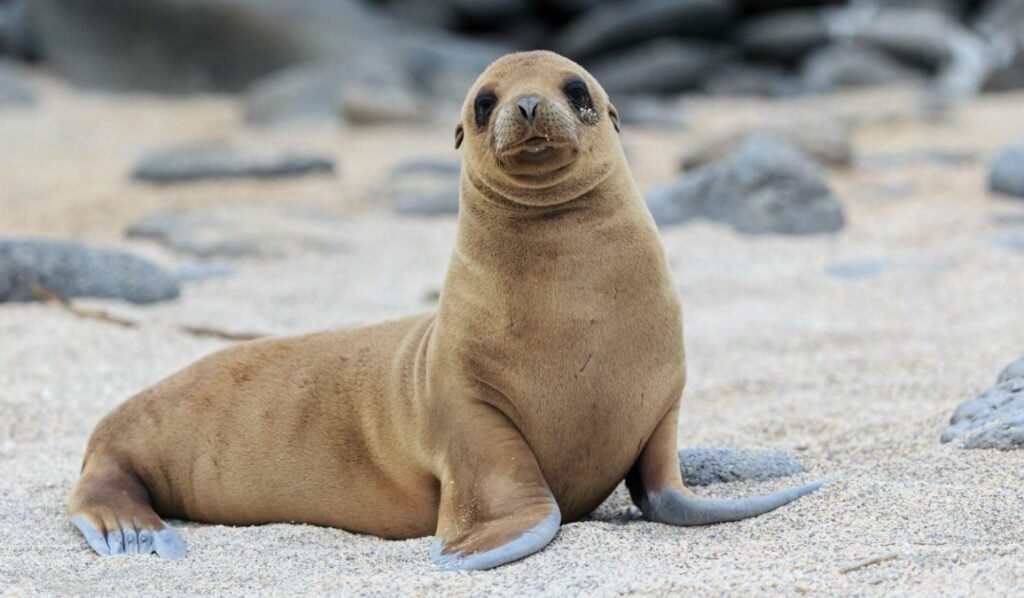
Sea lions are a group of marine mammals found along the coastlines of the Pacific Ocean. They are known for their intelligence, agility in the water, and their playful behavior. With external ear flaps, long front flippers, and the ability to “walk” on land, sea lions are distinct from seals. They are social animals, often found in large colonies, and are highly vocal, communicating with barks and roars. Sea lions are often seen basking in the sun on rocks or piers, and they feed on a diet of fish, squid, and other marine creatures. Despite their playful appearance, they are skilled hunters and highly adaptable to various environments.
Quick Top 10 Facts about Sea Lion
| SCIENTIFIC NAME | Zalophus californianus |
| CLASSIFICATION | KINGDOM: Animalia PHYLUM: Chordata CLASS: Mammalia ORDER: Carnivora FAMILY: Otariidae |
| SIZE | Length: 1.8–2.5 meters (5.9–8.2 feet), Weight: 200–1,000 kg (440–2,200 pounds) |
| SPECIES | California Sea Lion (Zalophus californianus) and several other species of sea lions found in different regions around the world |
| APPEARANCE | Sea lions have a robust, muscular build with external ear flaps, long front flippers, and a short, thick neck. Their fur is typically brown or golden, and males are larger and more prominent than females. |
| LIFE SPAN | Typically 15–25 years in the wild, with some individuals reaching 30 years |
| HABITAT | Coastal regions of the Pacific Ocean, including rocky shorelines, beaches, and sometimes artificial structures like piers |
| DIET | Fish, squid, octopus, and other marine creatures. They are also known to prey on smaller seals and birds at times. |
| NATURAL PREDATORS | Killer whales, great white sharks, and large predatory fish |
| COUNTRY | United States (especially California), Mexico, Canada, and other parts of the Pacific coast |
| GESTATION PERIOD | About 11 months, with pups typically born in June or July |
| CONSERVATION STATUS | Listed as “Least Concern” by the IUCN, though certain populations may be threatened by habitat loss and human activity |
Amazing Facts About Sea Lion
1. Masters of the Ocean
Sea lions are incredibly agile in the water and can reach speeds of up to 25 mph (40 km/h) while swimming. They use their powerful front flippers to propel themselves with impressive efficiency.
2. Highly Social Creatures
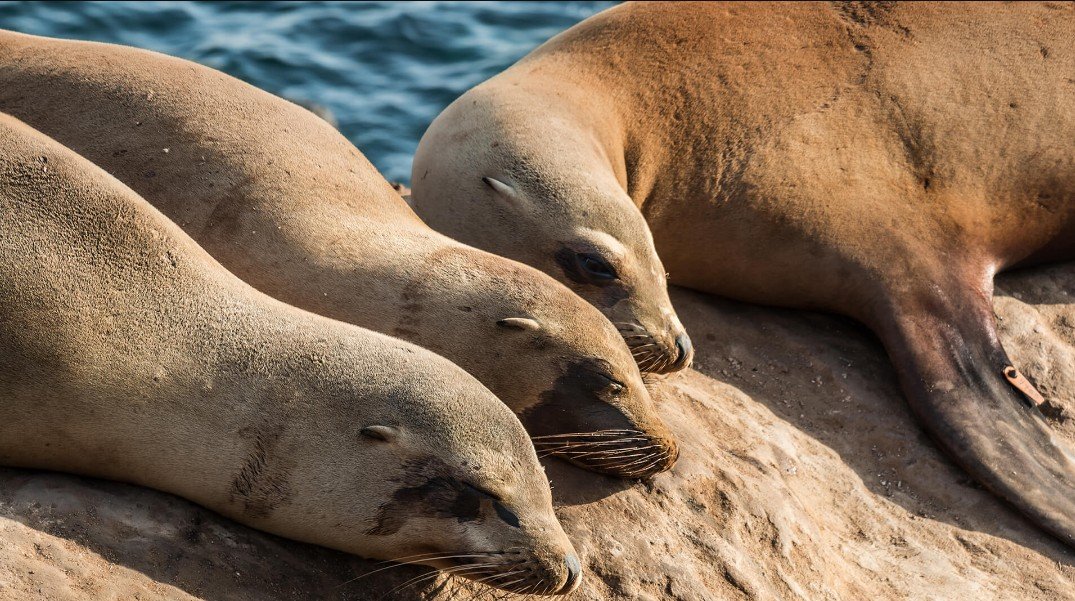
Sea lions are highly social animals and are often found in large colonies. They haul out together on beaches, rocks, and piers, where they rest, mate, and raise their pups.
3. Vocal Communication
Sea lions are known for their loud barks and roars, which they use to communicate with each other. These vocalizations are especially common during mating seasons and territorial disputes.
4. Playful Nature
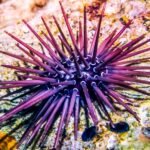
Sea lions are often seen engaging in playful behaviors, such as swimming in circles, jumping out of the water, and interacting with each other. They have been known to play with objects like kelp and even sea urchins.
5. Excellent Divers
Sea lions are capable divers, reaching depths of up to 600 feet (183 meters) in search of food. They can hold their breath for several minutes while hunting underwater.
6. Can “Walk” on Land
Unlike true seals, sea lions can “walk” on land using their large front flippers, which allow them to move more easily on land. This makes them more agile when hauling out on beaches or navigating rocky shorelines.
7. Strong Parental Bonds
Mother sea lions form strong bonds with their pups. After giving birth, the mother will nurse and protect her pup until it is ready to fend for itself, typically after several months.
8. Tool Use (Occasionally)
While sea lions don’t use tools as frequently as sea otters, they have been observed using objects like rocks or shells to help them crack open hard-shelled prey on rare occasions.
9. Threats from Human Activity
Sea lions face threats from human activity, such as entanglement in fishing nets, habitat destruction, and disturbances from human presence along their breeding sites.
10. Conservation Success Stories
While sea lions are generally not endangered, conservation efforts, including protections against hunting and habitat destruction, have helped their populations recover in many areas, especially along the Pacific coast of North America.
An Intriguing Marine Animal: The Sea Lion
One of the most clever and endearing marine animals, sea lions are renowned for their gregarious behaviour, exceptional agility, and joyful disposition. Although sea lions and seals are both members of the Otariidae family, they vary from one another in a number of important ways. Sea lions are exceptionally well-suited to both aquatic and terrestrial habitats because to their external ear flaps, strong front flippers, and capacity to “walk” on land. In order to explain what makes sea lions so exceptional, this article will examine their physical traits, habitat, behaviour, and state of conservation.
1. A Sea Lion: What Is It?
Large marine creatures called sea lions may be found all across the world’s coasts. They belong to the group known as pinnipeds, which translates to “fin-footed,” and are categorised alongside walruses and seals. The species in the Otariidae family, which include the following primary species, are often referred to as sea lions:
Major Species of Sea Lions
- California Sea Lion (Zalophus californianus): The most well-known species, located on North America’s west coast.
- Steller Sea Lion (Eumetopias jubatus): The biggest species, indigenous to Alaska and Russia’s northern Pacific areas.
- Australian Sea Lion (Neophoca cinerea): Found along Australia’s southern coast.
- South American Sea Lion (Otaria flavescens): Inhabits the coasts of Argentina, Chile, and Peru.
Sea lions are recognised for their unique vocalisations, gregarious disposition, and nimble swimming skills. In contrast to seals, they have a kangaroo-like stride since they can walk on land because to their powerful front flippers. Compared to real seals, who usually crawl on their stomachs to move, this characteristic gives them more mobility on land.
2. The Physical Attributes of Sea Lions
Large and strong, sea lions possess a number of essential physical traits that enable them to flourish in both aquatic and terrestrial environments.
Dimensions and Form
Body Length: Depending on the species, sea lions may vary in size. The Steller sea lion, the biggest species, may grow to over 3 meters (10 feet) in length and weigh over 1,000 kilogrammes (2,200 pounds), whereas the California sea lion usually reaches around 2 meters (6.5 feet). Sea lions can glide through the water with ease because to their streamlined, torpedo-shaped bodies. They can swim up to 25 miles per hour (40 km/h) because of the way their bodies are designed to reduce water resistance.
External Ears and Sensory Features
Sea lions may be distinguished from earless seals (family Phocidae) by their external ear flaps. Both on land and underwater, these external ears contribute to hearing.
Flippers and Motion
- Front Flippers: Sea lions’ big, strong front flippers are one of its most distinguishing characteristics. They are used for swimming and walking on land.
- Rear Flippers: Less mobile than front flippers, they mainly provide propulsion in the water.
Colour and Fur
Male sea lions are bigger and darker than females, and their coats are usually tan or dark brown. The thick, short fur provides warmth and protection from the chilly waters.
Facial Features
With big eyes and a nose, sea lions have a wide, canine-like face. In order to capture and dismember fish and other prey, they also possess a pair of sharp teeth.
3. Distribution and Habitat
The coasts of North America, South America, Australia, and Asia are home to sea lions, which are often found in places with convenient access to both land and water. Although their range varies by species, they are often found in temperate and subpolar areas.
Preferred Environments
- Coastal Areas: Sea lions often congregate on docks, beaches, and rocks to rest and mingle in large colonies.
- Seaside Rocks and Islands: Ideal for breeding and protection from predators.
- Cold and Warm Seas: While the Steller sea lion prefers colder regions, the California sea lion thrives in warmer coastal waters.
One of the most versatile pinnipeds, sea lions can live in a range of coastal environments, from serene coves to choppy, open waters.
4. Social Structure and Behaviour
Being gregarious creatures, sea lions congregate in huge groupings known as colonies. A few dozen sea lions to thousands assembled on a haul-out location are examples of the magnitude of these colonies. Their intricate social system is supported by a variety of intriguing behaviours.
Communication and Socialisation
The booming vocalisations of sea lions are well-known. They communicate with each other using a range of sounds, particularly when males are vying for territory and dominance during the mating season. Among these vocalisations are growls, barks, and roars. Sea lions have strong social ties among their colonies, and they are often seen playing together, taking naps, or lounging in the sun on rocky beaches or docks.
Reproduction and Mating
- Mating Seasons: Depending on the species and region, sea lions have specific breeding months when males compete for dominance.
- Pupping: After an 11-month gestation period, females give birth to a single pup, which stays close to its mother.
- Parental Care: Mothers nurse and protect pups until they are ready to swim and hunt independently.
Diving and Swimming Abilities
Sea lions are superb swimmers, using their front flippers to move through the water and rear flippers for stability. They dive deep to catch prey such as fish, squid, and crustaceans. To conserve energy and reduce drag, they often “porpoise” or leap out of the water while swimming swiftly.
5. Nutrition and Feeding Practices
Carnivorous in nature, sea lions mostly consume fish, squid, crabs, and even marine birds. Although they are adept hunters and divers, their diet may change depending on the prey that is available in their environment.
Hunting Methods and Diet
Sea lions usually forage in small groups or alone, diving deep to catch fish with their sharp teeth.
Cooperative Hunting Behaviour
Although typically solitary hunters, some species have been observed hunting cooperatively, herding schools of fish together for easier capture.
6. Status of Conservation
Each species of sea lion has a different conservation status; some populations are doing well, while others are seriously threatened. The Steller sea lion has been classified as vulnerable owing to population decreases, mostly caused by overfishing, pollution, and habitat degradation, while the California sea lion maintains a steady population.
Major Threats to Sea Lions
- Entanglement: Fishing nets can ensnare sea lions, leading to injury or death.
- Habitat Destruction: Pollution and coastal development threaten natural breeding and resting areas.
- Human Interaction: Hunting, tourism, and industrial activity can disturb colonies and affect reproduction.
Conservation Efforts and Protection
Regulations on fishing methods, marine protected areas, and conservation initiatives aimed at preserving vital ecosystems are all part of the effort to keep sea lion populations healthy.
FAQ (Frequently Asked Questions) about Sea Lion
Q: What is a Sea Lion?
Ans: A Sea Lion is a marine mammal known for its agility in the water, vocal communication, and ability to “walk” on land using its front flippers. They are often found in large social groups along the coasts of the Pacific Ocean.
Q: What do Sea Lions eat?
Ans: Sea Lions primarily feed on fish, squid, and octopus, though they may also hunt smaller seals or birds on occasion.
Q: Where are Sea Lions found?
Ans: Sea Lions are found along the coastlines of the Pacific Ocean, including California, Mexico, and parts of Canada.
Q: How long do Sea Lions live?
Ans: Sea Lions typically live for 15–25 years in the wild, with some individuals living up to 30 years.
Q: Are Sea Lions endangered?
Ans: Sea Lions are not considered endangered overall, but some populations, particularly in specific areas, may face threats due to habitat loss and human activity. Their overall conservation status is “Least Concern.”
Q: Can Sea Lions live on land?
Ans: Yes, Sea Lions are capable of “walking” on land using their large front flippers. They haul out on beaches and rocky outcroppings to rest, breed, and care for their young.
Q: How do Sea Lions communicate?
Ans: Sea Lions communicate through loud barks and roars, especially during mating season or territorial disputes. These vocalizations are important for social interactions within their colonies.
Q: Do Sea Lions have predators?
Ans: Sea Lions face threats from killer whales, sharks, and large predatory fish, which may prey on them, particularly the younger or weaker individuals.
Q: How deep can Sea Lions dive?
Ans: Sea Lions are capable of diving as deep as 600 feet (183 meters) to hunt for food. They can hold their breath for several minutes while submerged.
Q: Are Sea Lions good swimmers?
Ans: Yes, Sea Lions are excellent swimmers, capable of reaching speeds of up to 25 mph (40 km/h) in the water. Their long front flippers allow them to swim with great agility.
#SeaLion #MarineMammals #PacificOcean #SocialAnimals #PlayfulSeaLions #VocalCommunication #ConservationEfforts #MarineEcosystem
Our sources and references about Sea Lion
1: Wikipedia – Sea Lion
2: National Geographic – Sea Lion
3: Britannica – Sea Lion
4: Audubon – Sea Lion