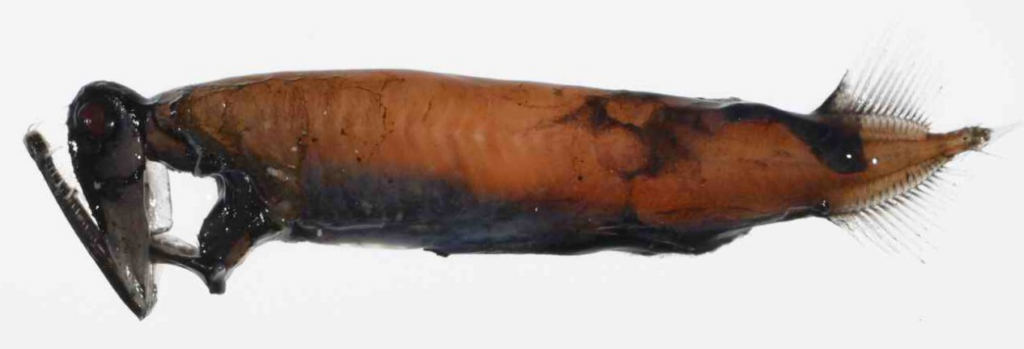
The Stoplight Loosejaw, also known as the Dragonfish, is a fascinating deep-sea fish known for its ability to produce light through bioluminescence. It is named after the stoplight-like color patterns on its body, which change based on its environment. This unique fish is found in the deep waters of the Atlantic and Pacific Oceans, and it is known for its large mouth and sharp teeth, used for catching prey. The Stoplight Loosejaw has specialized photophores along its body, which help it communicate, navigate, and hunt in the dark depths of the ocean. This species is rarely seen by humans due to its deep-water habitat.
Quick Top 10 Facts about Stoplight Loosejaw
| SCIENTIFIC NAME | Photoblepharon steinitzi |
| CLASSIFICATION | KINGDOM: Animalia PHYLUM: Chordata CLASS: Actinopterygii ORDER: Opisthoproctidae FAMILY: Opisthoproctidae |
| SIZE | Length: Typically 25–30 cm (9.8–11.8 inches), but can grow up to 40 cm (15.7 inches) |
| SPECIES | Primarily found in the deep waters of the Atlantic and Pacific Oceans, especially in regions like the Gulf of Mexico. |
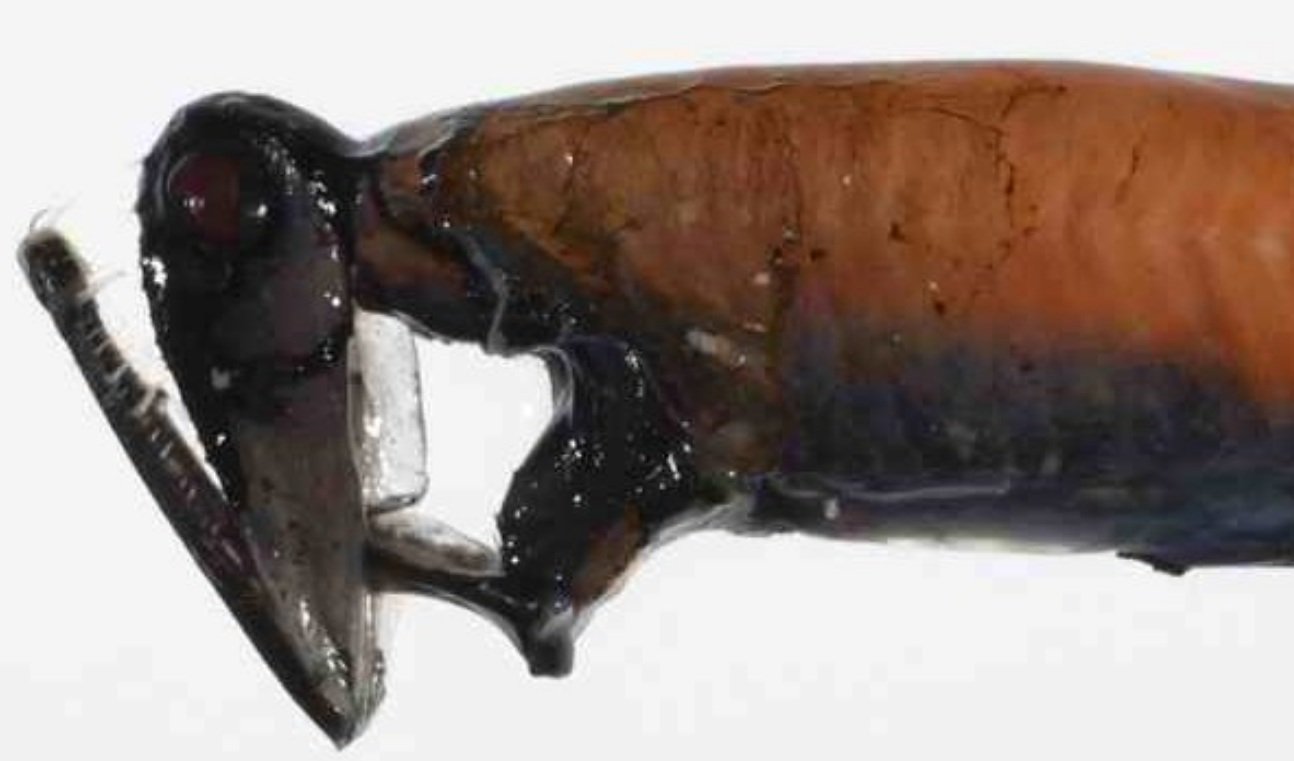
| APPEARANCE | Stoplight Loosejaw has a unique stoplight pattern of red and green lights on its body. It has large jaws that can extend outward, and its body is generally translucent with specialized light-producing organs. |
| LIFE SPAN | Estimated to live for about 5–7 years in the wild. |
| HABITAT | Found in deep-sea environments, typically at depths of 200–1,000 meters (656–3,280 feet) below sea level, often in the Atlantic and Pacific Oceans. |
| DIET | Feed on small fish and invertebrates, using their bioluminescence to attract prey in the dark depths. |
| NATURAL PREDATORS | Due to their deep-sea habitat, Stoplight Loosejaws have few natural predators, though larger fish and marine mammals may pose a threat. |
| COUNTRY | Found in the Atlantic and Pacific Oceans, particularly in the deeper regions near continental slopes and abyssal plains. |
| GESTATION PERIOD | Stoplight Loosejaws lay eggs, and the development period of eggs varies depending on environmental conditions, with larvae hatching after several weeks. |
| CONSERVATION STATUS | Currently listed as “Not Evaluated” by the IUCN Red List, though there are no major immediate threats to the species. |
Amazing Facts About Stoplight Loosejaw
1. Bioluminescent Abilities
The Stoplight Loosejaw can produce light through its bioluminescent organs, which helps it navigate and communicate in the pitch-black depths of the ocean.
2. Dragon-Like Appearance
This fish is often referred to as a “dragonfish” due to its elongated body, large mouth, and sharp teeth, resembling the mythical creatures from folklore.
3. Deep-Sea Inhabitant
Stoplight Loosejaws are found at depths of 200–1,000 meters below the surface, where light doesn’t penetrate, and they rely on their bioluminescence to survive.
4. Powerful Jaws
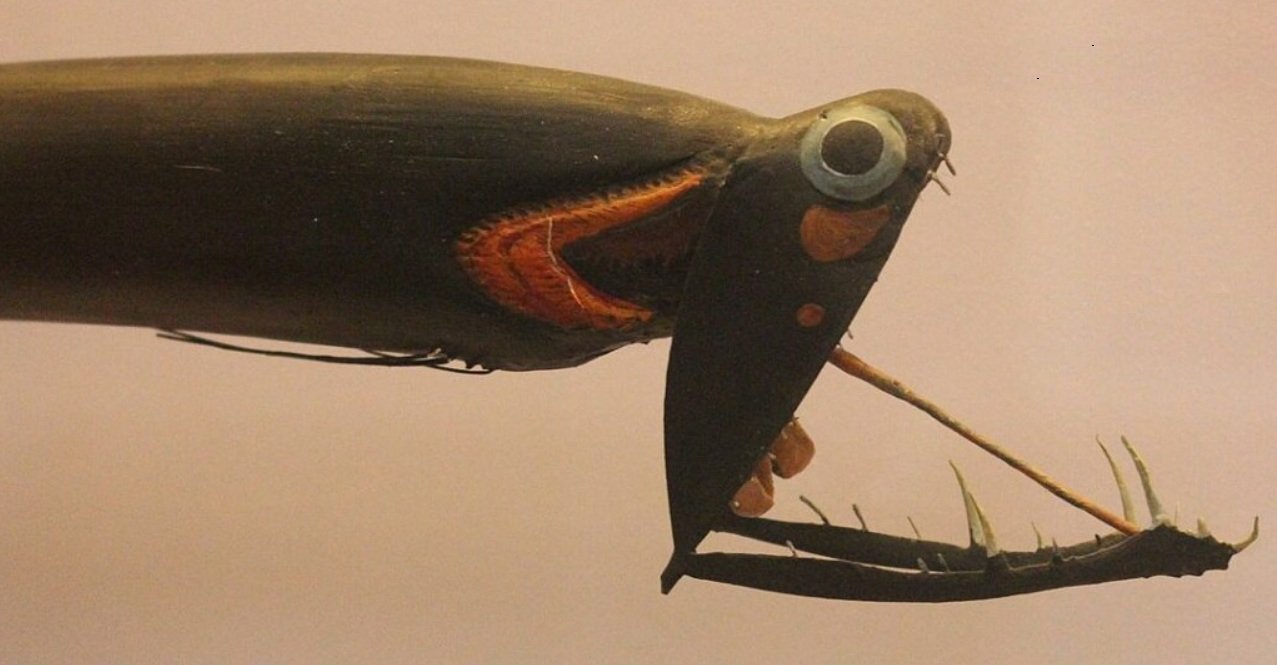
The Stoplight Loosejaw has a set of powerful jaws that can extend outward to capture prey, giving it an advantage in the deep-sea ecosystem.
5. Complex Light Patterns
The fish’s body exhibits dynamic light patterns, which can change color depending on its mood or surroundings, helping it to communicate or attract prey.
6. Attracts Prey with Light
It uses its bioluminescence to lure in prey, particularly smaller fish, which it then captures with its strong jaws.
7. Rarely Seen by Humans
Due to its deep-sea habitat, the Stoplight Loosejaw is rarely encountered by humans, making it a mysterious creature for marine biologists.
8. Part of a Unique Ecosystem
The Stoplight Loosejaw plays a significant role in the deep-sea food chain, both as a predator and as prey to larger deep-sea species.
9. Short Lifespan
This species has a relatively short lifespan of around 5–7 years, which is common for many deep-sea creatures due to harsh living conditions.
10. Little Known About Their Reproduction
Although they lay eggs, much of the reproductive behavior of the Stoplight Loosejaw remains unknown due to the difficulty in studying deep-sea life.
The Mysterious Deep-Sea Predator, Stoplight Loosejaw
The Stoplight Loosejaw (Photoblepharon palpebratum) lives in the deep seas of the Indo-Pacific region. This species remains intriguing and relatively unknown. It hunts in the ocean’s deep zones with unusual physical traits and remarkable hunting adaptations. Researchers and marine enthusiasts find this bioluminescent predator fascinating. Its features help us understand what life requires in the deepest parts of the sea. The stoplight loosejaw continues to offer valuable insights into deep-sea survival.
The following sections describe its physical traits, habitat, behaviour, feeding methods, and reproductive habits. They also cover its ecological significance and its role in biodiversity research.
Physical Features of the Loosejaw Stoplight
Size and Shape
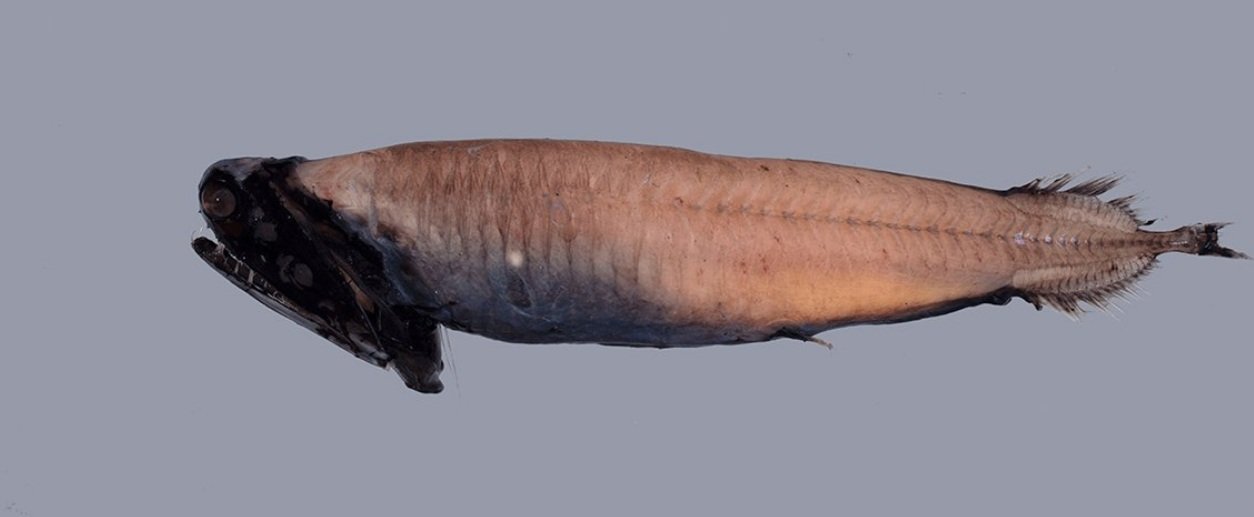
- Most stoplight loosejaws grow to between 20 and 25 cm (8 to 10 inches) in length. Some individuals can reach up to 30 cm (12 inches). Its elongated, laterally compressed shape helps it move through water efficiently. The fish’s most distinctive feature is its large, forward-jutting lower jaw. This jaw appears oversized compared to the fish’s small frame.
Bioluminescence
- The stoplight loosejaw produces its own light using special organs called photophores. This bioluminescence allows it to attract prey, blend into the darkness, and communicate with others of its kind. The photophores emit reddish-greenish light from the lower jaw. This glow creates a “stoplight” appearance, which gives the fish its name.
Lower Jaw Adaptation
- The fish’s projecting lower jaw helps it catch prey more effectively. It can extend this jaw outward while hunting. Strong, pointed teeth line the jaw, allowing the loosejaw to grip and consume its food. This adaptation enables the fish to reach prey that others might miss.
Eyes and Vision in the Deep Sea
- The loosejaw’s eyes are large and highly specialised for low-light environments. They can detect even faint light emitted by other creatures. Its excellent eyesight helps it locate prey and avoid predators in the deep sea’s darkness.
Colouration and Camouflage
- The fish typically displays dark brown to reddish hues. These colours match the deep sea’s murky environment. The glowing lower jaw contrasts with this dark body, attracting both prey and potential mates. This contrast works like a spotlight in the ocean depths.
Distribution and Habitat of the Stoplight Loosejaw
Geographic Range
- The stoplight loosejaw lives in tropical and subtropical waters of the Indo-Pacific region. You can find it near Southeast Asia, Australia, New Guinea, and Indonesia. It prefers deep waters, where sunlight barely penetrates and bioluminescence becomes essential for survival. It does not inhabit shallow seas.
Depth Range
- This fish usually lives between 200 and 600 metres (656 to 1,969 feet) below sea level. It resides in the mesopelagic zone, often called the “twilight zone.” This zone receives minimal sunlight, so most creatures rely on bioluminescence for survival and communication.
Preferred Habitat Features
- The stoplight loosejaw often lives near seamounts, continental slopes, and abyssal plains. These habitats offer diverse food sources like tiny fish and crustaceans. The terrain also provides crevices and caves for shelter. These hiding spots help it escape predators.
Nutrition and Feeding Practices of the Stoplight Loosejaw
Primary Diet
- The stoplight loosejaw feeds on small fish, krill, and other invertebrates. Its extended lower jaw allows it to catch anything small enough to fit in its mouth. These prey items populate the mesopelagic zone in large numbers.
Ambush Hunting Behaviour
- The fish hunts by ambushing its prey. It waits quietly in the dark, using its glowing jaw as a lure. When prey comes close, it strikes quickly and accurately. This ambush technique lets it catch creatures that might otherwise escape.
Specialised Hunting Adaptations
- The fish combines physical traits and bioluminescence to hunt successfully. Its jaw can extend rapidly to snatch prey. Meanwhile, its glowing mouth may confuse or attract smaller fish. These features make it a highly effective predator in the deep ocean.
Life Cycle and Reproduction of the Stoplight Loosejaw
Mating Behaviour
- Researchers believe that stoplight loosejaws spawn seasonally, like many deep-sea creatures. They likely use bioluminescent signals to attract mates. Both males and females release sperm and eggs into the water. Fertilisation occurs externally in the open sea.
Larval Stage and Egg Development
- After fertilisation, the eggs hatch into free-floating larvae. These larvae drift in the open water before settling near the ocean floor. Over time, they develop into juvenile loosejaws.
Growth into Juvenile and Adult Stages
- Young loosejaws do not initially display the adult’s full features. They lack a well-developed lower jaw and complete bioluminescent functions. As they grow, they develop these traits. These features help them become effective predators in the deep sea.
Adaptations for Survival in the Deep Sea
Role of Bioluminescence
- The fish relies on bioluminescence for more than just hunting. It uses light to communicate and attract prey. The glowing lower jaw can confuse or lure prey. This ability improves its chances of capturing food.
Enhanced Vision in Dim Light
- Its large eyes help it see in nearly complete darkness. They detect small flashes of light in the mesopelagic zone. This vision allows the fish to navigate and locate prey.
Functional Lower Jaw Design
- The lower jaw’s ability to extend outward gives the loosejaw a unique hunting advantage. It can reach prey that most predators cannot. This feature helps it stand out as one of the deep sea’s most distinct predators.
Status of Conservation and Human Impact
Current Conservation Status
- Currently, conservationists do not classify the stoplight loosejaw as endangered. However, it faces threats from human activities. Deep-sea mining, habitat changes, and overfishing could reduce its population. Climate change may also alter prey availability in deep-sea habitats.
Ongoing and Future Conservation Efforts
- The loosejaw lives deep in the ocean, which protects it from many direct human impacts. Even so, it depends on the overall health of marine ecosystems. Protecting ocean environments ensures the long-term survival of species like the stoplight loosejaw.
FAQ (Frequently Asked Questions) about Stoplight Loosejaw
Q: What is a Stoplight Loosejaw?
Ans: The Stoplight Loosejaw is a bioluminescent deep-sea fish known for its unique light patterns and large, extendable jaws used to catch prey.
Q: Where does the Stoplight Loosejaw live?
Ans: This fish is found in the deep waters of the Atlantic and Pacific Oceans, often at depths of 200–1,000 meters.
Q: How does the Stoplight Loosejaw attract prey?
Ans: It uses bioluminescence, producing light through specialized organs on its body, to lure prey in the dark depths of the ocean.
Q: What does the Stoplight Loosejaw eat?
Ans: The Stoplight Loosejaw feeds on small fish and invertebrates, which it catches using its bioluminescence and powerful jaws.
Q: How long do Stoplight Loosejaws live?
Ans: They typically live for about 5–7 years in the wild.
Q: Are Stoplight Loosejaws endangered?
Ans: The species is currently not evaluated by the IUCN Red List, but there are no immediate threats to their population.
Q: How does the Stoplight Loosejaw communicate?
Ans: It communicates using its bioluminescent light patterns, which can change color depending on its environment or social interactions.
Q: Can the Stoplight Loosejaw be found in shallow waters?
Ans: No, the Stoplight Loosejaw lives at deep-sea depths, typically between 200–1,000 meters, where there is no natural light.
Our sources and references about Stoplight Loosejaw
1: Wikipedia – Stoplight Loosejaw
2: Britannica – Dragonfish
3: IUCN Red List (general)