Quick Top 10 Facts about Burrowing Frog
| SCIENTIFIC NAME | Various species (e.g., Heleioporus spp., Cyclorana spp., Glyphoglossus spp.) |
| CLASSIFICATION | KINGDOM: Animalia PHYLUM: Chordata CLASS: Amphibia ORDER: Anura FAMILY: Myobatrachidae, Hylidae, Microhylidae (varies by species) GENUS: Various SPECIES: Multiple burrowing frog species exist globally |
| SIZE | Length: 1.5–4 inches (4–10 cm) |
| HABITAT | Sandy or loose soil in arid or semi-arid regions, forests, and grasslands |
| DIET | Carnivorous; feeds on insects, spiders, worms, and small invertebrates |
| SPECIES | Burrowing Frog is a common name for several species adapted to digging underground to escape heat or drought |
| COUNTRY | Found in Australia, Southeast Asia, Africa, and parts of the Americas |
| GESTATION PERIOD | Eggs typically hatch within days to weeks depending on species and conditions |
| LIFE SPAN | Up to 5–10 years, depending on the species |
| CONSERVATION STATUS | Most species are Least Concern, though some are threatened by habitat loss and climate change |
Amazing Facts About Burrowing Frogs
1. They are experts at digging
Burrowing frogs have strong hind legs and specialized feet that help them dig backward into the soil.
2. They avoid extreme weather
These frogs burrow underground to escape hot, dry, or cold conditions, sometimes remaining dormant for months.
3. Some can form a protective cocoon
Species like the Water-Holding Frog encase themselves in a cocoon of shed skin to retain moisture during dormancy.
4. They breed after rainfall
Many burrowing frogs emerge during or after heavy rains to breed in temporary pools or ponds.
5. Their calls are often loud and distinctive
Males produce deep, resonant calls to attract females during the rainy season.
6. They lay eggs in foam nests or shallow water
Depending on the species, eggs may be laid in protected burrows or small water bodies.
7. They have adapted to arid environments
Some species are incredibly resilient, surviving in dry regions with very little rainfall.
8. Tadpoles develop rapidly
Because their water sources may dry quickly, their tadpoles often metamorphose faster than those of other frogs.
9. They play a role in soil health
By burrowing, these frogs aerate soil and contribute to the ecosystem.
10. Some species are still being discovered
New species of burrowing frogs continue to be identified, especially in biodiverse regions like Southeast Asia and Australia.
Intriguing facts about the Burrowing Frog
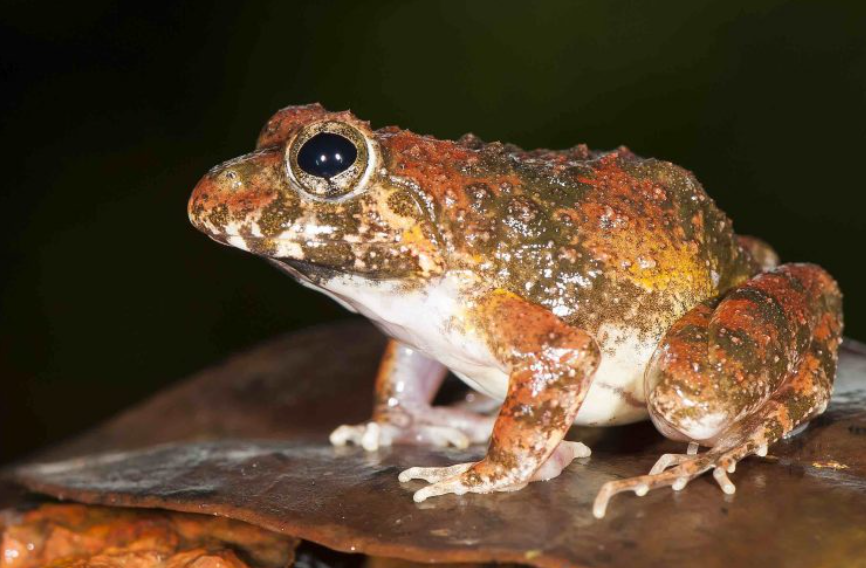
The burrowing frog is an intriguing amphibian known for its unique adaptation to underground life. These frogs may be found in Australia, Africa, and Asia worldwide. They have a striking appearance due to their short limbs, sharp snout, and muscular build.
Unique characteristics of burrowing frogs
One of the burrowing frog’s most remarkable abilities is its ability to dig tunnels under the surface of the ground. These burrows serve as both a home and a defence against inclement weather and predators. The frogs use their strong hind legs and uniquely shaped toe pads to dig themselves out of their underground dwellings.
Diet pattern and nocturnal nature of Burrowing frog
Frogs are primarily nocturnal creatures, so they are most active at night. They come out of their burrows in the dark to look for small insects, spiders, and invertebrates to eat. Their surroundings and the availability of prey determine the variety of food they consume.
Reproductive strategy of burrowing frogs
Another interesting feature of burrowing frogs is their unique reproductive strategy. Unlike many other frog species, they do not cast their eggs into the water. Instead, the female burrowing frog constructs a foam nest under the earth to lay her eggs. The female frog tends to the nest until the tadpoles emerge after fertilising the eggs.

Adaptations and habitat of burrowing frogs
In order to survive in its underground habitat, the burrowing frog has developed many adaptations. Their skin is thick and hydrating, which helps them prevent dehydration. In addition, they have a particular gland on their back that secretes a sticky substance that helps them stay wet in their arid underground home.
Muscular body and swimming activity of burrowing frogs
Frogs that burrow are not particularly excellent swimmers, but they can burrow. Their strong physique and short limbs make them more suited to terrestrial life. They are, nonetheless, capable of making long jumps across great distances.
Threats and conservation challenges they face in their underground habitats
Conservation efforts are crucial to maintaining the burrowing frog and its surroundings. The lack of suitable subsurface habitats brought on by urbanisation and agricultural operations poses a severe danger to their continued survival. Pollution and climate change may also have a harmful effect on the populace. As a result, it is imperative to raise awareness of these rare species and implement laws to safeguard their habitats.
Fascinating facts about burrowing frog
Many times, when we think about frogs, we imagine them resting on lily pads or bouncing around in ponds. Burrowing frogs, on the other hand, are a distinct species of frog that have evolved into a very different way of life. These amazing amphibians have developed the ability to live underground, and they differ from their watery counterparts in a number of intriguing ways. We’ll look at some fascinating frog-digging facts below:
Behaviour and temperament of these burrowing frogs
Frogs that burrow possess several adaptations that enable them to flourish in their underground environments. Their altered hind legs are among these frogs’ most remarkable characteristics. Burrowing frogs are distinguished from other frogs by having short, stocky hind limbs that are ideal for digging. They spend the majority of their lives beneath the earth, where they dig burrows thanks to their strong legs.
The physical features of burrowing frogs, such as their size and shape
Burrowing frogs have strong hind legs, but they also have unique toe pads that help them hold onto the earth when they dig. The frogs are able to stick to the walls of their tunnels because of the small, sticky structures on their toe pads, which keep them from sliding backward.
Lesser-known facts about burrowing frogs
Because the dirt is not as oxygen-rich as the air, getting oxygen while living underground may be difficult. Burrowing frogs have evolved a special breathing system to get around this problem. Burrowing frogs have evolved to breathe via their skin, in contrast to other frogs that predominantly depend on their lungs for respiration.
Distinct adaptations of burrowing frogs
Because of their thin, porous skin, these amazing frogs are able to take in oxygen straight from the surrounding dirt. Thanks to this adaptability, they can thrive in low-oxygen settings, such as the dirt in their burrows. They may still use their lungs, however, if needed—for example, during times of intense rain when their burrows can flood.

Preferred diet of burrowing frogs
The majority of the varied food that burrowing frogs consume is made up of tiny invertebrates. Their inclination to eat insects, spiders, and other soil-dwelling arthropods has been shaped by their subterranean habitat. These frogs identify their meal by feeling vibrations in the ground and then use their sticky tongues to catch it.
Food, including the types of prey burrowing frogs consume
It’s interesting to note that some kinds of frogs that burrow have been seen consuming ants and termites as food. Because these frogs can withstand the harmful substances that these insects release, they have a symbiotic connection with certain kinds of ants and termites. In exchange, the frogs gain access to a ready-to-eat source.
Significance of these fascinating creatures
Frogs that burrow are really amazing animals who have evolved to a special subterranean way of life. They spend most of their lives in burrows dug in the ground by their strong hind legs and specially designed toe pads. They can live in low-oxygen situations because of their capacity to breathe via their skin, and the majority of the microscopic invertebrates that make up their varied diet are found in the soil. Burrowing frogs are an interesting group of amphibians deserving of our respect and appreciation because of their remarkable adaptations.
FAQ (Frequently Asked Questions) about Burrowing Frog
Q: What is a Burrowing Frog?
Ans: A Burrowing Frog is a type of frog that spends a significant part of its life underground. These frogs have adapted to dig into soil or sand to escape extreme temperatures, dryness, or predators. Many species can be found in Australia, Africa, and Asia, and they emerge primarily during rainy seasons.
Q: Why do Burrowing Frogs burrow?
Ans: Burrowing helps them survive harsh environmental conditions, especially drought. By going underground, they can avoid dehydration and extreme heat. Some species can stay buried for months or even years until rain returns.
Q: Where do Burrowing Frogs live?
Ans: Burrowing Frogs inhabit regions with dry or seasonal climates. They are commonly found in arid or semi-arid areas, grasslands, savannas, and forests. Countries like Australia, India, and parts of Africa are home to several species.
Q: What do Burrowing Frogs eat?
Ans: Burrowing Frogs are carnivorous and primarily feed on insects, worms, spiders, and small invertebrates. When they emerge from their burrows during the rainy season, they actively hunt for food, especially at night.
Q: Are Burrowing Frogs poisonous?
Ans: Most Burrowing Frogs are not dangerous to humans. However, like many amphibians, their skin may secrete mild toxins to deter predators. It’s still a good idea to wash your hands after handling any wild frog.
Q: How do Burrowing Frogs reproduce?
Ans: During the rainy season, Burrowing Frogs come to the surface to mate and lay eggs in temporary pools or slow-moving water. Tadpoles develop quickly to complete metamorphosis before the water dries up.
Q: How long can Burrowing Frogs stay underground?
Ans: Some species can remain dormant underground for many months or even years, surviving on stored body fat and slowing down their metabolism until favorable conditions return.
Q: What adaptations help Burrowing Frogs survive?
Ans: Burrowing Frogs have strong hind legs and specialized feet or spades that help them dig. Some species also form a cocoon-like layer of dead skin to conserve moisture while underground.
Q: Do Burrowing Frogs make noise?
Ans: Yes, male Burrowing Frogs produce vocal calls to attract females during mating season, especially after rains. Their calls vary between species and often resemble chirps, croaks, or squeaks.
Q: Are Burrowing Frogs endangered?
Ans: While many species are common, habitat loss, pollution, and climate change threaten certain populations. Conservation efforts and habitat protection are essential for their survival.
#BurrowingFrog, #FrogFacts, #Amphibians, #RainySeasonFrogs, #Wildlife, #BurrowingAmphibians, #FrogLifeCycle, #FrogLovers, #NatureAdaptations, #DesertFrogs
Our sources and references about Burrowing Frog
1: Wikipedia – Burrowing Frog
2: Australian Museum – Burrowing Frogs
3: National Geographic – Burrowing Frogs