Quick Top 10 Facts about Zebu
| SCIENTIFIC NAME | Bos taurus indicus |
| CLASSIFICATION | KINGDOM: Animalia PHYLUM: Chordata CLASS: Mammalia ORDER: Artiodactyla FAMILY: Bovidae GENUS: Bos SPECIES: B. taurus indicus |
| SIZE | Height: 3.5–5 feet (1.1–1.5 meters) at the shoulder Weight: 600–1,200 pounds (270–540 kg) |
| HABITAT | Domesticated; adapted to tropical and subtropical regions in Asia, Africa, and South America |
| DIET | Herbivorous; primarily feeds on grass, hay, and agricultural by-products |
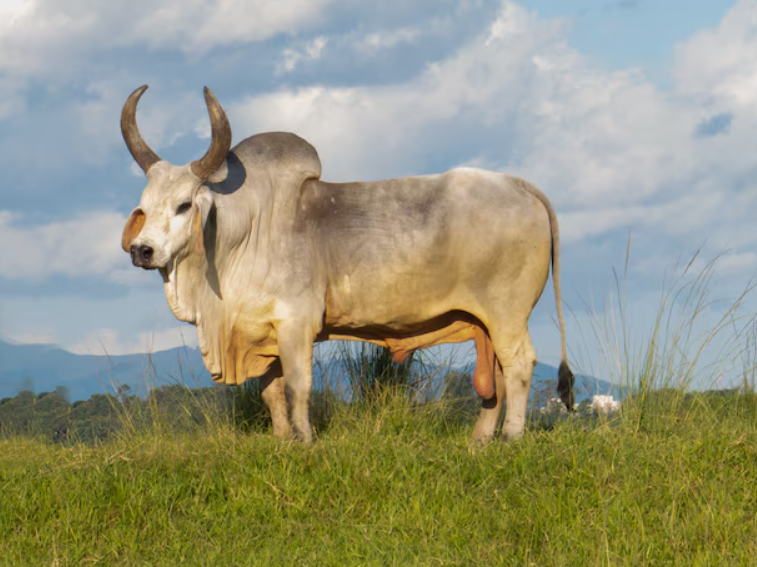
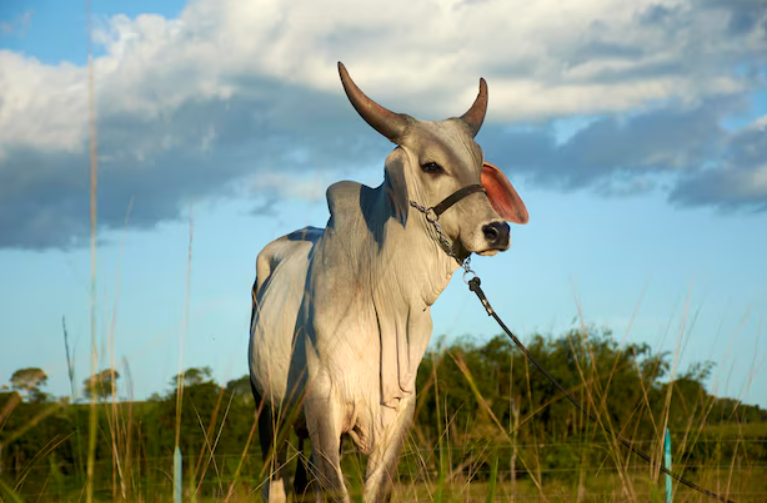
| SPECIES | Zebu is a subspecies of domestic cattle, known for its characteristic hump, large dewlap, and droopy ears |
| COUNTRY | Originated in South Asia; now found throughout Africa, Asia, and South America |
| GESTATION PERIOD | Approximately 9 months (280–290 days) |
| LIFE SPAN | 15–20 years |
| CONSERVATION STATUS | Not threatened; widely domesticated and bred for various agricultural purposes |
Amazing Facts About Zebu
1. Zebu are extremely heat-tolerant
They are well adapted to hot, arid climates and are often used in tropical regions for farming.
2. Known for their distinctive hump
The large hump on their shoulders is composed of muscle and fat, helping with energy storage and thermoregulation.
3. Have a long history of domestication
Zebu cattle have been domesticated for over 4,000 years, originating in the Indian subcontinent.
4. Used for milk, meat, and labor
Zebu are multifunctional animals used in agriculture, transportation, and food production.
5. Very hardy animals
They can survive on low-quality forage and in conditions where other cattle might not thrive.
6. Symbolic in many cultures
In Hinduism, zebu cattle are often considered sacred and are integral to religious and cultural practices.
7. Crossbred with other cattle
Zebu are often crossbred with European cattle breeds to improve heat resistance and disease tolerance.
8. Known for their resistance to disease
Zebu cattle show high resistance to parasites and tropical diseases, making them ideal for warmer climates.
9. Have distinctive physical features
In addition to the hump, they have loose skin, long ears, and a pronounced dewlap.
10. Play a major role in global cattle farming
Zebu and zebu hybrids make up a significant proportion of the cattle population in tropical countries.
Zebu: A Hardy and Adaptable Breed of Cattle
The zebu is a domesticated type of cattle easily recognised by its distinctive hump, long ears, and loose skin. These animals are most commonly found in tropical and subtropical climates, where they have adapted to thrive in some of the harshest environmental conditions. While not as widely known as other popular breeds like Holsteins or Angus, the zebu is a cornerstone of agriculture in many parts of the world. Its resilience, adaptability, and multi-functional nature have made it indispensable to farming and cultural practices across South Asia, Africa, and parts of South America.
Origins and History of the Zebu
The zebu (Bos indicus) is believed to have originated in South Asia, likely in the Indus Valley area (modern-day Pakistan and northwestern India), thousands of years ago. It is thought to have evolved from the aurochs, a wild cattle species that once roamed across Eurasia and gradually became domesticated. Unlike European cattle species (Bos taurus), zebras belong to a distinct evolutionary branch, which is why they possess unique physical traits and survival mechanisms.
Historically, zebus spread throughout Asia and Africa due to their remarkable ability to survive in hot, humid environments, making them indispensable for human communities. Over time, these cattle were introduced to other parts of the world, such as South America and the Caribbean, where they became important sources of meat, milk, and labour.
In modern times, zebras are mainly raised for beef, but their milk and role as draft animals remain significant in various regions. Their natural resistance to heat and disease has allowed them to flourish in areas where other cattle breeds might not survive.
Physical Characteristics of the Zebu
Zebus stand out from other cattle breeds due to their unique physical features, which have evolved over centuries to help them adapt to challenging climates. Some of the key characteristics include:
Hump
One of the most recognisable traits of the zebu is its hump, positioned over its shoulders. This hump consists of fat and muscle and acts as a reservoir of energy, helping the zebu endure periods of food scarcity. This adaptation is especially beneficial in hot and arid regions.
Drooping Ears
Zebus typically have large, drooping ears, which play a key role in regulating their body temperature. These long ears assist in heat dissipation by allowing the animal to release excess heat, helping the zebu maintain comfort in hot climates.
Loose Skin
The zebu’s skin is often loose and wrinkled, a feature that enhances its cooling ability by increasing surface area. Additionally, these folds of skin act as a shield, protecting the animal from insect bites and harsh sun exposure.
Size and Build
Zebus are generally smaller than many European cattle breeds, standing between 4 and 5 feet (1.2 to 1.5 meters) at the shoulder and weighing between 400 and 600 kilograms (880 to 1,320 pounds). With their compact, muscular build, they are well-suited for fieldwork and carrying heavy loads, making them ideal for agricultural tasks.
Coat
The coat of a zebu varies in colour, ranging from grey, white, brown, and black. Some zebus even have speckled or spotted patterns. The coat serves as a natural reflector of sunlight, helping to minimise the impact of the intense heat found in their native habitats.
Long Lifespan
In captivity, zebras can live for 15 to 20 years, although their lifespan in the wild may be shorter due to threats from predators, disease, or limited food availability.
 Behavior and Temperament
 Behavior and Temperament
Zebus, like other cattle, are herbivorous creatures, primarily feeding on grasses, leaves, and other plant matter. However, their behaviour and disposition can vary based on their upbringing and the conditions in which they live. Some common behavioural traits of zebus include:
Calm and Docile
Zebus are often regarded for their calm and docile nature, especially when raised in familiar, controlled settings. They are easy to handle and can be trained to work alongside humans, making them useful draft animals in agricultural tasks. Their gentle demeanour makes them manageable for even novice farmers.
Social Animals
Zebus are highly social and prefer living in groups or herds. This social structure provides safety from predators and ensures that the young are well protected. Like other cattle, zebras form strong bonds with other members of their herd, engaging in behaviours that maintain social order.
Adaptable to Climate
Zebus are uniquely adapted to thrive in a variety of climates, particularly hot and humid conditions. Their remarkable ability to endure extreme heat, drought, and suboptimal grazing environments makes them the perfect livestock choice for regions experiencing harsh climates or water shortages.
Protective Instincts
Like many herd animals, zebras have protective instincts, particularly when it comes to their young. The bulls, in particular, may exhibit territorial behaviour. However, they are generally not aggressive toward humans unless they feel threatened or are defending their offspring.
Zebu in Agriculture and Economy
The zebu plays a vital role in agriculture, especially in regions like South Asia, Africa, and parts of South America. These animals are prized not only for their meat and milk but also for their labour and cultural significance. Here are some of the ways Zebus contributes to local economies and farming systems:
Beef Production
Although smaller than European cattle breeds, zebras are still highly valued for beef production. Their meat tends to be lean and flavourful, and in certain regions, zebu beef is considered a sought-after delicacy.
Milk Production
Zebus are also milk producers, though their milk output is generally lower than that of specialised dairy breeds. In many tropical regions, however, zebu milk is used for local consumption and for creating dairy products like yoghurt and cheese.
Draft Animals
In areas where modern machinery is not accessible or affordable, zebras are frequently used as draft animals. They are employed in ploughing fields, transporting goods, and performing other labour-intensive tasks. Their stamina and ability to withstand long hours of work in hot and difficult conditions make them invaluable to smallholder farmers.
Cultural and Religious Significance
In many parts of the world, zebras hold cultural and religious significance. In some areas of India, for instance, the zebu is considered sacred, particularly in Hindu traditions. Cows, including zebus, are revered, and sacrificial rituals involving zebus are common in certain communities. They also play an important role in various festivals and ceremonies.
Resilience and Sustainability
Thanks to their robust health, resistance to disease, and remarkable adaptability, zebras are seen as a sustainable option for livestock farming in regions vulnerable to climate change and resource scarcity. Their capacity to endure both droughts and high heat makes them an ideal choice for farmers in areas with unpredictable rainfall, allowing livestock farming to continue even during tough times.
The Fascination and Uniqueness of Zebu
The zebu is a captivating and highly adaptable breed of cattle with a long-standing history of contributing economically, socially, and culturally to many communities around the world. Its distinctive hump, resilience, and capacity to thrive in arid conditions have made it an essential part of agriculture for thousands of years. Whether utilised for beef, milk, labour, or religious practices, the zebu continues to play an important role in farming systems worldwide. Its extraordinary ability to survive in difficult environments guarantees its continued importance in the agricultural landscapes of tropical and subtropical regions.
FAQ (Frequently Asked Questions) about Zebu
Q: What is a Zebu?
Ans: A Zebu, also known as humped cattle or indicine cattle, is a domesticated breed of cattle (Bos indicus) native to South Asia. Zebus are easily recognized by the hump on their shoulders, large dewlap, and drooping ears. They are well adapted to hot, tropical climates.
Q: Where do Zebus come from?
Ans: Zebus originate from the Indian subcontinent and have been domesticated for thousands of years. Today, they are found in many tropical and subtropical countries across Asia, Africa, and South America, where their hardiness makes them ideal for harsh climates.
Q: What is the Zebu used for?
Ans: Zebu cattle are primarily used for their meat, milk, and labor. In some regions, they are also used in religious ceremonies and as draft animals for plowing fields or pulling carts. Their resistance to heat and parasites makes them especially valuable in tropical farming systems.
Q: What does a Zebu look like?
Ans: Zebus typically have a pronounced hump over their shoulders, a large dewlap hanging from the neck, and long, drooping ears. They can vary in color, including shades of gray, brown, white, and black. Zebus tend to be smaller and leaner than European cattle breeds.
Q: How big do Zebus get?
Ans: Zebus are generally smaller than other cattle breeds. Adult Zebus typically weigh between 300 to 500 kg (660 to 1,100 lbs), although size can vary by breed and environment. Some larger varieties can weigh more in optimal conditions.
Q: Are Zebus good milk producers?
Ans: Compared to European dairy breeds, Zebus produce less milk. However, their milk is rich and nutritious. Some breeds, like the Gir and Sahiwal, are known for relatively higher milk yields and are used in dairy production in countries like India and Pakistan.
Q: Are Zebus easy to care for?
Ans: Yes, Zebus are known for their resilience and adaptability. They tolerate heat and drought better than most other cattle breeds and have a natural resistance to many parasites and diseases, making them well-suited for regions with limited resources.
Q: Are Zebus aggressive?
Ans: Zebus are generally docile and calm animals, though temperament can vary by individual and handling. Males, especially bulls, can become aggressive during breeding seasons or if threatened. Regular human interaction and proper handling help maintain their calm demeanor.
Q: Are Zebus found outside of Asia?
Ans: Yes, Zebu cattle have been introduced to many other parts of the world, including Africa, South America, and the southern United States. In Brazil, Zebu breeds like the Nelore are widely used in the beef industry due to their adaptability to tropical environments.
Q: What is the lifespan of a Zebu?
Ans: Zebu cattle typically live between 15 to 20 years, depending on factors like breed, care, and environment. With proper veterinary care and nutrition, they can enjoy a long and productive life.
#Zebu, #BosIndicus, #HumpedCattle, #TropicalCattle, #FarmAnimals, #CattleBreeds, #LivestockFarming, #DairyCattle, #ZebuFacts, #Agriculture
Our sources and references about Zebu
1: Wikipedia – Zebu
2: Encyclopedia Britannica – Zebu
3: The Cattle Site – Zebu
4: FAO – Cattle Breeds Adapted to the Tropics